
Are you tired of struggling with slow-growing spinach or dealing with disappointing harvests? Optimal germination time is crucial to get your spinach crop off to a healthy start. However, many gardeners face challenges when it comes to achieving successful spinach growth. Factors like temperature and moisture conditions play a significant role in determining the germination period for spinach.
In this article, we’ll delve into the world of spinach germination times, exploring what influences growth and how you can optimize your growing conditions. We’ll discuss ideal temperatures, moisture levels, and provide troubleshooting tips to help you overcome common issues that may be hindering your spinach’s progress. By following our expert advice on optimizing spinach germination time, you’ll be well on your way to enjoying a bountiful harvest of this delicious leafy green.
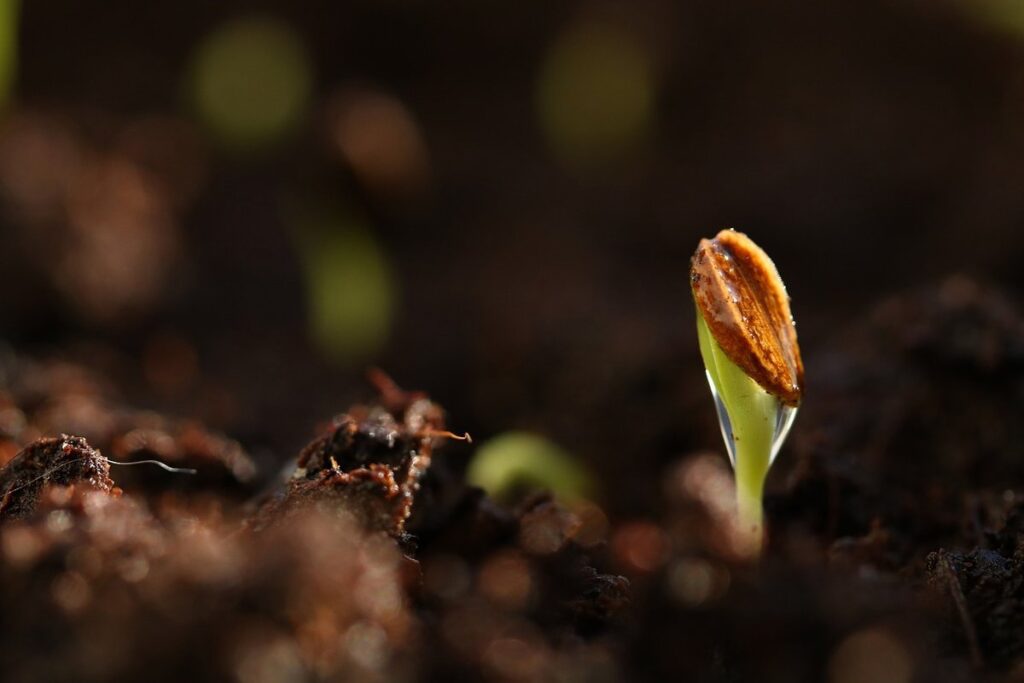
Understanding Spinach Germination Basics
To successfully grow spinach, it’s essential you understand the basics of germination, including the ideal temperatures and moisture levels required for seeds to sprout. Let’s dive into these critical factors now!
Factors Influencing Germination Time
When it comes to spinach germination time, several factors come into play. Temperature, for instance, has a significant impact on how quickly seeds sprout. Most spinach varieties prefer temperatures between 65°F and 75°F (18°C and 24°C) for optimal germination. If the temperature is too low or high, it can slow down or even prevent germination altogether.
Moisture levels also play a crucial role in spinach germination time. Seeds need consistent moisture to break through the soil surface, but overwatering can lead to poor germination rates or seed rot. Aim for well-draining potting mix and maintain a moderate watering schedule.
Lastly, seed quality affects germination time as much as environmental factors do. Fresh seeds with high viability are more likely to sprout quickly than old or low-quality ones. Make sure to check the packaging for expiration dates or purchase fresh seeds from reputable suppliers. By considering these factors, you can create an ideal environment that promotes fast and healthy spinach germination.
Importance of Germination Time in Plant Growth
The germination time of spinach plays a crucial role in its overall growth and development. A longer germination period can lead to increased yield, but it also affects the flavor and texture of the plant. For instance, a study on spinach cultivation found that seeds germinating within 3-5 days produced more leaves than those germinating after 7-10 days. This is because prolonged germination times allow for more nutrient uptake and root development.
On the other hand, a shorter germination time can result in smaller, less flavorful leaves. A grower’s experience with accelerated spinach production found that using a temperature-controlled environment to speed up germination resulted in reduced flavor intensity. This highlights the importance of balancing yield with quality.
To optimize germination time for maximum yield and flavor, growers should aim for 3-5 days at optimal temperatures (around 70°F). Factors like soil quality, moisture levels, and light exposure also influence germination speed. By controlling these variables, spinach farmers can achieve faster germination while preserving the delicate balance of flavor and texture.
Spinach Seed Selection: Choosing the Right Variety
When it comes to growing spinach, choosing the right seed variety is crucial for optimal germination and overall health. We’ll walk you through the key factors to consider in selecting the perfect spinach seeds for your garden.
Factors to Consider When Selecting Spinach Seeds
When selecting spinach seeds, it’s essential to consider several factors that will influence their growth and ultimate harvest. Climate is a critical consideration, as different varieties of spinach are better suited to specific temperature ranges. For example, if you live in an area with cold winters or hot summers, look for seeds that are bred to be more tolerant of these conditions.
Soil type is another crucial factor to consider. Spinach prefers well-draining soil with a pH between 6.0 and 7.0. If your soil is heavy clay or sandy, you may need to add amendments to create an ideal growing environment.
The desired harvest date also plays a significant role in seed selection. Some spinach varieties mature quickly, within as little as 20 days, while others take up to 40 days or more. Knowing when you want to harvest will help you choose seeds that fit your schedule.
Ultimately, choosing the right variety of spinach seed requires considering your climate, soil type, and desired harvest date. By doing so, you’ll set yourself up for success in growing a bountiful crop of delicious spinach.
Popular Spinach Varieties for Different Climates
When selecting spinach varieties, climate and growing conditions play a significant role. Different regions experience unique temperature fluctuations, humidity levels, and daylight hours, which can affect spinach growth and germination time. Here are some popular spinach varieties suitable for various climates:
* For cooler climates (average temperatures below 60°F/15°C), ‘Space’ and ‘Tyee’ are excellent choices. These varieties mature quickly, taking around 20-25 days to harvest, making them ideal for spring or fall plantings.
* In warmer climates (average temperatures above 70°F/21°C), heat-tolerant varieties like ‘Summer Crop’ and ‘Red Cardinal’ thrive. They have longer germination times but can withstand high temperatures, making them perfect for summer cultivation.
* For regions with mild winters, perennials like ‘Perpetual Spinach’ and ‘Malabar’ are great options. These varieties continue to produce leaves year-round and require minimal maintenance.
When choosing a spinach variety for your climate, consider factors such as maturity days, heat tolerance, and disease resistance. By selecting the right variety, you can ensure optimal growth and minimize the risk of crop failure due to unfavorable growing conditions.
Ideal Temperature and Moisture Conditions for Germination
To achieve successful germination, it’s essential to create an optimal environment for your spinach seeds. This includes precise temperature and moisture levels that will encourage healthy growth from day one.
Optimal Temperature Range for Spinach Germination
When it comes to spinach germination, temperature plays a crucial role. The ideal temperature range for spinach germination is between 70°F (21°C) and 85°F (29°C). This optimal range allows the seeds to germinate within 7-10 days, while temperatures above or below this range can slow down or even prevent germination.
If the temperature is too low, around 50-60°F (10-15°C), spinach seeds may take up to 2 weeks to germinate. On the other hand, high temperatures above 90°F (32°C) can cause the seeds to rot and lead to poor germination rates. It’s also worth noting that temperature fluctuations during germination can be detrimental to the seedlings.
To achieve optimal temperature conditions for spinach germination, consider starting the seeds indoors in a warm location or using a propagation mat with a temperature control feature. Keep in mind that spinach is a cool-season crop and can tolerate some cooler temperatures. However, it’s essential to maintain consistent temperatures during germination to promote healthy seedling growth. By providing the right temperature conditions, you’ll be well on your way to successfully growing delicious and nutritious spinach from seed.
Watering Schedule for Successful Germination
A proper watering schedule is crucial during the germination process to ensure successful sprouting of spinach seeds. When you water too little, the soil may become dry and cracked, hindering seedling growth. Conversely, overwatering can lead to rot and mold, ultimately killing the seeds.
To strike the right balance, start by soaking the seeds in a cup of water for 8-12 hours before sowing them in well-draining potting mix. After planting, keep the soil consistently moist but not waterlogged. Check the moisture levels daily by sticking your finger into the soil up to the first knuckle. If the soil feels dry, it’s time to water.
A general rule of thumb is to provide about 1-2 inches of water per week during the germination period, which typically lasts around 7-14 days for spinach seeds. You can also use a watering can with a fine nozzle to deliver gentle, targeted sprays of water directly to the soil surface, reducing evaporation and runoff.
Monitor your seeds closely and adjust the watering schedule as needed based on temperature fluctuations and humidity levels in your growing area. This will help you prevent overwatering or underwatering, ensuring optimal conditions for germination.
How to Prepare Soil for Spinach Germination
To successfully germinate spinach, it’s essential to prepare your soil correctly, and that starts with loosening and aerating the earth to a depth of about 8-10 inches. This step ensures optimal drainage and root growth.
Preparing Soil pH Levels for Spinach Growth
When it comes to growing spinach, soil pH levels play a crucial role in determining its growth and productivity. Spinach prefers slightly acidic to neutral soil pH, ranging from 6.0 to 7.0. If your soil pH is outside this range, you’ll need to adjust it before planting.
To check your soil pH, you can purchase a DIY soil testing kit or send a sample to a laboratory for analysis. Once you know your soil’s pH level, you can take steps to adjust it. For acidic soils (pH below 6.0), add lime to raise the pH. Start by adding 1-2 pounds of lime per 100 square feet and retest after a few weeks.
For alkaline soils (pH above 7.0), sulfur or elemental sulfur can help lower the pH. Mix 1/4 cup of sulfur with 10 gallons of water, then apply it to the soil according to package instructions. It’s essential to monitor your soil pH regularly and make adjustments as needed to ensure optimal spinach growth.
When adjusting soil pH levels, remember that making gradual changes is key. Sudden shifts can stress the plants and lead to reduced yields. By fine-tuning your soil’s pH, you’ll be well on your way to growing healthy, productive spinach crops.
Adding Nutrients to Improve Soil Quality
To ensure successful spinach germination and growth, it’s essential to provide the necessary nutrients to the soil. Spinach plants require a balanced mix of macronutrients like nitrogen (N), phosphorus (P), and potassium (K), as well as micronutrients such as calcium, magnesium, and sulfur.
During the germination stage, spinach seeds need a boost of nitrogen to initiate root growth and leaf development. You can add organic amendments rich in nitrogen, like compost or manure tea, to the soil before sowing seeds. Alternatively, use synthetic fertilizers containing ammonium nitrate (NH4NO3) or urea (CO(NH2)2), following the product’s recommended application rates.
After germination, continue to provide a balanced fertilizer mix with a ratio of 5-10-5 N-P-K to promote healthy growth. You can also supplement with micronutrients like calcium carbonate (CaCO3) and magnesium sulfate (MgSO4) to address any potential nutrient deficiencies.
When choosing fertilizers, consider the soil’s pH level and adjust accordingly. Most spinach varieties prefer a slightly acidic to neutral soil pH between 6.0-7.0.
Troubleshooting Common Germination Issues
You’ve successfully started your spinach seeds, but they’re not germinating as expected? Let’s troubleshoot common issues and get your spinach crop growing strong.
Common Problems Affecting Spinach Germination
Poor seed quality is often cited as one of the primary reasons for failed spinach germination. This can be attributed to factors such as old seeds, inadequate storage conditions, or low-quality seed stocks from unreliable suppliers. To mitigate this risk, it’s essential to source high-quality seeds specifically bred for the region and climate you’re cultivating in.
Inadequate light exposure is another common issue affecting spinach germination. Spinach requires a specific balance of light and darkness to initiate germination, with most varieties preferring around 12-14 hours of daylight. Direct sunlight can also cause seedlings to become scorched, leading to stunted growth or even death. Consider providing supplemental lighting or maintaining adequate shading to ensure optimal conditions for germination.
In addition, inconsistent soil temperature can hinder spinach germination. Most spinach varieties prefer cooler temperatures between 40°F (4°C) and 75°F (24°C), with optimal germination occurring around 55°F (13°C). Ensure that your growing medium remains within this range by using a thermometer to monitor soil temperature or adjusting your greenhouse or indoor setup as needed.
Ensure you’re providing spinach seeds with the right conditions, including adequate moisture, proper sowing depth, and sufficient air circulation. This will help prevent seed rot, overcrowding, and other issues that can arise from poor seed placement.
Solutions for Overcoming Germination Challenges
When faced with germination challenges, it’s essential to address them promptly and effectively. One common issue is inconsistent moisture levels, which can be resolved by maintaining a consistent watering schedule. For instance, ensure the soil remains moist but not waterlogged during the first few days after sowing.
Another challenge is temperature fluctuations, as spinach prefers cooler temperatures between 65°F and 75°F (18°C to 24°C). To overcome this, you can use a heating mat or grow lights to provide a stable temperature environment. It’s also crucial to monitor seed depth, as spinach seeds should be sown shallowly, about 1/8 inch deep.
In addition, avoid overcrowding the soil with too many seeds, as this can lead to competition for resources and hinder germination. Instead, sow seeds at a rate of about 10-12 per square foot. Finally, ensure good air circulation by providing adequate space between plants to prevent fungal diseases that thrive in moist environments.
By implementing these strategies, you’ll be well on your way to achieving successful spinach germination.
Monitoring and Maintaining Optimal Conditions
To ensure successful spinach germination, it’s crucial to monitor your environment and make adjustments as needed to maintain optimal conditions for seed growth. This involves tracking temperature, moisture levels, and light exposure.
Checking for Signs of Healthy Germination
As you wait patiently for your spinach seeds to germinate, it’s essential to monitor their progress closely. Checking for signs of healthy germination is crucial to ensure that your seeds are thriving and adapting well to the growing conditions.
Look out for the following visual indicators: within 7-10 days after sowing, the seedlings should emerge with two small leaves or cotyledons, typically a pale greenish-yellow color. These initial leaves will be followed by the true leaves, which may take another week or so to appear. A healthy spinach plant typically grows about 1-2 inches in the first week and then accelerates its growth rate.
Check your seedlings’ growth daily for any signs of fungal infections or pests that could hinder their development. Healthy spinach seedlings should have a consistent green color, with no visible signs of discoloration or browning. If you notice any unusual changes, take action promptly by adjusting the growing conditions to optimize germination and growth.
Keep in mind that these visual indicators can vary slightly depending on factors like temperature, soil quality, and light exposure.
Tips for Maintaining Consistent Temperature and Moisture Levels
Maintaining consistent temperature and moisture levels is crucial during the germination process of spinach. Temperature fluctuations can either accelerate or delay germination, while inconsistent moisture levels can lead to poor seedling development.
To ensure optimal conditions, start by selecting a location with minimal temperature changes. A temperature range between 65°F (18°C) and 75°F (24°C) is ideal for spinach germination. Avoid placing your seeds near heating vents or radiators, as this can cause the soil to dry out too quickly.
Maintain consistent moisture levels by watering the soil gently but thoroughly after sowing the seeds. Keep the soil moist but not waterlogged, as this can lead to fungal diseases and poor root development. You can cover the container with a clear plastic bag or a cloche to create a humid microclimate and reduce moisture loss through transpiration.
Monitor your seedlings regularly and adjust watering schedules accordingly. A general rule of thumb is to maintain soil moisture at 50-60% relative humidity during the germination period. By following these guidelines, you can ensure that your spinach seeds germinate consistently and develop strong roots for optimal growth.
Frequently Asked Questions
How do I know if my spinach seeds have reached optimal germination time?
If you’ve provided the right temperature and moisture conditions, but your spinach seeds still haven’t sprouted after 7-10 days, it might be worth checking for signs of healthy germination. Make sure the soil is consistently moist but not waterlogged, as this can prevent seedlings from emerging.
What should I do if my spinach seeds are taking longer to germinate than expected?
Yes, slow germination can be caused by factors like temperature fluctuations or inadequate moisture levels. To speed up the process, you can try using a soil warming mat to maintain consistent temperatures around 70°F (21°C), and ensure that the soil is consistently moist but not waterlogged.
Can I use indoor growing lights for spinach germination?
Yes, if you’re starting seeds indoors during the winter months or in areas with limited natural light, you can utilize LED grow lights to provide optimal temperature and light conditions. Aim for 12-14 hours of supplemental lighting per day, keeping the temperature range between 65°F (18°C) and 75°F (24°C).
How often should I water my spinach seeds during germination?
For successful germination, it’s essential to maintain consistent moisture levels in the soil. Water your spinach seeds gently but thoroughly as soon as the top inch of soil feels dry to the touch. Avoid overwatering, which can lead to fungal diseases and other issues.
Can I use recycled water for spinach seedlings during germination?
Yes, but it’s crucial to ensure that the water is free from contaminants and has a suitable pH level for spinach growth (around 6.0-7.0). If you’re using rainwater or collected water, test its pH before applying it to your spinach seeds to avoid any potential damage.