
As any gardener or greenhouse enthusiast knows, the journey from seed to sprout is a delicate one. Getting your seeds to germinate successfully can be a trial-and-error process, but with the right knowledge and techniques, you can optimize your chances of success. The rate at which seeds germinate is influenced by a multitude of factors, including the type of seed, environmental conditions, and even the specific growing medium used. In this article, we’ll take a closer look at the essential steps involved in the germination process and what affects germination rates. Whether you’re working with a small herb garden or a large-scale greenhouse operation, understanding how to optimize germination success is crucial for achieving high yields and healthy plant growth.
Understanding Germination Basics
Let’s dive into the fundamentals of germination, starting with understanding what exactly is happening when a seed begins to sprout and grow.
What is Germination?
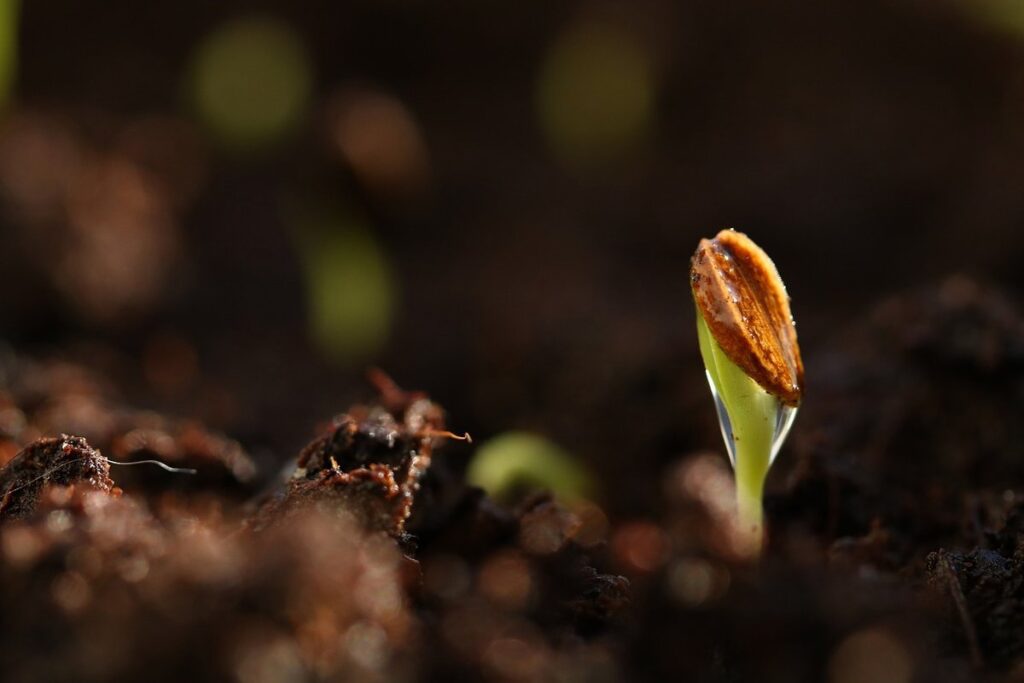
Germination is a fundamental process in plant growth that marks the beginning of a seed’s life cycle. It’s the critical stage where a dormant seed starts to sprout and develop into a mature plant. In simple terms, germination is the process by which a seed begins to grow its root and shoot, eventually breaking through the soil surface.
There are two primary types of germination: natural and artificial. Natural germination occurs when seeds are exposed to the right environmental conditions, such as temperature, light, and water, allowing them to sprout naturally in the wild. Artificial germination, on the other hand, involves controlled environments, like greenhouses or nurseries, where seeds are carefully nurtured to ensure optimal growth.
Germination is essential for plant development because it’s the first step towards root establishment and photosynthesis. Without proper germination, plants may struggle to develop strong roots, absorb necessary nutrients, and undergo the photosynthetic process that fuels their growth. This critical phase sets the stage for a healthy and thriving plant, making understanding and optimizing germination conditions crucial for successful gardening or farming endeavors.
Factors Influencing Germination Rate
When it comes to germinating seeds, several factors can influence the rate at which they sprout. Temperature plays a significant role, as most seeds require a specific temperature range to germinate. For example, tomato seeds typically require a minimum of 70°F (21°C) and a maximum of 90°F (32°C) to germinate within three to five days.
Moisture is another essential factor, with most seeds requiring consistent moisture levels during the germination process. This can be achieved through adequate watering or by using a humidifier in a greenhouse setting. Be cautious not to overwater, as this can lead to fungal growth and reduced germination rates.
Light exposure also affects germination rates, with some seeds preferring light while others require darkness. Seed quality is another crucial factor, as old or low-quality seeds may have poor germination rates. Finally, the type of soil used for germinating seeds can impact the process. A well-draining potting mix rich in organic matter can promote healthy seedling growth and increase germination rates.
In practice, growers can optimize germination rates by controlling temperature, maintaining consistent moisture levels, providing adequate light exposure (if necessary), using high-quality seeds, and choosing a suitable soil type for their specific needs.
Seed Preparation for Optimal Germination
Preparing seeds for optimal germination is a crucial step that can make all the difference in your success rate. This section will walk you through the simple steps to get your seeds ready for maximum growth potential.
Seed Selection and Testing
When it comes to germinating seeds successfully, selecting the right seeds is crucial. This involves considering several factors including seed origin, age, and storage conditions. Seeds from reputable suppliers or growers are more likely to have better quality and viability. On the other hand, seeds that have been stored improperly may not germinate well.
Testing seeds for viability before planting them can save you a lot of time and resources in the long run. You can perform simple tests such as soaking seeds in water to see if they swell or checking their weight to determine if they are dry. For more accurate results, consider investing in a seed germination test kit that uses specialized equipment to measure moisture levels.
When evaluating seeds for quality, look for those with no visible signs of mold, mildew, or damage. Even small imperfections can affect the seed’s ability to germinate. Some common indicators of poor seed quality include uneven coloration, cracks, or shriveled appearance. Regularly testing and selecting high-quality seeds will significantly improve your chances of successful germination.
Seed Stratification and Scarification
To give seeds the best chance of germinating successfully, some require special treatment before being planted. Two common methods used to enhance seed viability are stratification and scarification.
Stratification involves subjecting seeds to a period of cold temperatures, typically between 35°F and 45°F (2°C and 7°C), to break dormancy. This process mimics the natural winter conditions that some plants would encounter in their native habitats. For example, many orchid species require a specific stratification period before they can germinate.
Scarification is another technique used to promote germination. It involves mechanically or chemically removing the seed coat, allowing water and nutrients to reach the embryo inside. This method works well for seeds with hard outer layers, such as beans or peas. A common way to scarify seeds is by nicking or scratching their surface with a nail file or sandpaper.
The benefits of stratification and scarification are numerous. By using these methods, you can increase seed germination rates, reduce the time it takes for seeds to sprout, and even enhance plant growth once established. For example, some studies have shown that stratified seeds can germinate up to 30% faster than non-stratified ones.
The Germination Process: Stages and Timeline
Germinating seeds require a series of stages that take place over a specific period, which can vary depending on factors such as temperature and humidity. In this section, we’ll break down these stages and provide a detailed timeline to help you understand the process.
Stage 1: Imbibition
At this point in the germination process, the seed has reached Stage 1: Imbibition. This is where water absorption begins to occur, and it’s a critical step towards initiating growth. When a seed comes into contact with water, its cells start to absorb moisture, leading to swelling. The seed coat, which had been hard and impermeable, becomes softer and more pliable. This process allows the embryo inside the seed to prepare for germination.
As the seed absorbs water, the starches stored within begin to break down into sugars, providing energy for growth. The embryo starts to move towards the surface of the seed, where it will eventually emerge as a sprout. It’s essential to maintain consistent moisture levels during this stage, as excessive drying out can cause the seed to stop germinating.
In many cases, seeds will begin to show signs of imbibition within 24-48 hours after being placed in water or soil. If you’re starting seeds indoors, make sure the soil is consistently moist but not waterlogged. This will help the seedlings get off to a healthy start and reduce the risk of fungal diseases that thrive in wet conditions.
Stage 2: Radicle Emergence
At this stage of germination, the radicle begins to emerge from the seed coat. This is a crucial development in the plant’s life cycle, as it marks the beginning of root establishment. The primary root, also known as the radicle, grows downward through the soil, anchoring the seed and absorbing essential nutrients.
As the radicle emerges, it starts to divide into smaller roots, creating a complex network that will support the developing plant. This initial root system is critical for providing stability and facilitating water and nutrient uptake. Without a stable root system, the plant may struggle to establish itself and thrive.
During this stage, you can observe the seed coat splitting along its natural lines, allowing the radicle to emerge. Be patient, as this process can take anywhere from a few days to a week or more, depending on factors such as temperature, moisture, and seed variety.
It’s essential to maintain optimal growing conditions during this phase, ensuring the soil remains consistently moist but not waterlogged. By doing so, you’ll be supporting the radicle’s growth and laying the groundwork for a healthy, robust root system that will support your plant’s future development.
Stage 3: Seedling Development
During stage 3 of germination, seedlings begin to emerge and develop their first set of leaves. This is a critical phase where seeds start to adapt to the external environment and absorb essential resources for growth. Seedling development typically occurs within 1-2 weeks after sprouting, depending on factors such as temperature, moisture, and light exposure.
As seedlings grow, they undergo rapid cell division and elongation, enabling them to reach the surface of the growing medium. At this stage, it’s crucial to provide adequate humidity, maintaining a consistent moisture level to prevent dehydration. Make sure to keep the soil consistently moist but not waterlogged, as excessive moisture can lead to root rot.
During this period, seedlings also begin to develop their root systems, which will eventually become responsible for absorbing nutrients and water from the surrounding environment. To promote healthy root development, ensure the growing medium has good aeration and is free of compacted areas that may impede growth.
Environmental Factors Affecting Germination Success
When it comes to successful germination, environmental factors play a significant role in determining whether your seeds will sprout. Let’s explore some of these key factors that can impact germination success.
Temperature Requirements
When it comes to germination success, temperature plays a crucial role. Different plant species have unique optimal temperature ranges that can significantly impact germination rates. For instance, tropical plants like orchids and bromeliads thrive in temperatures between 75°F to 85°F (24°C to 30°C), while temperate plants such as tomatoes and peppers prefer warmer temperatures around 70°F to 80°F (21°C to 27°C). On the other hand, cool-season crops like broccoli and kale germinate best at cooler temperatures between 40°F to 60°F (4°C to 15°C).
Temperature fluctuations can also affect germination rates. Sudden temperature changes can cause seedlings to become stressed, leading to poor growth or even death. For example, if you’re starting seeds indoors, be aware that the sudden shift from indoor warmth to outdoor cold can shock young plants. To mitigate this, harden off your seedlings gradually by acclimating them to outdoor temperatures over a period of 7-10 days.
Keep in mind that temperature is just one aspect of environmental factors affecting germination success. Monitor temperature closely and maintain optimal ranges for each plant species to ensure healthy and successful germination.
Light Exposure and Photoperiodism
Light exposure plays a crucial role in seed germination, and it’s not just about providing enough light for photosynthesis. Light also triggers the production of growth hormones that stimulate cell division and expansion. This process is known as photomorphogenesis. For example, studies have shown that lettuce seeds germinate faster when exposed to a 16-hour light period than those given only 8 hours.
But how does this relate to plant development? Photoperiodism comes into play here. It’s the response of plants to the length of daylight and darkness periods, influencing their growth and flowering patterns. Some plants require long days (short nights) to produce flowers, while others thrive in short-day conditions. For instance, wheat is a long-day crop that grows tall during spring when days are longer.
In germination trays or seed starting mix, consider using grow lights to regulate photoperiodism and promote healthy growth. By mimicking natural day-night cycles, you can encourage optimal development of your seeds. As a general rule, start with 16 hours of light and adjust according to the specific needs of the plant species you’re cultivating.
Optimizing Germination Conditions
To get optimal results, let’s take a closer look at how to optimize germination conditions, including temperature, humidity, and light exposure. This will help your seeds thrive in no time!
Soil Quality and pH Levels
Soil quality and pH levels play a crucial role in determining the success of germination. A suitable soil environment can make all the difference between successful germination and stunted growth. For optimal germination, it’s essential to ensure that the soil has the right pH level.
The ideal pH range for most plants is between 6.0 and 7.0. However, some plant species have specific pH requirements. For example, azaleas and blueberries thrive in acidic soils with a pH as low as 5.5, while succulents can tolerate alkaline soils with a pH up to 8.0.
To check the pH level of your soil, you can use a soil testing kit. This will provide you with an accurate reading of your soil’s pH level. Based on this information, you can adjust the soil accordingly by adding lime to increase the pH or sulfur to decrease it.
In addition to pH levels, nutrient availability and aeration are also vital for germination. Ensure that the soil is rich in essential nutrients like nitrogen, phosphorus, and potassium. A well-draining soil with adequate aeration will promote healthy root growth and facilitate optimal water uptake by the seedlings.
Moisture Management
Maintaining the right balance of moisture is crucial for seed germination. Too little water and seeds may not have enough energy to sprout, while too much water can lead to drowning and reduced root growth. Waterlogging occurs when excess moisture prevents oxygen from reaching the roots, causing them to rot.
To prevent these issues, you should monitor soil moisture closely. Check the soil daily by inserting your finger into it up to the first knuckle. If the soil feels dry, provide a gentle misting with water. Aim for a consistent humidity level between 40% and 80%. Covering trays or containers can help retain moisture and maintain this range.
It’s also essential to choose seeds suitable for optimal germination rates under your specific conditions. Some seeds, such as cacti and succulents, require very little water, while others, like lettuce and spinach, thrive in more humid environments. Select seeds that match your microclimate and adjust the watering schedule accordingly. This careful balance will ensure the seeds have enough moisture to germinate successfully.
Challenges and Troubleshooting in Germination
Germinating seeds can be unpredictable, and issues do arise. This section tackles common challenges and provides troubleshooting tips to help you overcome germination problems.
Common Issues and Their Solutions
One of the most frustrating experiences for gardeners is dealing with common issues that can arise during germination. Slow growth, poor root development, and failure to germinate are just a few problems you may encounter. To address these concerns, let’s break down some common issues and their solutions.
Slow growth can be caused by inadequate light, water, or temperature conditions. Make sure your seeds have sufficient light exposure, ideally 12-14 hours of light per day. Also, check the temperature range for optimal germination – most seeds require a consistent temperature between 65°F to 75°F (18°C to 24°C). Ensure you’re providing enough water by keeping the soil consistently moist but not waterlogged.
Poor root development often stems from inadequate moisture or insufficient oxygen in the soil. To combat this, ensure good air circulation around your seedlings and maintain a consistent watering schedule. Failure to germinate can be due to old seeds, poor storage conditions, or incorrect sowing depth. Use fresh seeds, store them properly in an airtight container, and sow at the correct depth specified on the seed packet.
By understanding the root causes of these issues, you’ll be better equipped to provide your seeds with the right environment for successful germination.
Advanced Techniques: Hydroponics and Soilless Cultivation
As we delve into advanced techniques for germination, let’s explore the world of hydroponics and soilless cultivation. These innovative methods have revolutionized agriculture and horticulture by providing efficient and controlled environments for seed propagation.
Hydroponics involves growing plants in a nutrient-rich solution rather than soil. This method allows for precise control over nutrient delivery, water quality, and temperature, resulting in faster growth rates and higher yields. In fact, hydroponic systems can increase crop yields by up to 30% compared to traditional soil-based methods.
Soilless cultivation, on the other hand, uses a sterile growing medium such as peat moss or perlite to support plant roots. This method eliminates the risk of soil-borne diseases and allows for easier transplanting of seedlings into larger containers or directly into the ground.
By employing hydroponics or soilless cultivation, gardeners can extend their growing season, reduce water consumption, and minimize labor costs. These advanced techniques also enable precise control over environmental factors such as light, temperature, and humidity, making them ideal for indoor gardens and greenhouses.
Conclusion: Mastering the Germination Process
You’ve now reached the final stage of your journey through the germination process, and it’s time to review what you’ve learned so far. Let’s put it all together with some key takeaways and next steps.
Recap of Key Takeaways
In conclusion to our comprehensive guide on the germination process, let’s recap the key takeaways to ensure you’re well-equipped for successful seed starting.
We’ve covered the importance of selecting high-quality seeds and understanding the ideal temperature and moisture conditions required for optimal germination. This involves providing the right amount of light, maintaining consistent temperatures between 65°F to 75°F (18°C to 24°C), and ensuring adequate moisture without overwatering. We also discussed the significance of soil pH and its impact on seedling growth.
Additionally, we explored the role of scarification and stratification in promoting germination for specific seeds, as well as common germination mistakes to avoid. It’s essential to handle seeds with care, store them properly, and prevent excessive handling, which can lead to damage or loss. By implementing these strategies and key concepts, you’ll be well on your way to achieving successful seed starting results.
Future Directions and Applications
As we conclude our comprehensive guide to the germination process, it’s essential to explore emerging trends and research areas that are revolutionizing the way seeds sprout. One of the most exciting developments is genetic engineering, which enables scientists to introduce desirable traits into crops. For instance, researchers have successfully engineered drought-tolerant corn and soybeans, reducing water requirements and increasing crop yields.
Precision agriculture, another area gaining momentum, utilizes data analytics and sensors to optimize growing conditions for maximum germination rates. By monitoring temperature, humidity, and light levels in real-time, farmers can fine-tune their environment to encourage optimal seedling growth. For example, a study conducted by the University of California showed that using precision agriculture techniques increased corn yields by 20% compared to traditional methods.
The significance of this knowledge cannot be overstated, as it has far-reaching implications for modern horticulture and agriculture practices. By harnessing emerging technologies, farmers can increase crop productivity, reduce water consumption, and minimize environmental impact. As the global population continues to grow, mastering the germination process through cutting-edge research will be crucial in meeting our food demands sustainably.
Incorporating genetic engineering and precision agriculture into your seed germination routine may seem daunting at first, but with the right training and resources, you can stay ahead of the curve. As a beginner, start by experimenting with small-scale trials using genetically engineered seeds or precision agriculture techniques to gauge their effectiveness in your specific climate and conditions.
By embracing these advancements, you’ll be part of a growing movement that’s transforming the way we grow our food. Remember, every small step counts, and staying informed about the latest developments will help you stay competitive in an ever-evolving agricultural landscape.
Frequently Asked Questions
Can I use hydroponics or soilless cultivation for all types of seeds?
Yes, but not all seeds are suitable for hydroponic or soilless cultivation. Some seeds, like those that require specific moisture levels or root development, may not thrive in these conditions. Always research the specific needs of your seed variety before experimenting with alternative cultivation methods.
How often should I check on my germinating seeds?
It’s essential to monitor your seeds regularly, but avoid excessive handling. Check on them every 1-2 days for the first week and adjust your frequency as needed. Keep in mind that over-handling can damage delicate roots or disrupt the critical early stages of seed development.
What if I notice a low germination rate despite optimal conditions?
Don’t worry; this is more common than you think. Investigate potential causes like old seeds, inadequate moisture management, or insufficient light exposure. Adjust your strategies and consider experimenting with different growing mediums or environmental factors to optimize results.
Can I speed up the germination process using temperature control?
Temperature control can indeed influence germination rates. Some seeds respond well to warmer temperatures (e.g., 70-80°F for tomatoes), while others prefer cooler conditions. Research the specific optimal temperature range for your seed variety and adjust your growing environment accordingly.
How do I know if my seeds are experiencing root rot or other issues?
Keep a close eye on your seedlings’ development, and be prepared to intervene promptly if you notice any signs of distress, such as yellowing leaves, stunted growth, or visible roots. Regularly inspect the soil moisture levels, ensure proper drainage, and adjust your care routine as needed to prevent root rot and other common issues.