
Starting seeds indoors can be just as tricky as growing them outdoors, especially when it comes to getting those delicate tomato seeds to germinate. A successful germination rate is crucial for healthy seedling growth and ultimately, a bountiful harvest. However, many gardeners struggle with achieving optimal results due to factors like inadequate lighting, inconsistent watering, or poor soil quality.
In this comprehensive guide, we’ll break down the essential steps to optimize tomato seed germination rates. We’ll explore how to create an ideal environment for your seeds to thrive in, including selecting the right materials and maintaining a perfect temperature range. Additionally, we’ll discuss common issues that might be hindering your seed’s growth and provide actionable tips to troubleshoot these problems. By following our expert advice, you’ll be well on your way to growing strong, healthy tomato plants from seed.
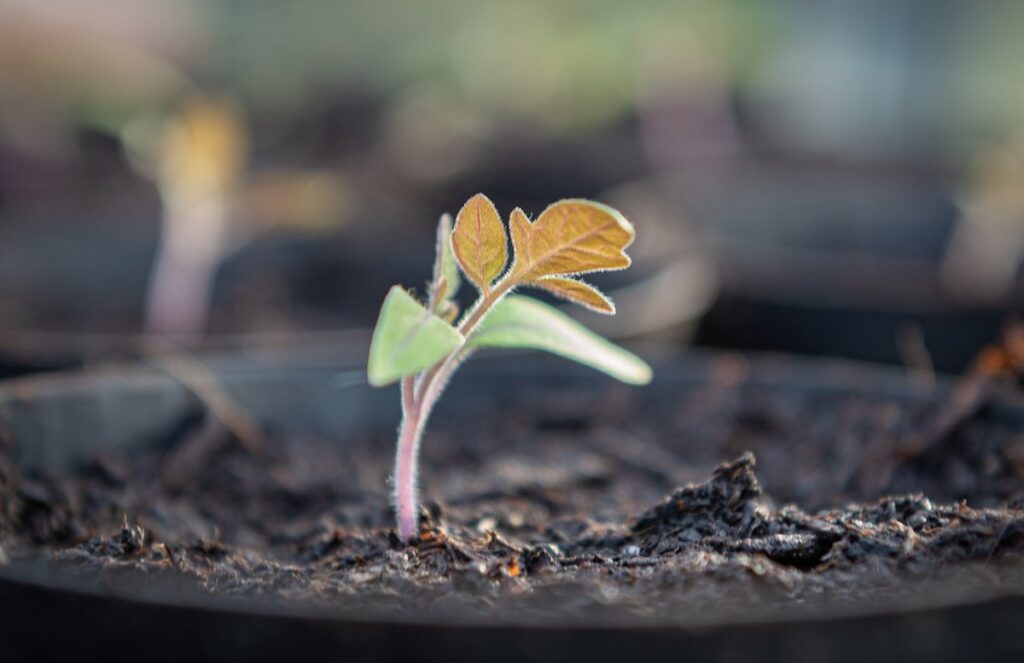
Understanding Tomato Seed Germination Basics
Let’s dive into the fundamentals of tomato seed germination, starting with understanding the basic requirements for successful germination and growth. We’ll explore what it takes to get those tiny seeds sprouting.
The Importance of Soil Temperature for Germination
When it comes to tomato seed germination, soil temperature plays a crucial role. Tomatoes require a specific temperature range for optimal germination. The ideal temperature for tomato seeds is between 70°F (21°C) and 80°F (27°C). If the temperature is too high or too low, it can affect the rate of germination and even lead to seed failure.
Germinating seeds at temperatures above 85°F (29°C) can cause them to sprout unevenly or develop poorly formed roots. On the other hand, temperatures below 60°F (15°C) can slow down or completely halt germination. This is why it’s essential to provide your tomato seeds with a consistent and optimal soil temperature during germination.
To achieve this, you can use a seed starting mat or a heated propagation tray to maintain a warm temperature. Alternatively, you can place the seed tray near a sunny window or under grow lights to promote even heat distribution. By keeping your soil temperature within the ideal range, you’ll be able to give your tomato seeds the best chance at successful germination and healthy growth.
Factors Affecting Germination Rates
When it comes to tomato seed germination, several factors can influence the rate at which seeds sprout. Light exposure is a critical factor, as most tomatoes require light to germinate. While some varieties can tolerate low light conditions, others may not grow at all without sufficient light. Providing adequate light can be as simple as placing the seeds near a sunny window or using grow lights.
Moisture levels also play a significant role in germination rates. Seeds need consistent moisture to germinate, but overwatering can prevent them from sprouting altogether. A general rule of thumb is to keep the soil moist but not waterlogged. You can achieve this by watering your seeds once a day or using a seed starting mix that retains just the right amount of moisture.
The quality of the seed itself is another essential factor. Fresh, high-quality seeds have a higher germination rate than old or low-grade seeds. When selecting seeds, look for varieties from reputable suppliers and check the expiration date on the packaging to ensure you’re getting fresh stock.
Seed Selection and Preparation
When it comes to tomato seed germination, selecting healthy seeds is crucial for successful growth. One of the most important factors in seed selection is viability – the ability of a seed to sprout and grow into a mature plant. Seeds that are past their expiration date or have been stored improperly may not be viable.
Check the packaging or documentation provided with your tomato seeds to ensure they are within their recommended germination period, which typically ranges from 12-18 months for tomato seeds. Store seeds in an airtight container, such as a glass jar or envelope, and keep them away from direct sunlight, heat sources, and moisture.
Proper storage conditions can greatly affect seed viability. Seeds stored at room temperature (around 70°F to 75°F) will typically last longer than those exposed to extreme temperatures or humidity fluctuations. To ensure the longest possible germination rate, store your tomato seeds in a cool, dry place until you’re ready to sow them.
Keep in mind that even with proper storage, seed viability can still decrease over time. If you’re unsure about the age or condition of your seeds, it’s always best to test their germination rate before sowing them in the garden.
Creating an Optimal Environment for Germination
To encourage healthy germination, you’ll need to create a suitable environment that mimics the natural conditions of tomato seed development. This includes selecting the right temperature and humidity levels.
Using Seed Starting Mix or Potting Soil
When it comes to tomato seed germination, the right starting mix or potting soil can make all the difference. A good seed starting mix or potting soil should have a few key characteristics: it should be well-draining, fertile, and free of debris.
Look for a mix that is specifically designed for seed starting, as these are typically formulated to provide the optimal balance of water retention and drainage. You can also opt for a high-quality potting soil, but be aware that these may contain more fertilizer than you need for germination.
One way to choose the right starting mix or potting soil is to read the label carefully. Look for keywords like “seed starting” or “germination,” as well as phrases indicating that the product is free of weed seeds and debris. You can also check out online reviews from other gardeners who have used the product.
Some popular seed starting mixes include Miracle-Gro Seed Starting Mix and Pro-Mix Seed Starting Mix. These products are specifically designed to provide optimal conditions for seed germination, and are a great choice if you’re new to growing tomatoes from seed.
When using any seed starting mix or potting soil, be sure to follow the instructions on the label carefully. This will help ensure that your seeds get off to a strong start and have the best chance of successful germination.
Providing Adequate Light and Watering
Light exposure and watering schedules are crucial for healthy tomato seed germination. Tomato seeds require a delicate balance of light and water to sprout successfully. Insufficient light can lead to weak and spindly growth, while excessive light can cause the seeds to become scorched.
For optimal germination, place the seeds about 1-2 inches below the surface of a well-draining seed starting mix. Water gently but thoroughly until the soil is moist but not waterlogged. Aim for the top inch of the soil to be consistently moist during the first week or two after sowing. You can use a watering can with a long spout to avoid overwatering the seeds.
To avoid underwatering, check the soil daily by inserting your finger into the soil up to the knuckle. If the soil feels dry, it’s time to water. Make sure not to get water on the leaves or crown of the seedling to prevent fungal diseases from developing. A general rule of thumb is to water when the top inch of soil feels dry to the touch.
Using a Greenhouse or Indoor Growing Space
Using a greenhouse or indoor growing space can be an excellent way to optimize conditions for tomato seed germination. These controlled environments allow you to tailor lighting, temperature, and humidity levels to meet the specific needs of your seeds.
One of the primary benefits of using a greenhouse or indoor growing space is the ability to regulate temperature. Tomato seeds typically require a consistent temperature between 70-80°F (21-27°C) for optimal germination. With an indoor growing space, you can easily maintain this temperature range, reducing the risk of temperature fluctuations that might inhibit germination.
Lighting is also crucial in these environments. While tomato seeds can germinate with as little as 12 hours of indirect light, they require more intense light to grow. Consider using LED grow lights or fluorescent lighting to provide your seedlings with the necessary spectrum and intensity for healthy growth.
Maintaining optimal humidity levels is another critical consideration when growing indoors. Tomato seeds prefer a humid environment, typically between 70-90% relative humidity, during germination. You can achieve this by misting the soil regularly or using a humidifier in conjunction with a propagation tray.
When choosing an indoor growing space, consider investing in a propagator with built-in temperature and humidity controls. This will allow you to monitor and adjust conditions as needed, ensuring optimal conditions for your seedlings from germination through transplanting.
Germinating Tomato Seeds Indoors and Outdoors
Before we dive into the specifics, let’s cover how to germinate tomato seeds both indoors using a variety of methods and outdoors in your garden. This will set you up for success later on.
Starting Seeds Indoors
Starting seeds indoors can be an effective way to get a head start on the growing season. To begin, you’ll need to prepare the soil by filling seed trays or small pots with a high-quality potting mix specifically designed for starting seeds. This type of mix is typically sterile and has the right pH level for optimal germination.
Next, sow your tomato seeds ¼ inch deep in the prepared soil. You can plant one or two seeds per cell, depending on their size and variety. Cover the seeds with a thin layer of potting mix to ensure they receive enough moisture without washing away.
Maintain temperatures between 65-75°F (18-24°C) for optimal germination. Avoid placing seedlings near heating vents, radiators, or drafty windows, as these can cause stress and hinder growth. Monitor the soil’s moisture level by sticking your finger into it up to the first knuckle; if it feels dry, water gently but thoroughly.
Keep in mind that some tomato varieties are more sensitive than others when it comes to indoor germination. Make sure to research specific needs for your chosen variety before starting seeds indoors.
Sowing Seeds Directly in the Garden
Sowing tomato seeds directly into outdoor gardens can be a straightforward and efficient way to get a head start on the growing season. When preparing the soil for direct sowing, consider the pH level and nutrient content. Tomatoes prefer slightly acidic to neutral soil with a pH between 6.0 and 7.0.
To ensure optimal growth, space tomato seedlings approximately 18-24 inches apart, depending on the variety. This allows for proper air circulation, reduces disease risk, and facilitates harvesting. When sowing seeds directly into the garden, keep in mind that soil temperature can be a limiting factor. Tomato seeds germinate best at temperatures between 70°F to 80°F (21°C to 27°C).
Provide some protection from extreme weather conditions by using row covers or cold frames if necessary. Avoid sowing seeds during periods of intense heat or rainfall, as this can lead to poor germination rates and weakened seedlings. By taking these simple steps, you’ll be well on your way to successful direct sowing in your outdoor garden.
Monitoring and Troubleshooting Germination Issues
If you’re facing issues with your tomato seed germination, we’ll walk you through some common problems and provide practical solutions to get your seeds thriving again. This includes identifying signs of healthy germination versus trouble spots.
Recognizing Common Germination Problems
Germination problems can be frustrating, especially when you’re eager to see your tomato seedlings thrive. However, by being aware of common issues, you can take proactive steps to address them and increase the chances of successful germination.
One of the most significant factors that affect germination is poor seed quality. If your seeds are old or of low viability, they may not germinate at all. To avoid this problem, make sure to purchase high-quality seeds from reputable suppliers. Check the packaging for any visible signs of damage or moisture, and store them in an airtight container.
Inadequate light or water can also hinder germination. Tomato seeds require a consistent temperature between 65-75°F (18-24°C) and adequate moisture to germinate. Ensure that your growing medium is moist but not waterlogged, and provide enough light – ideally direct sunlight or a grow light with a spectrum of 400-700nm.
Pests and diseases can also attack young seedlings, further complicating the issue. Be on the lookout for signs of infestation or infection, such as white powdery patches, black spots, or tiny insects crawling on the leaves. Use organic pest control methods whenever possible to minimize harm to your plants.
If you’re experiencing any of these problems, don’t panic! By identifying the root cause and taking corrective action, you can salvage your seedlings and get them back on track.
Strategies for Overcoming Germination Challenges
When encountering germination challenges with your tomato seeds, it’s essential to troubleshoot and adjust environmental conditions accordingly. To do this effectively, start by examining the seed itself – check for visible signs of damage, such as cracks or soft spots.
Next, review your seed starting mix: is it too dense or waterlogged? This can prevent seeds from accessing necessary oxygen for germination. Consider switching to a well-draining mix specifically designed for seed starting. If you’re growing in containers, ensure they have sufficient drainage holes.
Adjusting temperature and humidity levels can also improve germination rates. Tomato seeds typically require temperatures between 70°F to 85°F (21°C to 30°C) and a humid environment. If your space is too cold or dry, consider using heating mats or cloches to create a more favorable climate.
In extreme cases, try soaking the seeds in warm water for 24 hours before planting. This can help stimulate germination, but be cautious not to overwater – this can lead to root rot and other issues. By making these adjustments and tweaks, you’ll be better equipped to address germination problems and achieve successful seedling development.
Tips for Promoting Healthy Seedling Growth
Now that you’ve got your tomato seeds germinating, let’s focus on creating a solid foundation for healthy seedling growth, starting with these essential tips.
Nutrient Requirements for Young Tomato Plants
When young tomato seedlings emerge from the soil, they require a balanced diet of nutrients to support healthy growth. Macronutrients such as nitrogen (N), phosphorus (P), and potassium (K) are essential for seedling development.
Nitrogen promotes leaf growth and green coloration, making it a crucial nutrient for young tomato plants. A deficiency in nitrogen can lead to stunted growth and pale leaves. Phosphorus, on the other hand, is vital for root development and overall plant health. It helps to facilitate energy transfer within the plant, enabling seedlings to grow strong roots.
Micronutrients such as iron (Fe), zinc (Zn), and boron (B) also play a significant role in young tomato seedling growth. Iron is necessary for chlorophyll production, which enables photosynthesis. Zinc helps to regulate cell division and development, while boron aids in cell wall synthesis.
To ensure your young tomato seedlings receive the required nutrients, use a balanced fertilizer that contains NPK (nitrogen-phosphorus-potassium) at a ratio of 10-10-10. Add micronutrient-rich fertilizers according to the manufacturer’s instructions to supplement their diet. Regularly check the pH level of your soil and adjust it if necessary to maintain an optimal range for tomato seedlings, between 6.0 and 7.0.
Providing Support for Upright Growth
As your tomato seedlings begin to grow, it’s essential to encourage upright growth to prevent them from becoming leggy and weak. One of the most effective ways to achieve this is through pruning. Pruning involves removing lower leaves and weak growth tips, which allows the plant to focus its energy on producing a strong stem.
When pruning your tomato seedlings, be sure to remove any weak or spindly stems, as well as any leaves that are growing below the first set of true leaves. This will help prevent the development of “leggy” growth habits and encourage the formation of a robust stem. You can also use twine or clips to provide support for the seedling’s stem, keeping it upright and promoting healthy growth.
Another strategy for promoting upright growth is to train your tomato seedlings using a trellis or stake. By gently twining the stems around the trellis or staking them in place, you can help guide the plant’s growth and promote vertical development. This will not only make harvesting easier but also encourage the plant to produce more fruit.
To take it to the next level, consider using a tomato seedling support system specifically designed for this purpose. These systems usually consist of a sturdy base with clips or ties that allow you to gently guide the stem in place, keeping it upright and secure. By combining pruning, training, and support systems, you’ll be able to promote healthy, upright growth in your tomato seedlings and set them up for success as they mature into productive plants.
Frequently Asked Questions
Can I use any type of container for seed starting, or do I need specialized equipment?
You can use a variety of containers for seed starting, but it’s recommended to use ones with good drainage holes to prevent waterlogged soil. Seed trays, peat pots, or even yogurt cups can work well. However, if you’re planning to grow multiple seedlings, consider investing in a seed starter tray or propagator for efficient watering and reduced risk of fungal diseases.
How do I know when my tomato seeds have reached the optimal germination temperature?
A thermometer will help you monitor the soil temperature. For most indoor environments, it’s essential to maintain a consistent temperature between 70°F (21°C) and 80°F (27°C). You can also use a heating mat or seed starting heat dome for more precise control.
Can I sow tomato seeds directly into my garden without starting them indoors first?
While possible, sowing seeds directly outdoors can be challenging due to factors like weather conditions and soil temperature. Indoor seed starting allows you to provide optimal conditions, reducing the risk of germination failure and giving your seedlings a head start on the growing season.
What’s the ideal moisture level for tomato seed germination, and how do I maintain it?
Maintain a consistent moisture level by watering gently but thoroughly after sowing. The soil should feel moist but not waterlogged. Monitor the top 1-2 inches of soil for dryness, and adjust your watering schedule accordingly. Avoid overwatering, which can lead to fungal diseases and reduced germination rates.
Can I use regular potting soil for seed starting, or do I need a specialized seed starting mix?
Regular potting soil may not provide the optimal environment for seedlings. Seed starting mixes are specifically designed with finer particles and higher water-holding capacity, promoting healthy root development and reducing transplant shock when moving seedlings to larger containers.