
If you’re an avid gardener or just starting to experiment with growing your own vegetables, chances are you’ve come across okra on your list of crops to try. However, growing okra can be a bit tricky, especially when it comes to spacing. Planting okra too close together can lead to overcrowding, reduced yields, and even disease susceptibility – which is why getting the right spacing just right is crucial for optimal growth.
In this article, we’ll delve into the world of okra plant spacing, providing you with expert tips on how to give your okra plants the space they need to thrive. We’ll also explore companion planting techniques, using trellises to maximize vertical space, and share advice on managing pests and diseases that can plague okra crops. By the end of this article, you’ll be well-equipped to successfully cultivate a bountiful harvest of delicious okra at home.
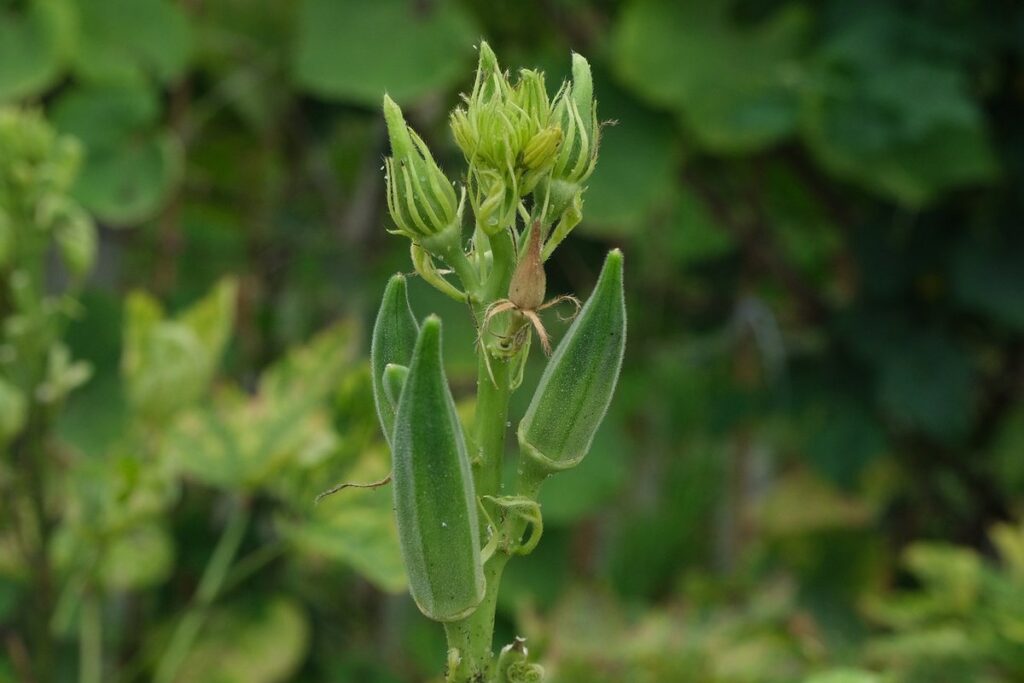
Understanding Okra’s Growth Requirements
To grow a healthy okra crop, it’s essential to understand how much space your plants require and what factors affect their growth. This includes temperature, humidity, and sunlight conditions.
Okra’s Space Needs for Optimal Growth
When it comes to growing okra, providing enough space for each plant is crucial for optimal growth and productivity. Overcrowding can lead to a multitude of problems, including reduced yields, increased disease susceptibility, and decreased air circulation around the plants.
Okra plants are naturally sprawling, with some varieties reaching up to 3-4 feet in diameter. When planted too closely together, their large leaves will compete for sunlight and space, leading to weakened growth and reduced fruit production. In fact, studies have shown that okra yields can be decreased by as much as 20% when plants are overcrowded.
To avoid these issues, make sure to plant okra at least 18-24 inches apart in both directions. This will give each plant enough room to spread out its leaves and absorb the necessary sunlight without competing with neighboring plants. By providing your okra with sufficient space, you’ll be able to enjoy a healthier, more productive crop.
Factors Influencing Okra Plant Spacing
When growing okra, it’s essential to consider several factors that influence the ideal plant spacing. One of the primary considerations is climate. In warm and humid climates, such as those found in tropical regions, okra plants can be spaced closer together, typically 12-18 inches apart. However, in cooler and drier climates, like those in temperate zones, okra plants should be spaced farther apart, around 24-36 inches.
Soil type is another crucial factor to consider when determining okra plant spacing. Okra prefers well-draining soil that’s rich in organic matter. If your soil is heavy clay or prone to waterlogging, it may be beneficial to space okra plants further apart (around 30-40 inches) to ensure good air circulation and prevent fungal diseases.
Finally, available sunlight also plays a significant role in determining the optimal plant spacing for okra. In areas with full sun (6+ hours of direct sunlight), you can get away with closer spacings, such as 18-24 inches apart. However, if your area receives partial shade or has limited sunlight, it’s best to space okra plants farther apart (around 36-48 inches) to ensure they receive sufficient light for photosynthesis and healthy growth.
Determining Proper Okra Plant Spacing for Your Garden
When planting okra, getting the spacing just right is crucial to promote healthy growth and prevent overcrowding, which can stunt your plants’ development. Let’s dive into the specifics of how much space you should leave between each okra plant.
Calculating Space Between Plants
To determine the ideal space between okra plants, you’ll need to consider their mature plant height and spread. Most okra varieties grow to be around 6-10 feet tall, with a spread of about 2-3 feet. However, some dwarf or compact varieties can thrive in smaller spaces, reaching heights of only 3-4 feet.
To calculate the ideal space between plants, start by measuring your garden bed and dividing it into rows. Consider the mature plant height and spread to determine how many plants you can fit comfortably in each row. A general rule of thumb is to leave about 18-24 inches between each plant, allowing for air circulation and easy access for harvesting.
Keep in mind that okra plants also require some space for their sprawling habit. Leaving too little space can lead to overcrowding, which can result in disease and pest issues. For example, if you’re planting a variety that grows 8 feet tall, leave about 2-3 feet between each plant to accommodate its spread. By considering the mature size of your okra plants, you’ll be able to create a well-spaced and thriving garden.
Using Gardening Guidelines for Okra Plant Spacing
When it comes to growing okra successfully, proper plant spacing is crucial. To ensure your crop thrives, follow these general gardening guidelines for okra spacing.
Typically, rows of okra plants should be spaced 3-4 feet apart. This allows for easy access and maintenance between the rows, as well as promoting good air circulation to prevent disease. If you’re planting in a smaller space or have limited room, consider using narrower rows with a minimum width of 2.5 feet.
Individual okra plants themselves should be spaced about 1-2 feet apart within each row. This spacing allows for the plants’ large leaves and stems to grow without overcrowding, which can lead to reduced yields and increased susceptibility to pests and diseases. To give your okra crop the best chance at success, aim for a balanced spacing between rows (3-4 feet) and within rows (1-2 feet). This balance will help promote healthy growth and maximize your harvest.
Okra Varieties and Their Planting Requirements
When it comes to growing okra, selecting the right variety is crucial for your success, as different types thrive in various conditions. Let’s explore some popular okra varieties and their unique planting requirements.
Understanding Okra Variety Characteristics
When it comes to okra plant spacing, one crucial factor to consider is the unique characteristics of different okra varieties. Each variety has its own set of traits that can affect how much space they require to grow optimally.
For instance, some popular okra varieties like ‘Clemson Spineless’ and ‘Red Burgundy’ are known for their tall stature, growing up to 6 feet or more in height. These varieties tend to spread out quite a bit, requiring at least 18-24 inches of space between plants to prevent overcrowding.
On the other hand, compact varieties like ‘Dwarf Red’ and ‘Green Okra’ are bred specifically for smaller spaces, making them ideal for container gardens or small plots. They typically require only 12-18 inches of space between plants.
When selecting an okra variety, consider your available space and plan accordingly. Make sure to check the specific growing requirements for each variety you choose to ensure you’re providing the right amount of room for them to thrive. By choosing a variety that suits your space needs, you can enjoy a healthy and productive okra crop.
Choosing the Right Okra Variety for Your Space
When it comes to growing okra, choosing the right variety is crucial for achieving a bountiful harvest. With so many varieties available, selecting one that suits your space can be overwhelming. Consider your available space and climate when making your selection.
For smaller spaces, compact or dwarf okra varieties like ‘Clemson Spineless’ or ‘Red Burgundy’ are ideal. These varieties grow to a height of around 3-4 feet, allowing for closer planting distances without sacrificing yields.
If you have more space to work with, look for heirloom or larger varieties like ‘Cajun Delight’ or ‘ Clemson Spineless’. These can grow up to 6-8 feet tall and require more space between plants. Consider the mature size of each variety and leave enough room for air circulation and sunlight penetration.
Some popular okra varieties also come with unique characteristics, such as disease resistance or heat tolerance. When selecting a variety, research its specific requirements to ensure it thrives in your local climate.
Planting Techniques to Promote Healthy Growth
To ensure a thriving okra crop, mastering effective planting techniques is crucial. Let’s dive into some expert-approved methods for promoting healthy growth from seed to harvest.
Companion Planting with Okra
Companion planting with okra is an effective way to promote healthy growth and prevent pests from destroying your crop. By strategically planting other vegetables alongside okra, you can create a balanced ecosystem that benefits from the unique properties of each plant.
For example, planting basil and mint near okra can help deter aphids and whiteflies, two common pests that target okra plants. These herbs contain compounds that repel these insects, reducing the need for pesticides. Additionally, basil has been shown to improve soil health by increasing the availability of nutrients for other plants, such as nitrogen.
Other beneficial companion plants for okra include nasturtiums, which attract beneficial insects like lacewings and hoverflies that prey on aphids and other pests, and radishes, which help break up compacted soil and make it easier for okra roots to grow. To get started with companion planting, choose a variety of okra that is suitable for your climate and growing conditions. Then, research the specific needs and benefits of each companion plant and plan your garden accordingly.
When selecting companion plants, keep in mind that they should have different growing requirements than okra to avoid competition for resources. This ensures that both the okra and companion plants thrive together. By incorporating these simple tips into your gardening routine, you can create a thriving ecosystem that promotes healthy growth and minimizes pest damage.
Using Trellises or Supports for Indeterminate Okra Varieties
When growing indeterminate okra varieties, it’s essential to provide support for their tall stems. These plants can grow up to 6 feet or more, making them prone to toppling over in the wind. To keep them upright and promote healthy growth, consider using trellises or supports.
You can use a sturdy trellis, such as a 6-foot-tall metal or wooden frame, to provide support for your indeterminate okra plants. Bury the trellis 12 inches deep into the soil to prevent it from becoming top-heavy and tipping over. Alternatively, you can also use individual stakes for each plant, driving them about 2-3 feet deep into the ground.
Regularly tie the stems of your okra plants to the trellis or stake using soft ties like twine or cloth strips. This will keep the plants upright and encourage vertical growth. Be sure to prune any lower branches that might be competing with the main stem for nutrients, promoting a single main stem to grow upwards.
For example, some popular indeterminate okra varieties include ‘Clemson Spineless’ and ‘Red Burgundy’. When growing these varieties, use a sturdy trellis or support system to keep them upright and promote healthy growth.
Common Challenges Associated with Overcrowding
When not given enough space, okra plants can quickly become overcrowded, leading to a host of problems that can impact your harvest. This is where we’ll explore these common challenges in more detail.
Managing Pests and Diseases in Overcrowded Okra Plants
When okra plants are overcrowded, they become more susceptible to pests and diseases. This is because densely packed leaves create an ideal environment for fungal spores and insects to thrive. For instance, powdery mildew can spread rapidly through the crowded plants, causing significant damage.
To manage these issues, it’s essential to maintain good air circulation between your okra plants. You can achieve this by pruning or thinning out weak or damaged leaves, allowing sunlight to reach all areas of the plant. This will help prevent fungal diseases from taking hold.
In addition, keep a close eye on your plants for signs of pests like aphids, whiteflies, and spider mites. Use neem oil or insecticidal soap to control infestations early on. Also, avoid overwatering, which can exacerbate disease problems.
Monitor your okra plants regularly, and take prompt action if you notice any issues. By adopting these preventative measures, you can reduce the risk of pests and diseases in overcrowded okra plants and promote a healthy, thriving crop. Regularly inspecting your plants will also help you catch potential problems before they spread.
Reducing Yields Due to Overcrowding
When okra plants are overcrowded, their yields can suffer significantly. This is because crowded plants compete for resources like water, nutrients, and sunlight, leading to weaker growth and reduced fruit production. In fact, a study by the University of Florida found that okra yields can decrease by up to 50% when plants are spaced too closely.
To avoid this issue, it’s essential to give your okra plants enough space to grow. The ideal spacing for okra depends on the variety, but a general rule of thumb is to plant them 12-18 inches apart in rows that are 3 feet apart. This allows each plant to receive adequate sunlight and air circulation.
If you’ve already planted your okra too closely together, don’t worry – there’s still hope for improvement. Simply remove any weak or spindly plants to give the remaining ones more room to breathe. You can also prune back overgrown plants to encourage bushy growth and prevent them from becoming leggy. By giving your okra the space it needs, you’ll be rewarded with a healthier crop and better yields.
Tips for Maintaining Healthy Okra Plants with Proper Spacing
To ensure your okra plants thrive, it’s crucial to maintain proper spacing between them, which also helps prevent disease and encourages healthy growth. Let’s explore some valuable tips for spacing out your okra crop.
Regular Maintenance Tasks for Optimal Growth
To ensure that your okra plants grow and thrive with optimal spacing, regular maintenance tasks are crucial. This includes watering them deeply but infrequently to encourage deep root growth, which will help them withstand hot weather conditions.
Proper fertilization is also vital for healthy growth. Use a balanced fertilizer during the early stages of plant development, about 2-3 weeks after transplanting. Then, switch to a high-phosphorus fertilizer once they start producing flowers and okra pods. This will promote healthy fruiting and pod set.
Additionally, regular pruning is necessary to maintain air circulation between plants, prevent disease, and encourage bushy growth. Remove any weak or damaged branches, as well as those growing outside the designated spacing area. Prune your okra plants every 1-2 weeks during the growing season to keep them healthy and productive. By incorporating these maintenance tasks into your routine, you’ll be able to enjoy a bountiful harvest of delicious okra from your carefully spaced garden beds.
Monitoring Plant Health and Adjusting Spacing As Needed
Monitoring plant health is crucial when growing okra, and adjusting spacing as needed can make all the difference between a bountiful harvest and overcrowded plants. To ensure your okra plants receive adequate air circulation, water, and sunlight, regularly inspect them for signs of stress or disease.
Check for yellowing leaves, droopy stems, or an overabundance of aphids – these are often indicative of spacing issues. If you notice any of these symptoms, reassess the spacing between your okra plants. A good rule of thumb is to provide at least 12-18 inches of space between each plant.
Adjust the spacing by thinning out weaker or smaller plants, or transplanting them elsewhere in the garden. This will give the remaining plants room to grow and prevent disease from spreading. Keep in mind that okra plants are heavy feeders, so ensure they receive enough nutrients by using compost or well-balanced fertilizer.
By monitoring plant health and adjusting spacing as needed, you’ll be able to promote healthy growth and maximize your okra crop’s potential.
Frequently Asked Questions
Can I Plant Okra Closely Together for a Higher Yield?
While it may seem counterintuitive, planting okra too close together can actually lead to reduced yields due to overcrowding. Yes, providing sufficient space between plants is crucial for optimal growth and productivity. Aim to plant okra at least 12-18 inches apart, depending on the variety.
How Do I Know if My Okra Plants Need More Space?
Keep a close eye on your okra plants’ growth patterns. If you notice leaves or stems becoming crowded, or if air circulation appears reduced, it’s likely time to adjust spacing. Regularly monitor plant health and adjust spacing as needed for optimal growth.
Can I Use Companion Planting with Okra Varieties that Require Different Spacing?
Yes, companion planting can be a great way to optimize space in your garden while promoting healthy growth among various okra varieties. Some popular companion plants include basil, marigold, and nasturtiums, which help deter pests and attract beneficial insects.
Will Trellises or Supports Impact Okra Plant Spacing?
Using trellises or supports for indeterminate okra varieties can actually increase spacing while maximizing vertical space. By providing a support system, you can plant okra closer together while still ensuring adequate air circulation and sunlight penetration.
How Often Should I Check for Pests and Diseases in My Okra Plants?
Regular monitoring is key to preventing pest and disease issues. Set aside time each week to inspect your plants closely, looking for signs of infestation or infection. Early detection allows you to take prompt action and prevent overcrowding-related problems from arising.