
When it comes to gardening and agriculture, choosing the right type of seed is crucial for success. But with so many options available, it can be overwhelming to know where to start. Did you know that seeds come in various shapes, sizes, and classifications? From tiny grass seeds to large sunflower seeds, each type has its own unique characteristics that affect germination rates, growth patterns, and overall yield.
In this comprehensive guide, we’ll take you on a journey through the fascinating world of seeds, exploring different types by classification, structure, germination method, and dormancy. We’ll also delve into the importance of choosing the right seed type for your specific needs, covering everything from flower gardening to commercial agriculture. Whether you’re a seasoned gardener or just starting out, this article will help you make informed decisions about selecting the perfect seeds for your projects.
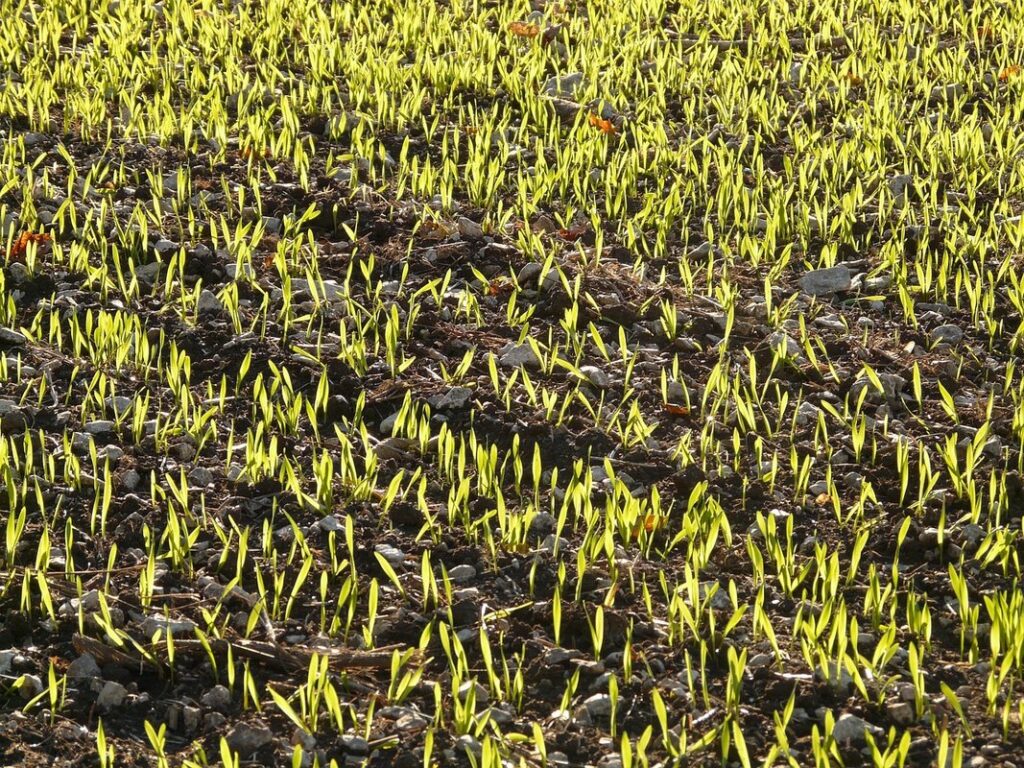
Understanding Seed Classification
Let’s dive into the world of seed classification, where we’ll explore how seeds are grouped and categorized based on their unique characteristics. This helps us better understand what to expect from each type of seed.
Monocot Seeds
Monocot seeds are one of the two main categories of seed classification, alongside dicot seeds. These seeds come from plants that have a single cotyledon (seed leaf) in their embryos. In other words, monocots have a single seed leaf, which is usually small and simple.
Some common examples of monocot seeds include corn, wheat, rice, and many types of grasses. One key characteristic of monocot seeds is the presence of parallel veins on their leaves. This can be seen in plants like bamboo and sugarcane, where the leaves have prominent parallel veins running along their length.
Monocots also tend to have flowers with three petals or multiples of three (such as six). The arrangement of these flowers often follows a specific pattern, such as in corn, where male and female flowers grow on separate parts of the plant. Understanding the characteristics of monocot seeds can help gardeners and farmers choose the right varieties for their needs.
Keep an eye out for the unique adaptations that monocots have evolved to thrive in different environments.
Dicot Seeds
Dicot seeds are one of the most common types found in gardens. They belong to the dicotyledonous plant family, characterized by their two cotyledons or seed leaves that emerge during germination. To identify a dicot seed, look for these distinctive features: two visible cotyledons when planted, broad leaf shapes, and typically small seeds.
Some of the most common dicot species found in gardens include marigolds, zinnias, sunflowers, and lettuce. These plants are often annuals or tender perennials that thrive in temperate climates with adequate moisture and sunlight. When sowing dicot seeds, it’s essential to ensure proper soil temperature and depth. For example, marigold seeds typically require a shallow sowing depth of about 1/8 inch.
To increase the chances of successful germination, mix the seeds with a small amount of water before planting. This helps the seed coat soften, allowing the embryo to emerge more easily. By following these simple steps and selecting the right dicot species for your garden, you can enjoy vibrant blooms and crisp greens throughout the growing season.
Gymnosperm Seeds
Gymnosperm seeds are an essential part of plant reproduction, and understanding their characteristics can be beneficial for gardening enthusiasts. Gymnosperms, also known as “naked-seeded” plants, have been around since the time of dinosaurs. They’re characterized by their unique seed production method, where seeds develop on scales or cones without a protective fruit.
Examples of gymnosperm seeds include those from pine and spruce trees. These seeds are often small, winged, and designed for wind dispersal. For instance, a single pine seed can travel up to 100 feet in the right conditions, thanks to its tiny wings. This adaptation allows gymnosperms to spread quickly across vast areas, making them highly successful in various environments.
Notable examples of gymnosperm seeds include cones from coniferous trees like pines and spruces. These seeds are crucial for their reproduction process and play a vital role in the life cycle of these plants. Understanding how gymnosperm seeds develop and disperse can help you better appreciate the diversity of plant species and potentially inform your gardening practices.
Seed Forms: Classification Based on Structure
Seeds come in a variety of shapes and structures, which are key factors in determining their classification. Let’s take a closer look at how seeds are categorized based on their unique forms.
Endospermic Seeds
Endospermic seeds are a unique category characterized by their endosperm storing nutrients and starch. This type of seed is essential for human consumption and serves as a primary food source globally. The notable features of endospermic seeds include the presence of an endosperm, which is the starchy tissue surrounding the embryo. This layer provides nourishment to the developing plant.
In terms of structure, endospermic seeds often have three distinct layers: the outer pericarp, middle mesocarp, and inner endosperm. The endosperm itself stores carbohydrates in the form of starch granules. Examples of endospermic seeds include wheat, rice, maize, and barley. These grains are staple crops worldwide due to their high yield potential and adaptability.
Wheat and rice are among the most widely consumed endospermic seeds globally. The majority of people rely on these staples for daily sustenance. To identify an endospermic seed, examine its texture, taste, and nutritional content. These seeds typically have a softer texture than non-endospermic types due to their starchy composition.
Exalbuminous Seeds
Exalbuminous seeds are one of the three main categories of seeds based on their structure. Unlike albuminous seeds, which have an inner seed coat that surrounds a fleshy embryo, exalbuminous seeds lack this inner layer. Instead, they have a hard outer shell that protects the embryo.
This type of seed is often found in plants such as conifers and cycads. For example, pine trees produce cones with scales that contain exalbuminous seeds. These seeds are relatively small and dry, with a single cotyledon (seed leaf) that emerges during germination.
Some notable species that produce exalbuminous seeds include the California nutmeg tree (Torreya californica) and the dawn redwood (Metasequoia glyptostroboides). These trees have adapted to produce seeds without an inner seed coat, likely due to their evolutionary history as drought-tolerant plants.
If you’re trying to identify a plant with exalbuminous seeds, look for cones or fruits that contain small, hard seeds. Note the number of cotyledons and the presence of any fleshy structures surrounding the embryo. This will help you distinguish between different types of seed structures and get closer to understanding the unique characteristics of each type of seed.
Non-endospermic Seeds
Non-endospermic seeds are those that do not contain an endosperm, which is a crucial component of most seeds. An endosperm is the part of the seed responsible for nourishment and development during germination. In non-endospermic seeds, this function is often taken over by other structures or tissues within the seed.
These types of seeds are relatively rare in nature but can be found in certain plant species such as conifers, cycads, and some species of palms. An example of a non-endospermic seed is the cone of the pine tree. The seeds produced by these plants lack an endosperm, relying instead on stored nutrients within the embryo to sustain growth.
When it comes to cultivation, non-endospermic seeds present unique challenges due to their limited nutritional resources. Growers must take special care when handling and storing these seeds, as they require more precise conditions for optimal germination rates. For instance, some researchers have found that soaking non-endospermic seeds in water or a nutrient solution can increase their chances of successful germination.
Overall, understanding the unique characteristics of non-endospermic seeds is essential for effective cultivation and propagation. By recognizing these differences, growers can better tailor their techniques to suit the specific needs of these seed types.
Seed Types by Germination Method
When it comes to growing plants from seed, understanding the different types of seeds can be a game-changer. Let’s dive into how seeds are categorized by their germination method.
Direct Seeding
Direct seeding is an efficient method for planting seeds directly into the soil without prior sowing in a nursery. This approach eliminates the need for seedlings to be transplanted, reducing root disturbance and shock. Suitable plant species for direct seeding include vegetables like lettuce, spinach, and beans, as well as annual flowers like marigolds and zinnias.
Some advantages of direct seeding include improved germination rates due to reduced handling, and increased efficiency in larger-scale farming operations. However, it’s essential to choose the right seeds for direct seeding, as some varieties are more tolerant of soil conditions than others.
Proper technique is also crucial; make sure to sow seeds at the correct depth and spacing, usually 1-2 inches deep and 6-12 inches apart, depending on the specific plant species. By following these guidelines and selecting suitable seed types for direct seeding, gardeners can enjoy successful harvests without the hassle of transplantation.
When direct sowing seeds, ensure that the soil is well-prepared, with adequate moisture and aeration. For optimal results, sow seeds when the soil temperature is within the ideal range for the specific plant species, usually between 60-80°F (15-27°C).
Indirect Seeding
Indirect seeding involves using an intermediate step to germinate seeds before they’re transplanted into their final location. This method is particularly useful for seeds that struggle with direct sowing, such as those requiring specific temperatures or light conditions. One common approach to indirect seeding is using seed starters, which provide a controlled environment for seeds to germinate.
Seed starters typically consist of small containers filled with a growing medium, and are designed to accommodate the unique needs of various plant species. They allow gardeners to simulate ideal germination conditions by regulating temperature, moisture, and light exposure. For example, if you’re trying to grow delicate herbs or seedlings that require high humidity, a seed starter can provide the perfect environment.
Another option for indirect seeding is using nurseries. These specialized facilities offer optimal growing conditions for seeds and young plants, allowing them to develop before being transplanted into gardens or larger containers. By leveraging these resources, gardeners can enjoy higher success rates with even the most finicky seed types.
Stratification Methods
When it comes to germinating seeds that require a controlled environment, stratification methods come into play. Stratification is the process of mimicking natural environmental conditions to stimulate seed germination. There are three main types of stratification techniques: cold stratification, warm stratification, and controlled environments.
Cold stratification involves exposing seeds to temperatures between 32°F (0°C) and 45°F (7°C) for a period of 30 to 120 days. This method is ideal for seeds that naturally go dormant during winter months. For example, tomato and pepper seeds require cold stratification to break their dormancy.
Warm stratification, on the other hand, involves exposing seeds to warmer temperatures between 65°F (18°C) and 75°F (24°C). This method is suitable for seeds that germinate quickly in warm conditions. Some examples of seeds that benefit from warm stratification include lettuce and spinach.
Controlled environments use specialized equipment such as greenhouses or growth chambers to replicate natural environmental conditions. These systems allow for precise control over temperature, humidity, and light exposure. While expensive, controlled environments are ideal for large-scale seed germination and can be particularly useful in regions with harsh climates.
When using stratification methods, it’s essential to research the specific requirements of your seeds to ensure optimal results.
Seed Types Based on Dormancy
Let’s explore the fascinating world of seeds that require a little extra time to get growing, including those that need cold temperatures and others that can be coaxed into life quickly.
Primary Dormancy
Primary dormancy occurs when seeds remain dormant due to internal factors, even after receiving sufficient moisture and favorable temperatures. This state is triggered by various causes, including the presence of inhibitory compounds within the seed itself or its covering layers.
For instance, some species like lettuce and onions have high concentrations of abscisic acid, a hormone that suppresses germination. Similarly, seeds covered with thick coats, such as those of the cactus, may contain inhibitors that delay germination. In these cases, breaking dormancy often requires scarification or removal of the seed coat to expose the embryo.
Some plants are more prone to primary dormancy than others, including certain varieties of beans, peas, and radishes. These seeds typically require a cold stratification period to break their dormancy before they can germinate. Understanding these characteristics is crucial for gardeners, as it allows them to tailor their planting schedules and storage conditions accordingly.
To determine if your seeds exhibit primary dormancy, observe how they respond to different environmental conditions.
Secondary Dormancy
Secondary dormancy is a phenomenon where seeds exhibit dormancy after breaking their primary dormancy. This can occur due to various factors such as environmental conditions, temperature fluctuations, or even the presence of certain chemicals.
One characteristic of secondary dormancy is that it can be reversible. For instance, if a seedling has been under stress, exposure to warmer temperatures or light can help break the secondary dormancy and stimulate growth. On the other hand, some seeds may require specific treatments such as cold stratification or scarification to overcome this secondary dormancy.
Plants like Aesculus glabra (Ohio buckeye) and Quercus robur (English oak) exhibit secondary dormancy in nature. These species have adapted to survive in environments with changing temperatures and moisture levels, making them more resilient but also more challenging to cultivate.
To identify seeds that exhibit secondary dormancy, gardeners can look for signs such as a hard seed coat or a lack of germination despite optimal conditions. Recognizing these characteristics can help growers take the necessary steps to facilitate successful germination and ensure healthy plant development.
Ephemeral Seeds
Ephemeral seeds are a type of seed that has a unique characteristic – they have a very short lifespan. These seeds can remain viable for only a few weeks to months after being harvested, and they require specific conditions to germinate. One notable example of ephemeral seeds is the castor bean (Ricinus communis), which can stay dormant for only 6-8 weeks.
To increase the chances of successful germination, it’s essential to plant ephemeral seeds as soon as possible after harvesting. This can be done by sowing them directly in a nursery or greenhouse with optimal temperatures and moisture levels. For example, castor beans typically thrive when planted at a temperature between 65-75°F (18-24°C) with consistent moisture.
When planting ephemeral seeds, it’s also crucial to maintain proper humidity levels to prevent drying out. Some gardeners use seed starting mixes or create a mini-greenhouse effect by covering the container with plastic wrap. Regular monitoring of the seed’s environment will help ensure that these delicate seeds germinate and grow into healthy plants.
Hybrid Seed Types
Hybrid seeds are a popular choice among gardeners, offering improved yields and disease resistance compared to traditional open-pollinated varieties. Let’s take a closer look at some of the most common hybrid seed types used in gardening today.
F1 Hybrid Seeds
F1 hybrid seeds are a result of cross-pollination between two distinct parent lines, each with its unique characteristics. This process enhances desirable traits such as yield, disease resistance, and pest tolerance. The advantages of F1 hybrid seeds include improved crop performance, increased yields, and better adaptability to various environmental conditions.
However, there are also some disadvantages associated with F1 hybrid seeds. One major con is the high cost due to the proprietary nature of the parent lines. Farmers must purchase new seeds every season as they cannot save or reuse the harvested seeds from previous years’ crops. This can be a significant financial burden for small-scale farmers.
Examples of notable F1 hybrids include corn, sunflowers, and soybeans. These varieties have been bred specifically to optimize production and minimize waste. For instance, many modern corn hybrids are designed to mature in 60-70 days, allowing multiple harvests per season.
Inbred Lines
Inbred lines are a type of seed that has undergone selective breeding to increase uniformity and consistency within a specific crop. This process involves crossing two homozygous parental lines to produce offspring with predictable traits, such as desirable disease resistance or improved yields.
The creation of inbred lines typically begins by selecting individual plants from a large population based on their unique characteristics. These selected plants are then self-pollinated multiple times to “purify” their genetic makeup, reducing the likelihood of genetic recombination and increasing the chances that the offspring will exhibit consistent traits. This process can take several generations, with each cycle focusing on further refinement.
Inbred lines have significant implications for plant breeding as they provide a foundation for hybrid seed production. By combining two highly uniform inbred lines, breeders can create hybrids that offer improved performance over their parent lines. The goal of developing inbred lines is to produce seeds that are not only reliable but also adaptable to diverse growing conditions, ensuring consistency across different environments.
Conclusion: Choosing the Right Seed Type
When it comes down to selecting the right seed type for your garden or project, there are several factors to consider. Think about what you want to achieve and choose a seed that will help you meet those goals. For example, if you’re looking for high-yielding seeds for commercial purposes, hybrid or heirloom varieties might be the way to go. However, if you’re growing for personal use or preserving a specific crop’s unique characteristics, open-pollinated or heirloom seeds may be your best bet.
In addition to considering the intended use of the seeds, it’s also important to think about environmental factors such as climate and soil type when selecting seed types. By choosing a seed that is well-suited to your local conditions, you’ll have better success with germination rates and overall plant health.
Frequently Asked Questions
How can I apply seed classification to my own gardening projects?
Understanding seed classification is essential for selecting the right seeds for your garden. By knowing whether you need monocot or dicot seeds, you’ll be able to choose varieties that suit your specific needs and growing conditions. Consider the characteristics of each type and how they’ll perform in your local climate.
What are some common challenges when working with direct seeding versus indirect seeding methods?
Both direct and indirect seeding methods have their own set of challenges. Direct seeding is often used for seeds that don’t require stratification, but it can be more labor-intensive. Indirect seeding, on the other hand, involves a cold treatment to simulate winter conditions, which can slow down germination rates. Consider the specific requirements of your seed type and choose the method that best suits your needs.
Can I use hybrid seeds in my flower garden?
Yes, hybrid seeds are bred for specific traits like high yields or resistance to disease. While they’re commonly used in commercial agriculture, you can also use them in your home garden to achieve similar benefits. However, keep in mind that hybrid seeds often don’t produce seeds of their own, so you may need to continue purchasing new seed stock.
How do I determine the right amount of space for my seeds to grow?
The right amount of space will depend on the mature size of your plants and how densely you want them to be planted. Consider factors like sunlight, air circulation, and soil quality when determining the ideal spacing for your specific variety. A general rule of thumb is to plant seeds at 1-2 times their mature width.
Can I store my seeds long-term without losing viability?
Yes, many types of seeds can be stored for extended periods if properly dried and packaged. However, some seeds like those with a hard outer coat may require additional protection from moisture and temperature fluctuations. Research specific storage requirements for your seed type to ensure they remain viable for future planting seasons.