
If you’re a gardener looking to take your outdoor space to the next level, using garden beds is an absolute game-changer. Not only do they provide a beautiful and organized way to display your plants, but they also offer numerous benefits that can enhance your yard’s aesthetic appeal and make gardening easier and more sustainable. By creating individual garden beds, you’ll be able to improve soil quality, increase plant yield and diversity, and reduce maintenance efforts. But what really sets garden beds apart is their ability to promote sustainable gardening practices – a must for any eco-conscious gardener. In this article, we’ll delve into the many advantages of using garden beds and explore how they can transform your yard into a thriving oasis that’s both beautiful and environmentally friendly.
Benefits of Garden Beds
Now that we’ve covered what garden beds are, let’s dive into the benefits they can bring to your yard and gardening experience. You’ll discover how garden beds can simplify gardening for you and more.
Improves Soil Quality and Structure
When you create garden beds in your yard, one of the most significant benefits is the improvement it brings to soil quality and structure. Healthy soil is essential for plant growth, but many gardens struggle with poor drainage, compacted dirt, and limited root space. Garden beds address these issues by allowing for better aeration, drainage, and root growth.
Garden beds are typically raised above ground level, which gives roots more room to expand and absorb nutrients from the surrounding soil. This increased space also allows water to penetrate deeper into the soil, reducing the risk of waterlogged patches and promoting healthy microbial activity. As a result, plants in garden beds tend to grow stronger, healthier, and more resilient.
To create garden beds that improve soil quality and structure, start by loosening the existing soil to a depth of 8-10 inches. Add organic matter like compost or well-rotted manure to increase nutrient levels and improve drainage. Mulch the surface to retain moisture and suppress weeds, which can compete with your plants for water and nutrients.
Regularly inspecting and maintaining your garden beds will also help prevent issues like compacted soil, poor aeration, and limited root growth. By doing so, you’ll be creating an optimal environment for your plants to thrive, resulting in healthier crops and a more vibrant garden ecosystem.
Enhances Aesthetic Appeal
When you carefully design and plant garden beds, they can instantly elevate the aesthetic appeal of your entire yard. One of the most noticeable benefits is the reduction of weed visibility. By containing plants within a designated area, garden beds help to minimize the unsightly appearance of weeds that often take over lawns and other areas.
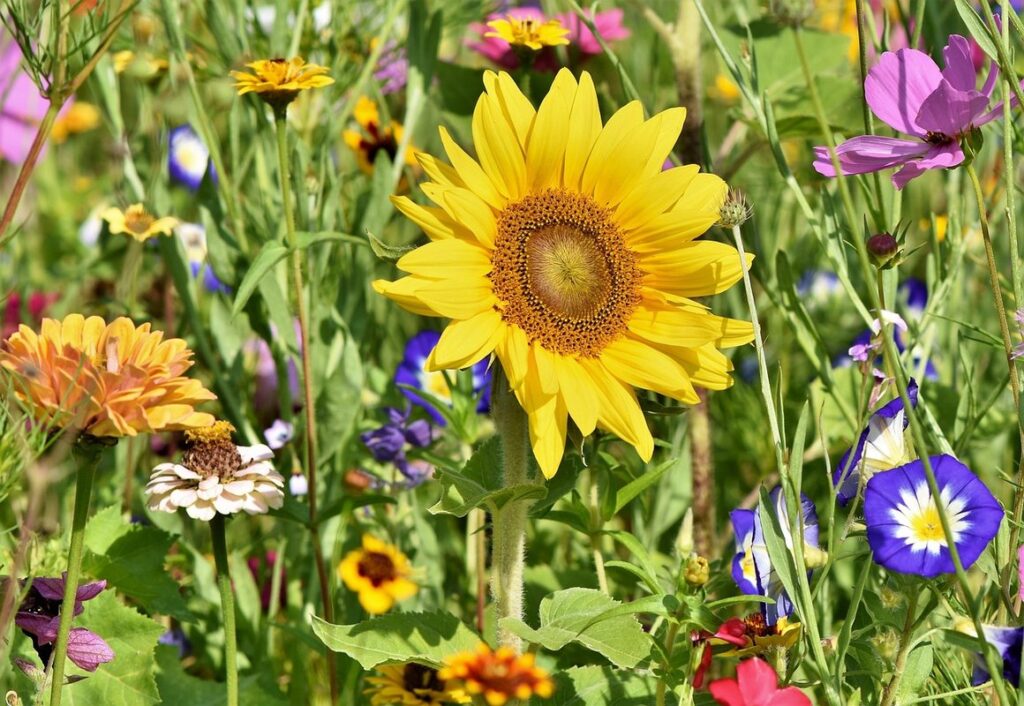
Increased plant diversity is another visual benefit of garden beds. By grouping plants with different textures, colors, and heights together, you can create visually appealing displays of foliage and flowers. For example, combining tall stalks like sunflowers or corn with shorter varieties like petunias or creeping thyme creates a dynamic and engaging landscape.
To maximize the aesthetic appeal of your garden beds, consider the following tips: choose plants that complement each other in terms of texture, color, and growth habits; use a mix of flowering and foliage plants to create visual interest throughout the growing season; and don’t be afraid to get creative with plant placement and arrangement.
Increases Plant Yield and Diversity
When you create garden beds in your yard, you open up endless possibilities for growing a diverse array of plants. Unlike traditional row planting methods where space is often wasted between rows, garden beds allow for maximum use of every inch of soil. This means you can plant multiple types of vegetables, fruits, and flowers together in one area, increasing overall yield without needing to expand your yard.
For instance, you could create a bed dedicated to leafy greens like lettuce, kale, and spinach, alongside herbs like basil and rosemary. On the other side, grow a mix of cherry tomatoes, cucumbers, and zucchini. By growing multiple plants together, not only do you minimize space but also reduce waste – no more throwing away unsold produce because it didn’t make it to market.
Another key benefit is that garden beds can thrive in as little as 3×4 feet of space, perfect for small gardens or urban spaces with limited room.
Reduces Maintenance Efforts
One of the biggest benefits of using garden beds is that they reduce maintenance efforts, making it easier to keep your yard looking its best. We’ll explore how garden beds can simplify yard work.
Reduces Weeding and Mulching Tasks
When you use garden beds in your yard, one of the most significant advantages is that it reduces weeding and mulching tasks. Contained gardening allows you to create a dedicated space for your plants, keeping weeds from encroaching into your carefully curated area.
This contained environment means fewer weeds will sprout up around your plants, eliminating the need to constantly remove unwanted growth. Weeds thrive in loose soil with ample sunlight, which is exactly what garden beds offer. However, when you use raised garden beds or container gardens, you can control the type of soil and how much sunlight reaches each plant, making it harder for weeds to compete.
Mulching needs also decrease significantly in a contained gardening setup. By limiting access to your plants, you reduce the likelihood that mulch will be disturbed or washed away by rain. This means less time spent replenishing mulch and more time devoted to nurturing your garden.
Simplifies Watering and Fertilization
When you create garden beds, one of the most significant benefits is the way they simplify watering and fertilization. This is because the raised design of garden beds allows for better soil retention, which means that water and nutrients are retained within the bed rather than draining away.
In contrast to traditional in-ground gardens, where water can quickly seep into the surrounding soil, garden beds create a self-contained environment that helps reduce evaporation and runoff. This is especially important during hot summer months when plants need consistent moisture. By minimizing water waste, you’ll save yourself time and money on irrigation costs.
Similarly, the improved soil retention in garden beds also reduces the need for fertilizers. Since nutrients are retained within the bed, there’s less likelihood of them being washed away, which means you can use fewer fertilizers to achieve the same results. This not only saves you money but also reduces your environmental impact. With a well-designed garden bed, you’ll enjoy healthier plants and reduced maintenance efforts overall.
Encourages Sustainable Gardening Practices
When you use garden beds, not only do you enjoy reduced maintenance efforts but also contribute to sustainable gardening practices. By containing soil and plants within a designated area, garden beds minimize waste and promote efficient resource use.
This eco-friendly approach starts with the initial setup of your garden bed. For instance, by using wood or composite materials for the frame, you can choose durable options that reduce the need for frequent replacements and subsequent waste disposal. Moreover, incorporating composting into your gardening routine helps retain soil moisture, suppress weeds, and reduce the reliance on chemical fertilizers.
As a result, garden beds enable you to adopt more sustainable practices throughout the entire gardening cycle. For example, by using mulch or cover crops, you can reduce soil erosion and prevent weed growth, both of which are common issues in traditional garden setups. This not only conserves resources but also helps minimize your environmental footprint.
Incorporating these methods into your gardening routine is easier than you think. Start by choosing the right materials for your garden bed frame and incorporating composting into your routine. Then, explore different mulch or cover crop options to optimize your soil health. By taking these simple steps, you can enjoy a well-maintained garden while supporting eco-friendly practices.
Health Benefits of Using Garden Beds
Using garden beds can have a significant impact on your overall health, from reducing exposure to pesticides to improving air quality in your yard. Let’s explore these benefits together!
Supports Better Air Quality
Using garden beds is not only beneficial for growing a variety of plants and flowers, but it also has a positive impact on air quality. One of the most significant advantages of using garden beds is their ability to increase oxygen production. Plants absorb carbon dioxide from the atmosphere through photosynthesis and release oxygen as a byproduct. By incorporating more plants into your garden bed, you can effectively boost the amount of oxygen in the surrounding area.
In contrast to traditional lawn care methods, garden beds require fewer chemicals and pesticides, which can pollute the air and contribute to poor air quality. By using natural gardening practices, you can significantly reduce pollution levels in your yard. In fact, a study found that gardens with high levels of biodiversity can remove up to 90% of pollutants from the air.
To maximize the air-purifying benefits of your garden bed, focus on incorporating a variety of plants into your design. Choose plants that are native to your region and require minimal maintenance, such as succulents or flowering perennials.
Provides Opportunities for Physical Activity
Tending to garden beds can be an incredibly therapeutic and physically rewarding experience. One of the significant benefits of having a garden bed is that it provides opportunities for physical activity. Gardening requires moving around, bending, stretching, and lifting, which can help improve cardiovascular health, boost flexibility, and strengthen muscles.
In fact, studies have shown that engaging in gardening activities can burn up to 200-300 calories per hour, making it an effective way to stay physically active, especially for those who lead sedentary lifestyles. Moreover, the physical activity involved in gardening can also help reduce stress levels and improve mental well-being by releasing endorphins, also known as “feel-good” hormones.
To make the most of this benefit, start small by dedicating a few hours each week to tending to your garden bed. Begin with simple tasks such as watering, weeding, or pruning, and gradually increase the intensity and duration of your gardening sessions as you become more comfortable. Remember to take breaks and stay hydrated throughout your gardening activities to ensure maximum benefit and enjoyment.
Fosters Connection with Nature
Spending time surrounded by plants has been shown to have a profound impact on our emotional well-being. When we interact with nature in a controlled environment like a garden bed, it can help reduce anxiety and improve our mood. This phenomenon is often referred to as “nature therapy” or “horticultural therapy.” Studies have demonstrated that simply being around plants can lower blood pressure, heart rate, and cortisol levels – all indicators of stress.
But why does this happen? One reason is that being in nature allows us to disconnect from the demands of daily life. In a garden bed, we can focus on nurturing plants rather than our to-do lists or worries about work. We can also reap the benefits of Vitamin D from sunlight exposure and fresh air, which are essential for maintaining healthy mental health.
If you’re looking to create your own nature therapy space at home, consider setting up a garden bed in a quiet area where you can sit and relax among your plants. As you tend to them, focus on the sensations and scents around you – the feeling of soil beneath your fingertips, the sound of birds chirping, or the fragrance of blooming flowers. This mindfulness will help you unwind and reconnect with nature, fostering a deeper sense of calm and well-being.
Long-Term Cost Savings
Using garden beds can save you money in the long run by reducing water consumption and minimizing waste from overgrown lawns and weeding. Let’s explore these cost-saving benefits in more detail.
Reduces Water Consumption
Using garden beds can have a significant impact on your water consumption, which in turn reduces your water bills. A key feature of many modern garden bed designs is the efficient watering system they incorporate. These systems ensure that water is delivered directly to the roots of the plants, reducing evaporation and runoff.
This not only conserves water but also helps prevent overwatering, a common mistake many gardeners make. According to a study by the US Environmental Protection Agency (EPA), proper irrigation practices can save homeowners up to 30% on their water bills annually. By installing efficient watering systems in your garden beds, you can significantly reduce your water consumption and lower your bills.
In addition to saving money on your water bill, using garden beds also encourages water conservation habits. When plants are well-watered but not overwatered, they’re more likely to thrive, reducing the need for additional fertilizers or pesticides. This creates a healthier ecosystem in your yard, which is better equipped to handle droughts and other extreme weather conditions.
Decreases Pesticide and Fertilizer Use
Using garden beds can significantly decrease your reliance on chemical pesticides and fertilizers. This not only benefits the environment but also puts money back into your pocket. When soil is undisturbed and healthy, it’s more resilient to pests and diseases.
By incorporating organic matter like compost or well-rotted manure into your garden bed, you’re creating a nutrient-rich soil ecosystem that promotes beneficial microorganisms. These microbes break down nutrients from the compost, making them available to plants in a form they can easily absorb. As a result, your plants are less susceptible to pests and diseases.
As your garden bed matures, it becomes a self-sustaining system. With minimal maintenance, you can enjoy lush greenery without breaking the bank on chemical fertilizers and pesticides. Plus, you’ll be reducing the risk of over-reliance on these chemicals, which can harm beneficial insects and contaminate soil and water.
By adopting garden bed gardening, you’re taking a proactive step towards creating a healthy, low-maintenance outdoor space that requires fewer resources and reduces waste.
Increases Property Value
When you invest time and effort into designing beautiful garden beds in your yard, the rewards extend far beyond the aesthetic appeal. One of the most significant long-term benefits is the impact on your property’s value. Well-designed garden beds can significantly increase curb appeal, making a great first impression on potential buyers if you decide to sell your home.
A study by the National Association of Realtors found that homes with well-manicured lawns and gardens sell for up to 7% more than comparable properties without them. This translates to thousands of dollars in increased value. To maximize this benefit, consider incorporating a mix of colorful flowers, shrubs, and trees into your garden beds. A balanced and inviting landscape can make your home stand out from the competition.
By taking the time to create beautiful garden beds, you’re not only enhancing your outdoor space but also potentially increasing your property’s value for years to come. This is especially important if you plan to sell or rent your home in the future. By investing in thoughtful garden design, you can reap long-term rewards and make a strong first impression on potential buyers or renters.
Designing Effective Garden Beds
When creating garden beds, it’s essential to consider factors such as drainage, sunlight, and accessibility to ensure a thriving and low-maintenance garden space. This can be achieved through thoughtful planning and design.
Choosing the Right Location
When it comes to designing effective garden beds, choosing the right location is crucial for their success. As you consider where to place your new bed, remember that sunlight and drainage are two of the most critical factors to take into account.
Sunlight, or rather a lack thereof, can be detrimental to plants in garden beds. While some plants thrive in full sun (more than six hours of direct sunlight per day), others prefer partial shade or even full shade. Before selecting your bed’s location, research which types of plants you plan to grow and ensure the area receives sufficient sunlight for their needs.
On the other hand, proper drainage is equally important. Garden beds can quickly become waterlogged if they’re placed in low-lying areas or where water tends to collect. This can lead to root rot, poor air circulation, and a host of other issues. Look for an area with good natural drainage, such as a spot near the top of a slope or on slightly raised ground.
When selecting a location for your garden bed, remember that a well-drained area with sufficient sunlight will provide the best environment for your plants to grow and thrive.
Selecting Suitable Plants
When selecting plants for your garden bed, it’s essential to consider the specific climate and design of your bed. This will ensure that your plants receive the right amount of sunlight, water, and nutrients to thrive.
To start, research the hardiness zone of your area to determine which plants are suitable for your region. You can check online resources or consult with local nurseries for guidance. Next, take into account the garden bed’s layout and size, as well as the type of soil it contains. Consider plants that have similar growing requirements, such as moisture levels and sunlight needs.
For example, if you’re creating a sun-drenched garden bed, choose plants like lavender or rosemary that can tolerate full sun. If your bed is shaded, opt for plants like ferns or hostas that prefer partial shade. By selecting plants tailored to your specific climate and garden bed design, you’ll set the stage for optimal growth and health in your garden beds.
Consider grouping plants with similar watering needs together to minimize irrigation requirements. This will also help prevent overwatering, which can lead to root rot and other issues.
Frequently Asked Questions
How do I determine the ideal size and shape of my garden beds?
When designing your garden beds, consider the mature size of the plants you’ll be growing, as well as the space available in your yard. A good rule of thumb is to make each bed at least 3-4 feet wide to allow for easy access and maintenance. You can also experiment with different shapes and sizes to create a unique and visually appealing layout.
Can I use garden beds in areas with poor soil quality?
Yes, one of the benefits of garden beds is that they allow you to improve soil quality through better drainage, aeration, and root growth. When creating garden beds on poor soil, be sure to add organic matter like compost or well-rotted manure to enhance the soil structure and fertility.
How often should I water my plants in raised bed gardens?
The frequency of watering will depend on factors such as climate, soil type, and plant species. As a general rule, raised beds tend to dry out faster than traditional garden beds due to improved drainage. Check the soil moisture regularly and adjust your watering schedule accordingly.
Can I grow vegetables and flowers together in the same garden bed?
Yes, you can create mixed gardens by combining vegetables and flowers together in the same bed. This approach can help deter pests, attract beneficial insects, and add visual interest to your garden. Just be sure to choose companion plants that are compatible with each other.
How do I maintain my garden beds during the off-season?
To ensure a thriving garden year-round, focus on preparing your beds for the next growing season. This may involve adding organic matter to the soil, pruning or dividing plants, and protecting the bed from erosion or damage caused by weather conditions.