
Are you looking to add some excitement to your garden or cooking repertoire? Look no further than the humble yet versatile Egyptian walking onion! Also known as tree onions, these unique roots have been prized for centuries not only for their culinary and medicinal properties but also for their remarkable ability to self-propagate. With a rich history dating back to ancient Egypt, these onions are a true marvel of nature. In this article, we’ll delve into the fascinating world of Egyptian walking onion roots, exploring their historical significance, versatile uses in cooking and medicine, and providing you with a step-by-step guide on how to grow them in your garden. Whether you’re a seasoned gardener or a curious cook, we’ve got everything you need to know about these incredible plants!
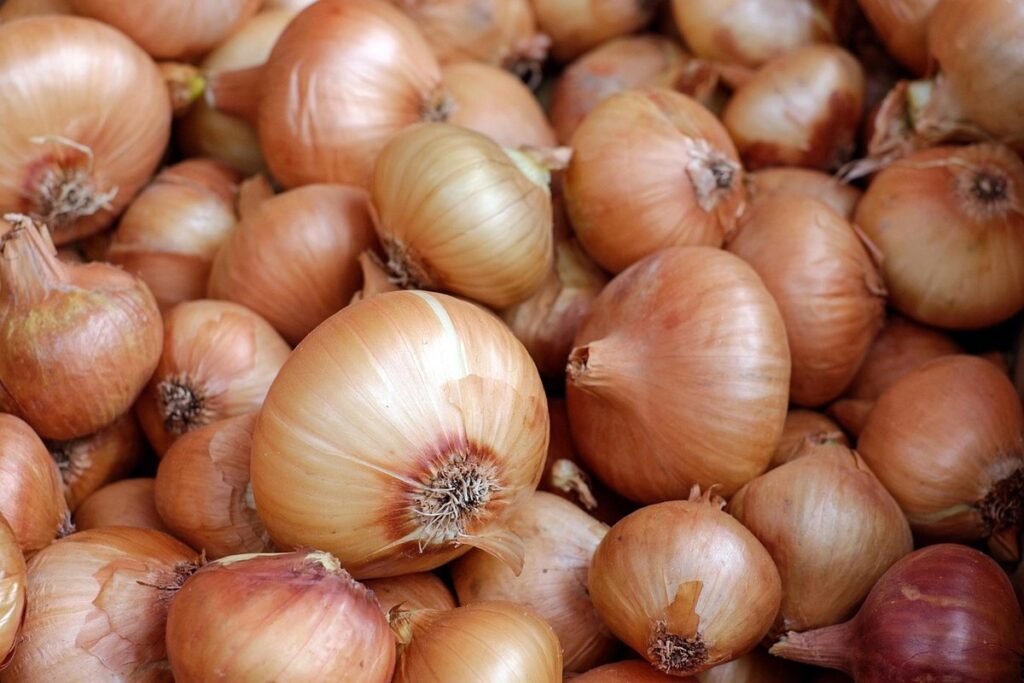
What are Egyptian Walking Onions?
Egyptian walking onions have a unique and fascinating characteristic that sets them apart from other types of onions, which we’ll explore in more detail below. Let’s take a closer look at what makes these onions so special.
Introduction to Egyptian Walking Onions
If you’re anything like me, you’ve probably stumbled upon Egyptian walking onions at some point while foraging or exploring your garden. These peculiar plants have been gaining popularity in recent years due to their unique characteristics and numerous benefits. But what exactly are they?
Egyptian walking onions, also known as Topsetting Onions (Allium cepa var. proliferum), are a type of perennial onion that originated from the Middle East and Asia. They’re closely related to garlic, shallots, and leeks but have distinct features that set them apart.
These plants produce edible bulbs at ground level, just like regular onions, but what’s fascinating is their ability to self-propagate through underground stems called “topsets.” These topsets grow into new plants, allowing Egyptian walking onions to spread rapidly over time. This unique property makes them an attractive option for gardeners and cooks alike.
Their distinctive flavor profile, which combines sweet and savory notes, has captured the attention of chefs and home cooks worldwide. With their ease of cultivation and incredible adaptability, it’s no wonder these alliums are becoming increasingly sought after by both seasoned gardeners and newbies alike.
Characteristics and Types of Egyptian Walking Onions
Egyptian walking onions come in several varieties, each with its unique characteristics and uses. The most common types are ‘Strawberry Top’, ‘Winterkeeper’, and ‘Top Setting’. ‘Strawberry Top’ has a sweet flavor and is often used as a garnish or added to salads. It grows relatively small, reaching about 2-3 feet in height.
‘Winterkeeper’ is known for its hardiness and ability to overwinter, making it an excellent choice for cold climates. This type of Egyptian walking onion can grow quite tall, up to 4 feet, and produces multiple bulbs.
‘Top Setting’ has a strong flavor and is often used in savory dishes like soups and stews. It grows relatively small, reaching about 2-3 feet in height, similar to ‘Strawberry Top’.
In addition to these varieties, Egyptian walking onions can also be classified based on their growth habits: spring-blooming and fall-blooming types. Spring-blooming varieties produce flowers in the spring, while fall-blooming varieties produce flowers in the fall.
When choosing an Egyptian walking onion variety, consider your climate, available space, and intended use for the bulbs. For example, if you live in a cold climate, ‘Winterkeeper’ would be an excellent choice due to its hardiness.
History and Cultural Significance of Egyptian Walking Onions
The history of Egyptian walking onions dates back centuries, with roots tracing back to ancient Egypt and other parts of the world. We’ll explore their fascinating past.
Ancient Origins and Historical Use
Egyptian walking onions have been prized for their unique properties and adaptability for thousands of years. In ancient civilizations such as Egypt, Greece, and Rome, they were valued not only for their culinary uses but also for their medicinal properties.
One of the earliest recorded uses of Egyptian walking onions dates back to around 2500 BCE in ancient Egypt, where they were used to treat a variety of ailments, including fever, inflammation, and respiratory issues. The Egyptians believed that the onions possessed purifying properties and used them extensively in traditional medicine. They would often boil the onions in water to create a tea-like infusion, which was then consumed to alleviate various health complaints.
The ancient Greeks and Romans also recognized the benefits of Egyptian walking onions, using them to treat everything from indigestion to skin conditions. These civilizations cultivated the onions in their gardens, often planting them in strategic locations where they could easily be harvested as needed. Today, we can still learn from these traditional practices, incorporating Egyptian walking onions into our own healthcare regimens with a deeper understanding of their roots and benefits.
Modern-Day Revival and Adoption
In recent years, there’s been a significant resurgence of interest in Egyptian walking onions, and they’re now being rediscovered by gardeners and chefs alike. This humble bulb is not only easy to grow but also packed with flavor and nutritional benefits. As a result, many modern gardens are incorporating them into their layouts, and chefs are experimenting with new recipes that showcase their unique taste.
Gardeners love Egyptian walking onions for their ability to thrive in poor soil and their low-maintenance requirements. They can be grown in containers or directly in the ground, making them an ideal choice for small-space gardening. In addition, they’re a great way to add some diversity to your garden, as they’re relatively pest- and disease-free.
In terms of culinary uses, Egyptian walking onions are a versatile ingredient that can be used raw or cooked. They have a mild onion flavor, often described as sweet and nutty, making them a great addition to salads, sandwiches, and sauces. With their adaptability and ease of cultivation, it’s no wonder why Egyptian walking onions are gaining popularity in modern gardens and kitchens.
Growing and Caring for Egyptian Walking Onions
Now that you have your Egyptian walking onion, it’s time to learn how to care for it properly, from division to maintenance. We’ll walk you through everything you need to know.
Soil, Sunlight, and Water Requirements
To grow Egyptian walking onions successfully, it’s essential to understand their specific soil, sunlight, and water requirements. These onions thrive in well-draining soil that is rich in organic matter, such as compost or manure. They prefer a slightly acidic to neutral pH between 6.0 and 7.0.
When it comes to sunlight, Egyptian walking onions require full sun to partial shade. Aim for at least six hours of direct sunlight per day. However, if you live in a region with extremely hot summers, provide some afternoon shade to prevent scorching. Keep in mind that excessive shade can lead to weak or leggy growth.
In terms of water requirements, Egyptian walking onions prefer consistent moisture but are relatively drought-tolerant once established. Water them regularly during their first growing season, but avoid overwatering as this can cause the bulbs to rot. After establishment, reduce watering to about 1-2 inches per week. Remember that Egyptian walking onions will go dormant during winter months, so water sparingly during this time. By meeting these specific needs, you’ll be well on your way to growing healthy and productive Egyptian walking onion plants.
Propagation and Harvesting Methods
To propagate Egyptian walking onions, you can use three primary methods: sets, divisions, and offsets. Sets are small bulbs that grow at the base of mature plants and can be harvested before they reach full maturity. These sets can be replanted directly into well-draining soil in a sunny location, ensuring a continuous harvest.
Divisions involve separating established clumps into individual plants to create new plants with a robust root system. This method is ideal for larger, more extensive plantings. Gently dig around the base of the onion plant, then separate the clump into smaller sections. Plant each section in a well-draining location with plenty of sunlight.
Offsets are bulbils that form on the stems of mature Egyptian walking onions. These can be harvested and replanted in the same way as sets. Offset propagation allows for an even more extensive spread than traditional seed cultivation, making it ideal for growers looking to establish large quantities of this unique onion variety.
When harvesting offsets or sets, use a fork to gently lift them from the soil, taking care not to damage the roots. Plant immediately, or store them in a cool, dark location until planting is possible.
Benefits and Uses of Egyptian Walking Onions
If you’re wondering what makes Egyptian walking onions so special, let’s dive into the numerous benefits and uses that make them a valuable addition to your garden. From cooking to medicine, these roots have it all!
Culinary Applications and Recipes
Egyptian walking onions are a versatile ingredient that can elevate various dishes with their sweet and pungent flavor. They’re perfect for adding a depth of flavor to soups, stews, salads, and roasted vegetables.
One popular way to use Egyptian walking onions is as a garnish or topping for baked potatoes, grilled meats, and vegetable skewers. Simply chop the onion tops and sprinkle them over your dish just before serving. This adds a burst of flavor without overpowering the other ingredients.
For a more substantial recipe, try making Egyptian walking onion jam by sautéing chopped onions with some olive oil, salt, and sugar until they’re soft and caramelized. This sweet and savory spread is perfect for topping toast, yogurt, or using as a dip for vegetables.
When cooking with Egyptian walking onions, it’s essential to note that their flavor can be quite pungent, so use them sparingly to avoid overpowering your dish. You can also store chopped onion tops in the fridge or freezer to use later in recipes, making this ingredient even more convenient and versatile.
Medicinal Properties and Health Benefits
Egyptian walking onions have been prized for centuries not just for their unique flavor and versatility but also for their potential health benefits. Rich in antioxidants and anti-inflammatory compounds, these onions are said to have a positive impact on various aspects of our well-being.
One of the most significant advantages of Egyptian walking onions is their ability to combat oxidative stress. The high content of flavonoids and other polyphenols in these onions helps neutralize free radicals, which can damage cells and contribute to chronic diseases such as cancer, diabetes, and heart disease. By incorporating Egyptian walking onions into your diet, you may be able to reduce the risk of these conditions.
In addition to their antioxidant effects, Egyptian walking onions have also been found to exhibit anti-inflammatory properties. The quercetin present in these onions has been shown to inhibit the production of pro-inflammatory enzymes, which can alleviate symptoms associated with conditions like arthritis and allergies. To harness the medicinal properties of Egyptian walking onions, try adding them to your meals or using them as a natural remedy for minor ailments.
While more research is needed to confirm the full extent of their health benefits, incorporating Egyptian walking onions into your diet may be a delicious way to promote overall well-being.
Unique Features and Adaptations of Egyptian Walking Onions
Let’s dive into what makes these incredible roots truly special, from their remarkable ability to multiply underground to their surprisingly useful benefits in your garden.
Underground Bulb Formation
One of the most intriguing features of Egyptian walking onions is their ability to form distinctive underground bulbs. These bulbs are not only a unique aspect of these plants but also a valuable resource for food. So, how do they form? As the onion tops die back, the plant redirects its energy towards producing new bulbs. This process occurs below ground level, where the stem continues to grow and divide, eventually forming multiple bulbs.
Each bulb is typically between 1-3 inches in diameter and has a papery wrapper that protects it from moisture loss. The formation of these underground bulbs allows Egyptian walking onions to reproduce vegetatively, giving them a head start on next year’s growth. To harvest the bulbs, carefully dig around the base of the plant, making sure not to damage the emerging new growth. Twist or cut off the main bulb at its neck, leaving some stem attached to prevent damaging the crown. The underground bulbs can be used in cooking just like any other onion variety – sauté them, roast them, or add them raw to salads for a burst of flavor.
Topset Bulbs and Their Uses
One of the most fascinating features of Egyptian walking onions is their ability to form topset bulbs. These small, onion-like structures are essentially a modified flower head that grows on a stem above the main bulb. As the plant matures and begins to go dormant, it releases energy by producing these topsets, which contain immature bulbs.
The uses for topset bulbs in cooking and medicine are numerous. They can be harvested and used in place of regular onions or shallots, adding a milder flavor to dishes. Topsets can also be chopped and sautéed like scallions or used as a garnish for soups and salads. In addition to their culinary uses, topset bulbs have been traditionally used in herbal medicine to treat various ailments, including digestive issues and skin conditions.
To utilize the topsets from your Egyptian walking onions, simply snip off the stem above the bulb with scissors when they reach about an inch or two in length. Allow them to dry for a few days before using in cooking. Be sure to only use the outer layers of the topset, as the inner layers are more pungent and less palatable.
Conclusion: Embracing the Versatility of Egyptian Walking Onions
As we’ve explored the fascinating world of Egyptian walking onions, it’s time to bring our journey full circle by embracing their versatility and potential in your garden. Let’s discuss how to make the most of this remarkable root.
Recap of Key Points and Benefits
In summary, let’s revisit the key points we’ve discussed about Egyptian walking onions. These versatile roots offer numerous benefits for gardeners and home cooks alike. Not only are they extremely easy to grow and maintain, but they also provide a continuous harvest throughout the year.
One of the main advantages of Egyptian walking onions is their ability to self-propagate, producing new sets at the end of each leaf stalk. This process eliminates the need for regular replanting, making them an excellent choice for gardeners with limited time or space.
Additionally, we’ve explored the various uses of Egyptian walking onions in cooking, from adding a sweet and oniony flavor to dishes like soups, stews, and salads to using them as a natural remedy for digestive issues. By incorporating these roots into your diet, you can reap the rewards of their medicinal properties.
To make the most of your Egyptian walking onions, be sure to plant them in well-draining soil with full sun exposure. With proper care, they’ll thrive and provide you with a steady supply of fresh produce all year round.
Encouragement for Further Exploration and Use
As you’ve discovered the wonders of Egyptian walking onions, we encourage you to take their potential to the next level. These versatile roots can become a staple in both your garden and kitchen, and it’s time to explore their full range.
Start by experimenting with different cooking methods – sauté them as a side dish, add them to soups or stews for an extra depth of flavor, or even use them as a topping for salads. Not only will you be introducing new flavors into your meals, but you’ll also be making the most of this incredible plant’s culinary versatility.
Incorporate Egyptian walking onions into your gardening routine by planting sets in various areas of your garden, allowing them to self-propagate and spread their unique benefits across different growing conditions. By doing so, you’ll be embracing their potential for permaculture practices and exploring new avenues for sustainable food production.
The possibilities are endless – now it’s time for you to get creative with these fascinating roots and unlock the full potential of your Egyptian walking onion experience!
Frequently Asked Questions
Can I grow Egyptian walking onions in containers?
Yes, you can grow Egyptian walking onions in containers as long as they have good drainage and receive at least six hours of direct sunlight per day. Make sure the container is at least 6-8 inches deep to accommodate the onion’s underground bulb formation. Keep the soil consistently moist but not waterlogged.
How do I know when my Egyptian walking onions are ready for harvest?
Check for topset bulbs, which form on the end of a long stem. These bulbs can be harvested and used in cooking immediately. As the plants mature, they will begin to produce new offsets around the base of the plant. You can use these offsets as new seedlings or continue to grow them out for more harvests.
Can I eat Egyptian walking onions raw?
Yes, Egyptian walking onions are safe to eat raw and can be used in salads, salsas, and other dishes where a mild onion flavor is desired. Simply chop the topsets or young bulbs and add them to your recipe. Be sure to wash the onions thoroughly before consuming.
How do I store Egyptian walking onions for extended periods?
Egyptian walking onions are best stored in a cool, dry place with good ventilation. You can also hang the bulbs upside down in a mesh bag or paper bag to keep them separate and prevent moisture from accumulating. This will help extend their shelf life and keep them fresh for longer.
Are Egyptian walking onions suitable for indoor growing?
Egyptian walking onions prefer full sun but can tolerate partial shade indoors. They require well-draining soil and consistent watering, making them a good candidate for indoor growing in containers or pots. Keep the plants away from direct air conditioning or heating vents to maintain optimal growing conditions.