
If you’re an avid gardener or just starting to plant your first garden, growing onions can be a fantastic experience. However, not all onions are created equal when it comes to climate and growth rate. That’s where short day onion sets come in – specifically bred for areas with mild winters and shorter daylight hours during the growing season.
If you’re new to planting onions or struggling to get them to grow, choosing the right variety can make all the difference. In this article, we’ll explore everything you need to know about short day onion sets, from selecting the best varieties for your region to preparing the soil and providing optimal care for a bountiful harvest. We’ll also cover common pests and diseases that might affect your onions, giving you expert advice on how to keep them thriving throughout the growing season.
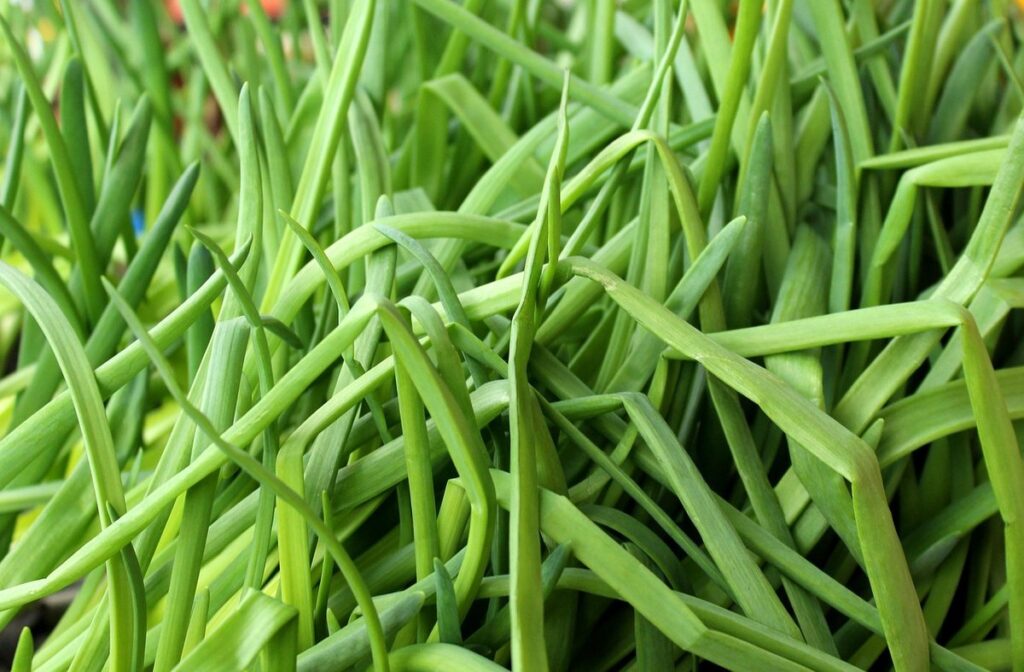
What are Short Day Onions?
So, you’re new to short day onions and want to know what they’re all about? This section will break down the basics of these specific types of onion sets.
Characteristics of Short Day Onions
Short day onions are characterized by their unique requirements for bulb formation. Unlike other types of onions, short day onions need shorter daylight periods to produce a decent-sized bulb. This means that they require less than 14 hours of daylight per day to form a mature bulb.
One key feature of short day onions is their ability to thrive in areas with mild winters and hot summers. They are well-suited for regions with warm temperatures, typically between 65°F to 85°F (18°C to 30°C), during the growing season.
In terms of growth habits, short day onions tend to be smaller than other varieties, producing bulbs that range from 1-2 pounds in size. Their flavor profile is often described as sweet and mild, making them a popular choice for cooking and storing.
When selecting short day onion sets, look for those with firm, compact necks and a good balance of green and white foliage. This will give you the best chance at achieving successful bulb formation and a bountiful harvest.
Types of Short Day Onions
Short day onions come in an assortment of varieties that cater to different tastes and growing conditions. ‘Yellow Granex’ is a popular choice for its high yields and mild flavor. This variety prefers well-drained soil and full sun, making it suitable for gardeners with larger plots.
Another option is the ‘Texas Grano’, which has a slightly sweeter taste than Yellow Granex. Its compact growth habit allows for closer spacing between plants, perfect for smaller gardens or containers. Texas Grano also requires less maintenance due to its natural disease resistance.
The ‘Ebenezer’ short day onion boasts an intense, pungent flavor that many gardeners appreciate. This variety grows best in cooler temperatures and can tolerate some shade, making it a good choice for areas with scorching summers. Its smaller size also means it’s ideal for growing in containers or small spaces.
When selecting the right type of short day onion, consider your climate, available space, and personal taste preferences.
Understanding Onion Day Length Requirements
To ensure you plant the right onion sets for your region, it’s essential to understand short day onion requirements and how they vary based on your location. We’ll break down what you need to know in the next section.
How to Determine Short Day Onion Sets’ Needs
When it comes to determining if an onion variety is a short day type, you’ll need to check the seed packet or consult with the breeder. Short day onions require 10-12 hours of daylight to initiate flowering and bulbing. If the variety is not specified as a short day type, it’s best to err on the side of caution and research further.
To determine if your onion variety is a short day type, look for specific keywords in the seed packet or online description, such as ‘Short Day’, ‘SD’, or ’10-12 hour daylight requirement’. Some popular short day varieties include ‘Texas Grano’ and ‘Yellow Granex’.
Understanding whether your onions are short day or not will significantly impact your planting schedule. Short day onions typically mature within 60-90 days of transplanting, while long day onions take longer to mature. Planting short day onions at the right time will ensure you harvest them before the summer solstice and avoid prolonged daylight exposure that can cause bolting.
To plan accordingly, consult a planting calendar specific to your region or climate zone. By researching your onion variety and local growing conditions, you’ll be able to create an effective planting schedule for optimal results.
Importance of Day Length for Bulb Formation
When it comes to growing short day onions, many gardeners focus on temperature and soil requirements, but often overlook a crucial aspect of their development: daylight hours. Specifically, the length of the day plays a significant role in triggering bulb formation in these varieties.
This process is governed by photoperiodism, a plant’s internal response to day length. Short day onions require a specific number of daylight hours to initiate bulb formation – typically between 10-12 hours of daylight per day. If day lengths exceed this threshold, the onion will focus on leaf growth rather than bulb development. To encourage optimal bulbing, it’s essential to choose varieties that match your region’s daylight patterns.
For example, onions grown in regions with longer days may require more specific photoperiodic control or supplemental lighting to achieve desired results. By understanding and working within these constraints, gardeners can successfully grow high-quality short day onions.
Preparing the Soil for Short Day Onions
Before planting, it’s essential to prepare your soil correctly to give your short day onion sets a strong start and encourage healthy growth. This means loosening and aerating the soil to promote root development.
Soil Requirements for Healthy Onion Growth
For optimal onion growth, it’s essential to understand the ideal soil conditions that promote healthy development. Short day onions prefer a well-draining, fertile soil with a pH between 6.0 and 7.0. If your soil is too acidic (below 6.0) or alkaline (above 7.0), it may lead to nutrient deficiencies or even onion bulb rot.
In terms of nutrient requirements, onions are heavy feeders and benefit from rich soil with adequate amounts of nitrogen, phosphorus, and potassium. A balanced fertilizer application can provide the necessary nutrients for optimal growth. However, be cautious not to over-fertilize, as this can lead to weak and susceptible plants.
To ensure your short day onion sets thrive, consider incorporating organic matter like compost or well-rotted manure into your soil. This will improve its structure, fertility, and overall health. Aim to achieve a mix of 20% to 30% organic content in your soil for optimal onion growth. By creating an ideal growing environment, you’ll set your short day onions up for success and be rewarded with robust, flavorful bulbs.
Amending the Soil: Adding Organic Matter and Fertilizers
To create an ideal growing environment for your short day onions, it’s essential to amend the soil with organic matter and fertilizers. Adding compost or well-rotted manure can help improve the soil structure, increase its water-holding capacity, and provide beneficial microbes that promote plant growth.
When incorporating compost into your soil, start by digging in about 2-3 inches of it before planting your onion sets. This will allow the microorganisms to break down slowly and release nutrients as they become available to your plants. If you prefer to use manure, make sure it’s fully broken down and weed-free to avoid any potential issues.
Chemical fertilizers can also be used to supplement your soil, but be cautious not to over-fertilize, which can damage the onion bulbs. A balanced fertilizer (10-10-10 NPK) applied at planting time will provide a gentle boost without causing harm. Alternatively, consider using organic alternatives like fish emulsion or bone meal for a more natural approach.
Remember, the key is to create a fertile environment that encourages healthy growth and minimizes the need for external inputs. By amending your soil with care, you’ll be giving your short day onions the best possible start in life.
Planting Short Day Onions in the Ground
Now that you’ve got your short day onion sets, let’s get started on planting them directly into the ground for a bountiful harvest. This section covers essential steps to successfully plant and establish your onions in your garden.
Spacing and Planting Depths for Optimal Growth
When planting short day onion sets, proper spacing is crucial for optimal growth. Onions require adequate space to grow without becoming overcrowded, which can lead to disease and pest issues. A general rule of thumb is to plant sets 4-6 inches apart, depending on the variety. However, some compact varieties can be planted as close as 2-3 inches apart.
It’s also essential to consider the soil type when determining spacing. In heavy clay or dense soils, onions may need more space to breathe and grow. On the other hand, if you’re planting in well-draining sandy soil, you can get away with closer spacings.
In addition to spacing, planting depths are equally important for healthy growth. Plant onion sets so that the base of the set is just below the surface, about 1-2 inches deep. This will allow the green shoots to emerge and grow without being exposed to potential damage from frost or extreme weather conditions.
Remember to also take into account the specific growing habits of your chosen variety when determining spacing and planting depths. Some onion varieties can grow quite large and may require more space, while others remain compact and can thrive in smaller areas.
Techniques for Successful Onion Set Planting
When planting short day onion sets in the ground, technique is everything. To ensure success, start by preparing the soil. Loosen it to a depth of about 8-10 inches and mix in some compost to improve drainage and fertility. Next, dig shallow trenches about 4-6 inches deep and 12-18 inches apart, depending on the variety of onion you’re growing.
To plant each set, place it in the trench with the base (where the roots meet the bulb) facing up and the eyes (small buds where the leaves emerge) pointing towards the sun. Space them about 4-6 inches apart within the row. Cover the sets with a thin layer of soil, firming gently as you go to prevent air pockets from forming.
Some gardeners prefer to start their onion seeds indoors 8-10 weeks before the last frost date in their area. This can give them a head start on the growing season and allow for earlier harvests. However, make sure to harden off seedlings before transplanting them outside to avoid shocking the young plants.
Caring for Short Day Onions Throughout Their Growth Cycle
As your short day onion sets begin to grow, proper care is crucial to ensure a bountiful harvest. This includes regular watering, fertilization, and pest management strategies to promote healthy bulb formation.
Watering and Mulching Strategies for Healthy Bulb Formation
To ensure healthy bulb formation, maintaining adequate moisture levels is crucial. Onions require about 1 inch of water per week, either from rainfall or irrigation. However, overwatering can lead to rot and other issues. To avoid this, check the soil daily by inserting your finger into it up to the knuckle. If the soil feels dry, it’s time for watering.
Mulch plays a vital role in regulating soil temperature, which helps prevent scorching during hot summer days. Apply a 2-inch layer of organic mulch around the onion plants after they’ve reached about 6 inches in height. This will keep the soil cool and retain moisture, reducing the need for frequent watering. Some suitable mulch options include straw, grass clippings, or wood chips.
When using mulch, ensure it’s not piled against the stems of the onions to prevent rot. Also, remove any weeds that might be competing with your onion plants for water and nutrients. Keep in mind that a balanced approach is key – providing enough moisture without drowning the onions.
Common Pests and Diseases Affecting Short Day Onions
As you nurture your short day onion sets throughout their growth cycle, be aware of potential threats to their health. Common pests and diseases can quickly spread and damage your crop, impacting both yield and flavor. Keep an eye out for these common culprits:
* Thrips: tiny insects that feed on plant sap, causing stunted growth and distorted leaves.
* Aphids: soft-bodied insects that excrete a sticky substance called honeydew, attracting ants and promoting fungal growth.
* Onion maggots: larvae of the onion fly that burrow into the neck of the bulb, causing damage.
Diseases such as downy mildew, botrytis, and fusarium can also affect short day onions. These often originate from moisture accumulation in the soil or on the leaves. To manage these threats, adopt an integrated pest management (IPM) approach. This may involve:
* Crop rotation: avoiding planting onions in areas where they have previously been grown.
* Sanitation: removing weeds and debris that can harbor pests and diseases.
* Organic solutions: using neem oil, insecticidal soap, or pyrethrin to control infestations.
Monitor your plants regularly and take swift action when you spot any issues. By being proactive, you’ll minimize the risk of damage and enjoy a healthy, bountiful harvest.
Harvesting and Storage of Mature Short Day Onions
Now that your short day onion sets have matured, it’s time to learn how to harvest them properly, followed by essential tips on storing for optimal flavor.
Determining the Right Time for Onion Harvest
As you await the harvest of your mature short day onions, it’s essential to know when exactly to dig them up. Assessing maturity is crucial to ensure that your onions are ready for storage and consumption. In different climates, signs of maturity can vary, but here are some key indicators to look out for.
In areas with a long growing season, such as the southern United States, onions are typically ready to harvest in late summer or early fall, around 120-150 days after planting. Look for tops that begin to yellow and fall over, indicating the bulb is mature and dry. In cooler climates, like those found in the northern United States or Europe, onions may be ready earlier, around 100-120 days after planting.
To check for maturity, gently dig around the base of the onion with a fork, taking care not to damage the bulbs. If the necks are about 1 inch in diameter and the tops are starting to yellow, it’s likely time to harvest.
Proper Handling and Storage Techniques for Maximum Shelf Life
To ensure that your short day onion harvest lasts as long as possible, proper handling and storage techniques are crucial. Upon harvesting, it’s essential to dry the bulbs completely to prevent moisture from causing rot and decay. You can do this by spreading them out in a single layer on a paper bag or newspaper, allowing air to circulate around each bulb.
Once dry, allow the onions to cure for 2-3 weeks before storing them. This step is critical in developing the papery skin that protects the onion from moisture and prevents sprouting. Store the cured onions in a well-ventilated area with low humidity, such as a garage or shed. Avoid storing them in direct sunlight or near a heat source.
For longer storage periods, you can store short day onions in airtight containers or bags filled with silica gel to maintain humidity levels below 60%. It’s also essential to keep the stored onions away from ethylene-producing fruits and vegetables, which can cause onions to ripen more quickly.
Frequently Asked Questions
Can I use short day onion sets for areas with cold winters?
Yes, while short day onions are well-suited for regions with mild winters, they can still be grown in areas with colder winters as long as the soil doesn’t freeze during the winter months. However, in colder climates, it’s essential to choose varieties that have a higher tolerance to cold temperatures and provide proper mulching or cover crops to protect the onions from extreme frost.
How do I know if my short day onion variety is suitable for my region?
To determine the best short day onion variety for your area, check the seed packet or consult with local nurseries and gardening experts. They can guide you on which varieties are specifically bred for your region’s climate, soil type, and growing conditions.
Can I plant short day onions in containers?
Yes, short day onions can be grown in containers as long as they have a depth of at least 6-8 inches to accommodate the onion bulbs’ growth. Use well-draining potting mix and ensure the container receives full sun and has adequate air circulation to prevent disease.
How often should I water my short day onion plants?
Water your short day onion plants regularly, keeping the soil consistently moist but not waterlogged. Aim for about 1-2 inches of rainfall or irrigation per week, adjusting as needed based on weather conditions and soil type.
Can I harvest my short day onions before they reach full maturity?
While it’s technically possible to harvest short day onions when they’re still immature, doing so can reduce the bulb size and flavor. For optimal flavor and texture, wait until the tops of the plants begin to yellow and fall over, indicating that the bulbs have reached full maturity.