
Are you tired of breaking the bank on expensive gardening materials? Do you want to create a beautiful garden without harming the environment? You’re in luck! Making a raised bed from cardboard is a cost-effective and eco-friendly solution that’s perfect for gardening enthusiasts. Not only is it budget-friendly, but using cardboard also reduces waste and creates a nutrient-rich soil environment for your plants to thrive. In this article, we’ll guide you through the process of building and maintaining a cardboard garden, exploring its benefits over traditional materials like wood or metal. You’ll learn how to prepare, assemble, and care for your cardboard raised bed, turning it into a lush oasis in no time.
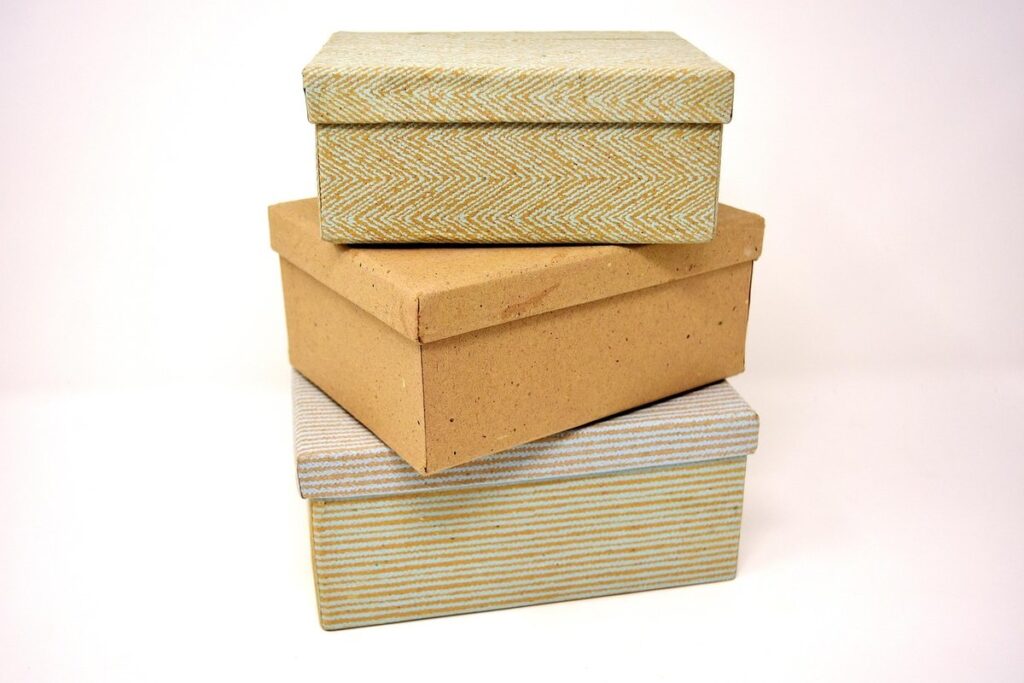
Benefits of Using Cardboard in Gardening
Using cardboard in gardening not only reduces waste, but also provides a natural and chemical-free growing environment for your plants to thrive. Let’s dive into some amazing benefits of incorporating this eco-friendly material into your garden.
Cost-Effective Alternative to Traditional Materials
Using cardboard as the base for raised beds can be a cost-effective alternative to traditional materials like wood or composite materials. A standard 4×8 foot wooden raised bed can cost anywhere from $50 to over $100, depending on the type and quality of wood used. In contrast, a comparable-sized cardboard box can be obtained for free or at a minimal cost.
Not only is cardboard more budget-friendly, but it’s also easier to source and transport than heavy wooden boards. You can often find large cardboard boxes in your local area by asking friends, family, or neighbors if they have any spare ones. Alternatively, you can collect them from nearby stores that receive frequent deliveries.
When using cardboard as a base for raised beds, make sure to flatten the boxes first and cut them into manageable sizes. Then, simply arrange the cardboard pieces on top of each other, overlapping them slightly to create a stable structure. Secure with wire or twine to prevent them from shifting during use.
Environmental Impact of Cardboard vs. Other Materials
When it comes to making a raised bed for your garden, you might be wondering what materials are best to use. While traditional materials like wood and plastic have their drawbacks, cardboard is an eco-friendly alternative that’s gaining popularity. One of the key environmental benefits of using cardboard over other materials is its biodegradable nature. Cardboard can easily decompose in soil, reducing waste and minimizing your carbon footprint.
In contrast, wooden raised beds require treatment with chemicals to prevent rot and insect damage, while plastic ones contribute to microplastic pollution in our waterways. Even composite materials, touted as eco-friendly, are often made from a mix of wood fibers and plastic, which can still harm the environment.
Composting cardboard also creates nutrient-rich soil for your plants, reducing the need for synthetic fertilizers. By using cardboard, you’ll not only minimize waste but also create a healthy growing environment for your garden.
Preparing the Site for Your Cardboard Raised Bed
Before you start building your cardboard raised bed, make sure to prepare the site by clearing any debris and leveling the ground to ensure stability. This will provide a solid foundation for your eco-friendly project.
Choosing the Right Location for Your Cardboard Garden
When it comes to choosing the right location for your cardboard raised bed, there are several factors to consider. First and foremost, think about sunlight. Most plants need at least 6 hours of direct sunlight per day, so select a spot that gets plenty of natural light. Be mindful of any trees or buildings that might cast shade on your bed during certain times of the day.
Drainage is also crucial for your cardboard raised bed’s success. Make sure the area drains well to prevent waterlogged soil and root rot. Avoid low-lying areas where water may collect, as this can lead to issues with your plants’ health.
Consider accessibility when choosing a location. You’ll want to be able to easily access your cardboard raised bed for maintenance and harvesting. A spot near a watering source or close to your house is ideal.
In addition, keep in mind the proximity of your cardboard raised bed to any nearby gardens or plants that may compete with yours for resources like water and nutrients.
When evaluating potential locations, take note of the surrounding soil quality as well. If the native soil is heavy clay or prone to compaction, it’s best to choose a different spot.
By considering these factors, you’ll be able to select an optimal location for your cardboard raised bed that will set it up for success.
Preparing the Soil for Planting
Preparing the soil beneath the cardboard base is an essential step to ensure a healthy and thriving garden. Before adding the cardboard layers, take some time to test and amend the existing soil. Start by taking a small sample of the soil from the area where you’ll be building your raised bed. You can use a simple pH testing kit or send it off to a lab for more detailed analysis.
Based on the results, you may need to add amendments such as compost, well-rotted manure, or even some lime to adjust the pH levels. If your soil is heavy clay or sandy, mix in some organic matter like peat moss or coconut coir to improve its structure and drainage. The key is to create a balanced and fertile soil that will support the growth of your plants.
As you’re working with cardboard, which is naturally acidic, it’s essential to balance out the pH levels by incorporating alkaline-rich materials. A general rule of thumb is to add 1-2 inches of compost or well-rotted manure to the bottom of the bed before adding the cardboard layers. This will help create a nutrient-rich environment that your plants will love.
Building Your Cardboard Raised Bed
Now that you’ve built the base of your cardboard raised bed, it’s time to get creative and add some structure to make it sturdy enough for planting. We’ll walk you through this step-by-step.
Cutting and Shaping the Cardboard Sheets
To cut and shape the cardboard sheets to fit your desired raised bed size and shape, you’ll need a few simple tools. A sharp utility knife, scissors, and a craft knife will do the trick. If you’re working with larger sheets or more complex shapes, consider using a Stanley knife or a heavy-duty cutting mat.
Start by measuring out your cardboard sheets to ensure they fit within the dimensions of your raised bed frame. Use a tape measure or ruler to get accurate measurements. Cut along the marked lines carefully, using a straight edge guide if possible. If you’re working with corrugated cardboard, you may need to cut through multiple layers.
As you shape and cut the cardboard sheets, keep in mind that they will be compressed somewhat during assembly. To achieve a snug fit, cut them slightly oversized – about 1/4 inch larger than needed. This will allow for compression without leaving gaps between sheets. For curved or irregular shapes, use a combination of cutting and folding techniques to create a smooth finish.
Assembling the Cardboard Frame
Now that you have prepared your cardboard sheets, it’s time to assemble the frame of your raised bed. This is a crucial step, as it will determine the stability and structure of your final product.
Start by laying out two long sheets side by side on a flat surface, making sure they are aligned with each other. Apply a thin layer of water to the edges of both sheets and press them together firmly, creating a strong bond between the cardboard layers. Repeat this process for all four sides of the frame, ensuring that each sheet is securely attached to the adjacent one.
To add extra stability, you can use a few strips of packing tape or staples to hold the sheets in place. Make sure not to overdo it, as excessive securing may cause the cardboard to become too rigid and lose its flexibility. As you assemble the frame, keep an eye on its overall dimensions and make any necessary adjustments to achieve the desired shape and size.
Remember to work slowly and carefully when handling the cardboard sheets, as they can be prone to tearing or creasing. With a bit of patience and attention to detail, your cardboard raised bed frame should start to take shape, ready for the next step in the construction process: adding the bottom layer and filling it with soil.
Tips for Planting in a Cardboard Raised Bed
To get the most out of your cardboard raised bed, make sure to plant at the right time and choose plants that thrive in well-draining soil. This section provides essential tips for a successful planting process.
Choosing Plants Suitable for Cardboard Gardens
When selecting plants for your cardboard raised bed, it’s essential to consider their moisture and pH level requirements. This is because cardboard can break down quickly, affecting the soil’s structure and nutrient availability.
For optimal growth, choose plants that prefer moist but well-draining conditions. These include leafy greens like lettuce, kale, and spinach, as well as herbs such as basil and cilantro. Root vegetables like carrots, beets, and radishes also thrive in cardboard raised beds. On the other hand, avoid plants with deep taproots or those requiring dry soil.
To ensure your cardboard bed’s pH level doesn’t fluctuate too much, opt for plants that tolerate a slightly acidic to neutral range (pH 6.0-7.5). Examples include cherry tomatoes, peppers, and cucumbers. Keep in mind that cardboard will eventually decompose, so it’s best to plant annuals rather than perennials. This way, you can easily replace the plants with new ones when the cardboard breaks down completely.
Some plants may require additional care or support due to the cardboard material, such as using a trellis for climbing vegetables.
Managing Moisture Levels in Your Cardboard Garden
Managing moisture levels is crucial in a cardboard garden to prevent mold growth and maintain healthy plant growth. When using cardboard as a growing medium, it’s essential to understand that the cardboard will break down over time, releasing nutrients into the soil.
One of the most significant challenges you’ll face when watering your cardboard garden is controlling moisture levels. Cardboard retains water well, but excessive moisture can lead to mold and root rot. To manage this, it’s crucial to strike a balance between keeping the cardboard damp and avoiding overwatering.
A good rule of thumb is to water your cardboard garden lightly but frequently, allowing the top inch of cardboard to dry out between waterings. You can also use mulch to help regulate moisture levels. Organic mulches like straw or wood chips will help retain moisture in the soil while preventing weeds from growing and reducing evaporation.
By following these tips, you’ll be able to maintain a healthy balance of moisture in your cardboard garden, promoting strong plant growth and minimizing the risk of mold and disease.
Maintenance and Upkeep of Your Cardboard Raised Bed
To keep your cardboard raised bed in top condition, you’ll want to focus on regular watering, monitoring for pests, and occasional additions of new cardboard layers.
Monitoring for Pests and Diseases
As you cultivate life in your cardboard raised bed, it’s essential to stay vigilant for pests and diseases that can compromise the health of your plants. Cardboard raised beds, being made from natural materials, can be susceptible to infestations by common garden pests such as slugs, snails, and aphids. These pests can cause significant damage to leaves, stems, and roots, ultimately affecting plant growth and yield.
Regular monitoring is key in preventing pest invasions. Check your plants daily for signs of infestation, such as holes in leaves or stems, sticky substance on leaves (indicative of sap-sucking insects), or actual presence of pests like caterpillars or whiteflies. To prevent pests from taking hold, ensure that your cardboard raised bed is located in an area with good air circulation and adequate sunlight.
Some common diseases to watch out for include fungal infections like powdery mildew and root rot. These can be caused by overwatering, poor drainage, or high humidity. Regularly inspect the roots of your plants, looking for signs of decay or mold growth. If you notice any issues, adjust your watering schedule accordingly and consider implementing crop rotation strategies to minimize disease spread.
To promote healthy plant growth and prevent pest and diseases, maintain good hygiene practices around your cardboard raised bed. Remove weeds regularly to avoid harboring pests or providing an entry point for diseases. Regularly inspect the cardboard material itself, replacing any compromised sections promptly to ensure structural integrity of the bed.
Replenishing the Soil and Replacing the Cardboard
As your cardboard raised bed continues to thrive, it’s essential to replenish the soil and replace the cardboard over time. This process is crucial for maintaining a healthy ecosystem within your garden. When the cardboard breaks down, it will eventually need to be replaced with new material to prevent nutrient depletion and maintain the structure of your bed.
A great way to replenish the soil is by adding compost. You can create your own compost using kitchen scraps, leaves, and other organic materials. Simply add a 2-3 inch layer of compost on top of the cardboard and mix it in well with the surrounding soil. This will help replenish nutrients and improve the overall fertility of your bed.
Another option is to use natural mulch like straw or wood chips. These materials will help retain moisture, suppress weeds, and regulate soil temperature. Simply add a 2-3 inch layer on top of the cardboard and keep it topped up as needed.
Troubleshooting Common Issues with Cardboard Raised Beds
We’ve all been there – a beautiful cardboard raised bed that’s suddenly suffering from pests, waterlogged soil, or structural damage. Let’s tackle these common issues together and get your eco-friendly garden back on track!
Identifying and Resolving Moisture-Related Problems
Moisture-related issues can arise when using cardboard as material for raised beds. Mold and mildew growth is often a concern, especially during humid seasons. To identify these problems, inspect your bed regularly for visible signs of mold or mildew. Check for discoloration, white patches, or black spots on the surface.
Resolving moisture-related issues requires a multi-step approach. First, ensure proper drainage by adding a 2-inch layer of organic matter like compost or well-rotted manure at the bottom of the bed. This will absorb excess water and prevent it from accumulating in the cardboard.
If mold or mildew has already formed, address it promptly. Remove any affected cardboard sections, and disinfect the area with a solution of 1 part bleach to 10 parts water. Allow the area to dry completely before replacing the removed sections with new cardboard. To maintain healthy soil conditions, incorporate natural pest control methods like neem oil or diatomaceous earth into your gardening routine.
Regular maintenance also involves monitoring moisture levels and adjusting irrigation accordingly. Use a rain gauge or moisture meter to track soil moisture. Water only when necessary to prevent overwatering, which can exacerbate moisture-related problems.
Addressing Structural Integrity Concerns
When building a raised bed from cardboard, it’s natural to worry about its structural integrity. After all, cardboard isn’t typically considered a sturdy material for constructing raised beds. However, with some careful planning and design, you can create a stable and long-lasting raised bed using cardboard.
One key factor to consider is the type of cardboard you use. Look for thick, corrugated cardboard boxes that are specifically designed for heavy-duty packaging. These types of cardboard have a wavy surface that provides extra strength and support. You can also reinforce your cardboard raised bed with additional materials like bamboo stakes or wooden dowels.
Another consideration is the size and shape of your raised bed. Larger beds may require more reinforcement, so be sure to add extra support where needed. A good rule of thumb is to keep your raised bed relatively small (around 4′ x 8′) for easier handling and to minimize weight distribution issues.
To further enhance structural integrity, consider adding a layer of compost or mulch around the cardboard. This will not only help retain moisture but also provide additional support as the cardboard breaks down over time. By taking these precautions, you can enjoy a stable and productive raised bed that’s gentle on the environment.
Conclusion: The Pros and Cons of Making a Raised Bed from Cardboard
In conclusion, making a raised bed from cardboard is a sustainable and eco-friendly solution for gardeners who want to reduce waste and promote environmentally responsible gardening practices. While there are some potential drawbacks to consider, the benefits far outweigh them. One of the main advantages of using cardboard in your raised bed is that it provides excellent drainage and prevents waterlogged soil – a major issue for many gardeners. For example, you can easily cut a piece of cardboard to fit around a pot or planter, creating a barrier between the soil and the container.
However, there are some potential drawbacks to consider as well. One of the main concerns is that cardboard can break down quickly in wet conditions, which may lead to the collapse of your raised bed. To mitigate this risk, make sure to add a layer of mulch or compost on top of the cardboard to help retain moisture and stabilize it.
Frequently Asked Questions
Can I reuse old cardboard boxes for my raised bed, or do I need to purchase new ones?
You can definitely repurpose old cardboard boxes, but make sure they’re clean and free of any contaminants like staples, tape, or chemicals. Cut them into manageable sheets and use a sharp utility knife to smooth out the edges. This eco-friendly approach will save you money and reduce waste.
What if I don’t have access to large cardboard sheets? Can I use smaller boxes?
While larger sheets are ideal for creating a solid base, smaller boxes can be used as well. Simply layer them on top of each other, overlapping the seams to create a stable structure. This will also help retain moisture and reduce weed growth.
How long does it take for cardboard to break down in the garden?
Cardboard typically breaks down within 2-5 years, depending on factors like climate, soil quality, and microbial activity. To speed up this process, add compost or well-rotted manure to your raised bed, which will help microorganisms decompose the cardboard.
Can I use cardboard for a small herb garden or is it best suited for larger spaces?
Cardboard can be an excellent choice for small herb gardens as long as you maintain proper moisture levels and ensure good air circulation. Since herbs require less soil volume, you can create smaller raised beds using cardboard sheets cut to size.
What are some common mistakes to avoid when building a cardboard raised bed?
Some common pitfalls include not flattening the cardboard enough, which can lead to uneven soil distribution; failing to secure the seams with staples or tape, causing the structure to collapse; and not monitoring moisture levels closely, resulting in root rot or other issues. By being mindful of these potential problems, you can create a thriving cardboard garden.