
Are you ready to harvest a bountiful crop of onions? Planting onion sets can be a straightforward process, but getting it right requires some knowledge and attention to detail. With so many varieties to choose from, selecting the right type for your garden is essential. In this guide, we’ll walk you through everything you need to know about planting onion sets, from preparing the soil to using effective planting techniques. Whether you’re a seasoned gardener or just starting out, our expert tips will help you plant and grow onions like a pro.
We’ll cover variety selection, including popular types for different climates and uses, as well as essential tips for getting your soil in top condition. Our guide also includes step-by-step instructions on how to properly space and plant onion sets for optimal growth. By the end of this article, you’ll be confident in your ability to grow delicious, homegrown onions all season long.
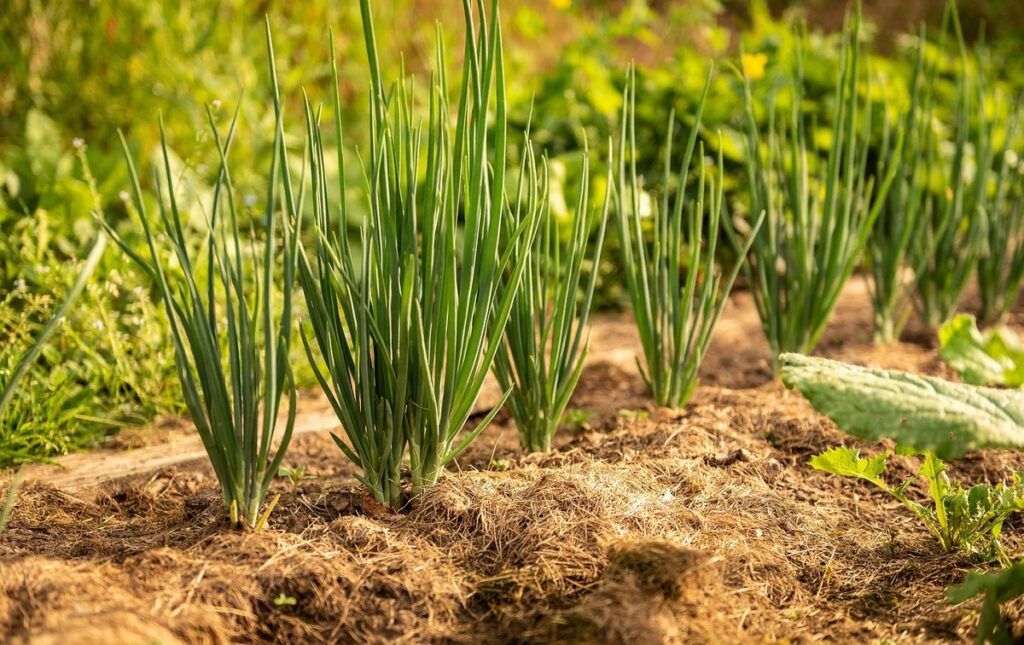
Choosing the Right Variety
With so many types of onion sets available, it’s essential to choose a variety that suits your climate, cooking style, and desired flavor profile. Selecting the right one can make all the difference in your harvest.
Understanding Onion Types
When it comes to planting onion sets, understanding the different types of onions is crucial for optimal growth and flavor. There are three main categories: shallots, scallions, and bulb onions.
Shallots require a slightly longer growing season than bulb onions and need to be planted in early spring or fall. They prefer well-drained soil and full sun to partial shade. Shallot varieties like ‘Yellow Granex’ and ‘French Red’ are popular choices for home gardeners. To grow shallots, space them 4-6 inches apart and water regularly during their first growing season.
Scallions, also known as green onions, have a shorter growth period than bulb onions but require similar care. They can be harvested in as little as 60 days after planting and are perfect for adding fresh flavor to salads and sandwiches. ‘Beltsville Bunching’ and ‘Japanese Type’ are two popular scallion varieties that do well in containers or directly in the ground.
Bulb onions, like sets, take about 90-120 days to mature and prefer a longer growing season. They require full sun to partial shade and well-drained soil rich in organic matter. Popular bulb onion varieties include ‘Yellow Granex’ and ‘Ebenezer’. When planting bulb onions, space them 4-6 inches apart and water regularly throughout their growth cycle.
When choosing between these types of onions, consider your climate, available growing season, and desired flavor profile to ensure optimal results.
Selecting the Perfect Variety for Your Climate
When selecting onion sets for planting, it’s essential to choose varieties that are well-suited to your local climate and growing season. This will ensure optimal growth and flavor development. To find suitable onion varieties, start by checking the average frost dates for your area. Onions need a certain number of chill hours (hours below 45°F) to form bulbs, so look for varieties with similar chilling requirements.
You can find reliable seed sources or suppliers through gardening clubs, online forums, or local nurseries. Check websites like Seed Savers Exchange or the National Onion Association for recommendations on varieties suitable for your region. Read reviews and ask fellow gardeners about their experiences with specific varieties to make an informed decision.
Some popular onion varieties include ‘Redwing’, which is cold-hardy and suitable for areas with short growing seasons, while ‘Vidalia’ prefers warmer climates. Be sure to research the specific needs of each variety to ensure a successful harvest. By choosing the right onion sets for your climate, you’ll be well on your way to enjoying a bountiful crop.
Preparing the Soil
Before you start planting onion sets, it’s essential to prepare the soil by loosening and aerating it to give those tiny bulbs room to grow. This will also help prevent any potential fungal diseases from taking hold.
Testing and Amending Your Soil
Before planting your onion sets, it’s essential to test and amend your soil. This step may seem trivial, but a well-prepared soil can make all the difference in the quality and yield of your onions.
To begin with, collect a soil sample from your garden bed. You’ll need about a cup of soil for testing. Dig a small hole about 6-8 inches deep and scoop out some soil from the bottom. Make sure to get soil from different areas of your garden to ensure an accurate representation. Fill a clean container or bag with the collected soil, label it, and send it to a local lab or extension office for analysis.
Common soil amendments include compost, manure, and fertilizer. Compost enriches the soil with beneficial microbes and organic matter, while manure adds nitrogen and phosphorus. Fertilizer provides essential nutrients like NPK (nitrogen, phosphorus, potassium). Be cautious not to over-fertilize, as this can harm your onions.
If your soil test reveals nutrient deficiencies or pH imbalances, make adjustments accordingly. For example, if your soil lacks calcium, you can add lime to raise the pH and provide a suitable environment for onion growth.
Creating a Favourable Growing Environment
When preparing to plant onion sets, it’s essential to create a favourable growing environment that will help them thrive. Onions require specific conditions to grow well, and understanding these needs is crucial for a bountiful harvest.
Firstly, consider the pH level of your soil. Onions prefer a slightly acidic to neutral soil pH, ranging from 6.0 to 7.0. If your soil is too alkaline or acidic, it can affect onion growth and flavour. You can test your soil pH using a DIY kit or consult with a local nursery for advice.
Another critical factor is drainage. Onions don’t like standing water, so ensure that the area you’re planting has good water percolation and isn’t prone to waterlogging. Add organic matter like compost or well-rotted manure to improve soil structure and facilitate better drainage.
Onions also require full sun to produce well, with a minimum of six hours of direct sunlight per day. If your garden receives less sunlight, consider planting onions in a spot that gets partial shade. By understanding and addressing these needs, you’ll be creating an ideal environment for your onion sets to grow and flourish.
Planting Onion Sets
When planting onion sets, it’s essential to choose a sunny location and loosen the soil to a depth of 12-15 inches for optimal root growth. Let’s dive into these crucial steps together.
When and How to Plant Onion Sets
The ideal time to plant onion sets depends on your location and climate. In general, it’s best to plant them in early spring, about 4-6 weeks before the last frost date in your area. This allows the onions to mature before the heat of summer sets in. In warmer climates, where winters are mild, you can plant onion sets as soon as the soil can be worked in late winter or early spring.
When planting onion sets, make sure to space them 4-6 inches apart and about 1 inch deep. Plant them with the “eyes” (the small white sprouts on top of the set) facing upwards. If you’re planting multiple rows, stagger the sets to allow for good air circulation and prevent disease from spreading.
In regions with cold winters, it’s also possible to plant onion sets in fall, about 8-10 weeks before the first frost date. This allows the onions to mature before winter sets in. Keep in mind that fall-planted onions may be smaller than those planted in spring.
Avoiding Common Pitfalls During Planting
When planting onion sets, it’s easy to fall into common pitfalls that can affect their growth and yield. One of the most critical mistakes is overcrowding, which can lead to reduced space for each plant to grow, increased disease transmission, and a lower harvest. To avoid this, make sure to plant the onion sets 4-6 inches apart in rows that are at least 12-18 inches wide.
Inadequate moisture levels are another pitfall to watch out for. Onion sets need consistent moisture, especially during their early growth stages. If the soil is too dry, it can cause the onions to bolt (go to seed) or become discolored. To prevent this, water your onion bed regularly, but avoid overwatering, which can lead to root rot.
Another potential mistake is planting in a spot with poor drainage. Onion sets don’t like wet feet and will quickly develop problems if their roots are constantly saturated. Make sure the area has good air circulation and drains excess moisture effectively.
To prevent these issues, plan your onion bed carefully, taking into account the mature size of each plant and leaving enough space for easy access. Regularly monitor soil moisture levels and adjust watering accordingly.
Caring for Your Onion Crop
To ensure your onion crop thrives, it’s essential to provide proper care, including watering, mulching, and regular pest monitoring. This helps promote healthy growth and prevents common problems.
Watering and Mulching Strategies
Proper watering and mulching are crucial for a healthy onion crop. When it comes to watering onions, frequency is key. Water them when the top 2-3 inches of soil feel dry to the touch. Aim for about 1 inch of water per week, either from rain or irrigation.
Use a drip irrigation system or soaker hose to deliver water directly to the roots, reducing evaporation and runoff. Avoid overhead watering, which can lead to fungal diseases and encourage weeds. If you’re using a regular hose, make sure to water in the morning or early evening to minimize evaporation.
For mulching, use a 2-3 inch layer of organic material like straw, bark chips, or grass clippings around your onion plants. This helps retain moisture, suppress weeds, and regulate soil temperature. As the onions grow, add more mulch to maintain the desired depth. Keep the mulch a few inches away from the plant stems to prevent rotting.
Remember that different types of onion varieties may have varying watering needs, so research specific requirements for your variety.
Common Pests and Diseases to Watch Out For
As you care for your onion crop, it’s essential to be aware of common pests and diseases that can affect them. Some of the most prevalent issues include:
Onion flies (Allium leafminers) lay eggs on the leaves, causing damage and potentially spreading disease. To prevent this, use fine mesh or fine netting to cover plants, and remove any affected leaves.
White rot is a fungal disease caused by Sclerotinia cepivora that thrives in moist conditions. Avoid overwatering and improve drainage to reduce the risk of infection. Copper-based fungicides can be effective against white rot if it does occur.
Thrips are tiny insects that feed on plant sap, causing stunted growth and distorted leaves. Use neem oil or insecticidal soap to control thrip populations.
To manage these pests and diseases effectively, adopt an integrated pest management approach. Monitor your crop regularly for signs of infestation or infection, and take action promptly when issues arise.
Harvesting Your Onions
Now that your onion sets are mature and ready, it’s time to bring them inside for a final ripening process before harvesting. Learn how to properly dry and store your onions for long-term use.
Timing the Perfect Harvest
Determining when onions are ready for harvest is crucial to maximize their flavor and storage life. Visual cues are essential; look for a top-set that has fallen over, indicating the bulb is fully formed. Check for a slight give when pressed on the top of the plant, but avoid squeezing too hard as this can damage the onion.
Another way to check ripeness is through taste testing. Harvest one or two onions and store them in a cool, dry place for 24-48 hours before tasting. If they have developed their characteristic sweet, mild flavor, it’s time to harvest all of your onions.
When harvesting, gently dig around the plants with a fork to avoid damaging the bulbs. Gently lift each onion out of the ground, taking care not to bruise them. Trim the tops and store them in a dry, well-ventilated area at room temperature for up to 30 days. After this period, transfer your harvested onions to a cool, dark location where they can be stored for several months. Proper handling and storage will help maintain their flavor and texture throughout the winter months.
Preserving and Storing Onion Harvests
When it’s time to harvest your onions, you’ll likely have more than enough for immediate use. But with proper preservation and storage, you can enjoy your onion harvests throughout the year. Here are some methods to help you preserve and store your onions:
Drying is a great way to preserve onions, allowing them to be stored for months without refrigeration. You can dry onions by tying them in small bunches and hanging them upside down in a warm, dry place with good air circulation. Alternatively, you can slice or chop the onions thinly and dry them using a food dehydrator or your oven on its lowest temperature setting.
Freezing is another effective method for preserving onions. Chop or slice the onions and spread them out on a baking sheet lined with parchment paper. Place the sheet in the freezer until the onions are frozen, then transfer them to an airtight container or freezer bag for storage. When you’re ready to use them, simply thaw the desired amount.
Pickling is also an excellent way to preserve onions, adding a tangy flavor and long shelf life. Slice or chop the onions thinly and soak them in a brine solution made from vinegar, salt, and spices. Store the pickled onions in an airtight container in the refrigerator for up to 6 months.
Regardless of the preservation method you choose, it’s essential to maintain quality by keeping your stored onions away from light, heat, and moisture. This will help prevent spoilage and extend shelf life. By following these simple steps, you’ll be able to enjoy your onion harvests throughout the year.
Troubleshooting Common Issues
If you’re encountering problems with your onion sets, don’t worry – we’ve got solutions for common issues like poor growth and pests. Let’s troubleshoot together!
Dealing with Weeds and Competition
Dealing with weeds and competition is one of the most common challenges gardeners face when growing onions from sets. Weeds can quickly outcompete your onion plants for water, nutrients, and light, leading to reduced yields and lower quality bulbs. To manage weeds effectively, start by applying a 2-3 inch layer of organic mulch around your onion bed. This will suppress weed growth, retain moisture, and regulate soil temperature.
Cover crops can also be used to suppress weeds and improve the overall health of your onion bed. Plant a cover crop like clover or rye in the off-season, and allow it to grow until it’s about 6 inches tall. Then, mow it down and let it decompose, adding nutrients back into the soil for your onion plants.
If you do encounter weeds, use physical removal methods whenever possible. Hand-pulling or hoeing is often more effective than herbicides, which can harm beneficial microorganisms in the soil. To avoid spreading weed seeds around the garden, make sure to remove the entire root system of each weed and dispose of it properly.
Resolving Pests and Diseases Problems
If you notice that your onion plants are struggling due to pests or diseases, it’s essential to address these issues promptly. Onion sets can be susceptible to various problems, including aphids, whiteflies, and spider mites, which can lead to reduced yields or even plant death.
Aphids, in particular, are a common issue for onion growers. These tiny insects feed on the sap of the plants, causing curled or distorted leaves and stunted growth. To manage aphid infestations, use neem oil or insecticidal soap, following the product’s instructions carefully. Encourage beneficial insects like ladybugs and lacewings, which prey on aphids.
Fungal diseases such as downy mildew and botrytis can also affect onion sets. These conditions often result from excessive moisture, poor air circulation, or physical damage to the plants. To prevent fungal growth, ensure that your onions receive sufficient sunlight and water carefully to avoid overhydration.
Some common signs of downy mildew include yellowing leaves and a white, cotton-like coating on the undersides. For botrytis, look for small, circular lesions or grayish-brown spores. In severe cases, affected plants may need to be removed to prevent the disease from spreading.
To minimize future pest and disease issues, maintain good hygiene practices when handling your onion plants. Wash your hands before touching them, and avoid transferring insects or diseases between plants through contaminated tools or clothing.
Some preventive measures can also help reduce the risk of pests and diseases. For example, you can use row covers to keep flying pests away from your onions. Additionally, crop rotation can help break disease cycles and prevent soil-borne pathogens from building up.
For severe infestations or infections, consider consulting with a local gardening expert or using organic treatments like garlic spray or hot pepper sauce to deter pests.
Frequently Asked Questions
What is the ideal time to plant onion sets for a bountiful harvest in different climates?
The planting time varies depending on your location and climate. Generally, it’s best to plant onion sets when the soil can be worked in spring, about 4-6 weeks before the last frost date. In warmer climates, you can plant from fall to early winter.
Can I mix different types of onions together for a diverse harvest?
Yes, mixing different varieties of onions is a great way to achieve a diverse harvest and extend the harvesting season. However, ensure that the varieties have similar growth habits and space requirements to avoid overcrowding.
How often should I water my onion crop during hot weather?
Onion crops need about 1-2 inches of water per week, either from rainfall or irrigation. During hot weather, it’s essential to provide consistent moisture, especially when the soil is dry to the touch. Water deeply once or twice a week, depending on the weather conditions.
Can I use companion planting to enhance onion growth and flavor?
Companion planting can be beneficial for onions. Planting garlic, chives, or marigolds nearby can help repel pests and improve soil health. However, avoid planting onions near members of the Brassica family (broccoli, cauliflower), as they can compete with onions for resources.
How do I know when my onion sets have reached maturity?
Check the size and color of your onions regularly. When the tops begin to yellow and fall over, it’s a sign that the bulbs are mature and ready to be harvested. Use a garden fork to carefully dig up the onions, taking care not to damage the bulbs.