
Are you tired of throwing away food scraps and yard waste, only to end up with a bunch of useless trash? Do you want to create a nutrient-rich compost pile at home that will make your garden grow like crazy? You’re in luck! Building a compost pile is easier than you think, and it’s one of the best things you can do for your soil. Not only does composting reduce waste and help the environment, but it also provides valuable nutrients to your plants, making them stronger and healthier.
In this article, we’ll take you through the process of creating a successful compost pile at home, covering the benefits of composting, setting up your pile, and maintenance tips to keep things running smoothly. By following our comprehensive guide, you’ll be well on your way to producing nutrient-rich compost that will make your garden thrive. Let’s get started!
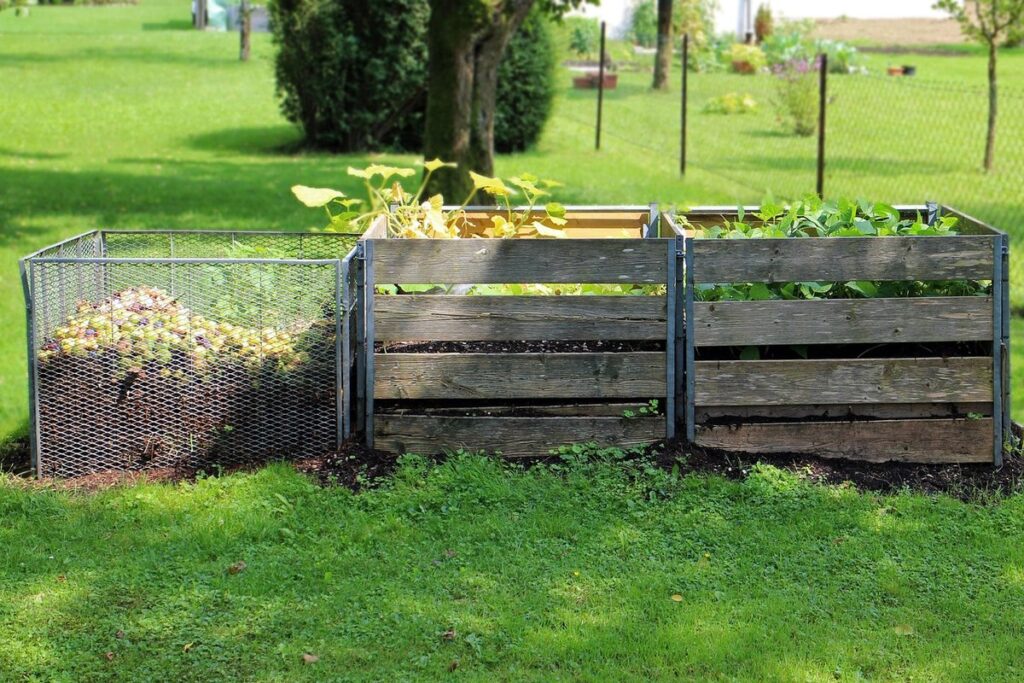
Benefits and Importance of Composting
Composting is not only beneficial for the environment, but it also has a significant impact on your garden’s health and productivity, making it an essential skill to learn. Let’s dive into the benefits of composting.
Why Composting Matters
Composting is an essential practice that not only benefits our environment but also helps us reduce waste and conserve resources. When we compost, we’re diverting organic materials from landfills, which are the third largest human source of methane emissions. By reducing the amount of waste sent to landfills, we’re also conserving landfill space and minimizing the environmental impacts associated with these facilities.
Composting also plays a crucial role in water conservation. Food scraps and yard trimmings can account for up to 30% of municipal solid waste, which ultimately ends up in landfills where it takes hundreds of years to decompose. This decomposition process releases methane, a potent greenhouse gas that contributes to climate change. By composting these materials, we’re reducing the amount of water needed for irrigation and minimizing the energy required for wastewater treatment.
In your own backyard, you can start making a difference by implementing a composting program. Begin by setting up a designated area for your compost pile and collecting organic materials like food scraps, leaves, and grass clippings. As you build your pile, aim to maintain a mix of “green” materials (high in nitrogen) and “brown” materials (high in carbon). Regularly turning your pile will help it break down efficiently and minimize odors.
Nutrient-Rich Soil and Healthy Ecosystems
When you create a compost pile at home, one of the most significant benefits is its impact on nutrient-rich soil and healthy ecosystems. Compost can significantly improve soil structure by increasing water retention capacity, aeration, and overall fertility. This, in turn, supports healthy plant growth as plants are better able to absorb essential nutrients from the soil.
Composting also reduces the need for synthetic fertilizers, which can pollute our environment and harm ecosystems. By incorporating compost into your gardening routine, you’ll be creating a nutrient-dense soil ecosystem that promotes beneficial microbial activity. This will not only enhance plant growth but also foster a diverse array of beneficial insects, such as earthworms and bees.
To maximize the benefits of your compost pile on nutrient-rich soil and healthy ecosystems, aim to create a balance of green (nitrogen-rich) and brown (carbon-rich) materials. Regularly turning the pile will help speed up decomposition and prevent anaerobic conditions that can lead to odors or pests.
Choosing the Right Location for Your Compost Pile
When it comes to building a compost pile, selecting a suitable location is crucial – let’s explore the key factors to consider in choosing the perfect spot. This includes sunlight, accessibility, and drainage considerations.
Selecting a Safe and Accessible Spot
When selecting a location for your compost pile, there are several factors to consider. First and foremost, think about proximity to water sources. Ideally, you’ll want to place your compost pile near a hose or a spigot, making it easy to access water when needed. This is especially important during hot summer months when moisture levels can get low.
Another crucial consideration is sunlight exposure. While some sunlight is beneficial for composting, too much direct sun can cause the pile to dry out and become anaerobic (oxygen-deprived). Aim for a spot that receives partial shade, especially in warmer climates. This will help maintain a consistent temperature and prevent overheating.
Consider the wind direction as well. You want your compost pile to be shielded from strong winds that could scatter materials or disrupt the balance of carbon-rich “brown” materials with nitrogen-rich “green” materials. Choose a spot that’s relatively sheltered, but still accessible for regular maintenance.
Considering Space and Aesthetics
When selecting a location for your compost pile, it’s essential to find a balance between functionality and aesthetics. You want a spot that’s easily accessible yet visually appealing. Consider the following factors: proximity to a water source, sunlight exposure, and nearby pathways.
Ideally, position your compost pile near a water supply, such as a hose or rainwater collection system. This will save you time and effort when maintaining it. However, be mindful of the surrounding area’s appearance. Aesthetics play a crucial role in choosing a spot for your compost pile. Avoid placing it in front of windows or directly adjacent to living spaces.
When it comes to sunlight exposure, aim for partial shade, especially during the hottest summer months. Too much direct sunlight can cause moisture loss and unpleasant odors. Consider using trees or a gazebo to provide natural shading.
Lastly, ensure your compost pile is near a pathway or walkway, making it easier to access when needed. This will also help you maintain visibility from a distance, reducing any potential eyesore concerns.
Gathering Materials and Starting Your Compost Pile
To start composting, you’ll first need to gather the right materials, including brown and green ingredients, as well as a suitable location for your pile. Let’s discuss how to collect everything you need.
What Can and Cannot Be Added to the Compost
When adding materials to your compost pile, it’s essential to know what can and cannot be included. This will ensure a balanced mix of nutrients and prevent potential issues. Suitable organic materials for composting include:
Food waste: Fruit and vegetable peels, tea bags, coffee grounds, and eggshells are all great additions.
Leaves: Shredded or whole leaves provide carbon-rich material, helping to balance out the nitrogen-rich food scraps.
Grass clippings: Fresh or dried grass can be added, but in moderation, as they’re high in nitrogen.
Manure from herbivores: This includes horse, cow, or rabbit manure. However, make sure it’s fresh and free of contaminants.
On the other hand, there are some materials that shouldn’t be composted:
Meat, bones, and dairy products: These can attract pests and create unpleasant odors.
Pet waste: It may contain pathogens and parasites that can harm humans and pets alike.
Weeds with seeds: Some weeds can sprout in the compost pile, making it harder to control unwanted growth.
Chemically treated materials: Avoid adding anything sprayed with herbicides or pesticides to prevent transferring these toxins into your compost.
By understanding what’s safe to add and what’s not, you’ll create a balanced compost pile that’s perfect for nurturing your garden.
Setting Up the Composting Process
When setting up your compost pile, it’s essential to layer materials in a way that promotes aerobic decomposition and minimizes odors. This involves creating a balanced mix of “green” and “brown” materials.
Green materials, such as fresh grass clippings or food scraps, are high in nitrogen and can make the composting process smell unpleasant if not managed correctly. To minimize odors, layer green materials with brown materials like dried leaves or shredded newspaper. Start with a 4-6 inch layer of brown materials at the bottom of your pile to provide a carbon-rich base.
Next, add a 2-3 inch layer of green materials on top of the brown layer. Repeat this process, ending with a layer of brown materials on top. This alternating pattern helps to maintain oxygen flow and encourages aerobic decomposition.
As you build each layer, use the following ratio as a guide: for every one part of green material, add two or three parts of brown material. This will create an optimal balance of carbon and nitrogen, promoting efficient decomposition and minimizing odors.
Maintaining Your Compost Pile: Tips and Tricks
Once your compost pile is up and running, it’s essential to keep it well-maintained to ensure a healthy decomposition process. We’ll share our top tips for keeping your pile in top condition.
Monitoring Moisture Levels and Temperature
Monitoring moisture levels and temperature is crucial to ensure that your compost pile is breaking down efficiently. If the pile becomes too dry, decomposition will slow down significantly. Conversely, if it’s too wet, odors will be released, attracting pests and creating unpleasant conditions.
To maintain optimal moisture levels, aim for a mixture of “damp soil” consistency throughout the pile. This should feel like a sponge that’s been squeezed out but still retains some water. Check the moisture levels by sticking your hand into the pile or using a compost thermometer to measure internal temperatures. Regularly turn and aerate the pile to distribute heat and moisture evenly.
Temperature is another critical factor. Compost piles typically reach their highest temperature (around 160°F) within 2-4 days of active decomposition. This indicates that beneficial microorganisms are present and working effectively. As the temperature cools, it’s a sign that the process has slowed down, and you may need to add more “green” materials (e.g., food scraps or grass clippings) to stimulate activity again.
Monitor your pile regularly for signs of imbalance, such as unusual odors or an excessive buildup of insects. This will allow you to take corrective action before these issues escalate into problems.
Controlling Pests and Odors
Controlling pests and odors is an essential aspect of maintaining a healthy compost pile. Pests like rodents, flies, and ants can be attracted to the nutrient-rich environment, while unpleasant odors can emanate from over-accumulation of moisture or food scraps.
To prevent these issues, it’s crucial to balance the carbon-to-nitrogen ratio in your compost pile. A mix of 2/3 “brown” materials (dried leaves, straw) and 1/3 “green” materials (food scraps, grass clippings) will help regulate moisture levels and minimize odors.
Regular turning is also vital to maintain airflow and prevent pests from taking hold. Aim for every 7-10 days during the active decomposition phase. You can use compost covers or burlap bags to suppress weeds and retain heat while keeping pests out. Additionally, adding a 2-inch layer of finished compost at the bottom of the pile will help reduce odors and stabilize pH levels.
By implementing these simple strategies, you’ll be well on your way to creating a thriving, pest-free compost ecosystem that turns kitchen scraps into nutrient-rich gold for your garden.
Composting Challenges: Troubleshooting Common Issues
As you build your compost pile, you may encounter some setbacks that can be frustrating and confusing. This section is here to help you troubleshoot common issues and get your composting back on track.
Managing Unpleasant Odors or Pests
Managing unpleasant odors or pests can be one of the most frustrating challenges when composting at home. These issues not only affect the aesthetic appeal of your compost pile but also compromise its effectiveness.
When dealing with foul smells, it’s essential to identify the root cause. Is it too much nitrogen-rich material like food scraps or pet waste? Are there inadequate carbon sources like leaves or twigs? Perhaps the pile is too wet due to excessive watering?
To address odors, mix in more brown materials (carbon-rich) like dry leaves or shredded newspaper. This will help balance out the green materials and create an environment that fosters healthy decomposition.
Pests can also be a significant problem. Flies, rodents, and ants are common culprits when it comes to composting at home. To deter these pests, ensure your pile has adequate moisture and carbon sources. You can also sprinkle diatomaceous earth or cinnamon around the perimeter to repel insects. Regularly turning the pile will help aerate it and reduce pest habitats.
For particularly stubborn odors or pest infestations, consider adding a 2-3 inch layer of finished compost on top. This will act as a barrier and suppress any lingering issues.
Reviving a Stagnant Compost Pile
If you’ve noticed that your compost pile has become stagnant and is no longer breaking down properly, don’t worry – it’s a common issue many home composters face. Reviving a stagnant compost pile requires some effort, but with the right approach, you can get it back on track.
Firstly, inspect the pile to identify the underlying cause of stagnation. Check for excessive moisture or dryness, which can hinder decomposition. If your pile is too wet, turn it to aerate it and let it dry out slightly. Conversely, if it’s too dry, add more water to achieve a moist consistency.
Another key factor is temperature. Compost piles need oxygen to break down organic matter efficiently. Turn the pile regularly to introduce air and speed up decomposition. You can also add a compost turner or aerator tool to make this process easier.
To jumpstart your stagnant compost pile, consider adding a mix of “green” materials (high in nitrogen) like fresh grass clippings or food scraps with “brown” materials (rich in carbon) like dried leaves or shredded newspaper. This balance will help stimulate microbial activity and get the decomposition process going again.
Harvesting and Using Your Finished Compost
Now that you’ve patiently waited for your compost pile to break down, it’s time to harvest and use its rich, nutrient-dense goodness in your garden. Let’s explore how to make the most of your finished compost!
Knowing When It’s Ready
Knowing when your compost is finished can be tricky, but there are some clear signs to look out for. A finished compost will have undergone significant decomposition and will have a rich, earthy aroma. Check the color of the compost – it should be dark brown or black, indicating high carbon-to-nitrogen ratios.
Look for signs of nutrient-rich soil structure, such as worm activity, which can indicate that the compost is teeming with beneficial microbes. The texture of the compost will also change, becoming smooth and well-mixed. You may notice a slight effervescence when you mix it, due to the release of carbon dioxide.
To check if your compost is finished, perform the “squeeze test”: take a handful of compost and squeeze it tightly. If water drips from the compost, it’s ready to use as fertilizer. Finally, consider the age of the compost – most compost piles will be ready in 3-6 months, depending on factors like temperature, moisture, and carbon-to-nitrogen ratios. With these signs, you’ll know when your compost is finished and ready for harvest.
Tips for Using Compost in the Garden or Indoor Plants
Now that you have a rich supply of finished compost, it’s time to put it to good use in your garden and indoor plants. One of the most rewarding ways to do this is by incorporating compost into your gardening practices.
To start, mix 2-4 inches of compost into the top layer of soil before planting new flowers or vegetables. This will improve drainage, aeration, and nutrient availability for your plants. You can also use compost as a mulch to retain moisture and suppress weeds. For example, spread a 1-inch layer of compost around established plants, leaving a 2-inch gap between the compost and plant stems.
Indoor plants benefit greatly from compost too! Use it as a potting mix or top-dressing for potted plants. Mix 10-20% compost with potting soil to create a nutrient-rich blend. Alternatively, sprinkle a thin layer of compost on the surface of potted plants and water gently to help retain moisture.
By incorporating your homemade compost into gardening practices and indoor plant care, you’ll be amazed at the boost in plant growth, resilience, and overall health.
Additional Resources: FAQs and Further Reading
For those who have questions or need more information, we’ve compiled a list of frequently asked questions and additional resources to supplement your composting journey.
Frequently Asked Questions About Composting
When building a compost pile at home, you might have some questions about the composting process. Here are some of the most common queries we’ve come across:
One of the most frequently asked questions is what can’t be composted. While it’s great that many food scraps and yard waste can be turned into nutrient-rich compost, there are certain items that shouldn’t be included in your pile. These include meat, bones, dairy products, oils, and pet waste – as they can attract pests and create unpleasant odors. Additionally, weeds with seeds should also be avoided to prevent their spread.
Another question is how long it takes for the composting process to complete. The time frame varies depending on factors like temperature, moisture, and aeration. On average, it can take anywhere from 2-6 months for the material to break down completely. Some people choose to turn their pile every few weeks to speed up the process.
To ensure your compost is ready to use within a reasonable timeframe, make sure you’re maintaining optimal conditions – like adequate moisture and air circulation.
Recommended Reading for Further Study
If you’re interested in learning more about sustainable gardening and composting practices, here are some recommended resources to explore.
For a deeper dive into composting techniques, “The Composting Handbook” by Joan G. Iverson is an excellent resource. This comprehensive guide covers everything from the basics of composting to advanced techniques for optimizing your pile’s performance. The book also includes practical advice on troubleshooting common issues and maintaining a healthy compost environment.
Another valuable resource is the National Resources Conservation Service (NRCS) website, which offers a wealth of information on sustainable gardening practices, including composting guidelines and best management practices. You can find detailed information on compost pile construction, maintenance, and monitoring, as well as tips for incorporating compost into your garden soil.
Additionally, the book “The New Seed Starter’s Handbook” by Nancy Bubel provides practical advice on starting seeds indoors and outdoors using sustainable methods. While not exclusively focused on composting, this resource offers valuable insights into creating healthy garden environments through organic practices.
Frequently Asked Questions
How often should I turn my compost pile to maintain optimal conditions?
Turning your compost pile regularly is crucial for maintaining oxygen flow, temperature, and moisture levels. Aim to turn it every 7-10 days, especially during the first few months when decomposition occurs rapidly. This will help prevent matting and ensure that your pile breaks down efficiently.
Can I add meat, dairy, or oily foods to my compost pile?
No, it’s best to avoid adding meat, dairy, or oily foods to your compost pile as they can attract pests and create unpleasant odors. These items are high in nitrogen but low in carbon, which can disrupt the balance of your compost pile. Instead, focus on adding vegetable scraps, leaves, grass clippings, and other carbon-rich materials.
How do I know if my compost is ready for use?
Check for a few signs: the compost should be dark, crumbly, and have an earthy aroma. It should also be easy to shred or crumble between your fingers. If it’s still too wet or smelly, give it more time. As a general rule, allow 3-6 months for composting in temperate climates.
Can I compost with small spaces or indoor plants?
Yes! You can create a compact compost pile using a bin or tumbler, perfect for urban gardens or indoor spaces. Choose a method that suits your space, such as vermicomposting (worm composting) or bokashi composting. These methods allow you to break down organic waste without occupying too much outdoor space.
What happens if my compost pile gets too hot and starts to burn?
Yes! If your compost pile gets too hot (above 160°F/71°C), it can start to kill off beneficial microorganisms and create unpleasant odors. To prevent this, ensure adequate carbon-to-nitrogen ratios, maintain sufficient moisture levels, and turn the pile regularly. Monitor temperature levels by inserting a thermometer into the center of your compost pile.