
Sweet potatoes are one of the most rewarding vegetables to grow in your garden. Not only do they produce delicious tubers, but they’re also packed with nutrients and can thrive in a variety of climates. However, growing sweet potatoes requires some specific conditions to be met, particularly when it comes to their roots. If you’ve tried growing sweet potatoes before and struggled to get them established, or if you’re new to gardening altogether, this guide is for you.
We’ll cover the essential climate and soil requirements that sweet potatoes need to grow, including optimal temperature ranges and soil pH levels. We’ll also walk through step-by-step planting techniques and offer expert tips on how to care for your sweet potato plants throughout their growth cycle. Finally, we’ll share our top harvesting tips so you can enjoy a bountiful crop of homegrown sweet potatoes in no time!
Understanding Sweet Potatoes and Their Needs
To successfully grow sweet potato roots, it’s essential to understand their unique needs, including optimal soil conditions and moisture levels. Let’s explore these factors in detail.
Subsection 1.1: What are Sweet Potatoes?
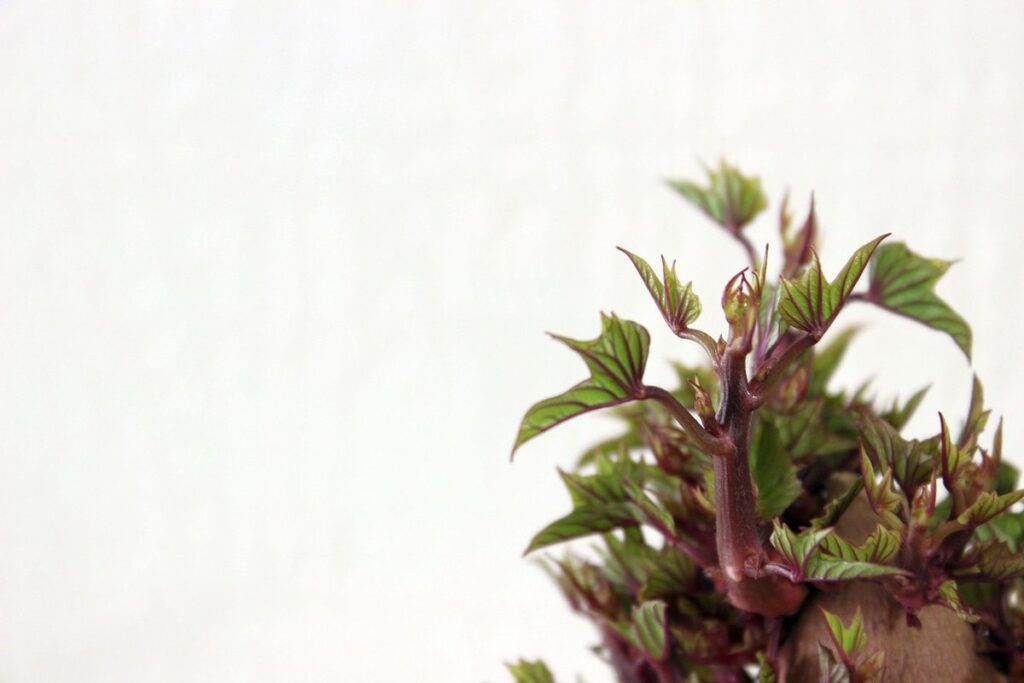
Sweet potatoes are one of the most widely consumed root vegetables globally, with over 100 varieties grown worldwide. From a botanical standpoint, sweet potatoes belong to the morning glory family (Convolvulaceae) and are scientifically known as Ipomoea batatas. This classification might come as a surprise, but it explains why sweet potatoes have heart-shaped leaves that resemble those of their flowering cousins.
Nutritionally speaking, sweet potatoes are powerhouses. They’re rich in vitamins A and C, potassium, and dietary fiber, making them an excellent choice for health-conscious gardeners. In fact, a single medium-sized sweet potato contains about 40% of the recommended daily intake of vitamin A! This impressive nutrient profile has contributed to their long history of cultivation, dating back over 7,000 years in the Americas.
Sweet potatoes have been a staple crop in many cultures for centuries, with indigenous communities in Central and South America cultivating them as early as 5,000 BCE. They were later introduced to Africa by Portuguese traders and became an integral part of African cuisine. Today, sweet potatoes are grown in over 100 countries, with China being the world’s largest producer. As a gardener, understanding the origins and nutritional benefits of sweet potatoes will help you appreciate their value as a crop and provide better care for your plants.
Subsection 1.2: Climate and Soil Requirements
When it comes to growing sweet potatoes, understanding the ideal climate and soil conditions is crucial for a bountiful harvest. Sweet potatoes thrive in warm temperatures, typically above 60°F (15°C), but they can’t tolerate extreme heat. They prefer daytime temperatures between 75°F (24°C) and 85°F (29°C), while nighttime temperatures should be around 65°F (18°C). Avoid planting sweet potatoes in areas with frequent frost or where the temperature drops below 50°F (10°C).
In terms of humidity, sweet potatoes love a moist environment but can’t tolerate waterlogged soil. Aim for an average relative humidity of 60-80%. When it comes to soil pH, sweet potatoes prefer a slightly acidic to neutral soil pH between 5.5 and 7.0.
To ensure your sweet potatoes receive the right amount of moisture, aim to provide around 20-25 inches (500-650 mm) of annual rainfall or supplemental irrigation. Also, maintain good air circulation to prevent fungal diseases like powdery mildew. Keep in mind that sweet potato plants have a long taproot and prefer well-draining soil with a depth of at least 12 inches (30 cm).
Preparing the Soil for Sweet Potato Roots
Before you start planting, it’s essential to prepare your soil properly for sweet potato roots. This involves creating a well-draining and nutrient-rich environment that will support healthy root growth.
Subsection 2.1: Testing and Amending the Soil
Testing and amending the soil is a crucial step in preparing it for sweet potato roots. Sweet potatoes prefer a slightly acidic to neutral soil pH, ranging from 5.5 to 6.8. To determine the current pH level of your soil, you can purchase a soil testing kit or send a sample to a laboratory for analysis.
Nutrient levels are also essential to consider. Sweet potatoes require a balanced diet of nitrogen (N), phosphorus (P), and potassium (K). A general rule of thumb is to aim for 1-2% organic matter in the top 6 inches of soil, which can be achieved through composting or adding well-rotted manure.
If your soil test reveals inadequate nutrient levels or an unfavorable pH, it’s time to amend. Add elemental sulfur to lower the pH, or lime to raise it. For nutrient deficiencies, incorporate organic matter like peat moss, coconut coir, or green sand. Aiming for a 2-3 inch layer of amended topsoil around your sweet potato plants will give them the best chance at healthy growth and development.
Subsection 2.2: Choosing the Right Variety for Your Region
When it comes to growing sweet potatoes, choosing the right variety is crucial for success. With hundreds of varieties available, selecting one that thrives in your specific region can be overwhelming. To make an informed decision, let’s break down some popular sweet potato varieties and their adaptability to different climates.
In general, sweet potato varieties fall into three main categories: heat-tolerant, cool-season, and semi-vining. Heat-tolerant varieties like ‘Beauregard’ and ‘Covington’ are perfect for warm regions with long growing seasons, while cool-season varieties like ‘Jewel’ and ‘O’Henry’ excel in cooler climates with shorter summers. Semi-vining types, such as ‘Georgia Jet’, offer a compromise between heat tolerance and cold hardiness.
When selecting the right variety for your area, consider factors like temperature, moisture levels, and pest pressure. Check local nurseries or online seed catalogs to see which varieties are recommended for your region. Read through customer reviews and ask fellow gardeners about their experiences with specific varieties. By choosing a suitable sweet potato variety, you’ll be well on your way to a bountiful harvest.
Planting Sweet Potatoes for Healthy Roots
When it comes to cultivating robust and disease-resistant sweet potatoes, planting them correctly is a crucial step that sets the foundation for healthy roots. Let’s dive into the process of getting your sweet potato plants off to a great start.
Subsection 3.1: Timing and Sowing Methods
When it comes to planting sweet potatoes for healthy roots, timing and sowing methods play a crucial role. The ideal time to plant sweet potatoes depends on your location and climate zone.
In general, sweet potatoes thrive in warm weather, typically between 60°F to 85°F (15°C to 30°C). For regions with mild winters, you can start planting as early as February or March, while for areas with harsher winters, it’s best to wait until the soil has warmed up and all danger of frost has passed.
When sowing, make sure to plant sweet potato slips about 12 inches deep in well-draining, loose soil. Space them 3-4 feet apart to allow for good air circulation and prevent disease from spreading. If you’re planting in a cold climate, you can start with seedlings indoors 2-3 weeks before the last frost date.
Consider your specific region’s growing season and adjust sowing times accordingly. For example, in zones 8-10, sweet potatoes can be grown year-round, but in cooler zones, they typically thrive from May to October. By choosing the right planting time and spacing for your area, you’ll set your sweet potato roots up for success.
Subsection 3.2: Using Seedlings or Direct Sowing
When it comes to growing sweet potatoes with healthy roots, two popular methods are using seedlings and direct sowing. While both techniques have their advantages, understanding the pros and cons of each can help you choose the best approach for your garden.
Using seedlings is a great way to get a head start on the growing season. By purchasing or starting seedlings from seeds indoors 4-6 weeks before the last frost date in your area, you can transplant them into your garden when the weather warms up. This method allows you to control the growing environment and reduce the risk of seedling loss due to pests or diseases. However, it does require more care during the early stages, as seedlings need to be hardened off before being transplanted.
On the other hand, direct sowing involves planting sweet potato seeds directly into the garden bed. This method is often preferred by gardeners who want a low-maintenance approach and don’t mind waiting for the plants to mature at their own pace. Direct sowing can also help reduce soil compaction and promote healthy root development. However, it may take longer to see results, as the seeds need time to germinate and establish themselves in the soil.
Ultimately, whether you choose to use seedlings or direct sow your sweet potatoes, make sure to provide them with a warm, sunny spot and well-draining soil to encourage healthy growth and root development. It’s also essential to keep the soil consistently moist during the early stages of growth, as this will help prevent stress on the plants and promote robust root development.
Care and Maintenance for Sweet Potato Roots
To keep your sweet potato roots healthy, it’s essential to provide them with proper care and maintenance. This includes regular watering and monitoring for signs of disease or pests.
Subsection 4.1: Watering and Mulching Techniques
Watering and mulching are two critical aspects of sweet potato care that can make all the difference between a healthy harvest and a disappointing one. When it comes to watering, sweet potatoes need consistent moisture, especially during their first 60 days after planting. However, overwatering is just as detrimental as underwatering. To avoid this, establish a regular watering schedule based on weather conditions.
For optimal results, water your sweet potato plants when the top 2-3 inches of soil feel dry to the touch. You can also use the “finger test” – stick your finger into the soil up to the knuckle; if it feels dry, it’s time to water. Mulching is another essential technique for maintaining healthy roots and preventing diseases. Organic mulch such as straw, wood chips, or grass clippings helps retain moisture in the soil while keeping weeds at bay.
When selecting a mulch, make sure to maintain a 2-3 inch layer around your plants to prevent moisture from seeping into the tubers. This also inhibits fungal growth and other diseases that thrive in damp environments. Regularly replenish your mulch as it breaks down to ensure continued protection for your sweet potato roots.
Subsection 4.2: Pest and Disease Management
As you continue to care for and maintain your sweet potato roots, it’s essential to be aware of potential pests and diseases that can affect their health. Unfortunately, sweet potatoes are susceptible to a variety of common issues, but don’t worry – we’ve got some effective strategies to help minimize damage.
Some of the most prevalent pests affecting sweet potatoes include aphids, whiteflies, and nematodes. These tiny critters feed on plant sap, causing yellowing leaves and stunted growth. To combat them, use neem oil or insecticidal soap to create a barrier against infestations. Regularly inspect your plants for signs of pest activity and remove any affected areas.
As for diseases, sweet potatoes are particularly vulnerable to root rot, caused by fungi such as Phytophthora and Pythium. This can be prevented by maintaining good drainage, avoiding overwatering, and ensuring the soil is free from debris. If you do notice symptoms like soft spots or mushy texture, immediately remove and destroy infected roots.
To integrate pest management (IPM) strategies into your routine, consider the following tips: use physical barriers to protect plants, adopt a crop rotation schedule, and encourage beneficial insects like ladybugs and lacewings, which prey on pests.
Encouraging Healthy Root Growth
When growing sweet potatoes, healthy root growth is crucial for a bountiful harvest. In this section, we’ll explore tips and tricks to foster optimal root development.
Subsection 5.1: Nutrient-Rich Fertilization
When it comes to promoting healthy root growth in sweet potatoes, nutrient-rich fertilization plays a vital role. Sweet potato plants require a balanced diet of essential nutrients to produce a strong and extensive root system.
First and foremost, sweet potatoes need a steady supply of nitrogen (N), phosphorus (P), and potassium (K) – commonly referred to as NPK. These three macronutrients are crucial for promoting growth, development, and root formation. Nitrogen fuels leaf growth and production, while phosphorus supports root development and overall plant health. Potassium helps regulate water balance and promotes resistance to disease.
Organic options like compost tea, fish emulsion, or bone meal can provide a slow release of these essential nutrients, while synthetic fertilizers like ammonium sulfate or diammonium phosphate offer a quicker fix. However, keep in mind that excessive use of synthetic fertilizers can harm the environment and compromise soil health.
A good rule of thumb is to start with organic options and gradually move to synthetic if necessary. Aim for a balanced NPK ratio (e.g., 10-20-10) and apply it according to package instructions or consult a local nursery expert for specific advice.
Subsection 5.2: Pruning and Training Methods
When it comes to encouraging healthy root growth in sweet potatoes, pruning and training methods play a crucial role. By carefully selecting which branches to remove, you can promote vigorous growth, reduce disease susceptibility, and ultimately boost yields.
To start, focus on removing weak or spindly growth that’s not producing any tubers. This will allow the plant to direct its energy towards developing more robust roots. Prune back shoots that are growing towards the ground, as these can lead to “tuberless” stems that drain the plant’s resources.
Another technique is to pinch out the tips of your sweet potato plants when they reach about 12 inches tall. This encourages branching and increases the number of tubers produced per plant. You should also remove any damaged or diseased leaves, which can help prevent the spread of disease and promote healthy growth. By employing these pruning techniques, you’ll be well on your way to developing a robust and productive sweet potato crop.
Harvesting Sweet Potatoes for Maximum Yields
To ensure you’re getting the most out of your sweet potato harvest, learn how to properly identify when they’re ready and the best ways to bring them in without damaging the roots. This is crucial for maximizing yields.
Subsection 6.1: Determining Maturity and Timing
When it comes to harvesting sweet potatoes for maximum yields, timing is everything. To determine if your sweet potatoes are mature and ready for harvest, look for physical signs of readiness.
Check the vines for a change in color. As sweet potatoes mature, the vines will begin to wilt and turn yellow or brown. This is a clear indication that the tubers inside have reached full maturity.
Another sign of readiness is the size and firmness of the tubers themselves. Mature sweet potatoes should be firm and hard, but not too hard to puncture with your fingernail. If they’re soft or squishy, it’s best to wait a few more days for them to fully mature.
You can also check for the presence of “eyes” on the tubers. As sweet potatoes age, new eyes will begin to form, which is a sign that they are ready to be harvested and replanted.
Remember, over-maturity can lead to poor quality tubers and reduced yields. So, keep an eye on your vines and tubers for these signs of readiness, and harvest your sweet potatoes at the optimal time to ensure maximum yields.
Subsection 6.2: Harvest Techniques and Storage Methods
When it’s time to harvest your sweet potatoes, careful digging techniques are crucial to avoid damaging the roots. Start by gently loosening the soil around the plants with a fork, taking care not to cut into the tubers themselves. Next, use a spade or shovel to carefully dig up the plants, making sure to get as much of the root system as possible.
To minimize damage, it’s essential to avoid pulling on the plants themselves, as this can cause the roots to break off. Instead, focus on digging around and beneath the plant, using a gentle sawing motion with your spade or shovel. If you’re unsure where the tubers are located, try gently feeling the soil with your fingers to get an idea of their size and depth.
Once harvested, store your sweet potatoes in a cool, dark place with good ventilation. A temperature range of 50-60°F (10-15°C) is ideal for maintaining quality. Avoid storing them near fruit or other produce that may release ethylene gas, which can cause the sweet potatoes to ripen too quickly.
Conclusion
Now that you’ve gained valuable insights into the intricacies of sweet potato growing roots, it’s time to put your newfound knowledge into practice. As you plant and nurture your sweet potatoes, remember that patience is key. Don’t be discouraged if your plants face setbacks or take longer than expected to mature – this is a normal part of the growth process. Instead, stay vigilant, provide optimal care, and trust in the natural cycle of growth.
With dedication and attention to detail, you’ll soon be harvesting a bountiful crop of delicious sweet potatoes. Whether you’re a seasoned gardener or just starting out, the rewards of growing your own sweet potatoes are well worth the effort. So go ahead, dig in, and enjoy the journey from seed to plate!
Frequently Asked Questions
Can I grow sweet potatoes in a small garden or container?
Yes, you can grow sweet potatoes in containers, but ensure the container is at least 6-8 inches deep to accommodate the roots’ growth. Use a well-draining potting mix and follow the same climate and soil requirements as for in-ground gardens.
How do I prevent my sweet potato plants from becoming diseased?
To prevent disease, maintain good air circulation around your plants, remove any affected leaves or stems, and avoid overhead watering. Regularly inspect your plants for signs of pests or diseases and take action promptly if you notice any issues.
What happens if I don’t follow the correct planting depth for sweet potatoes?
If you plant sweet potato slips too deeply, they may rot before producing roots. If planted too shallowly, the tubers may not form properly. Plant them 2-4 inches deep to ensure optimal growth and root development.
Can I harvest sweet potatoes in cooler temperatures or during winter?
While sweet potatoes can tolerate some frost, they typically prefer warmer temperatures for optimal yields. In cooler climates, consider using row covers or other protection methods to extend the growing season. Harvest sweet potatoes before the first hard frost to ensure quality tubers.
How do I know when my sweet potato roots are mature and ready for harvest?
Check for mature roots by carefully digging around the plants with a fork. The roots should be firm, but not hard, and the skin should be smooth and free of bruises or blemishes. Use this method to determine maturity and avoid over- or under-harvesting your sweet potatoes.