
Tomatoes come in all shapes and sizes, but have you ever stopped to think about just how many different types there actually are? From cherry tomatoes perfect for snacking to beefsteak tomatoes ideal for slicing, each variety has its own unique characteristics. But with over 20 distinct types of tomatoes out there, it can be hard to keep track of them all.
In this comprehensive guide, we’ll take a closer look at the fascinating world of tomatoes. We’ll explore everything from heirloom and hybrid varieties to cherry and beefsteak tomatoes, highlighting their benefits, uses, and characteristics along the way. Whether you’re a seasoned gardener or just starting out, this article is the perfect resource for anyone looking to get to know their favorite fruit (yes, technically a fruit!) better.
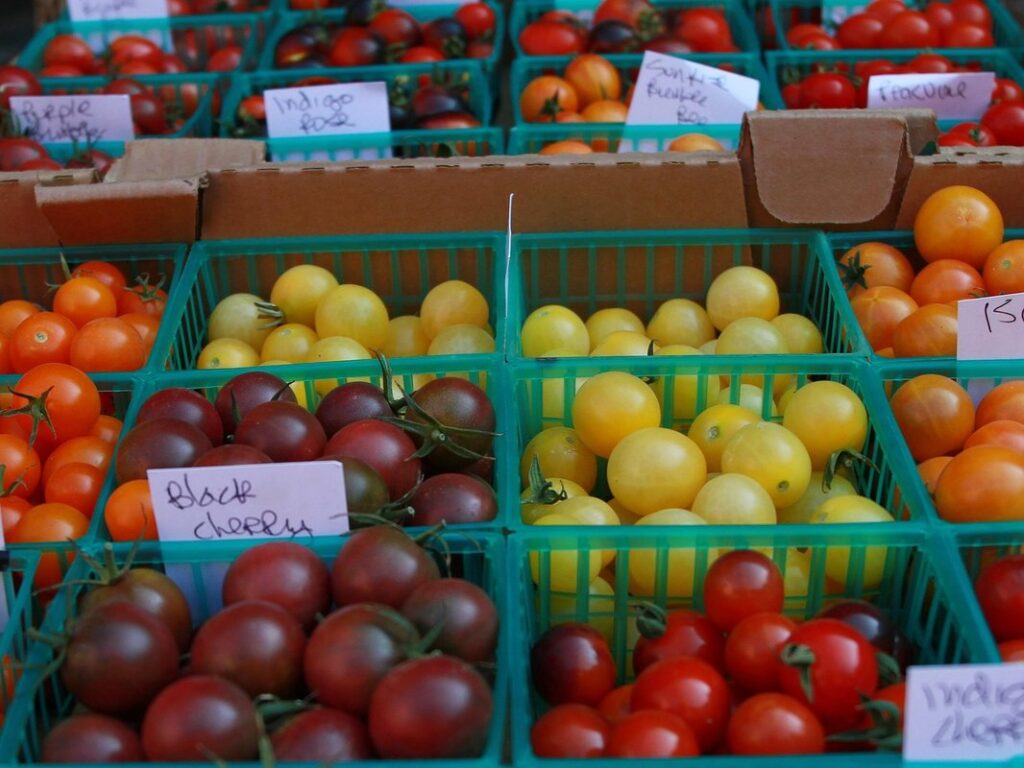
Understanding Tomato Classification
Did you know that there are dozens of distinct tomato varieties, each with its own unique characteristics and growth patterns? In this next part, we’ll dive into the world of classification.
What is a Tomato?
A tomato is one of the most widely consumed vegetables (yes, you read that right – it’s often referred to as a vegetable, but we’ll get to that later!) and yet, it has an incredibly complex and diverse classification. But before we dive into the numerous types of tomatoes out there, let’s start with the basics: what is a tomato?
From a botanical standpoint, a tomato is technically a fruit – specifically, a type of berry known as a “true berry.” This might seem counterintuitive, but from a biological perspective, fruits develop from the ovary of a flower and contain seeds, just like tomatoes do. In fact, other examples of fruits that are often mistaken for vegetables include cucumbers, squash, and eggplant.
So why is it that we commonly refer to tomatoes as vegetables? The answer lies in culinary tradition. Tomatoes are typically used in savory dishes rather than sweet ones, like desserts or fruit salads. This has led to their classification as a vegetable in the kitchen, even if they’re technically fruits.
Tomato Species and Varieties
Tomato species and varieties are incredibly diverse, with thousands of options available for home gardeners and commercial farmers. At its core, most tomatoes belong to the Solanum lycopersicum species, which accounts for over 90% of global tomato production. Within this species, you’ll find a staggering array of varieties that cater to different tastes, climates, and growing conditions.
Some popular varieties include Cherry Tomatoes, known for their small size and sweet flavor; Beefsteak Tomatoes, prized for their large, meaty texture; and Roma Tomatoes, ideal for sauces and canning due to their elongated shape and dense flesh. Other notable varieties include Patio Tomatoes, compact and perfect for container gardens, and Heirloom Tomatoes, celebrated for their unique flavors and colors.
When selecting a tomato variety, consider factors such as climate, space constraints, and desired uses in cooking. By exploring the many species and varieties within Solanum lycopersicum, gardeners can find the perfect fit for their needs and enjoy a bountiful harvest of delicious tomatoes all season long. Whether you’re a seasoned gardener or just starting out, understanding the diversity of tomato species will help you make informed choices and unlock the full potential of your tomato crop.
Heirloom Tomatoes: A Delight for Gardeners and Chefs
Heirloom tomatoes come in a staggering array of colors, shapes, and sizes, making them a true delight for gardeners and chefs to work with. From cherry-sized Sungold to massive Beefsteak varieties, the options are endless.
Characteristics of Heirloom Tomatoes
Heirloom tomatoes are truly a treasure for gardeners and chefs alike. One of their most distinctive characteristics is their incredible variety in flavor profiles, which can range from sweet and tangy to bold and savory. This diversity in taste is due in part to the fact that heirlooms have not been bred for uniformity like many commercial tomato varieties.
In addition to their rich flavors, heirloom tomatoes are also known for their stunning visual appeal. Their vibrant colors – from deep reds and purples to soft pinks and yellows – add a pop of color to any dish or arrangement. Whether you’re snipping fresh herbs from your garden or presenting a beautifully plated salad, the varied hues of heirlooms can add an extra layer of visual interest.
But it’s not just about looks: many heirloom varieties are also packed with more nutrients and antioxidants than their commercial counterparts. With over 7,500 known heirloom varieties to choose from, there’s never been a better time to get experimenting with these unique gems in your cooking and gardening adventures!
Examples of Popular Heirloom Tomato Varieties
Heirloom tomatoes are a treasure trove of diversity, with countless varieties to explore. Let’s take a look at some popular examples: Brandywine is a favorite among gardeners for its rich, earthy flavor and massive size – up to 1 pound each! On the other hand, Cherry Tomatoes like ‘Redcurrant’ are perfect for snacking and salads due to their tiny size and explosive sweetness. ‘San Marzano’ heirlooms from Italy are prized for their low acidity and sweet-tart taste, making them ideal for sauces.
Other notable mentions include the beefsteak variety ‘Big Rainbow’, which boasts a vibrant color scheme and meaty texture; ‘Black Krim’ with its deep red-purple skin and tangy flavor; and ‘Yellow Pear’ – as the name suggests – producing teardrop-shaped fruits that are sweet and bursting with juice. When choosing heirloom tomatoes, consider factors like climate adaptability, disease resistance, and growth habits to ensure a bountiful harvest in your garden. By incorporating these varieties into your repertoire, you’ll be able to enjoy a world of flavors at home!
Cherry Tomatoes: Small but Mighty
With hundreds of varieties to choose from, cherry tomatoes are often overshadowed by their larger counterparts, but they’re truly one of a kind. Let’s take a closer look at what makes them special.
Sweet and Tiny: The Benefits of Cherry Tomatoes
Cherry tomatoes are one of the most beloved varieties among gardeners and chefs alike. Their small size belies a multitude of benefits that make them an excellent choice for home gardens. For one, cherry tomatoes are incredibly easy to cultivate, requiring minimal maintenance and care. They thrive in containers or in-ground beds with well-draining soil and full sun.
One of the main advantages of growing cherry tomatoes is their rapid growth rate. From sowing seeds to harvesting, it takes only about 60-90 days for them to ripen. This makes them a perfect choice for impatient gardeners who want to enjoy fresh produce quickly.
In terms of disease resistance, cherry tomatoes are also relatively low-maintenance. They are less prone to diseases like fungal infections and bacterial spot, which can devastate larger tomato varieties. Additionally, their compact size means they require fewer supports and pruning, making them a great choice for small gardens or urban spaces.
Their small size also makes them perfect for snacking, salads, and sauces. With so many advantages packed into such a tiny package, it’s no wonder cherry tomatoes are a staple in many home gardens.
Cooking with Cherry Tomatoes
When it comes to cooking with cherry tomatoes, the possibilities are endless. These small, round wonders pack a punch of flavor and can add a pop of color to any dish. One of the simplest ways to incorporate cherry tomatoes into your cooking is by adding them to salads. Sliced or halved, they’re perfect for tossing with mixed greens, mozzarella cheese, and a drizzle of balsamic glaze.
But that’s not all – cherry tomatoes are also a great addition to sauces, particularly pasta sauces. Simply sauté them with garlic and olive oil until they release their juices, then blend into your favorite sauce recipe. They’re also a tasty topping for pizzas, burgers, or even just grilled meats. Try roasting them in the oven with some olive oil and herbs for a sweet and smoky flavor.
To make the most of cherry tomatoes in your cooking, remember to choose ones that are firm and heavy for their size. Store them in an open container to allow air to circulate and prevent moisture buildup. And don’t be afraid to experiment – cherry tomatoes pair well with many flavors, from basil and mozzarella to balsamic vinegar and prosciutto.
Beefsteak Tomatoes: The King of Tomatoes
Among all the varieties, one stands out for its impressive size and flavor: the majestic beefsteak tomato. These tomatoes are often considered the ultimate choice for fresh eating and slicing in salads.
Size Matters: Characteristics of Beefsteak Tomatoes
When it comes to beefsteak tomatoes, size truly is everything. These behemoths of the tomato world have captivated gardeners and chefs alike with their unparalleled flavor, texture, and sheer scale. But what makes them so popular? For one, the massive size of beefsteak tomatoes allows for more even ripening, resulting in a more complex and intense flavor profile.
One of the most distinctive characteristics of beefsteak tomatoes is their dense, meaty texture. This is due to the high water content and low acidity levels, making them perfect for slicing and serving fresh. The large size also makes them ideal for sandwiches, salads, and sauces – after all, who doesn’t love a generous helping of juicy tomato?
Gardeners love beefsteak tomatoes because they’re often more forgiving than other varieties when it comes to growing conditions. They can thrive in full sun or partial shade, making them perfect for smaller gardens or spaces with varying sunlight levels. With proper care and attention, these behemoths can grow up to 2 pounds in weight, providing a bounty of fresh produce for months to come.
Tips for Growing Large, Juicy Beefsteaks
Growing large, juicy beefsteaks requires attention to detail and a understanding of their specific needs. When cultivating these behemoths, it’s essential to provide them with a sturdy support system to prevent them from toppling over under the weight of their own massive fruits. Use tomato cages or trellises that are at least 6 feet tall to give your beefsteaks room to grow.
In addition to structural support, beefsteak tomatoes need plenty of sunlight to produce an abundance of sugars and acids, which contribute to their characteristic flavor and texture. Aim for a spot with direct sunlight for at least 8 hours a day, and consider pruning nearby plants to reduce shade competition.
Beefsteaks also require consistent moisture levels, especially when they’re producing fruit. Water them deeply but infrequently to encourage deep root growth, which will help them withstand droughts better. By providing your beefsteak tomatoes with the right support system, adequate sunlight, and proper watering habits, you’ll be well on your way to growing these mouthwatering behemoths in no time.
Feed your plants a balanced fertilizer once a month to promote healthy growth and fruit production.
Plum Tomatoes: Perfect for Sauces and Canning
When it comes to cooking, plum tomatoes are a staple ingredient for many recipes. They’re ideal for sauces and canning due to their dense flesh and low water content.
Cooking with Plum Tomatoes
Plum tomatoes are one of the most versatile and sought-after types of tomatoes due to their unique characteristics. Their dense, meaty texture makes them an ideal choice for sauces, canning, and other cooking applications. Unlike cherry or grape tomatoes that burst with juice when cooked, plum tomatoes retain their shape while releasing a rich, intense flavor.
When cooking with plum tomatoes, it’s essential to use them at the peak of freshness to bring out their full potential. Simply core and chop them into small pieces before adding them to your favorite sauce recipe or canning project. Their low water content also makes them perfect for roasting or grilling, as they won’t become too soft or mushy.
One of the biggest advantages of using plum tomatoes is their ability to reduce cooking time and effort. Since they’re already relatively small in size, they cook down quickly into a rich, intense sauce that’s perfect for pasta dishes, pizza sauces, or as a base for soups and stews. Their flavor profile is also sweeter and less acidic than other types of tomatoes, making them an excellent choice for canning and preserving.
Benefits of Using Plum Tomato Varieties
When it comes to using tomatoes for sauces and canning, plum tomato varieties are a popular choice among gardeners and cooks alike. This is because they offer several benefits that make them ideal for these applications.
One of the main advantages of using plum tomatoes is their higher solid content compared to other types of tomatoes. This means they have less water and more flesh, making them perfect for cooking down into sauces. In fact, plum tomatoes typically contain around 6-8% solids, whereas regular tomatoes may only have 2-4%. As a result, you’ll need fewer plum tomatoes to achieve the same amount of sauce.
Another benefit is their concentrated flavor profile. Plum tomatoes are bred specifically for their intense sweetness and acidity, which makes them well-suited for canning and preserving. Their dense texture also holds up well to heat, making them less prone to breaking down during cooking. This is particularly important when canning, as it ensures that your finished products will have a consistent texture and flavor.
By using plum tomatoes in your recipes, you’ll be able to create richer, more flavorful sauces and preserves with minimal effort. They’re also a great choice for beginners, as they require less preparation time compared to other types of tomatoes.
Hybrid and Dwarf Tomatoes: Options for Space-Constrained Gardeners
For gardeners with limited space, hybrid and dwarf tomatoes are a game-changer, offering compact growth and high yields without sacrificing flavor. We’ll explore these versatile varieties next.
Characteristics of Hybrid Tomatoes
Hybrid tomatoes have revolutionized the world of gardening, especially for those with limited space. These unique varieties are the result of crossing two distinct tomato species to produce offspring that combine the best traits of each parent. This process is known as hybridization.
One of the primary benefits of hybrid tomatoes is their consistent and high yield. By selecting specific genes from both parents, breeders can create plants that thrive in a wide range of environments and conditions. This means gardeners with limited space can enjoy bountiful harvests without compromising on flavor or texture.
Hybrid tomatoes also offer improved disease resistance, which is essential for gardeners who may not have the luxury of dedicating an entire plot to their tomato crop. With hybrid varieties, you can say goodbye to pesky fungal diseases and hello to a healthier, more resilient plant.
When choosing hybrid tomatoes for your space-constrained garden, look for varieties that are specifically bred for container gardening or compact growth. Some popular options include ‘Patio’, ‘Tiny Tim’, and ‘Red Robin’. By selecting the right hybrid variety, you can unlock a world of possibilities in even the smallest of spaces.
Growing Dwarf Tomatoes in Small Spaces
When it comes to growing tomatoes in small spaces, dwarf varieties are an excellent option. These compact plants are perfect for containers or compact gardens, producing plenty of fruit without taking up too much room.
To grow dwarf tomatoes, start by choosing a variety that’s specifically bred for container growth, such as ‘Tiny Tim’ or ‘Red Robin’. These plants typically mature in 60-90 days and can thrive in small spaces with minimal care. Make sure to use a well-draining potting mix and provide support for the plant as it grows.
When selecting containers for your dwarf tomatoes, choose ones that are at least 6-8 inches deep to accommodate the roots of the plant. You’ll also want to ensure good air circulation around the plant to prevent disease. Use a trellis or tomato cage to keep the stems upright and encourage more fruiting.
By following these tips, you can enjoy a bountiful harvest of delicious tomatoes from even the smallest of spaces. With proper care and attention, your dwarf tomatoes will provide you with plenty of fresh flavor all season long.
Unusual Tomato Varieties: Exploring the World of Exotic Tomatoes
You might be surprised to learn that there are hundreds of unique tomato varieties out there, each with its own distinct flavor and texture profile. Let’s explore some of these exotic options together!
Discovering Rare and Exotic Tomato Varieties
When it comes to exploring the world of tomatoes, few people venture beyond the familiar red variety. However, there’s a vast array of unusual and exotic tomato varieties waiting to be discovered. Take, for instance, the Black Krim from Russia or the Purple Peruvian from – you guessed it! Peru. These heirloom tomatoes are not only visually stunning but also pack a unique flavor punch.
For those looking to try something new, start by seeking out local farmers’ markets or specialty grocery stores that carry exotic produce. Many online seed suppliers also offer rare and unusual tomato varieties for the adventurous gardener. When growing these varieties at home, keep in mind that they may require specific growing conditions and care. Research the needs of your chosen variety to ensure a bountiful harvest.
Some popular unusual tomato varieties include the Black Krim’s smoky flavor and the Yellow Pear’s sweet taste. Experiment with different preparations to showcase their unique characteristics. Whether you’re a seasoned gardener or just starting out, exploring these rare and exotic tomato varieties is sure to add some excitement to your kitchen adventures!
Cooking with Unique Tomato Flavors
When working with unique tomato flavors, the possibilities are endless. These distinctive tomatoes bring an explosion of taste to various dishes, transforming them into truly exceptional creations. The Brandywine, for instance, boasts a rich, tangy flavor profile that pairs perfectly with grilled meats and robust cheeses.
To unlock their full potential, consider using these unique tomatoes in sauces, soups, or salsas where their bold flavors can take center stage. Their sweetness makes them an ideal addition to salads, as well, adding depth without overpowering other ingredients. Experimentation is key – try pairing the sweet-tart taste of a Black Krim with smoky bacon for a surprising twist on classic pasta.
Some unique tomatoes to explore include the Orange Roma, boasting a vibrant orange hue and buttery texture, and the Yellow Pear, offering a delicate sweetness perfect for stuffing or using in sauces. Embracing their individual characteristics will help unlock new flavors in your cooking repertoire, allowing you to create truly memorable dishes that showcase the diversity of these exceptional tomatoes.
Frequently Asked Questions
Can I grow all types of tomatoes at home, or are some more suitable for large-scale farming?
Most varieties of tomatoes can be grown at home, but the ideal choice depends on your space and resources. Cherry and plum tomatoes are great options for small gardens, while beefsteak and heirloom tomatoes require more space and care. Consider factors like sunlight, soil quality, and pest management when selecting a variety.
How do I choose the best tomato variety for my specific climate?
Climate plays a significant role in determining which tomato varieties thrive. Research your local climate zone and look for varieties that are resistant to common pests and diseases in your area. For example, if you live in an area prone to fungal infections, opt for disease-resistant hybrids or heirlooms.
Are there any special considerations when cooking with cherry tomatoes?
Cherry tomatoes are bursting with flavor, but their small size requires some adjustments when using them in recipes. Because of their high water content and delicate texture, they’re best used fresh rather than cooked. Simply halve or quarter them and toss with olive oil, salt, and your favorite herbs for a delicious side dish.
How can I preserve my harvest to enjoy tomatoes year-round?
Preserving tomatoes allows you to enjoy your harvest even when the growing season ends. Popular methods include freezing, canning, and dehydrating. Research safe preservation techniques to ensure your homegrown tomatoes stay fresh and flavorful throughout the year.
Can I grow a mix of heirloom and hybrid tomato varieties in the same garden?
Yes, it’s perfectly fine to grow multiple types of tomato varieties together. However, keep in mind that different varieties may have varying growing requirements and space needs. Make sure to provide enough space for each variety to spread out and avoid cross-pollination issues between heirlooms and hybrids.