
Are you excited to harvest your homegrown garlic but unsure when or how to do it? Harvesting garlic at the right time is crucial for optimal flavor and quality, which means getting it just before the bulbs are ready to split. This can be a tricky process, especially if you’re new to gardening. Not only will we guide you through the best times for harvesting garlic in your garden, but we’ll also cover some essential techniques to ensure those delicious cloves come out intact. Our comprehensive guide covers storage methods, too, so you can enjoy your fresh harvest well into the winter months. With these tips and tricks, you’ll be able to grow and store high-quality garlic that’s bursting with flavor.
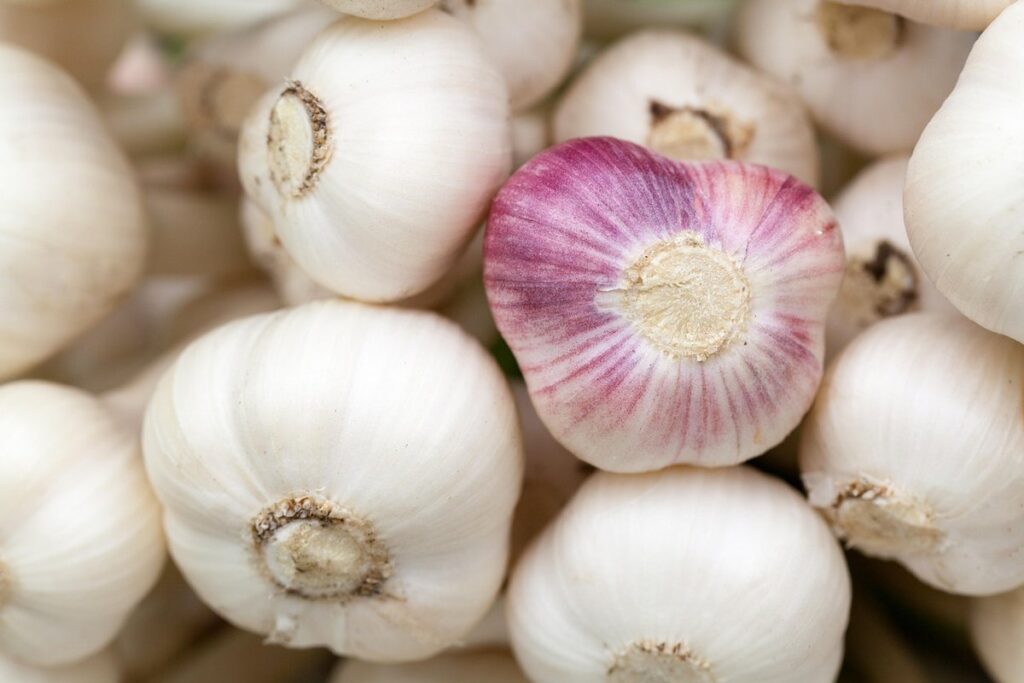
Preparing for Garlic Harvest
Before you start digging up those delicious bulbs, make sure your garden is ready for harvest time by checking soil moisture and allowing the tops to yellow.
Choosing the Right Time to Harvest
Choosing the right time to harvest garlic is crucial for ensuring a bountiful yield and optimal flavor. One of the most significant factors to consider is days to maturity, which varies depending on the specific variety you’re growing. Generally, it takes 90 to 120 days from planting to harvest, but this can range from as little as 70 days for some early varieties to over 150 days for others.
As you approach the expected harvest date, keep a close eye out for visual cues like yellowing leaves and soft necks. When about half of the leaves turn yellow, it’s usually time to dig in. Avoid waiting too long, though – if left unchecked, fungal diseases can take hold and ruin your crop.
To determine the optimal harvest time for your specific garlic variety, consult the seed packet or research the specific days to maturity for that particular strain. When you notice these visual cues, carefully loosen the soil around the plants with a fork before gently lifting them out of the ground, taking care not to damage the bulbs.
Preparing the Soil and Tools
Before you start harvesting your garlic, it’s essential to prepare the soil and tools properly. This might seem like a trivial task, but trust me, it makes all the difference in getting your harvest done efficiently and safely.
Firstly, loosen the soil around your garlic plants using a fork or a spade. This will help you access the bulbs more easily and prevent any damage to the surrounding soil. Gently pry up the clumps of dirt, working from one end of the bed to the other. As you loosen the soil, also take this opportunity to inspect for any signs of pests or diseases.
Next, sanitize your harvesting equipment – whether it’s a fork, knife, or trowel – by washing them in hot soapy water and then soaking them in a solution of 1 part bleach to 9 parts water. This will prevent the spread of disease from one plant to another. By preparing the soil and tools ahead of time, you’ll be able to focus on the fun part – harvesting your garlic!
Techniques for Hand-Harvesting Garlic
Now that you’ve grown your garlic, it’s time to carefully dig up each individual bulb by hand, using a few essential techniques to ensure they’re gently removed from the soil. This delicate process requires patience and attention to detail.
Removing the Bulbs from the Soil
Removing garlic bulbs from the soil requires care to avoid damaging the fragile plants. To start, gently loosen the soil around each bulb using a fork, taking care not to damage the neck of the bulb where it meets the stem.
Next, carefully lift the bulb out of the ground, working slowly and deliberately to minimize disruption to the surrounding soil. If the bulb is particularly large or stubbornly rooted, you may need to use your fingers or a small garden tool to gently pry it loose.
As you handle the bulbs, be mindful of their delicate nature – they can easily become bruised or damaged during this process. Handle them as little as possible and avoid touching the necks or bases of the bulbs, which are particularly vulnerable to damage.
Sorting and Curing the Harvested Bulbs
Sorting and curing the harvested garlic is an essential step to ensure that your crop remains fresh for storage. After carefully digging up the bulbs from your garden, it’s crucial to proceed with sorting and curing them immediately. Begin by gently removing any excess soil from the bulbs, taking care not to damage the delicate skin.
Next, sort the bulbs into different categories based on their size, shape, and quality. This is a critical step as it helps you identify which bulbs are suitable for storage and which might be better suited for immediate use. Generally, larger bulbs with more cloves are preferred for long-term storage.
When curing, make sure the garlic is laid out in a single layer in a well-ventilated area or under direct sunlight. The ideal temperature for drying is between 60°F to 70°F (15°C to 21°C), and it’s essential to maintain airflow around the bulbs. A dehydrator can also be used for faster curing, but be cautious not to overdry the garlic.
Allow the garlic to dry completely for 2-3 weeks before storing in a cool, dark place with good ventilation. Avoid storing garlic near onions as they give off moisture that can cause the garlic to sprout or become soggy. Properly dried and stored garlic can last up to six months.
Using Machinery for Garlic Harvest
When it comes to harvesting garlic on a larger scale, machinery can be a big time-saver and simplify the process. We’ll walk you through how to use equipment safely and effectively.
Overview of Mechanical Harvesting Methods
When it comes to harvesting garlic using machinery, there are several methods you can employ to minimize damage and make the process more efficient. One of the most common tools used for mechanical harvesting is a fork specifically designed for this task. This type of fork has longer tines that allow for easier penetration into the soil without causing excessive disturbance to the surrounding area.
Another specialized tool used for garlic harvesting is the “garlic harvester” or “gathering knife.” This device consists of a long, curved blade attached to a handle, making it easy to scoop up and remove individual bulbs from the ground. The blade’s curved shape helps to minimize damage to the bulb by lifting it gently without applying too much pressure.
Some gardeners also use a fork and knife combination method, where they insert the fork into the soil and then use the knife to carefully loosen the bulb before removing it. This approach requires more time and effort but can be effective in minimizing damage when done correctly. Regardless of the method you choose, be sure to handle the bulbs gently to prevent bruising or damaging them during harvesting.
Benefits and Drawbacks of Machine-Assisted Harvest
Machine-assisted harvesting is a viable option for gardeners who want to streamline their garlic harvest process. One of the primary benefits of machine-assisted harvesting is its ability to reduce labor costs and increase efficiency. With a mechanical harvester, you can collect large quantities of garlic in a short amount of time, saving you hours of manual labor.
However, there are some potential drawbacks to consider. For instance, investing in a machine-assisted harvester can be expensive, with prices ranging from $1,000 to $5,000 or more. Additionally, the initial setup and maintenance costs may outweigh the benefits for smaller-scale gardeners.
Another drawback is that machines may not be able to target individual cloves as well as manual harvesting methods, potentially leading to bruised or damaged garlic. Furthermore, mechanical harvesters can be noisy and may not be suitable for small gardens or those with noise restrictions. To mitigate these drawbacks, consider investing in a smaller-scale machine or exploring alternative harvesting methods.
Storing and Handling Harvested Garlic
Now that you’ve harvested your garlic, it’s essential to store and handle it properly to preserve its flavor and quality for future use. This involves carefully curing and drying the bulbs to prevent decay.
Proper Storage Conditions for Garlic
Proper storage conditions are crucial to maintain the flavor, aroma, and nutritional value of garlic. When storing harvested garlic, ensure that it’s kept away from direct sunlight, as this can cause moisture loss and degradation. A cool, well-ventilated area is ideal. The temperature range for storing garlic should be between 45°F (7°C) and 55°F (13°C), with a relative humidity of around 50-60%.
To maintain optimal storage conditions, you can store garlic in paper bags or mesh bags, which allow for airflow while keeping dust and moisture out. Avoid plastic bags or containers that trap moisture, as this can lead to mold and sprouting.
Keep in mind that garlic is a sensitive crop, and exposure to extreme temperatures (above 60°F/15°C) can cause it to become soft, shriveled, or even develop fungal diseases. Monitor the storage area regularly to prevent any potential issues. By providing proper ventilation, maintaining optimal temperature and humidity levels, you’ll be able to enjoy your harvested garlic for an extended period while preserving its quality.
Handling and Transportation Tips for Long-Term Storage
When handling and transporting harvested garlic for long-term storage, it’s essential to take extra precautions to maintain its quality. First, make sure to dry the garlic bulbs thoroughly after harvesting, either by spreading them out in a warm, dry location or using a fan to speed up the drying process.
Next, when transporting the garlic, pack the bulbs loosely in ventilated containers or paper bags to prevent moisture buildup and promote airflow. Avoid overcrowding the containers, as this can lead to bruising and mold growth. It’s also crucial to keep the garlic away from direct sunlight and heat sources during transport, which can cause the bulbs to spoil.
To further enhance storage quality, consider storing the garlic in a cool, dark location with consistent humidity levels between 60-70%. Avoid storing the garlic near fruits or vegetables that release ethylene gas, as this can cause the garlic to ripen prematurely. By following these handling and transportation tips, you’ll be able to enjoy your harvested garlic for months to come.
Pest and Disease Management in Garlic Crops
To keep your garlic crop healthy, it’s essential to monitor for common pests like aphids and spider mites, as well as diseases such as powdery mildew. Effective management techniques will be discussed below.
Common Pests Affecting Garlic Crops
Garlic crops are susceptible to various pests that can cause significant damage and reduce yields. Among the most common pests affecting garlic crops are aphids, nematodes, and rodents.
Aphids are small, soft-bodied insects that feed on plant sap, causing curled or distorted leaves and stunted growth. To manage aphid infestations, spray your garlic plants with a mild soap solution or neem oil to control the population. Encourage beneficial insects like ladybugs and lacewings by planting companion flowers nearby.
Nematodes are microscopic worms that attack garlic roots, leading to reduced plant vigor and decreased bulb size. Use crop rotation to break the nematode life cycle, and apply resistant varieties of garlic or nematode-suppressing granules according to package instructions.
Rodents like rats and mice can also damage garlic crops by gnawing on bulbs and leaves. Secure your garden with physical barriers like netting or fencing to prevent rodents from accessing your plants. Consider using repellents or traps as a last resort. Regularly inspect your garlic crop for signs of pest infestation, and take action promptly to minimize losses.
Recognizing and Managing Garlic Diseases
Garlic is susceptible to various diseases that can significantly impact its yield and quality. One of the most common fungal infections affecting garlic is powdery mildew, which appears as a white, powdery coating on the leaves. This disease thrives in humid environments and can spread rapidly if left unchecked.
Root rot is another major concern for garlic growers, caused by fungi like Penicillium and Aspergillus. It’s often associated with overwatering or poor drainage, leading to waterlogged soil that fosters fungal growth. To manage root rot, ensure your soil drains well and avoid watering too frequently.
Another disease affecting garlic is neck rot, which occurs when the base of the bulb becomes infected by fungi like Sclerotium rolfsii. This can lead to significant losses if left untreated, as it causes the bulb to become soft and mushy. Monitor your crop regularly for any signs of these diseases and take prompt action to prevent their spread.
Early detection is key to managing garlic diseases effectively. Keep an eye out for unusual growth patterns, yellowing leaves, or soft spots on the bulbs. If you notice any of these symptoms, isolate affected plants immediately and treat them with fungicides specifically designed for garlic cultivation.
Tips for Optimizing Future Garlic Harvests
To ensure a bountiful harvest next year, it’s essential to evaluate and adjust your garlic care strategies based on past results. Consider what worked well and what didn’t during this season.
Selecting the Best Garlic Varieties for Your Climate
When selecting garlic varieties for your garden, it’s essential to choose ones that thrive in your specific climate and growing conditions. Different regions have unique temperature fluctuations, humidity levels, and soil types, which can affect the growth and yield of garlic.
For cool climates with moderate temperatures (USDA zones 3-6), opt for hardy varieties like ‘Robust’ or ‘Chesnok Red’. These garlics have a higher tolerance for cold winters and can be harvested in early summer. In warmer climates (USDA zones 7-9), choose varieties that are more heat-tolerant, such as ‘Silver White’ or ‘Creole’.
In areas with high humidity, like the Pacific Northwest, consider growing garlic varieties with natural pest resistance, such as ‘Silverskin’. These types of garlics can help reduce the risk of pests and diseases. On the other hand, in regions with dry soil, select varieties that are drought-tolerant, like ‘Russian Giant’.
Remember to check the specific growing requirements for each variety you choose to ensure optimal growth and yield in your garden.
Long-Term Strategies for Improving Soil Fertility and Structure
To achieve long-term soil fertility and structure that benefits future garlic harvests, it’s essential to adopt sustainable practices. Crop rotation is a vital strategy for maintaining soil health. By alternating between garlic, vegetables like tomatoes, and legumes, you break the cycle of nutrient depletion and pest buildup. For example, rotating garlic with beans or peas can improve soil nitrogen levels.
Composting is another effective method for enriching your soil. Mixing 2-3 inches of compost into the top layer before planting garlic helps retain moisture and suppress weeds. Create a compost pile using kitchen scraps, leaves, and grass clippings. Allow it to break down completely, then mix in a 10:1 ratio of “brown” materials (dry leaves or straw) to “green” materials (food waste). This will create a nutrient-rich humus.
Consider implementing other sustainable practices like cover cropping, mulching, and minimal tillage to preserve soil structure. These techniques not only reduce erosion but also promote beneficial microorganisms that aid in nutrient cycling. By adopting these long-term strategies, you’ll be creating an environment where your garlic plants can thrive for years to come.
Frequently Asked Questions
What if I missed the optimal harvest window, but the garlic is still growing?
If you’ve delayed harvesting your garlic beyond its optimal time, it may continue to grow despite not being ready for prime flavor and quality. Monitor the bulbs closely, as they can quickly become over-mature and difficult to store. Harvest them as soon as possible, but understand that flavor and storage potential will be compromised.
How do I handle harvested garlic with damaged or sprouting cloves?
If you notice damage or sprouting during harvest, prioritize sorting and culling these bulbs immediately. Remove any affected cloves to prevent the issue from spreading. Properly dry and store only intact, healthy bulbs to minimize spoilage and ensure optimal flavor preservation.
Can I use mechanical harvesting methods for garlic with a shorter maturity period?
While mechanical harvesting can be efficient, it’s often less effective for early-maturing varieties (less than 90 days). These smaller bulbs are more delicate and may break during the harvesting process. Hand-harvesting is usually a better option for these types to prevent damage.
How do I determine if my garlic storage conditions are suitable?
To ensure optimal flavor retention, store harvested garlic in a cool, dry place (around 60-70°F or 15-21°C) with high air circulation. Monitor the bulbs’ moisture levels and humidity; if you notice excessive moisture or mold growth, it’s likely due to inadequate ventilation.
What are some common mistakes that can affect garlic flavor during storage?
To prevent flavor loss or spoilage, avoid exposing stored garlic to direct sunlight, heat sources, or moist environments. Also, be cautious of cross-contamination with other vegetables and odors, which can compromise the bulb’s natural flavor and aroma. Regularly inspect your stored garlic for signs of decay or pests.