
Growing juicy tomatoes in containers indoors is not only possible, but it can also be incredibly rewarding for indoor gardeners. If you’re short on outdoor space or want to enjoy a continuous harvest year-round, container gardening is the way to go. But, let’s face it – growing tomatoes can be finicky, and indoor conditions often come with unique challenges.
In this step-by-step guide, we’ll walk you through everything you need to know to grow delicious tomatoes in containers indoors. We’ll cover choosing the right container and soil, acclimating seedlings to indoor conditions, and preventing pests and diseases that can quickly ruin your crop. With these insider tips and tricks, you’ll be on your way to harvesting a bountiful supply of homegrown tomatoes, no matter what the season brings. By following our expert advice, you’ll learn how to successfully grow tomatoes in containers indoors.
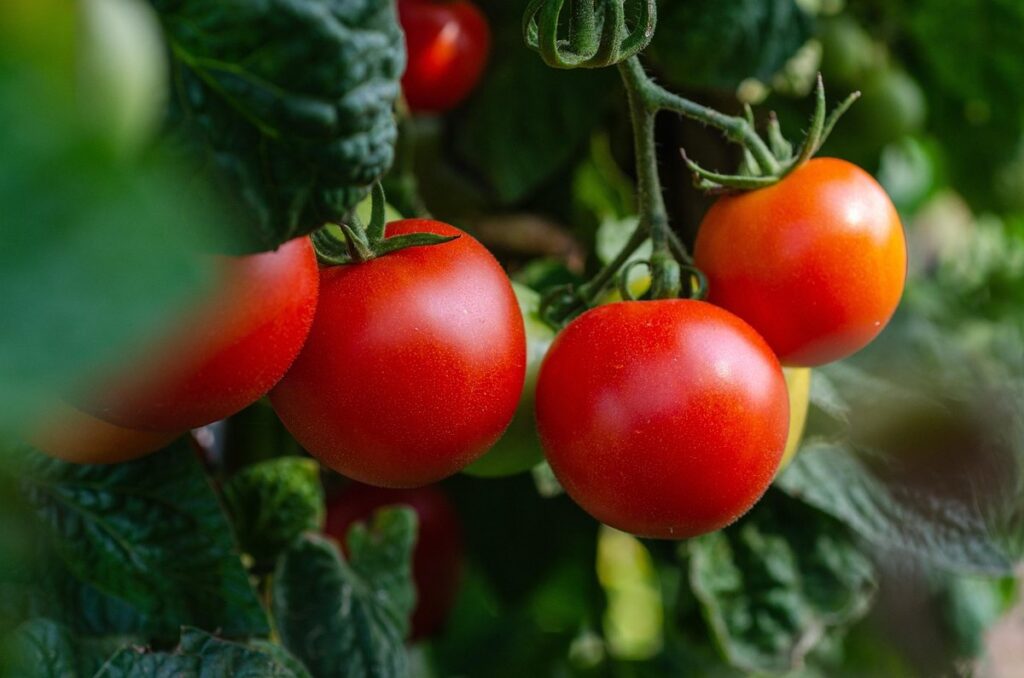
Choosing the Right Container and Soil
To grow tomatoes indoors, you’ll need a container that provides enough room for your plant to thrive, as well as soil specifically designed for indoor gardening. Let’s explore the key considerations when selecting both.
Selecting the Perfect Container Size
When selecting a container for growing tomatoes indoors, several factors come into play. First and foremost, consider the size of the container. A general rule of thumb is to choose a container that’s at least 5-7 gallons in size for two to three tomato plants. This will provide enough room for the roots to grow without becoming waterlogged. However, if you’re growing a single plant or have limited space, a smaller container (around 3-4 gallons) can also work.
Another crucial aspect is drainage. Make sure your chosen container has built-in drainage holes in the bottom to prevent water from accumulating and causing root rot. You can also add a layer of small rocks or broken pottery at the bottom for added drainage.
When choosing a material, consider one that’s durable, easy to clean, and resistant to moisture. Ceramic, terra cotta, and plastic containers are great options. Ultimately, pick a container that fits your indoor space, taking into account factors like ceiling height, window placement, and available sunlight. With the right container, you’ll be well on your way to growing delicious tomatoes indoors!
Understanding Container Soil Requirements
When it comes to growing tomatoes in containers indoors, choosing the right soil is crucial for their health and productivity. A high-quality potting mix specifically designed for containers is essential because it helps tomatoes establish a strong root system, which is vital for their growth.
Look for a potting mix that has the optimal pH level between 6.0 and 7.0, as this range allows tomatoes to absorb nutrients efficiently. Most potting mixes are formulated to have a balanced nutrient content, but if you’re using a recycled or homemade soil, make sure it’s not too rich in nitrogen, which can cause excessive foliage growth at the expense of fruit production.
Another critical factor is water-holding capacity. Tomatoes need consistent moisture, especially when they’re producing flowers and fruits. A well-draining potting mix will prevent waterlogged soil and root rot, ensuring that your plants receive adequate oxygen and nutrients.
Select a potting mix that contains ingredients like peat moss or coconut coir, which retain moisture but also allow for air circulation around the roots. This blend of properties will support healthy growth and fruit production in your indoor tomato plants.
Preparing Your Tomato Plants for Indoor Growth
Before bringing your tomato plants indoors, you’ll need to harden them off and adjust their care routine to thrive in a low-light indoor environment. This process is crucial for success.
Selecting the Right Variety for Indoor Containers
When selecting a variety for indoor container growth, it’s essential to choose between determinate and indeterminate tomatoes. Determinate varieties are compact, bushy plants that grow to a specific height and produce fruit all at once. They’re ideal for small spaces and can thrive in containers as small as 6-8 inches deep. On the other hand, indeterminate varieties are vining plants that require support and can grow quite large. While they offer higher yields, they may not be suitable for indoor containers due to their space requirements.
Consider your available space and desired harvest timeframe when selecting a variety. If you have limited space or want an early harvest, opt for compact determinate varieties like ‘Patio’ or ‘Tiny Tim’. These plants typically mature within 60-70 days and can produce several pounds of fruit per season. For larger containers or more extensive indoor spaces, indeterminate varieties like ‘Brandywine’ or ‘Cherokee Purple’ might be a better choice, providing longer harvest periods but requiring regular pruning to maintain control.
Keep in mind that even compact varieties will require at least 6 hours of direct sunlight daily and consistent temperatures between 65-70°F for optimal growth.
Acclimating Your Tomato Seedlings to Indoors
When you’re ready to bring your tomato seedlings indoors, it’s essential to acclimate them gradually to indoor conditions. This process is called hardening off, and it will help prevent shock from sudden changes in light and temperature.
To start the hardening off process, begin by moving your seedlings outdoors during a cloudy or shaded area for about an hour each day. This will allow them to get used to outdoor temperatures and increased sunlight levels without being overwhelmed. Over the course of 7-10 days, gradually increase the duration of their time outside by 1-2 hours each day.
As you transition your seedlings indoors, reduce the amount of direct sunlight they receive by placing them near a north-facing window or under grow lights with adjustable intensity. This will help prevent scorching and allow them to adjust to lower light levels. Keep in mind that indoor temperatures may fluctuate significantly depending on your heating or cooling system, so it’s crucial to maintain a consistent temperature between 65-70°F (18-21°C) near your seedlings.
Indoor Growing Conditions for Optimal Tomato Production
To produce a bountiful harvest, you’ll want to create an indoor environment that mimics optimal growing conditions for your tomato plants. This includes temperature, humidity, and light considerations.
Providing Adequate Light for Tomatoes in Containers
Tomatoes need an incredible amount of light to grow and produce well. In fact, they require at least 6 hours of direct sunlight per day. However, if you’re growing tomatoes indoors in containers, it can be challenging to provide the necessary light. That’s where supplemental lighting comes into play.
LED grow lights are an excellent option for providing additional light to your tomato plants. These energy-efficient lights produce minimal heat and are designed specifically for plant growth. You can install them near the container or place them above the soil level, depending on the product you choose. Some popular options include LED strips, panels, or individual bulbs.
South-facing windows are also a great source of natural light. If you have one in your home, take advantage of it by placing your tomato containers nearby. However, be aware that direct sunlight can cause leaf scorching, so keep an eye on your plants’ temperature and adjust the lighting accordingly. To ensure optimal growth, consider using LED grow lights as a backup or supplement to natural light sources during periods with limited sunlight.
Maintaining Ideal Temperature and Humidity Levels
Maintaining ideal temperature and humidity levels is crucial for optimal tomato production indoors. Tomato plants prefer day temperatures between 65°F to 70°F (18°C to 21°C) and night temperatures around 55°F to 60°F (13°C to 15°C). Keeping the temperature within this range will promote healthy growth, prevent stress, and encourage fruiting.
Maintaining optimal humidity levels is equally important. Tomato plants thrive in a humid environment, but excessive moisture can lead to fungal diseases like powdery mildew and root rot. Aim for a relative humidity of 50-60% during the day and around 40-50% at night. You can use a humidifier to maintain a consistent level of humidity or group plants together to create a microclimate.
To prevent overwatering, ensure good air circulation by placing containers at least 6 inches away from walls and windows. Regularly check the soil moisture by sticking your finger into the soil up to the first knuckle. Water only when the top inch of soil feels dry. By maintaining a balance between moisture and dryness, you’ll be able to prevent fungal diseases and promote healthy growth in your indoor tomato plants.
Watering and Fertilizing Your Indoor Tomato Plants
Now that you’ve got your indoor tomato plants thriving, it’s time to focus on their essential needs: proper watering and fertilization to ensure they reach their full potential. Let’s dive into these crucial steps!
Understanding Watering Requirements for Container Tomatoes
Proper watering is crucial for container tomatoes indoors. Overwatering can lead to root rot and other issues, while underwatering stunts plant growth. To determine the right frequency, check the soil moisture daily by inserting a finger into the soil up to the first knuckle. If it feels dry, water your tomato plant thoroughly until excess water drains from the bottom of the container.
It’s best to use drip irrigation or soaker hoses for watering container tomatoes indoors, as these systems deliver water directly to the roots without wasting moisture through evaporation and runoff. Avoid overhead sprinkling, which can lead to fungal diseases and promote algae growth on the leaves.
A common mistake is overwatering due to excessive rainfall or a humid microclimate in the indoor growing space. Check your plant’s soil regularly for signs of too much water: wilting, yellowing leaves, or mushy stems. Water sparingly but thoroughly until the next watering cycle.
Fertilizing Your Indoor Tomato Plants for Maximum Yield
Fertilizing your indoor tomato plants is crucial for achieving maximum yield. Nutrient deficiencies can lead to stunted growth, yellowing leaves, and reduced fruit production. Fertilizers provide essential macronutrients like nitrogen, phosphorus, and potassium that promote healthy plant development.
When choosing a fertilizer, consider both organic and synthetic options. Organic fertilizers, such as fish emulsion or compost tea, release nutrients slowly, promoting long-term soil health. They are also environmentally friendly but may take longer to produce results. Synthetic fertilizers like Miracle-Gro provide instant nutrient spikes but can deplete soil quality over time.
Application schedules depend on the fertilizer type and plant stage. For seedlings, use a balanced, water-soluble formula (10-10-10 NPK) at half strength once a week. As plants grow, switch to a blooming formula (15-30-15 NPK) to promote fruiting. Organic options like worm casting or alfalfa meal can be used throughout the growing season.
Some key points to keep in mind: always read and follow instructions on the fertilizer label, and avoid over-fertilizing, which can damage roots and harm plants.
Pest and Disease Management for Indoor Container Tomatoes
To keep your indoor container tomatoes healthy, it’s essential to be aware of common pests and diseases that can affect them, as well as how to prevent and treat infestations. This section will cover effective management techniques for a pest- and disease-free harvest.
Identifying Common Pests Affecting Tomato Plants Indoors
When growing tomatoes indoors in containers, it’s essential to be aware of common pests that can cause damage and affect plant health. Spider mites, mealybugs, and aphids are among the most prevalent indoor tomato pests. These tiny insects feed on plant sap, weakening the plant and stunting growth.
To identify these pests, look for fine webbing on leaves or stems (spider mite), white cottony patches on stems and leaves (mealybug), or clusters of live aphids with black soot on leaves. Regularly inspect your plants, and take action if you notice any infestations.
Prevention is key: maintain good air circulation around your tomato plants, use physical barriers like fine mesh to keep pests away, and monitor plant health through a balanced fertilizer and water schedule. For control strategies, consider using neem oil, insecticidal soap, or horticultural oil for organically-based management. In severe cases, consult with local nurseries or gardening experts for integrated pest management (IPM) advice.
Remember, catching infestations early is crucial to preventing long-term damage and ensuring a successful harvest. Regularly inspect your plants, and be proactive in managing indoor pests to keep your container-grown tomatoes healthy and thriving.
Managing Fungal Diseases in Indoor Container Tomatoes
Fungal diseases can be a major issue when growing tomatoes indoors in containers. Powdery mildew and root rot are two common fungal diseases that can affect indoor tomato plants. Powdery mildew appears as a white, powdery coating on the leaves and stems of the plant, while root rot is characterized by soft, mushy roots.
Proper sanitation and air circulation are key to preventing fungal diseases in your indoor container tomatoes. Make sure to clean your containers thoroughly before replanting, removing any remaining soil or debris. Also, ensure good air circulation around your plants by providing enough space between each plant and using fans to circulate the air.
If you do notice a fungal disease on your tomato plants, treatment is possible with fungicides or organic remedies like neem oil or baking soda. However, prevention is always the best approach. Monitor your plants regularly for signs of disease and take action promptly if you notice any issues.
Harvesting Your Indoor Container Tomatoes
Now that your indoor container tomatoes are ripe and ready, let’s dive into how to harvest them safely and efficiently. We’ll cover the best techniques for plucking those juicy fruits without causing damage to the plant.
Determining When to Expect a Harvest
When it comes to harvesting your indoor container tomatoes, timing is everything. You’ll want to check on your plants regularly to ensure you catch them at the optimal stage of ripeness. Here’s what to look for: start by inspecting the color and texture of the fruit.
Typically, a ripe tomato will be a deep red or yellow, depending on the variety. However, some heirloom tomatoes can remain green even when fully ripe. So, don’t rely solely on color as an indicator. Next, gently check the skin for any soft spots or wrinkles. Avoid squeezing the fruit, as this can cause damage and affect the tomato’s quality.
Another key factor is size. Check your plants regularly to determine when they’ve reached their maximum size. The exact timing will depend on factors such as the variety, growing conditions, and climate. As a general rule of thumb, most container tomatoes are ready for harvest within 60-90 days after planting. Keep in mind that indoor tomatoes often mature faster than those grown outdoors due to the controlled environment.
Tips for Preserving Freshly Harvested Tomatoes Indoors
When you’ve finally harvested those juicy tomatoes from your indoor container garden, it’s essential to store them properly to maintain their freshness and prolong shelf life. Tomatoes are highly perishable, so quick action is necessary to preserve their flavor, texture, and nutrients.
To dry tomatoes, you can slice or halve them and place them on a baking sheet lined with parchment paper. Set your oven to its lowest temperature setting (usually around 150°F) and let the tomatoes dehydrate for several hours or overnight. This method is perfect for preserving cherry tomatoes or plum tomatoes for use in soups, stews, or sauces.
For canning, you’ll need a water bath canner and some basic canning equipment. Sterilize your jars and lids, pack the cleaned and chopped tomatoes into them, and process them in boiling water for 15-20 minutes. This method is ideal for preserving larger quantities of tomatoes for future use as sauces or crushed tomatoes.
Freezing is another excellent option for preserving tomatoes. Simply chop or puree them, remove excess moisture with a paper towel, and place the mixture in airtight containers or freezer bags. Frozen tomatoes are perfect for adding to soups, stews, or casseroles during the winter months when fresh tomatoes may not be readily available.
Frequently Asked Questions
Can I use a small container for just one tomato plant?
Yes, you can use a smaller container (around 1-2 gallons) if you’re growing just one tomato plant. However, keep in mind that the plant may require more frequent watering and fertilization to thrive.
What if my indoor space is quite humid? How will it affect my tomatoes?
High humidity indoors can lead to fungal diseases like powdery mildew. To manage this, ensure good air circulation around your plants, and consider using a dehumidifier or misting the leaves sparingly with water to maintain an optimal humidity level of 40-50%.
Can I grow cherry tomatoes in containers indoors?
Cherry tomatoes are an excellent choice for indoor container gardening! They require less space and support compared to larger varieties. Choose compact or dwarf cherry tomato varieties specifically bred for container growing.
What’s the best way to handle temperature fluctuations indoors?
To ensure optimal growth, maintain a consistent temperature between 65-70°F (18-21°C) during the day. Avoid placing your plants near heating or cooling vents, fireplaces, or drafty windows, which can cause sudden drops or rises in temperature.
How often should I fertilize my indoor tomato plants?
Fertilize your tomatoes when they’re around 6-8 inches tall. Use a balanced fertilizer (10-10-10) and follow the instructions for application rates. For container-grown tomatoes, you may need to fertilize more frequently – every 1-2 weeks during peak growth periods.