
Are you eager to taste the sweetness of your very own homegrown tomatoes, but don’t have an outdoor garden? Growing tomatoes from seeds indoors can be a rewarding and delicious experience. Not only does it allow you to enjoy fresh produce year-round, but it’s also a great way to get started with gardening without breaking the bank.
In this step-by-step guide, we’ll walk you through everything you need to know to successfully grow mouth-watering tomatoes from seeds indoors. From selecting the perfect variety for indoor growing to preparing your seedlings for harvest, we’ve got you covered. We’ll cover topics such as choosing the right tomato variety for indoor growth, starting seeds indoors, and providing optimal care for your seedlings. By following our expert tips and tricks, you’ll be harvesting a bountiful crop of juicy tomatoes in no time!
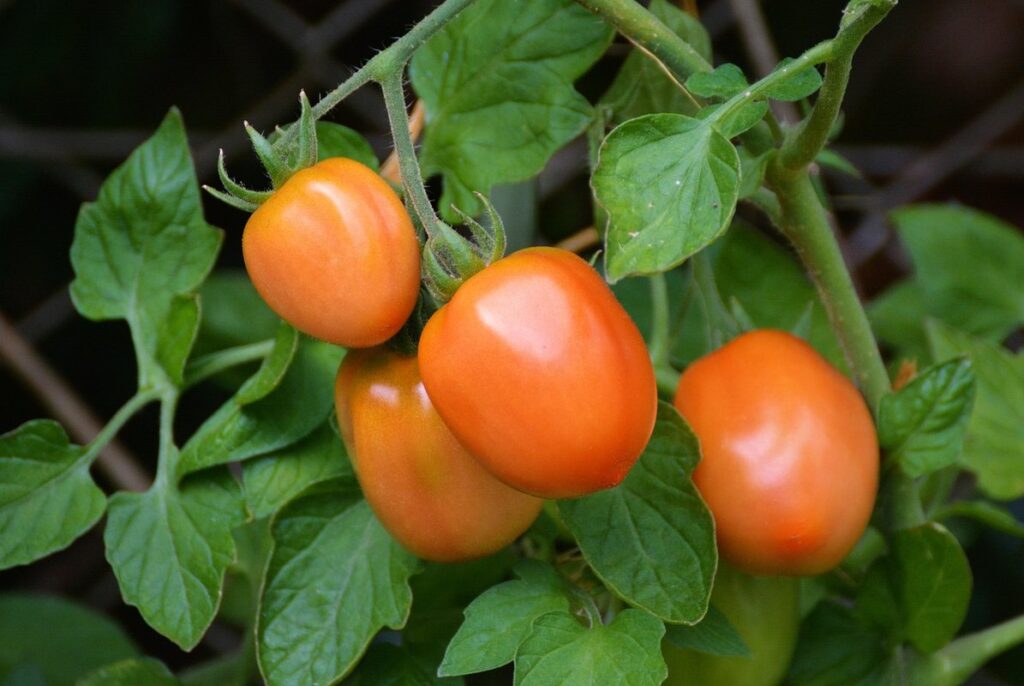
Choosing the Right Tomato Variety
When it comes time to plant those seeds, you’ll want to choose a variety that’s well-suited for indoor growing and meets your taste preferences. Let’s take a look at some top picks.
Factors to Consider When Selecting a Variety
When selecting a tomato variety for indoor growing, it’s essential to choose one that thrives in container gardens and has characteristics suitable for indoor conditions. As you’re growing tomatoes from seeds indoors, consider varieties specifically bred for compact growth, such as cherry tomatoes or patio tomatoes. These types typically produce smaller plants with shorter internodes, making them perfect for indoor spaces where vertical clearance is limited.
Disease resistance is another crucial factor to consider when selecting a tomato variety for indoor growing. Indoor conditions can be more humid and prone to fungal diseases, so choosing a variety with built-in disease resistance will save you from potential headaches later on. Some popular varieties that exhibit good disease resistance include ‘Patio’, ‘Red Robin’, and ‘Tiny Tim’.
In addition to growth habits and disease resistance, also consider the number of days to maturity for your chosen variety. This will help you plan when to expect harvests and ensure you’re providing enough light and support for your plants as they grow. With so many options available, take some time to research different varieties and choose one that fits your specific indoor growing conditions and needs.
Popular Indoor Tomato Varieties
When it comes to growing tomatoes indoors from seeds, choosing the right variety is crucial for success. Here are some popular indoor tomato varieties that thrive in controlled environments:
One of the most popular choices among indoor gardeners is the ‘Patio’ tomato variety. This compact plant grows up to 2 feet tall and produces a high yield of small to medium-sized fruit. Its determinate growth habit means it will bush out rather than grow vine-like, making it perfect for container gardens.
Another favorite among indoor growers is the ‘Tiny Tim’ variety. This dwarf tomato plant reaches only about a foot in height and produces an abundance of cherry-sized tomatoes. It’s ideal for small spaces and can thrive with minimal care.
The ‘Red Robin’ variety is also well-suited for indoor growing, producing a continuous harvest of small to medium-sized fruit throughout the season. Its compact growth habit and robust flavor make it a great choice for indoor gardeners.
These varieties are not only perfect for indoor growing but also offer a range of flavors and textures to enjoy. By choosing one of these popular varieties, you’ll be well on your way to enjoying a bountiful harvest from your indoor tomato plants.
Starting Tomatoes from Seeds
To start growing tomatoes from seeds indoors, you’ll need to prepare a suitable seed starting mix and understand how to sow them correctly. This process sets the stage for successful indoor tomato cultivation.
Preparing the Seeds and Seed Trays
Before you can start growing tomatoes from seeds indoors, you need to prepare them for planting. This process is crucial to ensure that your seeds germinate and grow healthy seedlings. To begin with, handle the seeds carefully by gently touching or tapping them between your thumb and index finger to remove any debris. Store the seeds in an airtight container, such as a glass jar or envelope, to maintain their moisture and keep them fresh.
When it comes to planting multiple seeds at once, seed trays are an excellent choice. These shallow containers come with individual cells that allow you to plant one or two seeds per cell. This method not only saves space but also makes it easier to manage the seedlings as they grow. You can use seed starting mix specifically designed for indoor seedlings and fill the cells about 3/4 full of the mix.
Keep in mind, using a good quality seed tray will make all the difference in growing healthy tomatoes from seeds indoors.
Sowing Seeds in the Right Medium
When it comes to sowing tomato seeds indoors, choosing the right medium is crucial for optimal germination and healthy seedling growth. While soil may seem like a natural choice, it’s not the best option for indoor seed starting. Instead, opt for a potting mix or a soilless media specifically designed for seed starting.
A good quality potting mix will have the right balance of nutrients, water-holding capacity, and drainage to support seedling growth. Look for a mix that is labeled as “seed starting” or “indoor seed mix.” Avoid using regular garden soil, as it can compact and prevent proper drainage.
To sow seeds correctly, fill the pot or cell with the chosen medium, leaving about 1/4 inch of space at the top. Plant the seeds at a depth of 2-3 times their diameter, and gently firm the medium around them. Keep the medium consistently moist but not waterlogged. By using the right medium and sowing seeds correctly, you can expect to achieve optimal germination rates and healthy seedlings that will thrive when transplanted outdoors.
Providing Optimal Growing Conditions
To grow healthy tomatoes indoors, it’s crucial that you provide your seedlings with optimal growing conditions, including adequate light, temperature, and humidity. Let’s dive into these essential details next.
Lighting Requirements for Indoor Tomatoes
Light is essential for indoor tomatoes to undergo photosynthesis and produce the sugars necessary for growth. However, most homes do not receive sufficient natural light for optimal tomato production.
LED grow lights are a popular choice for indoor gardening as they emit minimal heat, consume less energy than traditional lighting options, and offer adjustable spectrum settings that can be tailored to your plants’ needs at different stages of development. When selecting an LED grow light, consider the PAR (photosynthetic active radiation) value – higher values mean more intense light.
To set up an optimal lighting schedule for indoor tomatoes, begin by providing 14-16 hours of light per day. Place the grow lights 6-8 inches above the plant’s canopy to avoid burning the leaves with excessive heat. As your tomato plants mature and produce fruit, adjust the lighting schedule to 12-14 hours of light per day to encourage even ripening and prevent overproduction.
In general, LED grow lights can be used in a variety of configurations – hung from ceilings, placed on shelves or attached directly to plant pots using clips or clamps.
Temperature and Humidity Control
Maintaining an optimal temperature and humidity level is crucial for successful indoor tomato cultivation. Tomatoes require a warm environment to thrive, with ideal daytime temperatures ranging from 65°F (18°C) to 70°F (21°C). Nighttime temperatures can be slightly lower, around 55°F (13°C) to 60°F (15°C). Consistently high temperatures above 75°F (24°C) can lead to scorching, while consistently low temperatures below 55°F (13°C) can cause damage.
To achieve the right humidity level, ensure your growing area has good air circulation. You can use a humidifier or dehumidifier as needed to maintain a relative humidity of 40-60%. A more extreme environment will lead to issues such as fungal diseases and blossom-end rot. Monitor your plants’ response to temperature changes by observing their growth rate, leaf color, and fruit production.
Some common mistakes people make include failing to acclimate seedlings to indoor temperatures, leading to shock or stunted growth. Others neglect to provide adequate air circulation, resulting in moldy leaves and reduced yields. By being mindful of these potential pitfalls and taking steps to regulate temperature and humidity, you’ll be well on your way to successfully growing tomatoes indoors.
Watering and Fertilization
Now that you’ve got your tomato seeds sprouting, it’s time to learn how to provide them with the right amount of water and nutrients for optimal growth. This section will guide you through proper watering and fertilization techniques.
The Importance of Consistent Moisture Levels
Maintaining consistent moisture levels is crucial for indoor tomato plants. Tomatoes need around 1-2 inches of water per week, either from rain or irrigation. Overwatering can lead to root rot and other issues, while underwatering causes stress that might reduce yields.
Water your seedlings when the top inch of soil feels dry to the touch. For established plants, aim for a thorough watering session once every 3-4 days during the growing season. Avoid getting water on leaves or stems; instead, direct it at the base of the plant. Use a moisture meter if needed, but also keep an eye on your plant’s natural signs such as droopy leaves and wilting.
To avoid overwatering, monitor temperature fluctuations. Tomatoes thrive in temperatures between 65-70°F (18-21°C). In warmer environments, they may require less water. Regularly inspect the roots for moisture buildup, which can indicate overwatering. Keep the surrounding area well-draining to prevent standing water from accumulating around the pot.
Fertilizing Indoor Tomatoes: Types and Timing
When it comes to fertilizing your indoor tomatoes, choosing the right type of fertilizer is crucial for their growth and development. For indoor tomato plants, you’ll want to use a balanced fertilizer that provides essential nutrients such as nitrogen (N), phosphorus (P), and potassium (K). A 20-20-20 N-P-K ratio is ideal for seedlings and young plants.
Organic options like fish emulsion or compost tea are also excellent choices, providing your plants with beneficial microbes and slowly releasing nutrients. However, they may require more frequent applications. For larger plants, you can switch to a fertilizer specifically formulated for fruiting tomatoes, which typically contain higher phosphorus levels to promote blooming and fruiting.
Timing is equally important. During the seedling stage (0-2 weeks), use a weak solution (1/4 strength) of balanced fertilizer once a week. As your plants grow (2-4 weeks), you can increase the frequency to every 10 days. For mature plants, fertilize monthly with a higher concentration of nitrogen and potassium to promote leaf growth and fruiting.
Pruning and Training
Once you’ve got your seedlings growing, it’s time to prune and train them to maximize space and promote healthy growth, which we’ll cover next.
Why Prune Your Tomato Plants?
Pruning your tomato plants indoors is an essential step in promoting healthy growth and maximizing yields. When grown indoors, tomatoes can be prone to becoming leggy and weak, leading to reduced fruit production. By pruning your plants regularly, you can encourage bushy growth, increase the number of flowers and fruits, and prevent disease from taking hold.
To prune your tomato plant effectively, start by removing any weak or spindly branches. Cut these back to about half their length, making a clean cut just above a leaf node. Next, look for any suckers that are growing between the main stem and a branch – these should be removed completely to direct the plant’s energy towards producing fruit.
Regular pruning also helps to improve air circulation around the plant, reducing the risk of fungal diseases like powdery mildew. By keeping your plants pruned and tidy, you’ll create a healthier environment for them to thrive in, leading to bigger, more abundant harvests.
Supporting Tomatoes with Trellises or Cages
As your seedlings grow and mature, they’ll need support to thrive. Tomatoes are naturally climbing plants, but indoor growing conditions can be limited. That’s where trellises and cages come in – to provide the necessary structure for your tomato plants to grow upwards.
There are several types of trellises available for indoor use, including collapsible ones that take up minimal space when not in use. For larger tomatoes like Beefsteak or Brandywine, a sturdier cage with wire mesh panels can be more effective at providing support and keeping the fruit off the ground. When setting up your trellis or cage, make sure to place it near your seedlings as soon as they have 2-3 sets of leaves. This will help them develop a strong stem and adapt quickly to their new surroundings.
To ensure optimal growth, gently twine the stems around the trellis or cage wires with soft plant ties. Keep in mind that over-tightening can damage delicate shoots, so be gentle but firm when securing your tomato plants in place. Regularly inspect your support system for any signs of weakness or wear and tear to prevent accidents and maintain a healthy growing environment.
Monitoring Progress and Troubleshooting
As you start nurturing your indoor tomato plants, it’s essential to keep a close eye on their progress and identify any potential issues that may arise before they become major problems. Let’s take a closer look at how to monitor your seedlings’ growth and troubleshoot common problems.
Signs of Success (and Trouble!)
As you continue to care for your tomato seedlings indoors, it’s essential to keep an eye out for signs that indicate they’re thriving or struggling. One of the most obvious indicators of success is healthy growth. Check for robust leaves, a sturdy stem, and a well-developed root system. These are all positive signs that your seedlings are receiving adequate light, water, and nutrients.
On the other hand, certain warning signs may suggest trouble. For instance, if you notice yellowing or droopy leaves, it could be a sign of overwatering or nutrient deficiency. Similarly, if you spot tiny white dots on the leaves or stems, you might have an infestation of aphids or spider mites.
Keep an eye out for powdery mildew, a common fungal disease that can affect indoor tomato plants. It appears as a white, cottony coating on the leaves and stems. To prevent this issue, ensure good air circulation around your plants, and avoid overwatering.
If you suspect any of these problems, take action promptly to rectify the situation. Adjust your watering schedule, increase air circulation, or apply insecticidal soap to control pests. By monitoring your seedlings closely, you can catch potential issues before they escalate into major problems.
Common Pests and Diseases Affecting Indoor Tomatoes
When growing tomatoes indoors from seeds, it’s not uncommon to encounter pests and diseases that can affect their health and productivity. Regular monitoring is essential to catch these issues early on.
Some common pests that can infest indoor tomato plants include spider mites, mealybugs, and aphids. These tiny insects feed on the sap of the plant, causing yellowing leaves and stunted growth. To identify these pests, inspect your plants regularly for white cottony patches (mealybugs), fine webbing (spider mites), or clusters of small, soft-bodied insects (aphids). If you notice any of these symptoms, treat your plants with insecticidal soap or neem oil.
Common diseases that affect indoor tomato plants include powdery mildew, root rot, and bacterial spot. Powdery mildew appears as a white, powdery coating on the leaves, while root rot causes wilting and blackened stems. Bacterial spot leads to small, dark spots on the leaves. To prevent these diseases, maintain good air circulation around your plants, avoid overwatering, and use a well-draining potting mix.
Keep an eye out for any unusual symptoms or changes in your plant’s appearance. With proper care and attention, you can address these issues quickly and keep your indoor tomatoes healthy and thriving.
Harvest Time: Tips for a Bountiful Crop
Now that your seedlings are thriving, it’s time to reap what you’ve sown – here’s how to identify when they’re ready for harvest and enjoy a bountiful crop.
When to Expect Your First Harvest
As you near the end of the growth cycle for your indoor tomatoes, it’s essential to monitor their readiness for harvest. The expected harvest time frame will depend on the specific variety you’re growing. Some popular varieties like ‘Early Girl’ and ‘Patio’ are ready to be picked in as little as 60 days from sowing seeds indoors. On the other hand, larger tomato varieties like ‘Brandywine’ can take around 90-100 days.
To determine if your tomatoes are ready for harvest, look out for these signs: a vibrant red color (although some varieties may be green or yellow when ripe), a slight softening of the skin, and a slight give when pressed. You can also gently tug on the fruit to check its readiness – if it comes off easily, it’s likely ripe.
Keep in mind that indoor tomatoes may not reach their full size potential due to limited space and light. However, this shouldn’t affect their flavor or texture. Regularly inspect your plants for any signs of over-ripeness or spoilage, as these can quickly spread to other fruits.
Maximizing Yields: Handling and Storage
Now that you’ve successfully harvested your indoor-grown tomatoes, it’s essential to handle and store them properly to maintain their freshness and encourage future growth. Here are some key tips to follow:
When handling freshly picked tomatoes, be gentle to avoid bruising the fruit. Handle them by the stem end, not the blossom end, as this can cause damage to the delicate skin. If you notice any soft spots or bruises, remove those sections immediately to prevent further decay.
Proper storage is crucial for maintaining your tomato’s flavor and texture. Store them in a cool, dry place, away from direct sunlight. A paper bag or breathable container works well, as it allows for airflow and prevents moisture buildup. You can also store them in the refrigerator to slow down the ripening process, but be aware that this may affect their flavor.
For long-term storage, consider preserving your tomatoes through canning, freezing, or dehydrating. These methods not only extend shelf life but also provide a convenient way to enjoy your harvest throughout the year.
Frequently Asked Questions
Can I grow multiple tomato varieties indoors simultaneously?
Yes, it’s possible to grow multiple tomato varieties indoors at the same time. In fact, growing different varieties can add diversity to your harvest and make it more interesting. Just ensure you provide each variety with its specific growing conditions and care requirements. For example, cherry tomatoes require less support than larger varieties like beefsteaks.
How do I know if my indoor tomato plants are getting too leggy?
Legginess is a common issue in indoor tomato plants when they don’t receive enough light or pruning. Inspect your plants regularly for signs of overgrowth, such as long stems and sparse leaf growth. Prune your tomatoes to maintain a bushy shape by removing lower leaves, weak growth, and any branches that are not producing fruit.
What’s the best way to prevent pests from damaging my indoor tomato crop?
Pests like aphids, whiteflies, and spider mites can quickly damage an indoor tomato crop. To prevent infestations, maintain good air circulation around your plants, avoid overwatering (which attracts pests), and regularly inspect your plants for any signs of bugs or eggs. Use neem oil or insecticidal soap as organic pest control measures when necessary.
Can I use regular potting soil for growing tomatoes indoors?
While you can use regular potting soil for indoor tomato cultivation, it’s not the most ideal choice due to its limited nutrient retention and water-holding capacity. Look for a high-quality potting mix specifically designed for container gardens or seed starting. This type of soil will provide better support for your plants’ growth and reduce watering frequency.
How do I store my harvested tomatoes to keep them fresh?
After harvesting, store your tomatoes in a cool (around 60°F/15°C), well-ventilated area. You can also store them in the refrigerator for up to five days. Avoid direct sunlight and avoid washing or cleaning the fruits before storing, as excess moisture can lead to spoilage.