
If you’re looking for a fresh way to add flavor to your cooking, growing garlic indoors can be a game-changer. Not only is it a great space-saving solution for urban gardeners, but it also allows you to have a constant supply of fragrant and delicious garlic right at your fingertips. However, growing garlic in containers requires some expertise, especially when it comes to selecting the right variety, providing optimal light and temperature conditions, and controlling pests that can damage your crop.
In this article, we’ll take you through the essential steps for growing garlic indoors using containers, from choosing a suitable variety to harvesting and storing your crop. You’ll learn expert tips on how to ensure your garlic gets enough light, what temperatures will promote healthy growth, and how to keep pests at bay. By following our guide, you’ll be well on your way to enjoying homegrown garlic all year round!
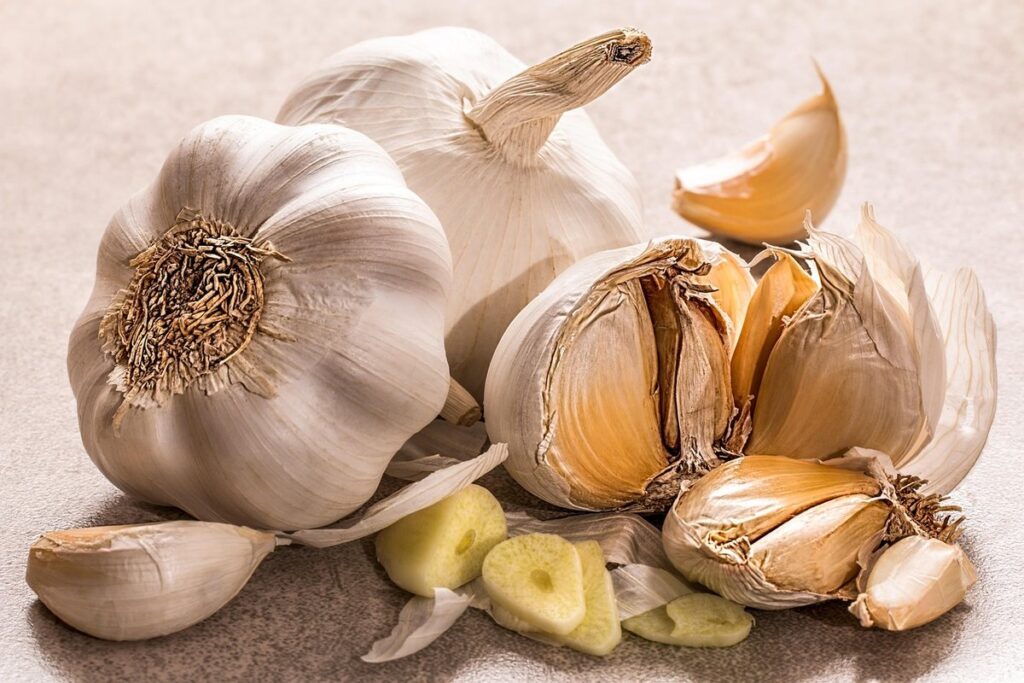
Choosing the Right Variety
When growing garlic indoors, selecting the right variety is crucial for success. Let’s take a look at some of the best options for container-grown garlic.
Selecting Softneck vs. Hardneck Garlic
When it comes to growing garlic indoors in containers, selecting the right variety is crucial for success. You’ll often come across two main types: softneck and hardneck garlic. While both can thrive in indoor conditions, they have distinct differences that will impact your harvest.
Softneck garlic, also known as artichoke garlic, has a more compact growth habit and produces multiple cloves per bulb. It’s ideal for container growing due to its smaller size and doesn’t require vernalization (a period of cold weather) to form bulbs. Softneck garlic is also generally easier to store and less prone to disease.
Hardneck garlic, on the other hand, has a taller growth habit and produces larger cloves with more complex flavors. It does require vernalization to form bulbs and can be more challenging for indoor growers. Hardneck garlic prefers a slightly cooler winter period, which can be simulated indoors by providing it with 4-6 weeks of cool temperatures between 35-45°F (2-7°C).
Consider your personal preferences when selecting between these two varieties: do you want to harvest smaller cloves with easier storage or larger cloves with more complex flavors? Think about the climate and temperature conditions in your indoor space and choose accordingly.
Understanding Garlic Classification
Garlic comes in a wide range of varieties, each with its own unique characteristics and growth habits. To choose the best variety for container growing indoors, it’s essential to understand the different types of garlic.
There are several main categories of garlic: Hardneck, Softneck, Silverskin, and Asiatic. Hardneck garlic is known for its robust flavor and firm texture but requires a period of vernalization (a cold winter) to induce bulbing. This makes it less suitable for container growing indoors.
On the other hand, Softneck and Silverskin garlic are well-suited for indoor container growing. They have a milder flavor, produce smaller bulbs, and don’t require vernalization. Asiatic garlic is another good option as it has a strong flavor and a compact growth habit.
When selecting a variety for container growing indoors, look for ones with the following characteristics: compact growth habit, small bulb size, and mild or sweet flavor profile.
Preparing the Container and Soil
Before we dive into planting our garlic, let’s make sure your container is clean and ready for the soil, and prepare the perfect blend of nutrients.
Selecting a Suitable Container
When selecting a container for growing garlic indoors, it’s essential to consider three key factors: size, material, and drainage. A container that is too small will restrict the bulb’s growth, while one that is too large may cause the soil to dry out too quickly.
For most indoor setups, a container with a minimum depth of 6-8 inches and a width of around 8-10 inches is ideal for growing garlic. This size allows for adequate root development without taking up too much space on your windowsill or tabletop.
Choose containers made from breathable materials like terracotta, ceramic, or unglazed clay. These will allow excess moisture to escape, reducing the risk of waterlogged soil and associated fungal diseases. Avoid using plastic or metal containers, as they can retain heat and cause the soil temperature to fluctuate.
In addition to material selection, ensure your container has adequate drainage holes in the bottom to prevent water from accumulating at the roots.
Creating a Well-Draining Potting Mix
When it comes to growing garlic in containers indoors, having the right potting mix is crucial for optimal root development. A well-draining potting mix will ensure that your garlic bulbs receive the necessary oxygen and water without rotting or developing fungal diseases.
To create a well-draining potting mix, you’ll want to combine perlite, vermiculite, and compost in specific ratios. Perlite is an excellent additive for improving drainage, as it allows excess moisture to escape while preventing root bound conditions. Mix 20-30% of perlite into your potting mix to ensure optimal aeration.
Vermiculite, on the other hand, helps retain water and nutrients around the roots, promoting healthy growth. Use 10-20% vermiculite in your mix for added moisture retention without making it too dense.
Compost is also essential for providing vital nutrients to your garlic plants. Mix 10-20% of compost into the potting mix, ensuring a balanced fertilizer supply. Avoid using garden soil from outdoors as it can compact and cause waterlogging, leading to reduced growth or even plant death. By combining these components in the right ratios, you’ll create an ideal environment for your garlic bulbs to thrive indoors.
Planting Garlic in Containers
To grow garlic successfully in containers indoors, you’ll want to follow these specific steps for planting and caring for your bulbs. Let’s start with planting garlic in a container.
Preparing the Garlic Bulbs
Before you can plant your garlic bulbs in containers indoors, it’s essential to prepare them correctly. Start by selecting healthy cloves from a mature garlic bulb. Look for firm, plump cloves with no signs of sprouting or mold. It’s also crucial to separate the individual cloves carefully, making sure each one has a small piece of the basal plate attached. This will help the clove grow into a new plant.
Next, choose only the largest and most suitable cloves for planting. Discard any soft or damaged ones as they may not produce healthy garlic. To ensure your cloves don’t develop diseases, treat them with a fungicide specifically designed for seed bulbs. Follow the product instructions carefully to avoid over-exposure, which can harm your plants. Once your cloves are prepared and treated, they’re ready to be planted in their container.
Planting Techniques and Depth
When planting individual garlic cloves in containers indoors, it’s essential to get the depth and spacing just right. The general rule of thumb is to plant each clove about 2-3 inches deep, depending on its size. This allows for proper growth and development as the bulb forms.
Make sure to leave enough space between each clove – ideally around 1-2 inches apart. If you’re planting multiple cloves in a single container, try to create an evenly spaced grid pattern to maximize space. A good example of this would be planting 4-6 cloves in a 5-gallon container, leaving about 1 inch between each one.
To plant correctly, dig a small hole for the clove and gently place it inside with its pointed end facing upwards. Cover with soil and firm it down to secure the bulb in place. Keep in mind that you want to avoid burying the clove too deeply – this can cause rot or other issues.
Providing Optimal Growing Conditions
To ensure healthy and thriving garlic growth indoors, it’s essential to provide optimal conditions for your plants. Let’s dive into the key factors you need to consider.
Light Requirements for Garlic
Garlic requires a significant amount of light to grow well, and when growing indoors in containers, it’s essential to provide the right balance of natural and artificial lighting. In general, garlic needs at least 4-6 hours of direct sunlight per day to produce well, but this can be challenging to achieve indoors.
If you’re unable to provide direct sunlight, you can use high-intensity grow lights to supplement the lack of natural light. Aim for a total of 12-14 hours of light per day, with a balance of cool blue and warm white light spectrums to promote healthy growth. A 24-watt LED grow light is a good starting point, but you may need to adjust the lighting intensity based on your specific container size and garlic variety.
Some popular garlic varieties like ‘Elephant’ and ‘Rocambole’ are more tolerant of shade than others, so if you’re short on space or light, consider choosing one of these hardy options. Remember to maintain a consistent light schedule and adjust as needed to ensure optimal growth and prevent burning the leaves.
Temperature and Humidity Control
When it comes to growing garlic indoors in containers, temperature and humidity control are crucial factors to ensure healthy growth. The ideal temperature range for garlic is between 50°F to 70°F (10°C to 21°C). Avoid placing your garlic container near heating vents or radiators, as this can cause the soil to dry out too quickly.
Maintaining optimal humidity levels is also essential. A relative humidity of 40-60% is ideal for garlic growth. You can achieve this by placing the container on a tray filled with water and pebbles or using a humidifier nearby. Overwatering, which often leads to root rot, is a common issue in indoor gardening. By maintaining a consistent temperature and humidity level, you’ll be able to monitor your plant’s response and adjust accordingly.
To give you a better idea, some popular varieties of garlic like ‘Silverskin’ and ‘Rocambole’ thrive in temperatures between 55-65°F (13-18°C). When it comes to humidity, garlic prefers moist soil but not waterlogged conditions.
Monitoring and Maintaining Garlic Health
Now that your garlic is growing, it’s essential to keep a close eye on its health by monitoring for pests, diseases, and nutrient deficiencies. Regular maintenance will ensure a healthy crop all season long.
Common Pests and Diseases to Watch Out For
As you grow garlic in containers indoors, it’s essential to be aware of common pests and diseases that can affect your crop. One of the most common issues is aphids. These tiny insects feed on plant sap, causing curled or distorted leaves, and stunted growth. Check your plants regularly for signs of infestation, such as sticky honeydew droplets or ants gathering around the affected area.
Spider mites are another indoor pest to watch out for. They’re microscopic, so you might need a magnifying glass to spot them. These tiny arachnids spin fine webs and feed on plant sap, causing yellowing leaves and bronzing. Regularly inspect your plants’ undersides, where spider mites often congregate.
Root rot is another threat to indoor-grown garlic. This fungal disease thrives in moist environments, so ensure good air circulation around your containers. Check for soft, mushy roots or a sour, unpleasant odor emanating from the soil. To prevent root rot, water carefully and avoid overwatering.
In addition to pests and diseases, be mindful of nutrient deficiencies that can impact garlic growth indoors. For example, nitrogen deficiency can cause yellowing leaves, while potassium deficiency leads to stunted bulb development.
Techniques for Fertilization and Pruning
Fertilizing and pruning are crucial steps in maintaining healthy garlic growth indoors. A balanced, water-soluble fertilizer should be used regularly to provide essential nutrients for optimal development. Aim to fertilize your garlic once a month, but make sure not to over-fertilize as this can lead to weak bulbs.
For example, a 20-20-20 (N-P-K) fertilizer is ideal, providing equal amounts of nitrogen, phosphorus, and potassium that promote healthy growth without causing excessive foliage. When fertilizing, always follow the manufacturer’s instructions for dilution ratios to avoid burning your garlic’s roots.
Pruning techniques are equally important in promoting healthy growth while preventing bolting. To prune your garlic, remove any weak or yellowing leaves to encourage energy distribution towards bulb formation. Also, trim off any top growth that exceeds six inches from the container’s rim to prevent the plant from flowering prematurely. This will help direct the plant’s resources towards developing a robust bulb instead of producing seeds.
Harvesting and Storing Garlic
Now that you’ve successfully grown your garlic indoors, it’s time to harvest and store your crop to enjoy its delicious flavor throughout the year. Let’s explore how to dry, trim, and keep your garlic fresh.
Timing and Preparing for Harvest
When it comes time to harvest your container-grown garlic, timing is everything. The exact date will depend on the specific variety you’re growing and the climate you’re in, but there are some general signs to look out for.
Check for yellowing leaves, which indicate that the bulb has finished forming and is ready to be harvested. Another way to check is by gently tapping the top of the garlic plant with your fingers – if it sounds hollow when tapped, it’s a good sign that the bulb inside is fully developed.
In most cases, garlic will be ready to harvest in late spring or early summer, about 3-4 months after planting. You’ll know it’s time when you notice the tops of the plants beginning to yellow and fall over. This usually occurs just before the bulbs are fully mature, so keep a close eye on your plants as they approach this stage.
Remember that garlic can be harvested at any time, but waiting until the tops have fallen over will give you the largest, most flavorful bulbs.
Storage and Handling Techniques
When it’s time to harvest your garlic, carefully dig around the bulbs with a fork to avoid damaging them. Once lifted out of the container, trim off any excess foliage and allow the bulbs to air dry for a few days to harden the skin.
For storage, transfer the dried bulbs to ventilated containers or paper bags to maintain airflow and prevent moisture buildup. Store them in a cool, dark place with temperatures between 40°F to 50°F (4°C to 10°C). Direct sunlight can cause the bulbs to sprout, so keep them away from any sunny windows.
To handle your harvested garlic bulbs gently, avoid touching the delicate skin as oils from your skin can damage it. Instead, use gloves or a soft cloth to move and store them. When storing multiple bulbs together, ensure they’re not crowded, allowing for some space between each bulb to prevent moisture accumulation.
Frequently Asked Questions
Can I grow garlic indoors year-round, or is there a specific season for harvesting?
Yes, with proper care and conditions, you can harvest garlic indoors throughout the year. However, the ideal time for harvest will depend on your location’s climate and the variety of garlic you’re growing. Typically, softneck varieties are ready to harvest 6-8 months after planting, while hardneck varieties take around 9-10 months.
How do I control pests like aphids, spider mites, or mealybugs when growing garlic indoors?
To prevent pest infestations, make sure your containers have proper drainage and air circulation. Regularly inspect your plants for signs of pests, and use organic pest control methods such as neem oil, insecticidal soap, or introducing beneficial insects to your indoor garden.
Can I grow multiple types of garlic in the same container, or should I separate them?
While it’s technically possible to grow different varieties together, it’s generally recommended to separate them to prevent cross-pollination and potential disease transfer. Softneck and hardneck garlic have different growth habits and light requirements, so separating them will ensure each variety receives optimal conditions for healthy growth.
How often should I water my indoor garlic plants, and what are the signs of overwatering?
Garlic plants prefer well-draining soil and moderate watering. Water your containers when the top 1-2 inches of soil feel dry to the touch. Overwatering can lead to root rot, yellowing leaves, or a decrease in bulb formation. Check for these signs and adjust your watering schedule accordingly.
Can I use potting mix specifically designed for vegetables, or do I need to create my own well-draining mix?
You can use pre-mixed potting soil suitable for vegetables as a base, but consider adding some organic matter like compost or perlite to enhance drainage and prevent waterlogged conditions. This will help create an optimal environment for your garlic plants’ roots to thrive.