
Planning to add some homegrown flavor to your cooking? You might be surprised to learn that you can actually plant store-bought garlic. Most people don’t realize that not all garlic is created equal, and choosing the right variety for planting is crucial. But with a little know-how, you can successfully grow your own garlic from those bulbs you picked up at the supermarket.
In this article, we’ll explore the ins and outs of planting store-bought garlic, including how to select the best varieties, prepare the bulbs for planting, and provide them with the right care. By the end of it, you’ll be well on your way to growing delicious, homegrown garlic in your own garden. Whether you’re a seasoned gardener or just starting out, this guide will show you that even store-bought garlic can thrive with the right attention.
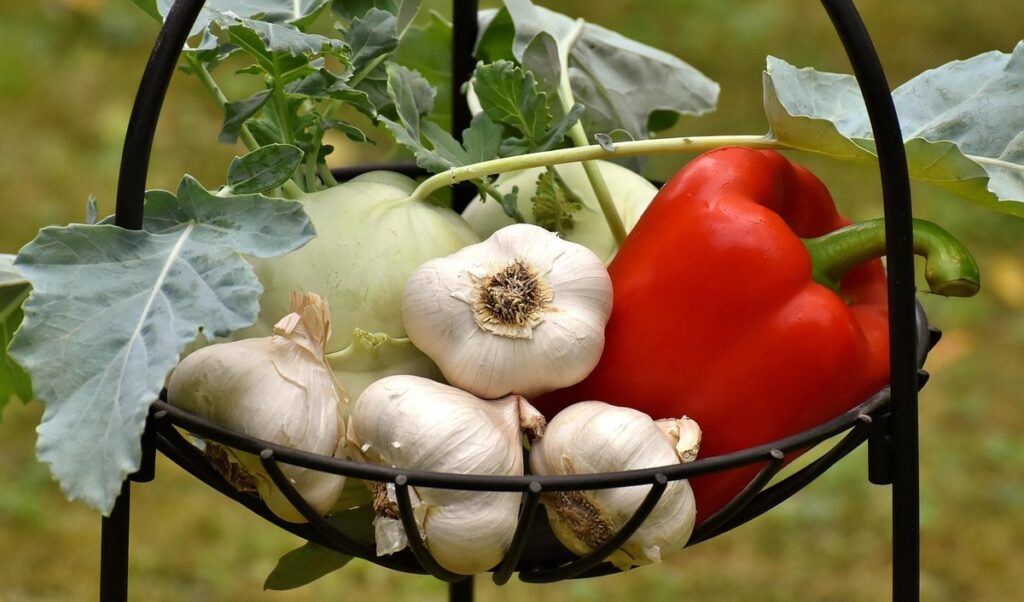
Choosing the Right Garlic for Planting
When it comes to planting garlic, choosing the right variety is crucial for a successful harvest. Let’s explore the different types of garlic you can plant in your garden.
Factors to Consider Before Buying
When selecting garlic for planting, it’s essential to consider several factors to ensure you get the best results. One crucial aspect is choosing a variety that is specifically bred for its hardiness and ability to produce well in your local climate. Store-bought garlic may not fit this criterion, as most commercial varieties are optimized for flavor rather than storage or planting.
When checking the freshness of store-bought garlic, look for firm bulbs with no signs of mold or sprouting. However, even if you find fresh garlic, it’s still important to consider its packaging. Most store-bought garlic is packed in plastic bags or containers designed to preserve moisture and keep the garlic fresh for cooking. This packaging can actually inhibit the growth of roots and shoots when trying to plant.
To get the best results from your planting effort, look for specialized seed garlic or ‘planting stock’ at your local nursery or gardening store. These bulbs are specifically grown for planting and will have the hardiness and vigor needed to thrive in your garden.
Common Types of Store-Bought Garlic
When browsing through the produce section of your local store, you’ll likely come across various types of garlic. Among these are elephant garlic, silverskin garlic, and softneck garlic. While they might be labeled as “garlic,” not all varieties are suitable for planting.
Elephant garlic is a popular choice due to its mild flavor and large cloves. However, it’s primarily bred for its culinary uses rather than being specifically designed for planting. Its growth habit can be more challenging to manage compared to other types of garlic. If you’re interested in growing elephant garlic, make sure to choose varieties that are specifically labeled as “planting” or “hardneck” type.
Silverskin garlic is another store-bought option with potential for planting. Its papery skin helps protect it from disease and its flavor profile is often described as mild and sweet. Look for silverskin varieties that have a higher percentage of hard neck stalks, as these will be more suitable for planting.
Softneck garlic, on the other hand, is less likely to produce viable bulbs when planted directly from store-bought cloves. However, you can still try planting it by choosing softneck varieties with a harder neck and separating them into individual cloves just before planting.
Preparing Store-Bought Garlic for Planting
Before you can plant store-bought garlic, you’ll need to take some steps to prepare it for planting. This includes inspecting and cleaning the cloves to ensure success.
Removing the Outer Layers
When you receive store-bought garlic bulbs, they typically come with multiple layers of skin that need to be removed before planting. This process might seem daunting at first, but it’s essential to expose the individual cloves for optimal growth and health.
Start by separating the bulb into its individual sections or ‘cloves’. Gently squeeze each section between your thumb and index finger to loosen the papery skin. Be careful not to press too hard, as this can cause damage to the delicate inner layers.
Next, peel away the outer layers of skin from each clove, revealing the white tissue beneath. Use a gentle rubbing motion with your fingers or the blunt edge of a knife to remove any remaining bits of papery skin.
Discard the larger, harder outer layers as they’re not suitable for planting. The goal is to expose at least 1-2 inches of the inner stem and base of each clove. This will provide a solid foundation for your garlic plants to grow. Take care to handle the cloves gently throughout this process to prevent bruising or injury.
Separating Cloves
To successfully plant store-bought garlic, you’ll first need to separate the individual cloves from the bulb. This is a crucial step, as each clove has its own potential for growth and yield. Begin by gently separating the largest cloves, making sure not to damage their skin or any of their roots.
When handling the bulbs, keep them cool and dry to prevent moisture from causing the cloves to sprout prematurely. You can also store the separated cloves in an airtight container or paper bag in the refrigerator for up to two weeks before planting.
To separate smaller or more tightly packed cloves, carefully slice through the bulb with a sharp knife or pruning shears, taking care not to crush any of the individual cloves. This will help prevent damage to their delicate roots and increase your chances of successful germination.
Planting Store-Bought Garlic
When planting store-bought garlic, it’s essential to choose bulbs that are specifically labeled as ‘plantable’ and have formed separate cloves. This ensures successful growth in your garden.
Best Time to Plant
When planting store-bought garlic, it’s essential to consider the optimal time for planting in different regions and climates. This is crucial because garlic requires specific weather conditions, soil temperatures, and frost dates to thrive.
In general, garlic can be planted as soon as the soil can be worked in your area, typically 4-6 weeks before the ground freezes. However, this timeframe varies depending on your location. In warmer climates with mild winters, you may be able to plant garlic year-round. For example, in California or Florida, you can plant garlic in early spring or late fall.
In areas with cold winters, it’s best to wait until late winter or early spring when the soil has warmed up and the threat of frost has passed. In regions with short growing seasons, such as Alaska or Canada, planting garlic too early may result in premature growth that’s vulnerable to frost damage. Be sure to check your local frost dates and plant garlic accordingly.
In cooler climates, it’s also essential to choose a variety of garlic that is resistant to cold temperatures. Some popular varieties include ‘Rocambole’ and ‘Silverskin.’
Planting Techniques
When planting store-bought garlic cloves, it’s essential to follow some specific steps to ensure healthy growth and proper development. To begin with, choose the largest, healthiest cloves from the bunch for planting. Remove any soft or moldy cloves as they can spread disease to the rest of the batch.
Next, dig a bed that receives full sun to partial shade, depending on your climate. The ideal soil should be well-draining and have a pH between 6.0 and 7.0. Space garlic cloves about 4-6 inches apart in rows that are 12-18 inches apart. This allows for proper air circulation and growth.
Plant the cloves 2-3 inches deep, making sure the pointed end is facing upwards towards the sun. You can also plant them with the flat base facing upwards if you prefer a more traditional method. Make sure the soil is firmly packed around each clove to prevent settling or washing away during rainfall.
Caring for Store-Bought Garlic Plants
To keep your store-bought garlic plants thriving, you’ll want to pay close attention to their watering and fertilization needs. Proper care will ensure a healthy harvest next season.
Watering and Mulching
Watering and mulching are crucial for the health and success of your store-bought garlic plants. Since garlic is typically harvested when mature, store-bought garlic bulbs might be dormant or showing signs of senescence. However, this doesn’t mean they can’t be planted.
Proper watering techniques will help your garlic plants establish a strong root system. Water them thoroughly once or twice a week, depending on the soil’s moisture level and weather conditions. It’s essential to avoid overwatering, which can lead to rot and other diseases. A good rule of thumb is to water when the top inch of soil feels dry to the touch.
Mulching around your garlic plants will also benefit them by retaining moisture, suppressing weeds, and regulating soil temperature. Use a 2-3 inch layer of organic mulch like straw or wood chips around the base of the plants. This will help retain moisture during hot summer days and keep the soil from becoming too cold in winter.
By following these simple guidelines for watering and mulching, you can give your store-bought garlic plants the best chance to thrive and multiply successfully.
Fertilization and Pest Management
When you’ve successfully grown your store-bought garlic into a thriving plant, it’s essential to continue providing optimal care for healthy growth. Fertilization and pest management play significant roles in ensuring your garlic plants remain robust throughout the growing season.
To fertilize your garlic plants effectively, choose an organic fertilizer that contains a balanced mix of nitrogen, phosphorus, and potassium (NPK). A 10-10-10 NPK ratio is ideal for garlic growth. You can also use compost or well-rotted manure to provide essential nutrients. However, avoid over-fertilizing as this can lead to weak bulb formation.
Companion planting is another effective method of pest management and fertilization. Planting certain herbs and flowers alongside your garlic can help repel pests like aphids, spider mites, and onion flies. For example, companion planting with chives, rosemary, or nasturtiums has been shown to enhance garlic growth while deterring pests.
For natural pest control, consider using neem oil or insecticidal soap to manage infestations. These methods are safer for beneficial insects like bees and butterflies, which pollinate your plants. Regularly inspect your plants for signs of disease or pests and take action promptly to prevent damage.
Troubleshooting Common Issues
If you’re struggling to get your store-bought garlic to sprout, don’t worry – we’ve got some tips and tricks to help you troubleshoot common issues. Let’s dive into the solutions!
Poor Germination Rates
If you’re experiencing poor germination rates when planting store-bought garlic, it’s likely due to one of two main reasons: improper storage or handling. When garlic is harvested and stored for sale, it undergoes a process called “curing” that helps preserve its quality. However, this curing process can also cause the garlic cloves to dry out slightly, making them more susceptible to poor germination rates.
Proper storage before planting can greatly improve germination rates. Typically, store-bought garlic is stored in a cool, dark place with high humidity levels. This environment helps keep the garlic fresh and encourages healthy growth. To increase your chances of successful germination, make sure to store your garlic in a similar environment, such as an unheated garage or cellar.
Another common issue is handling during transportation or storage. Garlic cloves can become bruised or damaged, leading to poor germination rates. Inspect your garlic carefully before planting and discard any cloves that show signs of damage. By taking these simple steps, you can increase the chances of successful germination when planting store-bought garlic.
Pests and Diseases
As you’re about to plant garlic bought from the store, it’s essential to be aware of potential pests and diseases that can affect your crop. Garlic is a popular target for various insects and microorganisms due to its high nutritional value and moisture content.
Some common pests include aphids, spider mites, and nematodes, which can cause damage to garlic leaves and bulbs. Aphids, for instance, are small, soft-bodied insects that feed on plant sap, leaving behind a sticky substance known as honeydew. Spider mites, on the other hand, are microscopic arachnids that suck out plant fluids, causing yellowing or bronzing of leaves.
Diseases like powdery mildew and downy mildew can also affect garlic plants. Powdery mildew appears as a white, powder-like coating on leaves, while downy mildew causes a fuzzy growth on the underside of leaves. To prevent infestations and infections, make sure to inspect your garlic regularly for signs of pests or diseases.
If you notice any issues, remove affected plants immediately and treat the soil with organic fungicides or insecticidal soap. Practice good garden hygiene by disinfecting tools and washing your hands before handling the plants. By being proactive and vigilant, you can minimize the risk of pest and disease problems and enjoy a healthy garlic harvest from store-bought bulbs.
Conclusion
Now that you’ve learned whether store-bought garlic can be planted, let’s wrap up what we’ve covered and recap the key takeaways for successful homegrown garlic.
Summary of Key Takeaways
When it comes to planting garlic bought from the store, there are several key factors to keep in mind for successful results. You should look for garlic bulbs that are firm and have not begun to sprout, as these will be easier to plant than soft or partially sprouted varieties.
When selecting a location for your garlic plants, choose a spot with well-draining soil and full sun to partial shade. Make sure the area is free from debris and weeds, which can compete with your garlic for water and nutrients.
Plant the individual cloves 4-6 inches apart and about 2-3 inches deep in late fall or early winter, depending on your climate. Water them well after planting and keep the soil consistently moist during the first growing season. By following these steps and choosing healthy store-bought garlic bulbs, you can successfully grow delicious garlic at home.
Regularly inspect your plants for signs of pests or diseases, and take action promptly if necessary to prevent damage. With proper care and attention, your garlic should thrive and produce a bountiful harvest in the summer months.
Final Tips and Recommendations
To increase your chances of growing healthy garlic from store-bought bulbs, it’s essential to choose varieties that are specifically labeled as “plantable” or “seed garlic.” These types of garlic are bred for their ability to form new cloves and grow well in the garden. You can find these varieties at specialty nurseries or online suppliers.
When selecting store-bought garlic, look for bulbs with firm, plump cloves and no signs of mold or rot. Avoid using soft-neck garlic varieties as they tend not to perform well when planted.
To plant your store-bought garlic, dig individual cloves about 4-6 inches apart in the garden bed, with the pointed end facing up. Plant them at a depth of about 2-3 inches and water thoroughly. Keep the soil consistently moist during the first few weeks after planting, then gradually reduce watering to about 1 inch per week.
Some additional tips for success include using well-draining soil, mulching around the plants to retain moisture and suppress weeds, and harvesting your garlic when the tops of the plants start to yellow and fall over. By following these steps and choosing the right variety, you can enjoy a bountiful harvest of homegrown garlic from store-bought bulbs.
Frequently Asked Questions
Can I plant store-bought garlic that’s been sitting in the pantry for a year?
No, it’s best to use fresh garlic for planting, as older bulbs may not produce well or have decreased viability.
Will all types of store-bought garlic grow successfully in my garden?
Not necessarily. Some commercial varieties are bred specifically for flavor and won’t produce good results when planted. Look for varieties labeled as “planting” or “storage” garlic for better success.
How do I know if the store-bought garlic I have is suitable for planting, even if it doesn’t explicitly state so?
Check the packaging or label for keywords like “suitable for planting,” “bulbils,” or “sets.” You can also inspect the bulbs themselves – look for firm, compact bulbs with a good balance of cloves.
What’s the ideal time to plant store-bought garlic in my region?
The best time to plant will depend on your local climate and region. Generally, spring and fall are considered optimal planting times, but specific dates may vary depending on frost dates and soil temperatures.
Can I grow multiple varieties of garlic from store-bought bulbs if they’re not labeled as ‘planting’ garlic?
Yes, you can still try growing different varieties from store-bought bulbs, but keep in mind that the results might be inconsistent. You can observe which ones perform well and use that knowledge for future planting endeavors.