
Are you tired of buying fresh basil every week or struggling to keep your indoor herb garden thriving? Propagating basil in water is a game-changer for any cooking enthusiast or green thumb. Not only does it allow you to grow an endless supply of this popular herb, but it’s also incredibly easy and space-efficient.
To get started, you’ll need to choose the right variety of basil that thrives in water propagation – some options are better suited than others. We’ll cover all the essential steps, from preparing cuttings to optimizing growth conditions for maximum success. Our comprehensive guide will walk you through everything you need to know to successfully propagate basil in water and enjoy a continuous supply of this flavorful herb at your fingertips.
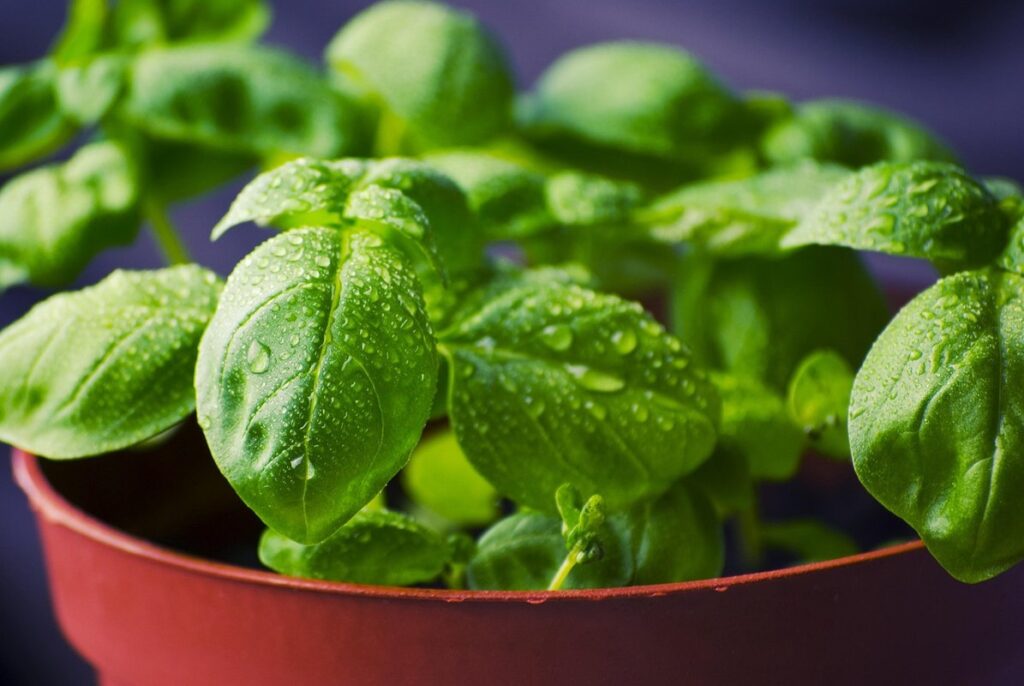
Choosing the Right Basil Variety
When it comes to propagating basil in water, selecting the right variety is crucial for success. With so many options available, how do you choose the perfect one?
Factors to Consider When Selecting a Basil Type for Water Propagation
When it comes to water propagation, not all basil varieties are created equal. Sweet basil is one of the most popular choices for this method, and for good reason – its delicate leaves and thin stems make it perfect for rooting in water. However, Thai basil and lemon basil can also thrive in a water-based system. When selecting a basil type for water propagation, consider the fragrance and flavor profiles you’re aiming for.
Sweet basil is an excellent choice for beginners, as its leaves are easy to root and grow quickly. It’s a classic addition to many Italian dishes and has a subtle, slightly sweet aroma. Thai basil, on the other hand, has a more pungent flavor and aroma, making it ideal for Southeast Asian cuisine. Lemon basil adds a bright, citrusy note that’s perfect for salads and marinades.
Before making your final decision, think about how you plan to use your propagated basil. Will it be for cooking or as a decorative addition? Consider the space you have available and the level of care required for each variety. Some basil types are more prone to root rot in water than others, so it’s essential to choose one that can tolerate this environment.
Tips for Preparing Basil Cuttings for Water Propagation
When taking basil cuttings for water propagation, timing is everything. The ideal time to take cuttings is in the morning, after the dew has dried but before the heat of the day sets in. This allows the plant to heal quickly and reduces the risk of bacterial or fungal growth.
Before you begin, inspect your basil plant for healthy stems with at least two nodes (the joint where a leaf meets the stem). Choose stems that are around 4-6 inches long and have a good balance of leaves and internodes. Remove any weak or spindly growth to encourage bushy development.
To take the cutting, snip off the bottom two sets of leaves with scissors or pinch them off with your fingers. This will help prevent the cutting from becoming waterlogged and promote root growth. You can also use this opportunity to prune back any leggy stems to maintain the plant’s shape and encourage more branching. By following these simple steps, you’ll be well on your way to successfully preparing basil cuttings for water propagation.
Materials Needed for Basil Water Propagation
To successfully propagate basil in water, you’ll first need to gather a few essential items that will help you get started on your journey. These basic materials are outlined below.
Essential Equipment for Successful Water Propagation
To successfully propagate basil in water, you’ll need some essential equipment. Start by gathering a clean glass container with a wide mouth – a mason jar or a large vase work well for this process. You’ll also need a source of fresh, cold water to fill the container. It’s crucial that your workspace is clean and free from any contaminants that could harm your basil cutting.
While not essential, having some optional tools can aid in the propagation process. A sharp pair of scissors or pruning shears are great for making clean cuts on the basil stem, reducing the risk of infection. A paper towel or a soft cloth can also be used to gently pat dry any excess moisture from the cut area before submerging it into water.
Keep your equipment ready and within reach as you’ll need it throughout the process. Make sure to wash your hands thoroughly before handling the basil cutting and the glass container to prevent any potential contamination.
How to Choose the Right Water for Basil Cuttings
When it comes to propagating basil in water, choosing the right type of water is crucial for successful growth. Tap water may seem like a convenient option, but it’s not always the best choice. This is because tap water contains minerals and chemicals that can affect the pH level of the water, potentially harming your basil cuttings.
Distilled water, on the other hand, is a popular alternative for plant propagation. Its purity makes it an ideal choice for basil cuttings, as it won’t introduce any unwanted substances into the water. If you don’t have access to distilled water, filtered tap water can also work well.
To prepare your chosen water, make sure to let it sit at room temperature for 24 hours before using it. This allows the chlorine and other impurities to dissipate, creating a safer environment for your basil cuttings. Avoid using hot or cold water, as this can shock the roots of your plant and hinder growth.
It’s also worth noting that the quality of the water may vary depending on your location. If you live in an area with hard water, for example, it may be more difficult to find a suitable alternative. In these cases, consider using rainwater or investing in a water filter specifically designed for plant propagation.
Preparing the Environment for Basil Propagation
To successfully propagate basil in water, it’s crucial that you create a clean and stable environment for your seeds to thrive. This section will guide you through preparing your space.
Creating an Ideal Environment for Basil Cuttings
When creating an ideal environment for basil cuttings to propagate in water, you’ll want to focus on three key elements: temperature, humidity, and light exposure. Basil thrives in temperatures between 65-75°F (18-24°C), making it perfect for indoor propagation during most seasons.
To maintain optimal humidity levels, place the cutting jar on a tray filled with water and pebbles or use a humidifier nearby. This will prevent moisture loss from the cuttings and promote healthy growth. However, be cautious not to overdo it – high humidity can lead to fungal diseases that can quickly spread through your basil cuttings.
In terms of light exposure, basil prefers bright indirect light but can tolerate some direct sunlight. Aim for a spot with filtered natural light or use grow lights nearby. This will encourage strong stem growth and prevent the cuttings from becoming leggy. Keep in mind that overexposure to direct sunlight can cause burning and reduced yields.
To prevent contamination and promote healthy propagation, make sure your cutting jar is clean and sanitized before submerging the basil stems into water.
Minimizing Risk of Pests and Diseases in Water-Grown Basil
When propagating basil in water, it’s essential to take preventative measures against pests and diseases that can devastate your crop. One of the most common issues you may encounter is spider mites, which are tiny, spider-like creatures that feed on plant sap, causing stress and damage.
To minimize the risk of pest infestation, ensure your water propagation station is kept clean and free from debris. Wash your hands thoroughly before handling basil cuttings to avoid transferring oils or dirt that can attract pests. Use a gentle soap solution to clean any equipment, and make sure to rinse well.
Diseases like root rot are often caused by overwatering or poor drainage. To prevent this, use a water-groove system with a built-in drainage mechanism. This will allow excess water to flow away from the roots, reducing the risk of fungal growth. Keep your propagation station in a bright, airy spot, but avoid direct sunlight, which can cause temperature fluctuations that foster disease.
The Process of Water Propagation
Now that you’ve learned how to prepare your basil cuttings, let’s dive into the nitty-gritty of propagating them in water. In this next step, we’ll walk through the process from start to finish.
Step 1: Submerging the Cuttings in Water
Now that you have your basil cuttings ready, it’s time to submerge them in water. This is a crucial step in the propagation process, and getting it right will ensure healthy roots develop quickly. To begin, place the cut ends of the basil stems into a glass or container filled with room temperature water. Make sure the node (where the leaf meets the stem) is fully submerged, but don’t overdo it – you want about an inch to an inch-and-a-half of stem above the waterline.
The ideal duration for soaking your cuttings in water varies depending on their freshness and the time of year. Generally, a 24-48 hour soak should be sufficient. Change the water every day or two to prevent bacterial growth, which can harm your cuttings. You’ll start to see roots developing within 3-5 days, but don’t rush the process – some people recommend waiting up to a week for more robust root growth.
Keep an eye on your cuttings and adjust their position as needed. If you notice any signs of decay or rot, remove them immediately to prevent infection from spreading to other cuttings.
Monitoring Progress and Troubleshooting Common Issues
Monitoring progress is crucial when propagating basil in water. Check on the roots every 2-3 days to ensure they’re developing properly. You’ll know the roots are growing when you see a white, fuzzy mass forming at the bottom of the glass or container. If you notice any signs of rotting leaves or stems, remove them immediately to prevent the spread of disease.
Slow growth can be caused by insufficient light or water quality issues. Make sure your basil cutting is receiving direct sunlight for at least 4 hours a day and change the water in the propagation vessel every 3-4 days to maintain oxygen levels. If you’re using tap water, consider switching to filtered water as it may contain high levels of minerals that can inhibit root growth.
Other common issues include algae buildup and pest infestations. To prevent algae, add a small amount of bleach or hydrogen peroxide to the water (1 part solution for every 10 parts water). Regularly inspect your basil cutting for signs of pests like spider mites, mealybugs, or aphids. If you notice any, treat the affected area with neem oil or insecticidal soap according to the product’s instructions.
Care and Maintenance of Water-Grown Basil
Now that you’ve successfully propagated your basil, it’s essential to care for these water-grown plants properly to ensure they thrive. Regular maintenance will keep them healthy and fragrant throughout the growing season.
Optimizing Light Exposure for Healthy Growth
When it comes to growing basil in water, light exposure plays a crucial role in promoting healthy growth. Basil is a sun-loving plant that requires bright, indirect light to thrive. Direct sunlight can cause the leaves to become scorched and discolored, while insufficient light may lead to weak and spindly stems.
To optimize lighting conditions for your water-grown basil, ensure it’s placed near an east- or west-facing window. Avoid direct sunlight, especially during peak hours (usually between 11am and 3pm). If you don’t have a sunny windowsill, consider using grow lights as a substitute. Aim for at least 12 to 14 hours of light per day.
Monitor your basil’s response to lighting conditions by observing its color and growth rate. Avoid exposing it to extreme temperatures near heating vents or air conditioning units. By providing the right amount of light, you’ll be able to enjoy fresh, fragrant basil leaves in no time. Make adjustments as needed to ensure optimal growth and prevent pests or diseases from taking hold.
Water Change Frequency and Root Development
Changing the water frequently is crucial for healthy root development in basil propagated in water. If you don’t change the water often enough, the roots can become too long and begin to decay. This can lead to a few issues: root rot, reduced nutrient uptake by the plant, and an increased risk of pest infestations.
A general rule of thumb is to change the water every 7-10 days. However, this frequency may vary depending on factors such as the temperature of your home, the light exposure of the basil, and the overall health of the plant. For example, if you notice that the roots are growing excessively fast or developing a foul odor, it’s likely time to change the water more frequently.
To gauge whether it’s time for a water change, inspect the roots regularly. If they appear discolored or mushy, it’s a clear sign that they’re rotting and need fresh water.
Harvesting Your Propagated Basil
Now that your basil cuttings have roots, it’s time to harvest them and transfer them into individual pots for continued growth and use in your cooking. This section will guide you through the process of harvesting and potting your propagated basil.
Timing and Techniques for Successful Harvests
When it comes to harvesting propagated basil grown in water, timing is everything. You’ll want to harvest your basil leaves at the optimal time to ensure they’re at their peak flavor and aroma.
Look for signs of readiness, such as leaf size – ideally, you’re aiming for leaves that are around 4-6 inches long. This indicates that the plant has reached its full potential and is ready for harvesting. You can also check the color of the leaves; when basil is mature, the leaves will have a deep green color.
To harvest your basil leaves without damaging the plant, simply snip them off at the node (the point where the leaf meets the stem) using scissors or pinch them between your thumb and index finger. This will help prevent any damage to the delicate roots of the plant. Harvest individual leaves as needed, rather than cutting back the entire plant at once. This will encourage the plant to continue producing new growth and keep it healthy throughout its growing cycle.
Tips for Preserving Freshly Harvested Basil
Once you’ve harvested your propagated basil, it’s essential to preserve its flavor and aroma for future use. There are several methods to achieve this, including drying and freezing. Drying is an excellent way to retain the herb’s fragrance and color, while also making it easier to store.
To dry your freshly harvested basil, simply tie a few sprigs together with twine or a rubber band, and hang them upside down in a warm, dry place with good air circulation. You can also use a food dehydrator set at 95°F (35°C) for faster results. Be sure to monitor the temperature and humidity levels to prevent browning or spoilage.
Freezing is another excellent method for preserving basil. You can chop the leaves finely and store them in an airtight container or freezer bag. This method helps retain the herb’s flavor and aroma, making it ideal for use in soups, sauces, and other recipes where fresh basil might be lost during cooking.
When freezing, consider using ice cube trays to portion out the basil, making it easy to thaw only what you need.
Frequently Asked Questions
Can I use a self-watering system instead of changing the water regularly?
Yes, using a self-watering system can be a great alternative to frequent water changes. This will allow your basil cuttings to absorb nutrients and water as needed, reducing the risk of overwatering or underwatering.
How often should I expect new roots to develop after submerging my cuttings in water?
New roots typically start developing within 1-3 weeks after submerging the cuttings in water. However, this can vary depending on factors like basil variety, light exposure, and water quality. Monitor your progress closely, and be patient – some varieties may take longer to develop a robust root system.
What if I notice mold or mildew developing on my basil leaves while propagating in water?
Mold and mildew can be a common issue when growing plants in water. To address this, increase air circulation around the container, ensure good light exposure, and use distilled or rainwater to minimize bacterial growth. You can also add a small amount of bleach (1 part per 10) to the water to prevent fungal development.
Can I propagate multiple basil varieties at once using the same water system?
Yes, you can experiment with different basil varieties in separate containers within the same water propagation system. However, be aware that strong-rooting varieties like Thai basil may outcompete weaker growers like sweet basil. Keep an eye on each plant’s growth and prune or repot as needed to ensure optimal development.
How do I know when my propagated basil is ready for harvest?
Check your propagated basil regularly for signs of maturity – look for fragrant leaves, vibrant green color, and a robust root system. Harvest individual leaves or stems as needed, but avoid over-harvesting, which can stress the plant and impact future growth.