
If you’re looking for a way to propagate your favorite herb without spending money on seed packets or nursery plants, growing thyme from cuttings is the perfect solution. Not only is it cost-effective, but it’s also incredibly rewarding to see your homegrown herbs thrive in no time. However, taking thyme cuttings can be a bit tricky if you don’t know where to start. That’s why we’ve put together this step-by-step guide on how to grow thyme from cuttings successfully.
In this article, we’ll walk you through the process of choosing healthy mother plants, preparing cuttings for planting, and providing optimal aftercare tips for your new thyme babies to flourish. With our expert advice, you’ll be able to grow a bounty of fragrant thyme in no time, perfect for seasoning your favorite dishes or using as a garnish. Whether you’re a seasoned gardener or just starting out, this guide has got you covered.
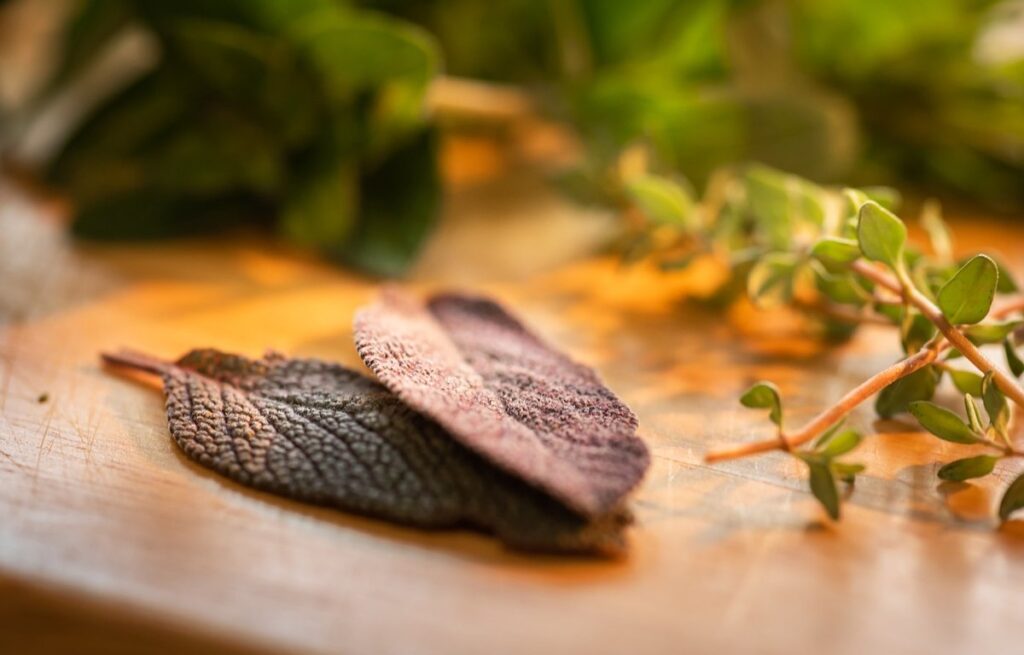
Choosing Healthy Mother Plants
When selecting a healthy mother plant for cuttings, choose one that is robust and free of pests or diseases to ensure a strong start for your new thyme plants. Look for signs of vitality like fresh green leaves and sturdy stems.
Selecting Thyme Varieties for Clonal Propagation
When selecting thyme varieties for clonal propagation, it’s essential to choose plants that exhibit desirable traits such as compact growth, fragrant leaves, and disease resistance. English thyme (Thymus vulgaris), also known as common thyme, is a popular choice due to its ease of propagation and adaptability to various growing conditions.
Other suitable varieties for clonal propagation include creeping thyme (Thymus serpyllum) and lemon thyme (Thymus x citriodorus). Creeping thyme forms a dense mat-like growth habit, making it an excellent option for groundcover or erosion control. Lemon thyme, on the other hand, boasts a distinctive citrus flavor and aroma.
When selecting mother plants for cuttings, look for vigorous and healthy specimens with well-developed root systems. Inspect the plant for signs of pests, diseases, or nutrient deficiencies, as these can impact the success of clonal propagation. By choosing the right thyme variety and selecting healthy mother plants, you’ll set yourself up for success in growing thyme from cuttings.
Identifying Healthy Stem Tips for Cutting
When selecting healthy stem tips for cutting, it’s essential to choose those with no signs of disease or pests. To identify unhealthy stems, inspect them closely for any visual cues such as yellowing leaves, black spots, or powdery mildew. These symptoms can be indicative of fungal diseases like root rot or leaf spot.
To minimize the risk of introducing these issues into your new cuttings, stick to mother plants that are free from visible signs of disease. Also, ensure that the stems you choose are firm and plump, as this is a good indicator of overall plant health.
Be cautious when selecting stem tips from plants with pest infestations like spider mites or mealybugs. These pests can easily spread to your new cuttings, compromising their growth and potentially causing further damage to your garden.
When inspecting the stem tips, also check for any signs of over-watering or under-watering stress. Avoid choosing stems that are wilted or show waterlogged soil around the base, as this can indicate issues with moisture management in the plant.
By carefully selecting healthy stem tips, you’ll be well on your way to creating successful cuttings that will thrive when propagated properly.
Preparing Cuttings
Before you start growing thyme from cuttings, make sure to prepare them correctly by gathering fresh and healthy stems, as these will be your starting point. Choose a few nice, long stems with plenty of leaves.
Timing the Cutting Process for Optimal Success
When it comes to timing the cutting process for optimal success, there are several factors to consider. First and foremost, you’ll want to take cuttings from a healthy thyme plant that’s actively growing. This is usually during the spring or early summer months when the plant is producing new growth.
Avoid taking cuttings during the hottest part of the day, as this can cause stress to the plant. Instead, take them in the morning after the dew has evaporated but before the heat becomes too intense. Also, consider the climate you’re growing in – if it’s a cooler region with mild winters, you may be able to take cuttings throughout the year.
In general, thyme is a forgiving herb when it comes to cutting, and you can usually get away with taking cuttings at any time when the plant is actively producing new growth. However, for optimal results, focus on cutting sections that have 2-3 sets of leaves. This will give your new thyme plant the best chance to establish itself.
Keep in mind that thyme tends to be more receptive to rooting when it’s in a slightly stressed state – this can be achieved by withholding water or fertilizing for a short period before taking cuttings.
Cleaning and Sterilizing Tools
When working with plant cuttings, it’s essential to use clean and sterilized tools to minimize the risk of contamination. This is particularly crucial when propagating thyme from cuttings, as the plant is susceptible to diseases like root rot and leaf spot.
To start, wash your cutting tools in warm soapy water, paying particular attention to any crevices or corners where debris can accumulate. Rinse thoroughly with clean water and dry with a lint-free cloth before sterilizing. You can use a solution of one part bleach to nine parts water for 10-15 minutes, or dip the tools in a mixture of equal parts water and white vinegar.
After sterilizing your tools, make sure they are completely dry before handling cuttings. This will prevent any potential bacterial growth on the tools that could transfer to the cut ends of the thyme stem. Regularly cleaning and sterilizing your cutting tools will help maintain a healthy environment for propagation and reduce the risk of contamination. Always prioritize cleanliness when working with plant cuttings to ensure the best possible results.
Taking Thyme Cuttings
To successfully grow thyme from cuttings, you’ll need to carefully prepare and plant your cuttings at just the right time, avoiding any common mistakes.
Stem Sectioning and Cutting Technique
When taking thyme cuttings, it’s essential to use the right technique and equipment to ensure successful propagation. To do this, you’ll need a pair of clean and sharp pruning scissors or secateurs.
Begin by selecting healthy stems from mature thyme plants with plenty of new growth. Look for sections with a minimum of two sets of leaves, as these are more likely to root successfully. Avoid taking cuttings from weak or leggy stems, as they may not produce good roots.
Cut the stem sections at an angle, just above a leaf node using a 45-degree angle cut. This will help prevent water from collecting on the cutting and reduce the risk of fungal diseases. Cuttings that are too long can also be difficult to root, so aim for sections around 2-3 inches (5-7.5 cm) in length.
Remember to make clean cuts, removing any lower leaves that might interfere with rooting. This will prevent moisture from collecting on the stem and reduce the risk of fungal diseases.
Removing Lower Leaves for Better Water Uptake
When taking thyme cuttings, it’s essential to remove the lower leaves to ensure better water uptake during the rooting process. This might seem counterintuitive, but trust us – it makes a significant difference. The reason for this is simple: by removing the lower leaves, you’re creating an environment that promotes healthy water absorption.
Think of it like this: when thyme cuttings have too many leaves, they can become waterlogged and more susceptible to root rot. This happens because the excess leaves create a barrier between the stem and the rooting medium, preventing water from reaching the roots efficiently. By removing the lower leaves, you’re allowing for maximum contact between the stem and the soil, which encourages healthy water uptake.
In fact, studies have shown that thyme cuttings with fewer leaves exhibit higher root growth rates and survival rates compared to those with intact foliage. So, to promote successful rooting, remove all but 2-3 sets of leaves from the lower portion of your thyme cutting, leaving only the topmost pair or two. This will give your cutting the best chance at thriving and developing a strong root system.
Rooting Thyme Cuttings
To successfully root thyme cuttings, you’ll want to focus on creating a suitable environment for them to take hold and develop into healthy new plants. This involves making the right cuts, preparing the rooting medium, and providing optimal conditions for growth.
Creating a Suitable Rooting Environment
When it comes to creating a suitable rooting environment for thyme cuttings, there are several key factors to consider. First and foremost, light is crucial for root development. Thyme cuttings require bright, indirect light to stimulate rooting, but direct sunlight can cause the cutting to dry out. East- or west-facing windows are ideal for this purpose.
Temperature also plays a significant role in promoting healthy root growth. Aim for temperatures between 65°F to 75°F (18°C to 24°C), which is slightly warmer than average indoor temperatures. This temperature range allows for optimal rooting, and it’s essential not to expose the cuttings to extreme heat or cold. Maintain high humidity by covering the container with a clear plastic bag or a cloche to create a mini-greenhouse effect.
To optimize root development, ensure good air circulation around the cutting by leaving about 1-2 inches of space between each cutting. By controlling these factors, you’ll create an environment that encourages thyme cuttings to develop strong roots and eventually thrive as healthy plants.
Using Root Stimulants or Hormone Solutions (Optional)
When it comes to rooting thyme cuttings, you might be wondering if there’s an extra boost that can help them take root more efficiently. That’s where root stimulants and hormone solutions come in – optional tools that can enhance the success of your propagation efforts.
These products contain plant growth regulators (PGRs) like auxins, which are naturally occurring compounds found in plants. When applied to cuttings, PGRs stimulate cell division and promote root development. Using a root stimulant or hormone solution can increase the chances of successful rooting by 10-20% or more.
To use a root stimulant or hormone solution effectively, apply it directly to the cutting’s stem or leaves according to the product instructions. You can usually expect results within 7-14 days after application. Keep in mind that these products won’t replace proper care and conditions for rooting thyme cuttings – they’re meant to be used as a supplement to enhance the process.
A well-known example of a root stimulant is Clonex Rooting Gel, which has been successfully used by many gardeners to promote healthy rooting. However, not all thyme varieties respond equally well to PGRs, so you may need to experiment and find what works best for your specific plant.
Aftercare and Transplanting
Now that you’ve successfully rooted your thyme cutting, it’s time to focus on aftercare and transplanting to give your new plant the best chance at thriving. Proper care will help it establish a strong root system and plenty of fragrant foliage.
Providing Adequate Watering and Care Post-Rooting
After successfully rooting your thyme cuttings, it’s essential to provide them with the right conditions for optimal growth. Proper aftercare is crucial during this sensitive period. A consistent watering schedule will help newly rooted thyme plants establish a strong root system.
Water your thyme cuttings when the top inch of soil feels dry to the touch. This can be once or twice a week, depending on your climate and indoor conditions. Avoid overwatering, which can lead to root rot and kill the young plant. A good rule of thumb is to water in the morning, so the leaves have the entire day to dry out.
In addition to watering, consider the environmental conditions for your thyme plants. Keep them in a spot with bright, indirect light but avoid direct sunlight, which can cause scorching. Maintain a temperature between 65-75°F (18-24°C), ideal for thyme growth. Fertilize sparingly, as young roots are sensitive to nutrient shock. By following these aftercare instructions, you’ll be well on your way to growing healthy and robust thyme plants from cuttings.
Hardening Off Cuttings Before Transplantation into Outdoor Gardens
When you’ve successfully rooted your thyme cuttings in a propagation tray or pot, it’s time to harden them off for outdoor transplantation. This crucial step will ensure your new thyme plants are prepared for the rigors of full sun and varying weather conditions.
Start by moving your propagated thyme cuttings outside into a shaded area for 7-10 days. Gradually increase their exposure to direct sunlight over this period, beginning with just a few hours each day. This acclimation process will help prevent shock when they’re finally transplanted into their permanent outdoor location.
Monitor the weather and avoid moving your thyme cuttings during extreme heat or cold snaps. Bring them indoors if necessary to protect from frost or intense sunlight. As you harden off your thyme, be sure to maintain consistent watering and fertilization schedules. This will help the plants develop strong roots and a robust system ready for outdoor conditions.
Frequently Asked Questions
What is the ideal time frame for taking thyme cuttings to ensure optimal success?
Concise answer: The best time to take thyme cuttings depends on your location and climate. Generally, take cuttings during the spring or early summer when thyme plants are actively growing. Avoid taking cuttings in extreme heat or cold.
Can I use any type of potting mix for rooting thyme cuttings?
Concise answer: No, it’s essential to use a well-draining potting mix specifically designed for herbs. Regular potting soil can retain too much moisture, leading to root rot. Look for mixes with perlite or vermiculite to ensure good drainage and prevent waterlogged conditions.
How often should I water thyme cuttings after rooting?
Concise answer: Thyme cuttings need consistent moisture during the first few weeks after rooting. Water them gently but thoroughly, allowing the soil to dry slightly between waterings. Reduce watering frequency once roots have developed and new growth appears.
Can I propagate thyme from old or leggy mother plants?
Concise answer: Yes, you can still use older or leggy mother plants for propagation. However, choose healthy stem tips with fresh growth for the best results. Prune back older stems to encourage new growth before taking cuttings.
Will using root stimulants or hormone solutions improve thyme cutting success?
Concise answer: Yes, using a high-quality root stimulant or hormone solution can enhance rooting success rates and speed up establishment times. Follow the product instructions carefully and avoid overusing these products, as they can cause more harm than good.