
Are you ready to grow your own sweet potatoes from scratch? Starting sweet potatoes from seed is a bit tricky, but with the right techniques, you can successfully sprout slips from your favorite variety. This process allows you to propagate new plants and enjoy optimal yields in no time.
In this article, we’ll dive into the world of growing sweet potato slips, covering everything from choosing the perfect variety for slips production to preparing your tubers for success. We’ll also explore the ideal conditions for creating a slip-producing environment that will give you the best results possible. Whether you’re an experienced gardener or just starting out, learning how to grow sweet potato slips from scratch can be a game-changer for any home garden.
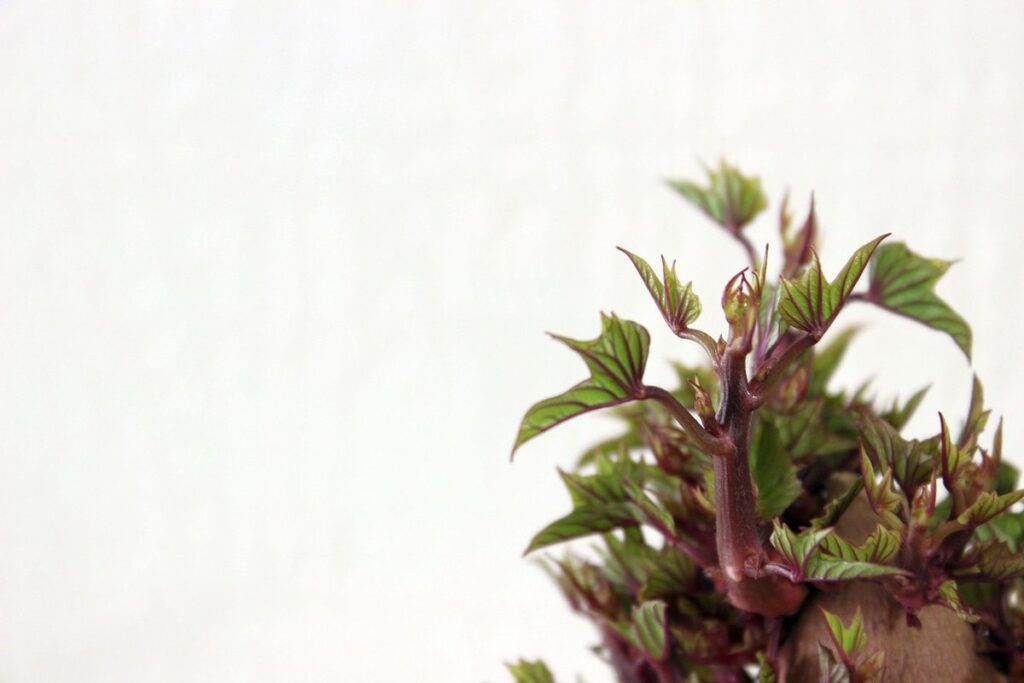
Choosing the Right Sweet Potato Variety
When choosing a sweet potato variety for sprouting, consider factors like climate adaptability and desired characteristics of your slips. Your selection will greatly impact their growth and performance.
Understanding the Importance of Variety
Choosing the right sweet potato variety is crucial for successful slip production. Not only will it determine the quality and quantity of slips you’ll get, but also their ability to thrive in different climates and withstand diseases.
When selecting a variety, consider factors like disease resistance. Some popular varieties like ‘Jewel’ and ‘Beauregard’ are known for their high resistance to fusarium wilt, a common sweet potato disease. Climate adaptability is another essential factor. For example, ‘O’Henry’ is ideal for cooler climates while ‘Covington’ performs well in warmer temperatures.
In addition to these factors, desirable traits like high yield or early maturity can also influence your choice. If you’re looking to harvest your slips quickly, opt for a variety that matures within 100 days like ‘Georgia Jet’. On the other hand, if you want a higher yield, consider varieties like ‘Covington’ or ‘Beauregard’, which produce an average of 10-15 slips per tuber.
Ultimately, selecting the right sweet potato variety will set the stage for successful slip production. By considering these factors and choosing a suitable variety, you’ll be well on your way to growing healthy and productive sweet potatoes from scratch.
Factors Affecting Variety Selection
When choosing a sweet potato variety to sprout for slips, it’s essential to consider the climate you’re growing in. Sweet potatoes thrive in warm temperatures, but some varieties are more tolerant of cooler climates than others.
For warm climates, look for varieties that mature quickly and have high heat tolerance, such as ‘Beauregard’, ‘Covington’, or ‘Georgia Jet’. These varieties will produce a high yield in hot weather, making them perfect for regions with long growing seasons. On the other hand, if you’re in a cooler climate, choose varieties like ‘Jewel’ or ‘O’Henry’ that mature more slowly and have better cold tolerance.
In addition to climate considerations, disease resistance is also crucial when selecting a sweet potato variety. Look for varieties with built-in resistance to powdery scab, fusarium wilt, or other common sweet potato diseases. Some examples of resistant varieties include ‘Covington’, ‘Georgia Jet’, and ‘Hernandez’. By choosing the right variety for your climate and considering disease resistance, you’ll set yourself up for success in growing healthy and productive slips.
Preparing Your Sweet Potatoes for Sprouting
To successfully sprout a sweet potato, you’ll first need to prepare your spuds by choosing the right variety and giving them a gentle wash to remove any dirt or debris.
Cleaning and Storing the Tubers
When it comes to sprouting sweet potatoes for slips, proper cleaning and storage of the tubers are essential steps that often get overlooked. Before you begin attempting to sprout your sweet potatoes, make sure to handle them gently to avoid causing damage.
Start by examining each tuber closely for any signs of mold or decay. Remove any affected areas with a clean knife or garden tool, making sure not to scratch the surrounding skin. This will help prevent the spread of disease and encourage healthy sprouting.
Store your cleaned sweet potatoes in a cool, dark place like a pantry or cupboard until you’re ready to begin the sprouting process. Avoid placing them near direct sunlight or heat sources, as this can cause them to rot more quickly. Check on them periodically for any signs of spoilage or pests. By following these simple steps, you’ll be able to keep your sweet potatoes in optimal condition and increase their chances of successful sprouting.
A general rule of thumb is to use tubers that are 1-2 inches in diameter, as these tend to produce the best results.
Creating Conditions for Sprouting
To create an ideal environment for sprouting, you’ll need to pay attention to two crucial factors: watering and humidity levels. Aim to keep the soil consistently moist but not waterlogged, as this can lead to root rot. A good rule of thumb is to water your sweet potato when the top inch of soil feels dry to the touch.
Maintaining optimal humidity levels is also essential for successful sprouting. You want to aim for a humid environment that’s around 80-90% relative humidity. To achieve this, you can cover the container with a clear plastic bag or place it in a damp environment like a greenhouse.
On the topic of light and temperature control, sweet potatoes need bright, indirect light to produce slips. Direct sunlight can cause the shoots to become scorched, so it’s best to provide filtered light. If you’re growing indoors, consider using grow lights to supplement natural light. In terms of temperature, keep your sweet potato between 65-75°F (18-24°C) during the day and around 55-60°F (13-15°C) at night. This will encourage healthy growth and optimal sprouting conditions.
Creating a Slip-Producing Environment
To create a slip-producing environment, you’ll need to provide your sweet potato with a stable temperature and controlled humidity levels that promote optimal growth. This means keeping it warm and humid.
Setting Up Your Sprouting Station
To set up your sprouting station, you’ll need a few basic materials. Start by gathering several clean containers with drainage holes – plastic cups, yogurt tubs, or even old egg cartons work well. Fill the containers about 1/4 of the way with a growing medium like peat moss or vermiculite. This will help keep your sweet potato moist and promote healthy root growth.
Next, fill the container with water to cover the medium – but not so deep that it’s touching the sweet potato itself. Make sure there are no air pockets between the medium and the water, as these can cause uneven moisture levels.
To create a mini-greenhouse effect, place the containers in a covered area like a plastic bag or a cloche. This will maintain humidity and keep the temperature consistent – ideal conditions for sprouting! You can also cover the area with a damp cloth if you don’t have a bag or cloche.
Monitoring and Maintaining the Environment
As you’ve successfully created an ideal environment for sprouting sweet potato slips, it’s essential to maintain optimal conditions to ensure healthy growth and development. This involves regular watering and humidity checks.
Watering is a critical aspect of maintaining the perfect environment. Ensure that the soil remains consistently moist but not waterlogged. Overwatering can lead to root rot, while underwatering may cause the slips to wither. Aim for a frequency of watering based on the temperature and humidity levels in your area. For example, if you live in a dry climate, you may need to water every other day. Monitor the moisture level by inserting your finger into the soil up to the first knuckle; if it feels damp but not wet, it’s time for another watering.
Pruning and training are equally crucial steps in promoting healthy growth and maximizing production. Prune any weak or damaged slips at their base, making clean cuts just above a node (the point where the stem meets the leaf). This encourages the remaining slips to focus energy on developing strong roots and stems rather than struggling with diseased tissue. Training involves gently guiding the slip into its growing position, ensuring it receives adequate sunlight and is secure enough not to topple over.
Encouraging Healthy Growth and Production
To encourage healthy growth and production, it’s essential to provide your sweet potato slips with adequate light, water, and nutrients during their early stages of development. Proper care will ensure a strong foundation for future harvests.
Recognizing and Addressing Common Issues
As you embark on sprouting sweet potatoes for slips, it’s essential to be aware of potential issues that may arise. One common problem is disease, which can be caused by fungi, bacteria, or viruses. Look out for symptoms such as yellowing leaves, black spots, or a soft, mushy texture on the stem. If you notice any of these signs, isolate the affected plant immediately and treat it with a fungicide specifically designed for root vegetables.
Pests like aphids, whiteflies, and spider mites can also cause problems during the sprouting process. Check your plants regularly for sticky honeydew droplets or fine webs on the leaves. If you find any pests, use insecticidal soap or neem oil to control them. Nutrient deficiencies can also hinder healthy growth. Keep an eye out for stunted stems, pale leaves, or a lack of new growth. To address this, ensure your sweet potatoes are receiving adequate light and maintain a consistent watering schedule.
Additionally, be mindful of overwatering, which can lead to root rot. Allow the soil to dry slightly between waterings to prevent this issue. By being proactive in monitoring your plants and addressing these common problems, you’ll be well on your way to successfully sprouting sweet potatoes for slips.
Optimizing Lighting and Temperature for Maximum Yield
When it comes to sprouting sweet potatoes for slips, providing optimal lighting and temperature conditions is crucial for healthy growth and maximum yield. Let’s dive into the specifics of what you need to know.
Different light spectrums can significantly impact sweet potato growth. For example, blue light promotes vegetative growth, while red light encourages root development. To create an ideal environment, consider using grow lights with a balanced spectrum that includes both blue and red LEDs. Aim for 18-24 hours of supplemental lighting per day to encourage vigorous growth. Natural light is also beneficial, but be aware that direct sunlight can cause the sweet potatoes to become leggy.
Achieving optimal temperatures is equally important. Sweet potatoes prefer daytime temperatures between 65°F (18°C) and 70°F (21°C), with slightly cooler nights around 55-60°F (13-16°C). Consistency is key, so try to maintain a steady temperature range within your grow area. Avoid placing your sweet potato sprouts near heating or cooling vents, fireplaces, or drafty windows, as these can disrupt the delicate balance of temperature and humidity. With proper lighting and temperature control, you’ll be on your way to healthy, productive slips in no time.
Harvesting and Transplanting Your Slips
Once you’ve coaxed your sweet potato into producing slips, it’s time to carefully harvest and transplant them for a thriving start. Here’s how to do both successfully.
Timing and Frequency of Harvests
When it’s time to harvest your sweet potato slips, timing is crucial. You’ll know it’s time when the stem has reached a size of about 6-8 inches long and there are at least two sets of leaves on the stem. This typically takes around 2-4 weeks after sprouting.
However, weather conditions also play a significant role in determining when to harvest your slips. Avoid transplanting during periods of extreme heat or cold. If it’s too hot (above 80°F), the newly transplanted slips can become stressed and more susceptible to disease. On the other hand, if it’s too cold (below 50°F), they may not grow as vigorously.
To prepare your soil for transplanting, make sure it’s fertile and well-draining. Sweet potatoes prefer a slightly acidic to neutral soil pH, ranging from 5.5 to 7.0. If your soil is heavy clay or sandy, mix in some compost or well-rotted manure to improve its structure.
Plant the slips about 12 inches deep, leaving only two sets of leaves above ground level. This will help prevent moisture loss and promote healthy growth. Make sure to harden off the slips before transplanting by gradually exposing them to outdoor conditions over a period of 7-10 days.
It’s also essential to plant your slips in an area with full sun (at least 6 hours of direct sunlight) and a consistent supply of water. Avoid overwatering, which can lead to disease and root rot. By paying attention to these factors, you’ll set your sweet potato slips up for success and enjoy a bountiful harvest.
Tips for Successful Sweet Potato Production
Now that you’ve successfully grown your sweet potato slips, it’s time to focus on cultivating a bountiful harvest – here are our top tips. Follow these expert advice to produce delicious and disease-free sweet potatoes.
Common Mistakes to Avoid
When it comes to successfully growing sweet potatoes from slips, many gardeners fall into common pitfalls that can impact production. Recognizing these mistakes is crucial for implementing long-term care and maintenance strategies that promote healthy growth.
Overwatering is a major issue when it comes to sweet potato slips. Too much moisture can lead to root rot, which can be devastating to your crop. To avoid this, make sure to water your slips sparingly but thoroughly, allowing the soil to dry slightly between waterings. A good rule of thumb is to water when the top inch of soil feels dry.
On the other hand, underwatering can also have negative effects on sweet potato growth. Young slips require consistent moisture to develop strong roots, so don’t let them get too thirsty. Check the soil daily and provide a drink as soon as it feels dry to the touch.
Pest management is another critical aspect of long-term care for your slips. Keep an eye out for common pests like aphids, whiteflies, and spider mites, which can quickly spread disease through your crop. Regularly inspect your plants and use organic pest control methods whenever possible.
Pruning is also essential for promoting healthy growth in your sweet potato slips. Remove any weak or damaged leaves to prevent the spread of disease and encourage air circulation around the plant. This will help prevent fungal diseases like powdery mildew from taking hold.
Finally, fertilization is key to ensuring your sweet potatoes get the nutrients they need to thrive. Use a balanced fertilizer that’s high in phosphorus, which promotes root growth, and apply it according to the manufacturer’s instructions.
By avoiding these common mistakes and implementing long-term care strategies, you’ll be well on your way to growing delicious, disease-free sweet potatoes from your very own slips.
Conclusion
Now that you’ve successfully sprouted your sweet potato for slips, it’s time to reflect on what you’ve learned. Take pride in knowing that you’ve been able to coax new life from a simple root vegetable. Remember to store your slip-grown sweet potatoes in a cool, dark place until the weather permits outdoor planting. This will give them a head start on the growing season and ensure they’re healthy and strong by the time spring arrives. With proper care and attention, you should be able to enjoy a bountiful harvest of delicious sweet potatoes right from your own garden.
Frequently Asked Questions
Can I use any sweet potato variety for sprouting slips, or do some perform better than others?
Some sweet potato varieties are naturally more inclined to produce slips than others. While it’s possible to experiment with different varieties, choosing a well-known and high-performing slip producer like ‘Jewel’ or ‘Beauregard’ will increase your chances of success.
How often should I check on my sprouting tubers for optimal growth?
Regular monitoring is crucial when growing sweet potato slips. Check on your tubers every 2-3 days, ensuring they receive the right amount of light and maintaining a consistent temperature between 70°F to 80°F (21°C to 27°C).
What happens if I don’t get any slips from my sweet potatoes? Should I try again with new tubers?
If you’re not getting any slips, it might be due to factors like inadequate storage or unfavorable environmental conditions. Instead of discarding the tubers, consider trying again under more controlled circumstances.
Can I grow sweet potato slips indoors year-round, regardless of the climate outside?
While it’s technically possible to grow slips indoors, providing an optimal environment for slip production requires specific lighting and temperature conditions. In areas with cold winters or unpredictable climates, indoor growing may not be feasible.
How do I know when my slips are ready for transplanting into larger containers or directly into the garden?
Your sweet potato slips will typically have 2-4 sets of leaves before they’re ready for transplanting. Look for signs like a well-developed root system and a robust stem, then carefully separate them from the parent tuber to minimize stress.