
Raised beds are a fantastic way to grow your own fruits, vegetables, and flowers, but knowing what to plant can be overwhelming. With so many options available, it’s easy to get stuck choosing between the best varieties for your space. That’s why we’re here to help you make informed decisions about which plants will thrive in your raised bed. In this article, we’ll explore the top vegetables, fruits, and flowers that are perfect for raised beds, including expert tips on companion planting and soil maintenance. By following our guide, you’ll be well-equipped to create a thriving garden that’s bursting with flavor and color. Whether you’re a seasoned gardener or just starting out, this article is your go-to resource for getting the most out of your raised bed.
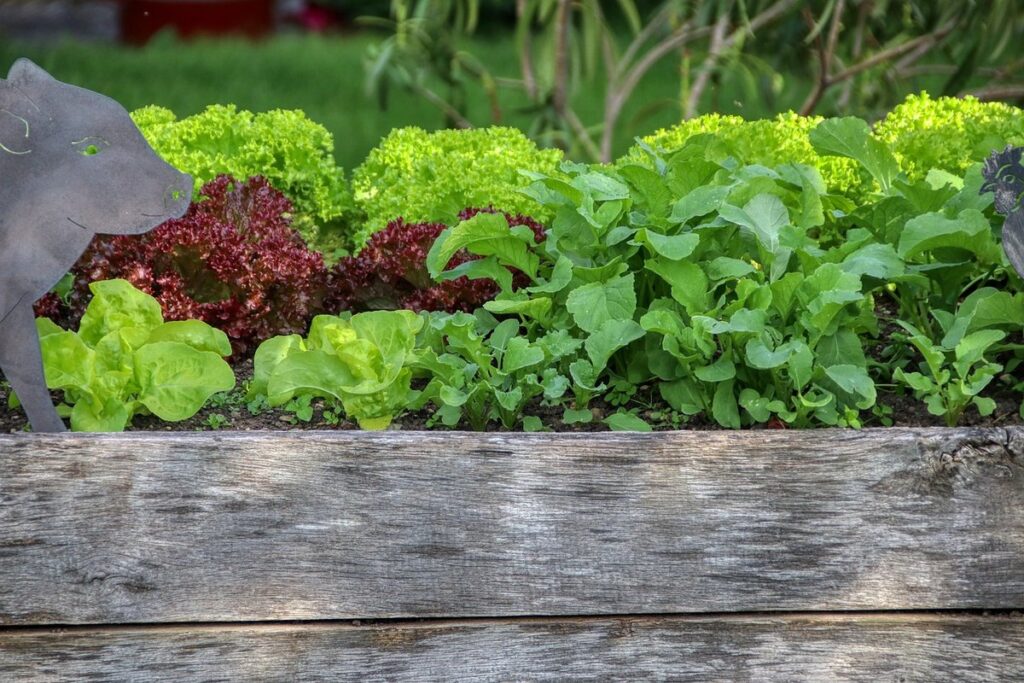
Benefits of Raised Beds
One of the best parts about raised beds is the flexibility they offer when it comes to what you can plant, and that’s exactly what we’re going to explore next.
Understanding the Advantages of Raised Beds
Raised beds are a gardener’s dream come true. Not only do they provide a comfortable working height, but they also offer several advantages that make them ideal for various types of plants. For one, raised beds allow for better drainage. Since the soil is contained within the bed, excess water can easily drain out, preventing waterlogged soil and root rot. This makes raised beds perfect for plants that don’t like wet feet, such as vegetables like tomatoes and cucumbers.
In addition to improved drainage, raised beds also provide warmer soil. Since the soil is at a higher level than regular ground beds, it tends to warm up faster in the spring, allowing you to plant earlier and get a head start on the growing season. This is especially beneficial for cool-season crops like lettuce, spinach, and carrots.
Easier access is another major advantage of raised beds. Since they’re typically 3-4 feet high, gardeners can work from a standing position without having to bend or kneel, reducing strain and discomfort. This makes it easier to plant, weed, and harvest your raised bed, saving you time and energy in the long run.
Choosing the Right Location for Your Raised Bed
When choosing the location for your raised bed, it’s essential to consider two critical factors: sunlight and water supply. These elements will significantly impact the health and productivity of your plants.
Start by assessing the amount of sunlight your chosen location receives. Most vegetables and fruits require at least 6 hours of direct sunlight per day. If your yard is partially shaded, consider a spot with morning or afternoon sun to ensure your plants receive adequate light. For example, tomatoes and peppers love full sun, while lettuce and herbs can tolerate partial shade.
Next, evaluate the water supply in your chosen location. Ensure that the area drains well to prevent waterlogged soil, which can lead to root rot and other issues. Check if there’s a nearby source of water, such as a hose or irrigation system, to make watering easier. Ideally, place your raised bed near a downspout to collect rainwater for efficient irrigation.
By selecting a location with sufficient sunlight and proper water supply, you’ll create an ideal environment for your raised bed plants to thrive.
Vegetables to Plant in a Raised Bed
When it comes to raised beds, there are countless vegetables that thrive in these elevated gardens. Let’s explore some of our favorite veggies to plant in your raised bed today!
Leafy Greens
Leafy greens are an excellent choice for raised beds due to their compact growth habits and high nutritional value. Lettuce, kale, spinach, and collard greens are all easy to grow and require minimal maintenance.
When selecting a variety of leafy greens for your raised bed, consider the climate and season you’re planting in. For example, lettuce prefers cooler temperatures, making it an ideal choice for spring or fall plantings. On the other hand, kale is more tolerant of heat and can thrive in warmer conditions.
In terms of growing requirements, most leafy greens prefer well-draining soil with a pH between 6.0 and 7.0. They also require adequate moisture, but be careful not to overwater as this can lead to root rot. Aim for about an inch of water per week, either through rainfall or irrigation.
To get started, sow seeds thinly and evenly, about 1-2 inches apart, in a shallow furrow. Cover with a thin layer of soil and keep the area consistently moist until germination occurs.
Tomatoes and Peppers
Tomatoes and peppers are two of the most popular vegetables to grow in raised beds. They thrive in these containers because they receive the perfect amount of sunlight, warmth, and water. However, with great conditions come great responsibilities.
When it comes to pruning tomatoes, keep an eye out for suckers that grow between the main stem and a branch. Remove them to promote healthy growth and increase fruit production. Regularly prune your tomato plants to encourage bushy growth and prevent legginess.
Peppers also benefit from pruning, especially when it comes to pepper varieties like bell peppers and jalapeños. Remove lower leaves to improve air circulation and reduce the risk of fungal diseases.
Support is crucial for both tomatoes and peppers as they grow. Use tomato cages or trellises to keep plants upright and promote even fruiting. Stake individual pepper plants if necessary, especially for larger varieties.
When selecting varieties for your raised bed, look for compact or dwarf versions of popular tomatoes and peppers. These will take up less space while still producing an abundance of delicious fruits. Some popular compact options include ‘Tiny Tim’ cherry tomatoes and ‘Thai Hot’ mini peppers.
Fruits to Plant in a Raised Bed
When it comes to growing your own fruits, raised beds are an excellent option, offering better drainage and accessibility for harvesting.
Consider planting strawberries, blueberries, raspberries, blackberries, and currants in your raised bed for a bountiful summer harvest.
Strawberries and Raspberries
Strawberries and raspberries are two of the most versatile and productive fruits you can plant in a raised bed. These berries are well-suited for raised beds due to their compact growth habits, which require minimal space and maintenance. Strawberries, in particular, are excellent choices for small gardens or containers, as they produce an abundance of fruit on short vines that spread out only 12-18 inches.
Raspberries, on the other hand, prefer slightly more space but still thrive in raised beds, spreading about 2-3 feet wide and tall. Both berries require well-draining soil and full sun to partial shade, making them perfect for a raised bed setup. To ensure optimal growth, it’s essential to plant strawberries and raspberries in a location with good air circulation and protection from wind.
When planting, choose a variety that suits your climate and desired harvest season. For example, ‘Albion’ strawberries are great for early spring production, while ‘Fall Gold’ is perfect for late summer harvests. Raspberries can be either fall-bearing or summer-bearing, with ‘Autumn Bliss’ being a popular choice for fall harvests.
Citrus Trees and Herbs
When it comes to planting in a raised bed, citrus trees like lemons, limes, and oranges are perfect for container gardening. These trees can thrive in containers within a raised bed, providing you with a constant supply of fresh citrus fruits. To grow citrus trees in a raised bed, choose a container that’s at least 14-16 inches deep to accommodate the tree’s root system.
Complement your citrus trees with fragrant herbs like basil and rosemary. Basil adds a burst of flavor to Mediterranean-inspired dishes, while rosemary pairs perfectly with roasted meats and vegetables. Both herbs are easy to grow in raised beds and can be pruned regularly to encourage bushy growth. To get the most out of your citrus and herb plants, make sure to provide them with full sun (at least 6 hours of direct sunlight) and well-draining soil.
Some popular varieties of citrus trees that do well in containers include ‘Dwarf Washington’ navel orange, ‘Dwarf Meyer’ lemon, and ‘Bearss’ lime. When choosing a variety, consider the climate and space constraints of your raised bed. With proper care, these plants will thrive and provide you with fresh fruits and fragrant herbs all season long.
Flowering Plants to Add Color and Beauty
To add a pop of color and vibrancy to your raised bed, consider incorporating flowering plants that thrive in containers and require minimal maintenance. These gems include petunias, geraniums, and marigolds.
Annuals and Perennials
When it comes to choosing flowers for your raised bed, you’ll want to consider both annuals and perennials. Annual flowers complete their life cycle in a single growing season, meaning they germinate, bloom, and die all within the same year. These include marigolds, zinnias, and petunias, which are great for adding bursts of color to your raised bed without requiring long-term care.
On the other hand, perennials come back year after year, often returning stronger and more vibrant with each passing season. Examples include roses, coneflowers, and black-eyed susans. While they may require a bit more maintenance than annuals, perennials offer long-term benefits and can be a cost-effective choice in the long run.
When deciding between annuals and perennials for your raised bed, consider your personal preferences and gardening goals. If you’re looking for a low-maintenance option or want to change up your flower selection frequently, annuals may be the way to go. However, if you’re willing to invest time and effort into your garden and want long-term blooms, perennials are definitely worth considering.
Attracting Pollinators with Flowers
Incorporating pollinator-friendly plants into your raised bed is essential for creating a thriving ecosystem. As you plan your garden, don’t forget to include a diverse selection of flowers that attract bees, butterflies, and other pollinators.
Sunflowers (Helianthus annuus) are an excellent choice for raised beds, providing towering height and vibrant yellow blooms that produce an abundance of nectar. These plants also serve as a natural fence or screen, adding visual interest to your garden. Cosmos (Cosmos bipinnatus) is another low-maintenance option, producing delicate pink, white, or purple flowers that attract a variety of pollinators.
Lavender (Lavandula spp.) is not only fragrant and beautiful but also a vital resource for bees and butterflies. Planting these pollinator-friendly flowers alongside your vegetables will encourage beneficial insects to visit and help with pest control. To maximize their effectiveness, consider planting a mix of annuals and perennials that bloom at different times, providing a constant source of nectar throughout the growing season.
By incorporating these plants into your raised bed garden, you’ll not only add color and beauty but also create a haven for local pollinators.
Considerations for Companion Planting
When planning your raised bed garden, it’s essential to consider which plants will get along and thrive together, and how companion planting can impact your harvest. This is where thoughtful pairing comes into play.
Pairing Vegetables and Fruits
When it comes to companion planting, pairing vegetables and fruits can have a significant impact on their growth, health, and productivity. Certain plants can benefit from being grown alongside others, either by repelling pests, improving soil quality, or attracting beneficial insects.
For example, basil is known to repel pests that target tomatoes, such as whiteflies and aphids. By planting them together, you’ll not only add fresh flavor to your dishes but also protect your tomatoes from damage. Other examples of beneficial pairings include planting marigolds with carrots to deter nematodes, or nasturtiums with cabbage to repel aphids.
To take advantage of these benefits, consider the following tips: when selecting companion plants, choose species that have similar growing requirements in terms of sunlight, water, and soil type. Also, plant them at a ratio of 1 part companion plant to 3-4 parts main crop. This will allow the companion plants to grow without competing with the main crop for resources.
Using Herbs as Companion Plants
When it comes to companion planting in raised beds, herbs can be a valuable addition. Certain herbs like mint, chamomile, and dill have properties that make them excellent choices for enhancing the growth of other plants.
Mint, with its strong fragrance, repels pests such as aphids and spider mites, protecting nearby vegetables from damage. Planting mint alongside these vulnerable crops can help keep pest populations under control. Chamomile, on the other hand, has natural antifungal properties that can aid in preventing powdery mildew and other fungal diseases.
Dill, with its tall growth habit, provides shade for smaller plants like lettuce and herbs, reducing soil temperature and moisture loss. This helps promote healthy growth and minimizes water usage. When selecting herbs for companion planting, choose varieties that thrive in the same growing conditions as your main crops. By incorporating these beneficial herbs into your raised bed design, you can create a balanced ecosystem that promotes healthy plant growth and reduces maintenance requirements.
By strategically adding herbs like mint, chamomile, and dill to your raised bed, you can take advantage of their unique properties to enhance the overall health and productivity of your garden.
Additional Tips for Success
Now that you’ve learned what to plant in your raised bed, let’s dive into some additional tips and tricks to help you achieve a bountiful harvest all season long.
Soil Preparation and Maintenance
When it comes to planting in a raised bed, proper soil preparation and maintenance are crucial for optimal growth. Before filling your raised bed with new plants, take the time to prepare the soil by removing any debris, rocks, or weeds that may be present.
Next, incorporate compost into the soil. Compost is rich in nutrients and will help to improve drainage and aeration. Aim to add 2-3 inches of compost to the top layer of your raised bed, then mix it thoroughly with the existing soil. If you’re starting from scratch, consider creating your own compost using kitchen scraps, leaves, or other organic materials.
Regular fertilization is also essential for maintaining healthy plants. Use a balanced fertilizer that’s specifically formulated for vegetables and herbs, following the instructions carefully to avoid over-fertilizing. For example, a 10-10-10 formula will provide equal amounts of nitrogen, phosphorus, and potassium. Be sure to re-fertilize every 4-6 weeks during peak growing seasons.
Additionally, make it a habit to check your soil’s pH levels regularly, using a DIY kit or consulting with a local nursery expert for guidance. Most vegetables prefer slightly acidic to neutral soil pH, ranging from 6.0 to 7.0.
Seasonal Rotation and Planning
When it comes to getting the most out of your raised bed garden, planning ahead for seasonal changes is crucial. Crop rotation and selecting varieties suitable for different times of the year can make all the difference in a successful harvest.
Start by identifying which seasons you want to focus on: cool-season crops like broccoli, kale, and spinach thrive in the cooler temperatures of spring or fall, while warm-season crops like tomatoes, peppers, and eggplants prefer the heat of summer. Consider what’s available at your local nurseries and farmer’s markets during each season to get a sense of what grows well.
Rotate your crops by dividing your raised bed into sections that can be dedicated to specific seasons. For example, plant cool-season crops in early spring or late summer/early fall for a fall harvest. This will help maintain soil health and prevent pests and diseases from building up. By planning ahead and selecting the right varieties, you’ll be able to enjoy a diverse and bountiful harvest all year round.
Frequently Asked Questions
What’s the best way to maintain soil health in my raised bed?
Maintaining soil health is crucial for a thriving garden. To keep your soil healthy, focus on adding organic matter like compost or well-rotted manure. Aim to add at least 2-3 inches of new compost each season. You can also incorporate crop rotation and avoid over-tilling the soil.
Can I plant companion plants that are not mentioned in the article?
While we covered some popular companion planting combinations, there are countless other pairings you can try. Research specific plants to see which ones will thrive together. Some examples include marigolds with tomatoes or basil with lettuce. Keep in mind that some plants may require more space than others.
How do I ensure my raised bed is getting enough sunlight?
Choosing the right location for your raised bed is essential, but even with proper placement, you may still encounter issues with shade. Consider using a trellis or other support to train climbing plants like peas or beans to make the most of available light. You can also choose varieties that are more tolerant of partial shade.
Can I plant multiple types of vegetables and fruits together in my raised bed?
Companion planting is all about pairing plants to enhance growth, deter pests, and improve flavor. However, some plants may compete for resources or space, so it’s essential to pair wisely. For example, try combining strawberries with lettuce or cucumbers with carrots. Just be sure to leave enough space between each plant.
How often should I water my raised bed, especially during hot summer months?
Watering your raised bed can be a delicate balance, but here are some general guidelines: Water deeply once or twice a week, depending on weather conditions. Aim for about 1-2 inches of water per week. Monitor soil moisture by sticking your finger into the soil up to the knuckle. If it feels dry, it’s time to water!