
As the days get shorter and temperatures drop, your outdoor tomato plant may be struggling to survive. But don’t worry, with a little preparation and planning, you can successfully move it indoors to keep it thriving throughout the fall season. This is especially important if you’re growing a cherry or patio tomato variety that’s typically sensitive to frost.
In this article, we’ll take you through the essential steps to prepare your plant for indoor life, including creating an ideal environment with sufficient light and space. We’ll also cover common issues to watch out for when transitioning your tomato plant indoors, such as root bound conditions and pest infestations. By following our comprehensive guide, you can enjoy a bountiful harvest even in the midst of winter, and keep your plant healthy and strong until next spring.
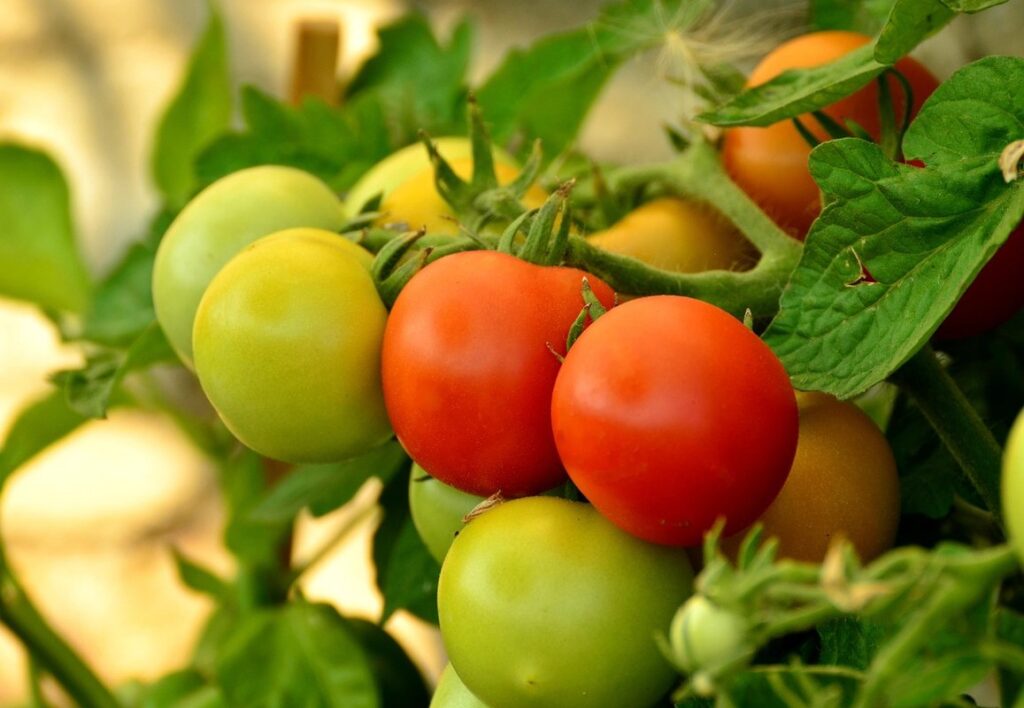
Assessing Your Tomato Plant’s Readiness
Before moving your tomato plant indoors, it’s crucial to assess its readiness for indoor conditions by checking its soil moisture and temperature tolerance. This will ensure a smooth transition for your plant.
Checking for Outdoor Viability
Before bringing your tomato plant indoors, it’s essential to check for outdoor viability. Take a close look at your plant and observe its behavior. If you notice any signs of stress, disease, or pests, it may be time to move the plant inside.
Look out for yellowing leaves, droopy stems, or a sudden drop in fruit production. These could be indicative of temperature fluctuations, excessive sunlight, or nutrient deficiencies that can’t be easily resolved outdoors. Similarly, inspect your plant’s underside and undersides of leaves for signs of pests like aphids, whiteflies, or spider mites.
Check the soil moisture as well – if it feels dry to the touch or waterlogged, it may indicate a need for better drainage or watering habits that can’t be managed in an outdoor setting. Consider bringing your plant indoors when nighttime temperatures consistently drop below 55°F (13°C), or if you’re expecting a prolonged period of rain that might damage the plant.
If you notice any of these signs, it’s likely time to bring your tomato plant inside where you have better control over its environment and can provide more optimal growing conditions.
Identifying Optimal Harvest Time
When you’re ready to move your tomato plant indoors, it’s essential to check if they are ripe and ready for harvest. This is crucial because timing is everything when it comes to moving a tomato plant indoors. If the fruits are not yet mature, moving them inside can cause more harm than good.
To determine the optimal harvest time, gently twist the fruit. If it comes off easily, it’s likely overripe and should be harvested immediately. However, if it doesn’t come off, check for color changes, as tomatoes typically turn from green to yellow or red. You can also use a gentle touch test: ripe tomatoes will yield slightly to pressure.
In most cases, you’ll know your tomatoes are ready when they’ve reached their full color and have a slight give when pressed. Keep in mind that some tomato varieties may remain green even when fully mature. To avoid moving unripe fruit inside, take the time to inspect each plant carefully before making the move indoors. This ensures you harvest any ripe fruits and minimizes the risk of damage or disease during the transition process.
Preparing Your Tomato Plant for Indoor Life
Before bringing your tomato plant indoors, it’s essential to ensure its potting mix is suitable for indoor conditions and that you’ve taken care of any necessary pruning to promote healthy growth.
Pruning and Trimming
Pruning and trimming are crucial steps to prepare your tomato plant for indoor life. Before bringing it inside, remove any weak or spindly growth that may have developed during the growing season. This will help prevent the spread of diseases and encourage healthy new growth.
To prune your tomato plant, you’ll need a pair of clean, sharp pruning shears. Remove any dead or diseased leaves, cutting them back to the base of the stem. Next, cut back the top sets of leaves on the main stem by about one-third to promote bushy growth and prevent legginess.
Don’t be afraid to get creative with your pruning – removing select leaves can help direct the plant’s energy towards producing more fruit. Be sure to prune in the morning, when the sap is flowing, for optimal results. Remember, it’s okay to prune back a bit aggressively at this stage, as the plant will have time to recover before being moved indoors.
By pruning and trimming your tomato plant carefully, you’ll be giving it the best chance to thrive in its new indoor environment.
Repotting (Optional)
Repotting is an optional but crucial step when preparing your tomato plant for indoor life. Before moving your plant indoors, assess its current soil quality and root health. If the plant has outgrown its container or shows signs of nutrient deficiency, it’s time to repot.
Consider the following factors: check if the plant has developed a robust root system that needs more space; look for any white or yellow roots growing out of the drainage holes as an indication of waterlogged soil; and inspect the top inch of the soil for mold or mildew. If you notice these signs, repotting is necessary to prevent the spread of disease.
When repotting, use a well-draining potting mix specifically designed for containers and tomatoes. Prune any damaged roots before placing the plant in its new container, leaving enough room for root growth. Water thoroughly after repotting to settle the soil.
Creating a Suitable Indoor Environment
When moving your tomato plant indoors, it’s essential to create a suitable environment that mimics its outdoor conditions as closely as possible. This includes selecting the right location for optimal sunlight and temperature control.
Lighting Requirements
When moving your tomato plant indoors, one of the most critical factors to consider is lighting. Tomato plants require sufficient light to continue producing fruit and maintaining their health. If you don’t provide adequate light, your plant may become leggy, produce fewer tomatoes, or even drop its flowers.
To give your tomato plant the light it needs, explore various options beyond natural sunlight. LED grow lights are an excellent choice, as they’re energy-efficient and can be placed close to the plant without overheating. Another option is a south-facing window with minimal shading, which can provide around 6-8 hours of direct sunlight per day.
When selecting lighting for your tomato plant, consider the wattage and color temperature. Look for LED grow lights with a high lumen output (around 20-30 watts) and a daylight spectrum (around 5,000-7,000K). This will help promote healthy photosynthesis and fruiting.
Temperature Control
When bringing your tomato plant indoors, it’s essential to replicate its outdoor temperature environment as closely as possible. Tomato plants thrive in temperatures between 65°F (18°C) and 70°F (21°C) during the day and above 55°F (13°C) at night. To maintain a consistent temperature, position your plant away from heating vents, radiators, and drafty windows.
Invest in a thermometer to monitor the temperature around your plant. You can also use fans or space heaters to create microclimates if needed. For example, if you live in a cold climate, placing a space heater near the base of the plant will help maintain warmth without overheating it. Conversely, on warmer days, moving the plant to a shaded area or using a fan can prevent scorching.
Avoid placing your tomato plant near air conditioning units or drafty areas, as this can cause stress and reduce fruit production. By maintaining optimal temperatures, you’ll ensure your indoor tomato plant stays healthy and productive throughout its life cycle.
Humidity and Air Circulation
When moving your tomato plant indoors, it’s essential to create an environment that promotes healthy growth and prevents diseases. One crucial aspect is maintaining adequate humidity levels. Tomato plants thrive in humid environments, typically between 50-70% relative humidity. However, indoor spaces often have lower humidity, which can cause stress to the plant.
To combat this, you can use a humidifier nearby the plant or place the pot on a tray filled with water and pebbles. This will help maintain a consistent moisture level around the roots. Another vital aspect is air circulation. Tomato plants need adequate airflow to prevent fungal diseases that thrive in stagnant conditions.
Ensure there’s enough space between your plant and any walls or furniture for air to circulate freely. You can also use fans or open windows to improve ventilation, but be cautious not to create drafts that might shock the plant. By maintaining optimal humidity levels and providing sufficient air circulation, you’ll significantly reduce the risk of diseases and promote a healthy growth environment for your tomato plant indoors.
Transplanting Your Tomato Plant Indoors
When transplanting your tomato plant indoors, it’s crucial to choose a location with sufficient light and stable temperatures to ensure healthy growth. A spot near an east- or south-facing window is ideal.
Choosing a Suitable Location
When transplanting your tomato plant indoors, choosing the right location is crucial for its survival and success. As you move your plant from outdoors to a more controlled environment, consider factors like proximity to light sources, temperature, and air circulation.
Firstly, think about the lighting requirements of your tomato plant. Tomato plants need a lot of light to produce well, but direct sunlight can be too intense indoors, causing scorching or damage to the leaves. Place your plant near an east- or west-facing window for bright, indirect light that’s ideal for most varieties. If you don’t have natural light, invest in grow lights specifically designed for indoor gardening.
Next, ensure good air circulation around your tomato plant. This is vital for healthy growth and disease prevention. Keep the plant at least 6-8 inches away from any walls or obstacles to allow for proper air movement. Additionally, maintain a comfortable room temperature between 65-70°F (18-21°C) to encourage steady growth.
Lastly, choose a location with minimal foot traffic to prevent accidental damage or disturbance to your plant. By considering these factors, you’ll create an optimal environment that allows your indoor tomato plant to thrive and produce a bountiful harvest.
Handling the Plant Carefully
When gently removing your tomato plant from its outdoor container and potting it into an indoor planter, be sure to handle it with care. Start by carefully examining the plant’s roots to determine if they’ve grown too large for their current pot. If so, consider trimming them back slightly before repotting to prevent waterlogged soil.
To avoid damaging the plant’s delicate stem and roots, gently loosen the soil around the base of the plant using a blunt instrument like a chopstick or pencil. This will make it easier to slide the plant out of its container without causing any damage. Once you’ve loosened the soil, carefully lift the plant out of its outdoor pot and inspect the root system for any signs of circling or tangling.
Gently tease apart any entwined roots with your fingers or a blunt instrument, taking care not to cause further stress to the plant. Finally, transfer the plant into its new indoor planter, gently firming the soil in place to secure it firmly in its new pot.
Monitoring and Caring for Your Indoor Tomato Plant
Now that you’ve successfully moved your tomato plant indoors, it’s essential to provide the right conditions for it to thrive. This includes a consistent care routine to ensure optimal growth and productivity.
Watering and Fertilization Needs
When moving your tomato plant indoors, it’s essential to understand its unique watering and fertilization needs. Unlike outdoor plants, indoor tomatoes require a more delicate approach to prevent overwatering and nutrient deficiencies.
Water your indoor tomato plant when the top 1-2 inches of soil feel dry to the touch. This frequency may vary depending on the temperature, humidity, and light exposure in your home. For example, if you live in a hot and humid climate, you’ll need to water your plant more frequently. Conversely, if it’s cold and dry, you’ll want to water less often.
In terms of fertilization, use a balanced, water-soluble fertilizer (20-20-20) during the growth phase. Dilute the fertilizer to half the recommended strength to prevent burning the roots. You can also supplement with calcium and magnesium for healthier fruit production. As your plant produces tomatoes, switch to a blooming fertilizer (15-30-15) to promote fruiting and flowering.
Pests and Diseases Prevention
Monitoring for pests and diseases is crucial when moving your tomato plant indoors. Check your plant regularly for signs of infestation, such as white powdery patches on leaves (fungal diseases), sticky substance on leaves (aphid infestation), or small holes in leaves (caterpillar damage). Inspect the undersides of leaves and stems, where pests often hide.
To prevent pest issues, maintain good indoor air circulation by keeping your plant at least 6-8 inches away from any walls. Avoid overwatering, which can lead to root rot and attract pests. Use a well-draining potting mix and repot your tomato plant every few weeks as needed.
Regularly inspect your plant for signs of diseases like yellowing leaves, black spots, or soft, mushy stems. If you notice any issues, treat the affected area with neem oil or insecticidal soap. Keep in mind that indoor plants are more susceptible to fungal diseases due to higher humidity levels. To mitigate this risk, use a broad-spectrum fungicide specifically designed for indoor plants and follow the manufacturer’s instructions carefully.
By monitoring your plant regularly and taking proactive steps to prevent pest and disease issues, you’ll be well on your way to successfully moving your tomato plant indoors.
Troubleshooting Common Issues
If you’re facing problems after moving your tomato plant indoors, don’t worry – we’ve got solutions to common issues that can arise. We’ll walk you through potential pitfalls and fixes.
Yellowing Leaves or Stunted Growth
If you’ve moved your tomato plant indoors and it’s suddenly exhibiting yellowing leaves or stunted growth, don’t panic. These symptoms can often be addressed by adjusting the plant’s environment to better suit its needs.
Firstly, let’s talk about light. Indoor spaces tend to have limited natural light, which can cause plants to become leggy and weak. If your tomato plant is not receiving enough direct sunlight, it may start to yellow or drop leaves. Consider moving it to a brighter location or investing in grow lights to supplement the available light.
Temperature fluctuations are another common culprit behind stunted growth. Tomato plants prefer temperatures between 65-70°F (18-21°C), so make sure your indoor space is within this range. Avoid placing the plant near heating vents, radiators, or air conditioning units, as sudden changes in temperature can shock the roots and stunt growth.
Lastly, be mindful of overwatering, which can cause yellow leaves to develop a brownish hue. Allow the top inch of soil to dry out between waterings, and avoid getting water on the leaves to prevent fungal diseases from taking hold. By adjusting these factors, you should see your tomato plant recover and thrive in its new indoor environment.
Pests or Diseases Outbreaks
As you bring your tomato plant indoors, it’s essential to be vigilant about potential pest and disease outbreaks that can thrive in indoor environments. Check your plant regularly for signs of infestation or infection.
Common pests like spider mites, mealybugs, and aphids can feed on your plant’s sap, causing damage to leaves and stems. Look for fine webbing, white cottony patches, or a sticky substance on the plant’s surfaces. If you notice any of these symptoms, isolate the plant immediately and treat it with insecticidal soap or neem oil.
Diseases like powdery mildew, leaf spot, and root rot can also affect your indoor tomato plant. These conditions often result from overwatering, poor air circulation, or high humidity. Identify diseased areas by looking for white or gray powder on leaves, small dark spots, or a soft, mushy stem.
To prevent outbreaks, maintain good air circulation, water carefully, and provide enough light. Regularly inspect your plant, and take prompt action if you notice any signs of pests or diseases.
Maximizing Your Indoor Harvest
Now that you’ve successfully transplanted your tomato plant indoors, it’s time to maximize its potential and enjoy a bountiful harvest despite the changing seasons. This section covers essential tips for optimizing growth.
Expected Yield and Production
When you bring your tomato plant indoors, it’s natural to wonder what kind of yield to expect. The expected yield from an indoor tomato plant can vary greatly depending on several factors.
First and foremost is the variety of tomato plant you’re growing. Some varieties are bred specifically for container gardening or indoor production and will produce smaller but more frequent harvests. Others may be more suited to outdoor growing but can still thrive indoors with proper care.
Light exposure also plays a significant role in determining your expected yield. Indoor plants typically require supplemental lighting, such as LED grow lights, to achieve optimal results. Aim for at least 12-14 hours of light per day to ensure your plant is getting enough energy to produce fruit.
A good care routine can also impact the yield of your indoor tomato plant. This includes regular watering, fertilization, and pruning to promote healthy growth and encourage more fruiting branches. By providing your plant with a balanced diet and suitable growing conditions, you can maximize its potential for a bountiful harvest.
Tips for Continuous Harvesting
To ensure continuous harvesting throughout the growing season, it’s essential to implement effective pruning techniques and crop rotation strategies. Pruning is a crucial step that not only promotes healthy growth but also encourages fruiting. When moving your tomato plant indoors, maintain a regular pruning schedule. Remove any weak or spindly growth, allowing the plant to direct its energy towards producing more fruit.
For example, after 6-8 weeks of continuous harvesting, prune the lower third of the plant, which will encourage new growth and lead to an additional flush of tomatoes. This technique is known as “tip pruning,” where you remove the terminal bud to promote branching. Another approach is to “top” your tomato plant, removing about one-third of its height, stimulating a bushy growth habit that will increase yields.
By implementing these techniques, you’ll enjoy a prolonged harvest period and maximize your indoor yields. Rotate your tomato crop every 6-8 weeks by repotting the plant into fresh soil, which provides essential nutrients for continued growth.
Frequently Asked Questions
Can I move my tomato plant indoors even if it’s not yet ripe?
Yes, you can still bring your unripe tomato plants inside to continue their growth cycle. In fact, indoor conditions can provide a more controlled environment for them to mature. Just be sure to prune and trim them regularly to maintain their shape and promote healthy growth.
How often should I water my indoor tomato plant during the winter months?
Watering needs may decrease when transitioning your tomato plant indoors, but it’s still essential to keep the soil consistently moist but not waterlogged. Check the top 1-2 inches of soil daily, and water only when necessary to prevent root rot.
What signs should I look out for if my indoor tomato plant is struggling with pests or diseases?
Keep a close eye on your plant’s leaves and stems for any unusual discoloration, holes, or white powdery patches. Regularly inspect the underside of leaves and stems for aphids, whiteflies, or spider mites. If you notice any issues, take prompt action to prevent infestations from spreading.
Can I use regular potting soil for my indoor tomato plant?
Regular potting soil may not provide enough nutrients for your indoor tomato plant’s specific needs. Consider repotting with a high-quality, well-draining potting mix specifically designed for containers and indoor gardening. This will help ensure optimal growth and fruit production.
How long does it typically take for a tomato plant to adapt to indoor conditions?
The adaptation period can vary depending on the plant’s health, temperature, light, and humidity levels. Generally, it may take 1-2 weeks for your tomato plant to fully adjust to its new environment. Monitor your plant closely during this time and make adjustments as needed to ensure a smooth transition.