
Growing juicy tomatoes from seed indoors can be a rewarding experience, especially during the off-season. But for many gardeners, it’s not just about throwing some seeds in a pot and hoping for the best. With the right techniques and knowledge, you can grow delicious, disease-free tomatoes even in the dead of winter.
In this article, we’ll take you through the essential steps to growing tomatoes from seed indoors. We’ll start by choosing the perfect variety for indoor growing, then move on to sowing seeds and providing optimal growing conditions. You’ll also learn how to troubleshoot common issues that can prevent your tomato plants from reaching their full potential. With these expert tips, you’ll be well on your way to enjoying fresh, homegrown tomatoes all year round.
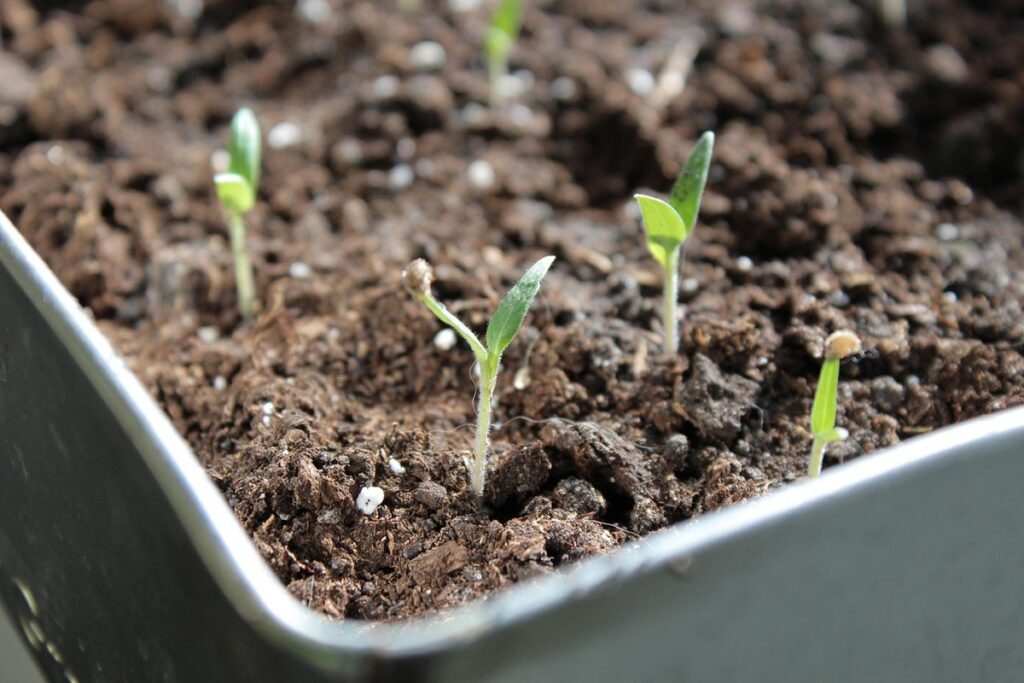
Preparing the Seeds and Soil
To grow tomatoes from seed indoors, it’s essential to prepare your seeds and soil correctly for optimal germination and healthy plant growth. Let’s get started with preparing those all-important seeds and soil today!
Choosing the Right Tomato Variety
When it comes to growing tomatoes from seed indoors, selecting the right variety is crucial for success. There are numerous types of tomato varieties that thrive in indoor conditions, each with its unique characteristics. If you have limited space, consider cherry tomatoes or patio tomatoes, which produce smaller fruit and require less support.
For a more abundant harvest, large-framed tomatoes like ‘Better Boy’ or ‘Early Girl’ can be a good choice. However, these varieties will need more space to grow and may require additional support. When selecting a variety, also consider your climate and desired flavor profile.
If you live in an area with cool winters, look for varieties that mature quickly, such as ‘Patio’ or ‘Tiny Tim’. These tomatoes can be harvested in as little as 50 days. On the other hand, if you prefer a sweeter taste, try growing ‘Beefsteak’ or ‘Brandywine’, which have a higher sugar content.
Ultimately, choose a variety that suits your specific needs and preferences, and don’t hesitate to experiment with different types to find your favorite.
Sourcing High-Quality Seeds
When it comes to growing tomatoes from seed indoors, one of the most crucial steps is sourcing high-quality seeds specifically bred for indoor conditions. These seeds are designed to thrive in controlled environments and can make all the difference between a successful harvest and a disappointing outcome.
To obtain these premium seeds, start by looking for reputable suppliers online or at local nurseries that specialize in seed production. Some popular options include botanical gardens, universities with agricultural programs, and companies that focus on heirloom and hybrid varieties. Online marketplaces like Burpee, Seed Savers Exchange, and Renee’s Garden Seeds also offer a wide selection of indoor-specific tomato seeds.
When choosing seeds, pay attention to the specific growing conditions they’re bred for – look for descriptions that mention “indoor” or “container” growing. This ensures you’re getting seeds that will perform well in your indoor setup. Some popular varieties for indoor growing include ‘Red Robin’, ‘Tiny Tim’, and ‘Patio’.
Starting Tomato Seedlings Indoors
To successfully start tomato seedlings indoors, you’ll need a few basic supplies and some simple steps to follow for optimal growth. Let’s dive into the process together!
Preparing a Suitable Seed Starting Mix
When starting tomato seedlings indoors, one of the most crucial steps is preparing a suitable seed starting mix. A good seed starting mix should have several key characteristics: it should be well-draining, sterile, and provide adequate moisture retention.
To achieve this, you can either purchase a high-quality commercial seed starting mix or create your own using readily available ingredients. To make your own mix, combine 1 part peat moss with 1 part perlite, and add a small amount of vermiculite for improved water retention. This mix is ideal because it provides excellent drainage while retaining moisture around the seeds.
For an added boost, you can also include a pinch of dolomitic limestone to provide essential calcium and magnesium. Avoid using garden soil or regular potting mix, as they tend to compact easily and may cause seedlings to become leggy.
Remember, using the right seed starting mix sets the stage for healthy germination. By creating your own mix with these simple ingredients, you’ll be well on your way to growing strong and resilient tomato seedlings.
Sowing Seeds in Cell Trays or Containers
When sowing tomato seeds in cell trays or containers, it’s essential to get them started on the right foot. Begin by filling a cell tray or container with a high-quality seed starting mix, leaving about 1-2 cm of space at the top for watering. Plant the seeds about 1/4 inch deep and 1-2 inches apart from each other, depending on the variety.
For optimal growth, maintain consistent moisture levels during this critical stage. Water gently but thoroughly after sowing, making sure not to overwater or underwater. Keep the soil consistently moist but not waterlogged, as this can lead to fungal diseases that can be devastating for young seedlings.
To ensure even germination and healthy root development, provide adequate light. Place the cell tray or container on a sunny windowsill or under grow lights. Monitor the temperature closely, keeping it between 65-75°F (18-24°C) during the day and around 55-65°F (13-18°C) at night.
By following these simple steps, you’ll be well on your way to raising healthy tomato seedlings that will thrive when transplanted outdoors. Remember, consistency is key during this initial growth stage, so make sure to maintain a regular watering schedule and provide the right amount of light for optimal results.
Providing Optimal Growing Conditions
To grow tomatoes from seed indoors, it’s essential that you provide them with the right balance of light, temperature, and moisture to promote healthy development. Let’s dive into the specifics of creating optimal growing conditions.
Lighting Requirements for Tomato Seedlings
When it comes to growing tomatoes from seed indoors, providing adequate lighting is crucial for optimal growth. Tomato seedlings require a lot of light to develop their leaves and eventually produce fruit. You can either use natural or artificial light sources for this purpose.
For indoor growing, it’s often challenging to provide enough natural light, especially during the winter months or in areas with limited daylight hours. However, you can supplement your space with grow lights that mimic outdoor sunlight conditions. LED grow lights are a popular choice among gardeners because they’re energy-efficient and produce minimal heat.
To ensure your tomato seedlings receive adequate light intensity and duration, place them under grow lights for 14-16 hours a day. Aim for at least 20 watts of lighting per square foot to support healthy growth. You can also use fluorescent lights or HPS (high-pressure sodium) lamps, but LED grow lights are generally recommended.
Monitor your seedlings’ response to the light conditions and adjust as needed.
Temperature Control and Humidity Management
When growing tomatoes from seed indoors, maintaining optimal temperature and humidity levels is crucial for healthy seedling development. Tomato seedlings require a consistent day temperature between 70-80°F (21-27°C) to promote strong growth, while night temperatures can be slightly lower at around 65-75°F (18-24°C). This temperature differential helps regulate the seedling’s internal clock and promotes robust root development.
Maintaining stable humidity levels is equally important. Tomato seedlings thrive in a humid environment, but over-watering can lead to fungal diseases and root rot. To prevent this, use a humidifier or misting system to maintain a relative humidity of 40-60%. You can also cover the growing area with a clear plastic bag or cloche to create a mini-greenhouse effect.
Remember to remove any covering or humidifier when seedlings develop their first set of true leaves to prevent over-humidification. Regularly monitor your seedling’s response to temperature and humidity levels, making adjustments as necessary to ensure optimal growing conditions. By paying attention to these factors, you’ll be well on your way to successfully growing healthy tomato seedlings indoors.
Transplanting Seedlings into Larger Containers
Now that your seedlings are strong and healthy, it’s time to give them more room to grow by transplanting them into larger containers. This is a crucial step in their development.
Preparing the Transplant Site
Before transplanting seedlings into their larger containers, it’s essential to prepare the site properly. Start by filling a container with fresh potting mix, specifically designed for tomatoes. This will provide the necessary nutrients and drainage for healthy growth.
When selecting a potting mix, choose one that is free of weed seeds and contains a balanced fertilizer (around 10-10-10 NPK). Avoid using garden soil from your outdoor garden as it can be too dense and may compact around the roots, restricting water uptake. If you’re concerned about pest control, consider incorporating neem oil or insecticidal soap into your potting mix to prevent common pests like aphids and whiteflies.
When handling seedlings during transplanting, remember that gently is key. Avoid exposing the roots to direct sunlight or wind as this can cause shock. Use a soft brush to gently loosen any tangled roots, then place the seedling in its new container, burying it up to the same depth as before. Water thoroughly after transplanting to settle the soil and provide enough moisture for establishment.
Acclimating Seedlings to Outdoor Conditions (Optional)
If you’re planning to transplant your tomato seedlings outdoors, acclimating them to outdoor conditions is crucial before exposing them to direct sunlight and potential weather fluctuations. This process, known as hardening off, helps seedlings adjust to the harsher conditions of the great outdoors.
Start by moving your seedlings outside for short periods each day, beginning with just an hour or two in a shaded area. Gradually increase their time spent outdoors over the course of 7-10 days, allowing them to become accustomed to changing light and temperature conditions. Monitor their response closely, returning them indoors if you notice signs of stress such as scorched leaves or wilted stems.
As you harden off your seedlings, ensure they receive adequate moisture by watering them thoroughly before moving them outside and keeping the soil consistently moist during this transition period. This will help prevent transplant shock and support a smooth transfer to their final outdoor location.
Troubleshooting Common Issues
As you grow your tomato seedlings indoors, you might encounter some unexpected problems – don’t worry, we’ve got you covered. This is where our troubleshooting guide comes in to rescue your precious plants.
Identifying Common Problems with Tomato Seedlings
As you nurture your tomato seedlings indoors, it’s not uncommon to encounter some common problems that can hinder their growth. One of the most noticeable issues is yellowing leaves, which can be a sign of overwatering or underwatering. To identify this problem, check if the soil feels consistently wet or dry. If the former, reduce watering frequency; if the latter, adjust your watering schedule accordingly.
Another issue that may arise is stunted growth. This could be due to inadequate light, low temperatures, or insufficient nutrients. Make sure your seedlings are receiving sufficient light (at least 4-6 hours of direct sunlight) and maintain a warm temperature between 65-70°F. Additionally, consider using a balanced fertilizer once a week to provide essential nutrients.
Pests like spider mites, mealybugs, and aphids can also infest indoor tomato seedlings. Look out for fine webbing on the leaves or small white eggs on the stems. To address these issues, isolate infected plants, treat them with neem oil, and improve air circulation around your seedlings.
Regular monitoring of your seedlings’ health will help you catch problems early on and prevent their spread.
Preventative Measures for Pest Control and Diseases
When growing tomatoes indoors from seed, it’s essential to consider preventative measures against pests and diseases. A healthy start can save you a lot of trouble down the line.
One of the most effective ways to prevent pest infestations is through integrated pest management (IPM) strategies. IPM combines physical barriers, traps, and organic pesticides to minimize chemical use. For example, using fine mesh or fine-netted row covers can keep whiteflies and aphids away from your plants. Sticky traps are also a great way to catch flying pests.
To deter diseases like fungal infections, make sure the potting mix is sterile, and water with caution. Watering in the morning allows excess water to evaporate by nightfall, reducing the risk of fungal growth. Additionally, you can spray neem oil or insecticidal soap on your plants as a preventative measure against pests.
Using these methods, you’ll be able to enjoy healthy tomato plants without breaking out the chemicals. Regularly inspecting your plants for signs of stress or infestation will also help identify potential problems early.
Conclusion and Tips for Success
Now that you’ve successfully grown tomatoes from seed indoors, let’s recap some key takeaways and provide expert advice on how to ensure your indoor tomato plants thrive.
Recapitulating Key Takeaways
As we conclude our journey on growing tomatoes from seed indoors, let’s recapitulate the essential steps and tips that will set you up for success. To grow healthy and thriving tomato plants from seeds, it’s crucial to remember the importance of patience and attention to detail.
We discussed how to choose the right variety of tomato seeds suitable for indoor growth, and the need to prepare a well-draining seed starting mix. We also covered how to sow the seeds at the correct depth and spacing, and maintain optimal temperatures between 65-75°F (18-24°C) for germination.
It’s also vital to adapt growing conditions as needed. Keep an eye on your plants’ response to light, temperature, and humidity, and adjust accordingly. Make sure to provide sufficient air circulation, prune regularly, and fertilize at the right time.
Remember, growing tomatoes from seed indoors requires a delicate balance of care and attention. By following these steps and tips, you’ll be well on your way to enjoying a bountiful harvest in no time!
Additional Resources and Next Steps
If you’re hooked on growing tomatoes from seed indoors and want to take your skills to the next level, here are some fantastic resources to check out. For beginners, “The New Seed Starter’s Handbook” by Nancy Bubel is an excellent guide that covers the basics of starting seeds indoors. Online courses like “Indoor Gardening 101″ on Udemy or Coursera can also provide valuable insights and techniques.
For more advanced growers, YouTube channels like The Sill and Gardening with Beth are great resources for tips and tricks on indoor tomato growing. You can also join online communities like the Indoor Vegetable Growing group on Facebook to connect with fellow enthusiasts and get advice from experienced growers.
As you continue your tomato-growing journey, consider experimenting with different varieties of tomatoes or trying container gardening. With a little practice and patience, you’ll be enjoying homegrown tomatoes year-round!
Frequently Asked Questions
Can I grow tomatoes from seed indoors year-round?
Yes, with proper care and attention to temperature control, humidity management, and lighting requirements, you can grow tomatoes from seed indoors throughout the year.
How do I prevent overwatering when growing tomatoes indoors?
To prevent overwatering, ensure that your soil mix drains well and has a high organic matter content. Check the moisture level of the soil daily by sticking your finger into the soil up to the first knuckle. If the soil feels dry, it’s time to water.
Can I use LED grow lights for growing tomatoes indoors?
LED grow lights are an excellent option for growing tomatoes indoors. They provide high-intensity light while using less energy and generating minimal heat, which can be beneficial for indoor growing conditions.
How long does it take to transplant tomato seedlings into larger containers?
Typically, you can transplant tomato seedlings into larger containers after 1-2 weeks of growth, when they have developed two sets of true leaves. Transplant them at the same depth as they were in their cell trays or containers and water thoroughly.
What’s the best way to maintain humidity levels for healthy tomato plant growth indoors?
Maintain a humid environment around your tomato plants by placing the pot on a tray filled with water and pebbles or using a humidifier. This will help prevent stress and promote healthy growth, especially during the seedling stage.