
Growing your own tomatoes can be a rewarding experience, but when done in a greenhouse, the results are truly exceptional. With optimal climate control, you can extend the growing season and enjoy luscious tomatoes year-round. However, maximizing yields and preventing pests from wreaking havoc requires careful planning and attention to detail. In this comprehensive guide, we’ll walk you through the essential techniques for cultivating succulent tomatoes in your greenhouse. We’ll cover the importance of climate control, how to optimize space efficiency, and share expert tips on managing common pests that can threaten your crop. Whether you’re a seasoned green thumb or just starting out, our guide will equip you with the knowledge needed to achieve optimal yields and enjoy the satisfaction of harvesting juicy tomatoes from your very own greenhouse.
Understanding the Benefits of Growing Tomatoes in a Greenhouse
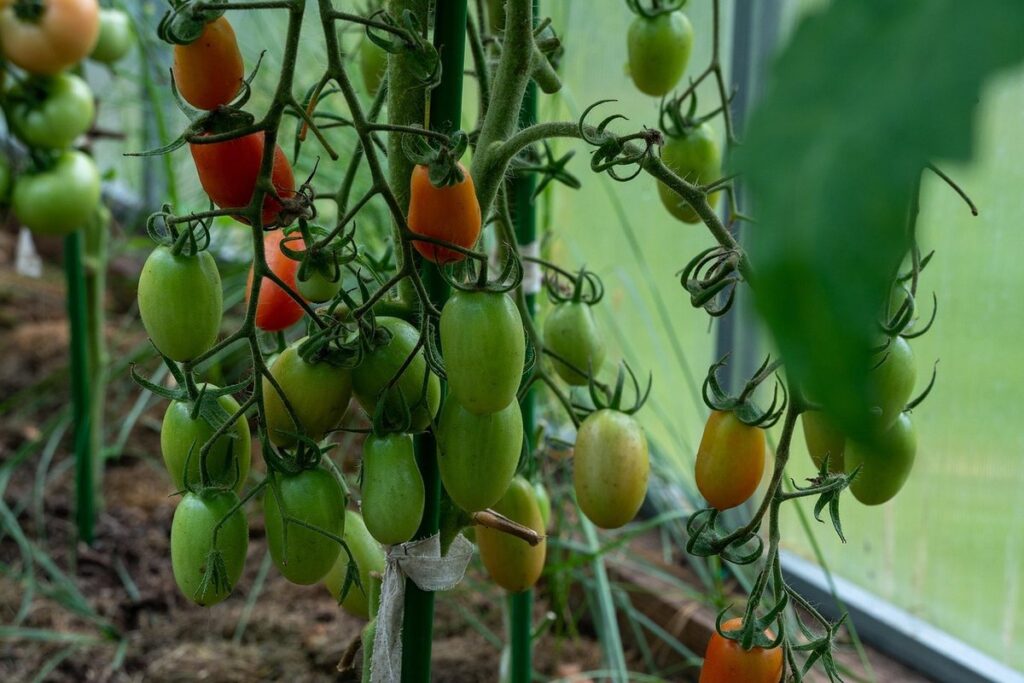
Growing tomatoes in a greenhouse offers several advantages, from increased yields to improved disease resistance, making it an attractive option for many gardeners. Let’s explore these benefits in more detail.
Advantages Over Traditional Outdoor Growing
One of the most significant advantages of growing tomatoes in a greenhouse is the level of control you have over temperature and humidity. This means that you can maintain optimal conditions for your plants at all times, regardless of the outside weather. In contrast, outdoor gardens are susceptible to extreme temperatures, frost, and dry spells that can stress or even kill your tomato plants.
A greenhouse also provides natural protection from pests and diseases that thrive in outdoor environments. By keeping pests like hornworms, aphids, and whiteflies under control, you reduce the risk of disease transmission and minimize the need for pesticides. Moreover, a greenhouse allows for better air circulation, which promotes healthy growth and reduces the risk of fungal diseases.
In terms of yields, greenhouses can significantly outperform outdoor gardens. With precise temperature control, optimized light exposure, and protection from pests and diseases, your tomato plants will grow faster, stronger, and more productive.
Maximizing Space Efficiency with Vertical Planting
When growing tomatoes in a greenhouse, space can be a major concern, especially if you’re trying to accommodate multiple plants. This is where vertical planting comes into play – an innovative approach that maximizes your greenhouse’s potential while minimizing the need for horizontal space.
Vertical planters are an excellent way to increase your yields without compromising on floor space. You can use wall-mounted trellises or shelving units with built-in planters, allowing you to make the most of your greenhouse’s vertical dimensions. This approach not only saves space but also adds a decorative element to your greenhouse, making it look more organized and visually appealing.
To implement this strategy effectively, choose plants that thrive on support systems, like indeterminate tomato varieties, which require a stake or trellis for growth. You can also incorporate hanging baskets or tiered planters, further expanding your options for space-efficient planting. Consider using compact or dwarf varieties of tomatoes to optimize your yields and minimize pruning requirements.
For instance, you can install two or three layers of vertical planters on one wall, accommodating up to six plants per set-up. This will allow you to grow a diverse range of tomato varieties within the same greenhouse while maintaining an efficient layout.
Choosing the Right Variety for Your Greenhouse
When selecting tomato varieties for your greenhouse, you’ll want to consider factors such as climate, disease resistance, and growth habits to ensure optimal performance. Let’s break down these key considerations together.
Factors to Consider When Selecting a Tomato Variety
When selecting a tomato variety for your greenhouse, it’s essential to consider several key factors to ensure optimal growth and productivity. One crucial aspect is disease resistance. Since greenhouses can be prone to fungal diseases like powdery mildew and leaf spot, choosing a variety with built-in resistance will save you from potential losses.
Consider the climate in your region too. Tomatoes are sensitive to extreme temperatures, so look for varieties that are tolerant of cooler or warmer conditions, depending on your greenhouse’s temperature control system. Some popular disease-resistant varieties include ‘Better Boy’, ‘Early Girl’, and ‘Patio’.
Another vital consideration is growth habits. If you have limited space in your greenhouse, compact or dwarf varieties like ‘Tiny Tim’ or ‘Red Robin’ are excellent choices. These plants produce smaller fruit but are more manageable for small greenhouses.
Lastly, don’t forget to consider the specific growing conditions of your greenhouse, such as lighting and water requirements. By carefully selecting a variety that suits these needs, you’ll be well on your way to a successful tomato crop.
Popular Varieties Well-Suited for Greenhouse Growing
When it comes to growing tomatoes in a greenhouse, choosing the right variety is crucial for optimal results. Some popular varieties that perform exceptionally well in greenhouses are ‘Indigo Rose’, ‘Yellow Pear’, and ‘Sungold’. These varieties have been bred specifically for greenhouse conditions, offering advantages such as disease resistance, early fruiting, and high yields.
‘Indigo Rose’ stands out for its deep purple color and high sugar content. This variety excels in greenhouses due to its compact growth habit and resistance to fusarium wilt. ‘Yellow Pear’, on the other hand, produces small, golden-yellow fruits that are perfect for snacking or adding to salads. Its bushy growth pattern makes it an ideal choice for smaller greenhouse spaces.
‘Sungold’ is another popular variety among greenhouse growers. It boasts a vibrant orange color and sweeter flavor profile compared to regular tomatoes. This variety has been developed specifically for its ability to thrive in cooler temperatures, making it perfect for early spring or late summer harvests. By choosing one of these varieties, you can ensure optimal growth and bountiful yields from your greenhouse tomato crop.
Preparing Your Greenhouse Environment
Before you start planting, it’s essential to set up your greenhouse for optimal tomato growth, which means getting the temperature, humidity, and light levels just right. This section will walk you through those crucial setup steps.
Climate Control: Temperature and Humidity Management
Temperature and humidity management are critical components of creating an optimal greenhouse environment for growing tomatoes. When it comes to temperature control, most tomato varieties thrive within a day/night temperature range of 65°F (18°C) to 75°F (24°C). This allows for steady growth without stressing the plants.
Maintaining this temperature differential is crucial. For instance, temperatures above 80°F (27°C) can cause tomatoes to become stressed and more susceptible to disease, while prolonged exposure to below 55°F (13°C) can impede fruiting. To manage temperature fluctuations, consider investing in a thermostat-controlled heating or cooling system.
Humidity levels also significantly impact tomato growth. A relative humidity of 40-60% is ideal for most varieties. However, if the greenhouse becomes too humid, this can lead to disease issues like powdery mildew and botrytis. Regular ventilation and misting systems can help maintain a healthy balance.
Ventilation and Air Circulation Strategies
Maintaining good air circulation within your greenhouse is crucial for healthy tomato growth. Tomatoes are heavy feeders and produce a significant amount of moisture through transpiration, which can lead to fungal diseases if not managed properly.
To address this issue, you’ll want to implement ventilation and air circulation strategies that promote airflow throughout the greenhouse. One option is an automatic ventilation system, which can be programmed to open windows or vents at specific times of the day when temperatures are at their peak. This helps to remove excess heat and moisture from the greenhouse, creating a more stable environment for your tomato plants.
For smaller greenhouses, manual opening/closing options may be sufficient. Consider installing windows or vents that can be opened by hand, allowing you to control airflow manually. Regularly inspecting and adjusting these openings will ensure optimal air circulation around your tomato plants.
Planting and Maintenance Techniques
To grow healthy tomatoes, you’ll want to focus on proper planting techniques, such as preparing the soil and spacing your plants correctly. We’ll also cover essential maintenance habits to ensure optimal production.
Soils and Nutrients: Optimizing Tomato Growth
When it comes to growing tomatoes in a greenhouse, choosing the right potting mix and fertilizers is crucial for optimal growth. A good quality potting mix specifically designed for tomatoes can make all the difference. Look for mixes that contain ingredients like perlite, vermiculite, or coconut coir, which help retain moisture and suppress diseases.
Using regular garden soil in a greenhouse can lead to waterlogging, as it retains too much water and lacks adequate drainage. This can cause roots to rot, stunting plant growth. Instead, opt for a mix that drains well and has the right balance of pH levels (around 6.0-7.0) for tomatoes.
When it comes to fertilizers, use a balanced fertilizer with a ratio of N-P-K (nitrogen-phosphorus-potassium). A 10-10-10 or 15-15-15 ratio is ideal for tomatoes. Avoid over-fertilizing, as this can lead to excessive vegetative growth and poor fruit production. Follow the manufacturer’s instructions for application rates, and consider using organic fertilizers like fish emulsion or compost tea for a more sustainable approach.
Training and Pruning for Optimal Yield
Training and pruning are crucial steps in maximizing fruit production while maintaining plant health. To begin with, support is essential for indeterminate varieties of tomato plants as they can grow quite tall. Install a trellis system that allows the stem to climb up, keeping it contained and encouraging vertical growth. This will also help keep the leaves off the soil, preventing fungal diseases from developing.
For determinate varieties, you can use cages or stakes for support. Regular pruning is necessary to encourage fruiting and prevent disease spread. Remove lower leaves to avoid moisture accumulation around the base of the plant. Pinch off suckers (shoots that grow between the main stem and a branch) as they appear, directing the plant’s energy towards developing fruit.
Pruning is an ongoing process; regularly inspect your plants for weak growth or any signs of disease. Remove affected areas to prevent the spread of disease and encourage healthy new growth. By implementing these techniques, you’ll be able to direct the plant’s energy towards producing a bountiful harvest in your greenhouse.
Pest and Disease Management Strategies
To grow healthy tomatoes in your greenhouse, it’s essential to implement effective pest and disease management strategies to prevent common problems from taking hold. Regular monitoring is key to early detection and prevention.
Common Greenhouse Pests and Diseases Affecting Tomatoes
When growing tomatoes in a greenhouse, it’s essential to be aware of the common pests and diseases that can affect your crop. These can be challenging to manage, but identifying them early on is crucial to preventing damage and maintaining a healthy harvest.
Aphids are one of the most common pests found in greenhouses, feeding on plant sap and secreting sticky honeydew that attracts other insects. Whiteflies also thrive in greenhouse environments, spreading diseases like tomato spotted wilt virus (TSWV) as they feed on plant sap. Fungal infections such as powdery mildew and leaf spot are also prevalent, often caused by excessive moisture and poor air circulation.
To prevent these issues, maintain good ventilation, ensure adequate space between plants, and monitor your crop regularly for signs of pests or disease. Regularly inspect your plants for aphids, whiteflies, and other insects, using sticky traps or yellow traps to capture them. Fungal infections can often be treated with fungicides, but prevention through proper greenhouse management is key.
Some common diseases affecting tomatoes in greenhouses include root rot caused by overwatering and leaf mold caused by high humidity. Be aware of these potential issues and take proactive steps to prevent them from developing into serious problems.
Integrated Pest Management (IPM) Techniques for Sustainable Control
When it comes to managing pests and diseases in your greenhouse tomato crop, it’s essential to adopt an integrated approach that minimizes harm to the environment. Integrated Pest Management (IPM) techniques are a crucial aspect of sustainable control methods.
Start by maintaining a clean and well-ventilated greenhouse. Remove weeds regularly, as they can harbor pests and diseases. Utilize physical barriers such as fine mesh or row covers to prevent pests like whiteflies and aphids from reaching your plants.
Encourage beneficial insects like ladybugs and lacewings that feed on pests. You can introduce these natural predators by releasing them in the greenhouse or providing a welcoming habitat for them. For example, plant nectar-rich flowers nearby, which will attract pollinators and other beneficial insects.
Monitor your plants regularly, looking out for signs of stress or disease. Use sticky traps to capture flying pests like fungus gnats and hoverflies. Keep records of pest sightings and disease outbreaks to help you identify patterns and make informed decisions about control measures.
By adopting these non-chemical IPM techniques, you can reduce the need for chemical pesticides and create a healthier environment for your greenhouse tomato crop to thrive in. Remember, prevention is key: by maintaining a clean greenhouse and encouraging beneficial insects, you’ll be well on your way to minimizing pest and disease issues.
Harvesting and Storage: Tips for Enjoying Your Tomatoes Year-Round
Now that your tomato plants are thriving, it’s time to learn how to harvest and store them properly so you can enjoy a steady supply of fresh tomatoes year-round. We’ll share some valuable tips on storage techniques and preservation methods.
Timing the First Harvest: Determining Ripeness
Timing the first harvest can be a challenging but exciting part of growing tomatoes in a greenhouse. Since you’ll have more control over the environment, it’s essential to know when your tomatoes are ripe for picking.
Keep an eye on the color and texture of the fruit. Most varieties will turn from green to their characteristic red, yellow, orange, or purple hue as they ripen. However, some varieties may remain green even when fully ripe, so don’t rely solely on color to determine ripeness.
Check the skin’s softness by gently squeezing it; a ripe tomato should yield slightly to pressure but still feel firm enough to hold its shape. Avoid picking tomatoes that are too hard or mushy, as they won’t store well and may not have the best flavor.
To ensure optimal ripeness, pick your tomatoes at dawn when the fruit is at its coolest temperature. This will help prevent over-ripening during storage. Consider setting a specific date for harvesting, such as 60 to 90 days after transplanting seedlings, depending on the variety and growing conditions in your greenhouse.
Keep an eye on your plants’ development, and be prepared to harvest frequently to encourage continuous production throughout the season.
Storage Methods to Extend Freshness and Shelf Life
When harvesting tomatoes from your greenhouse, it’s essential to store them properly to maintain freshness and extend their shelf life. To do this, you’ll want to focus on optimal storage conditions.
Store harvested tomatoes at room temperature for a few days, away from direct sunlight and heat sources. The ideal storage temperature is between 55°F to 65°F (13°C to 18°C), with relative humidity levels around 80-90%. This will help prevent moisture loss and maintain the tomato’s natural acidity, which helps preserve its flavor and texture.
If you need to store your tomatoes for a longer period, consider using a cooler or refrigerator. Keep them in a breathable container, such as a paper bag or mesh bag, to allow air circulation and prevent moisture buildup. You can also use a humidifier to maintain the optimal humidity level.
Remember, it’s crucial to handle your harvested tomatoes gently to avoid bruising or damaging their skin. This will help prevent spoilage and maintain the quality of your stored tomatoes.
Frequently Asked Questions
What are the key factors to consider when selecting a tomato variety for my greenhouse?
When choosing a tomato variety for your greenhouse, consider factors such as disease resistance, climate tolerance, and space efficiency. Look for varieties that are specifically bred for greenhouse growing or have characteristics suitable for indoor conditions. Popular varieties like ‘Tigerella’, ‘Yellow Pear’, and ‘Brandywine’ perform well in greenhouses.
How do I prevent fungal diseases from spreading in my greenhouse?
To prevent fungal diseases from spreading, maintain good air circulation by installing vents and fans. Regularly inspect your plants and remove any infected leaves or stems. Use a combination of fungicides and organic methods like neem oil to control outbreaks. Ensure proper temperature and humidity levels, as these can contribute to disease development.
Can I use the same soil mix for both seedlings and mature tomatoes in my greenhouse?
While you can reuse some components of your soil mix, it’s essential to adjust the recipe for mature tomatoes. They require a more nutrient-dense blend with added calcium and magnesium. For seedlings, use a well-draining mix specifically designed for starting seeds.
What are some common mistakes beginners make when training and pruning their greenhouse tomato plants?
Avoid over-pruning, which can reduce yields and stress the plant. Regularly inspect your plants to identify areas that require support or thinning. Use trellises or stakes to keep the plant upright and encourage vertical growth. Don’t prune too much at once; do it gradually to avoid shocking the plant.
How often should I water my greenhouse tomatoes, especially during hot summer months?
Watering frequency depends on factors like climate, soil mix, and plant maturity. Monitor your plants’ moisture levels by checking the soil daily. Water when the top inch of soil feels dry, but avoid overwatering which can lead to root rot and other issues. Adjust watering schedules accordingly based on temperature fluctuations.