
Growing your own carrots from seed can be a rewarding experience, but it requires some know-how. Many gardeners struggle with this process due to common issues like poor soil quality or inadequate sunlight. Choosing the right variety for your climate and growing conditions is key to success.
In this comprehensive guide, we’ll walk you through the step-by-step process of growing carrots from seed. We’ll cover choosing the perfect carrot variety for your garden, preparing the soil to give them the best start, and troubleshooting common problems like thin or twisted roots.
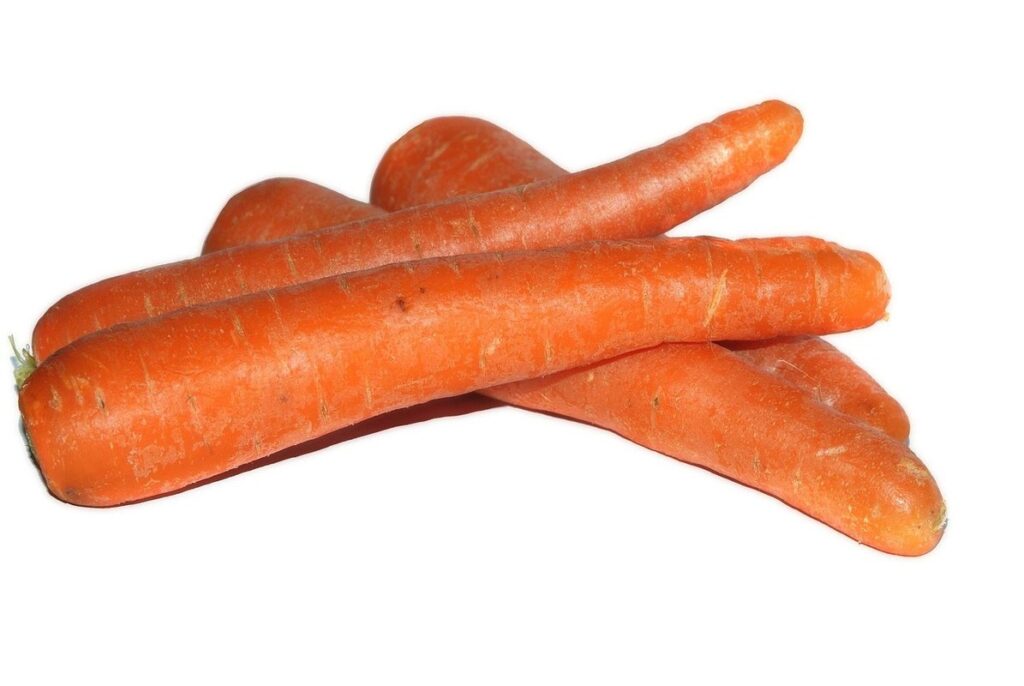
Understanding the Basics of Growing Carrots
Growing carrots from seed can be a fun and rewarding experience, but it requires some basic knowledge to get started on the right foot. Let’s cover the fundamentals that will set you up for success.
Choosing the Right Variety
When it comes to growing carrots, choosing the right variety is crucial for success. With over 400 varieties of carrots available, selecting one that suits your climate and growing conditions can be overwhelming.
Start by considering the characteristics you want in a carrot variety. Do you prefer sweet and crunchy carrots or ones with a stronger flavor? Different varieties excel in different areas. For example, ‘Little Finger’ carrots are great for snacking and salads due to their compact size and sweet taste, while ‘Danver’s Half-Long’ carrots have a more robust flavor and larger size.
Look at the growth habits of each variety as well. Some carrots, like ‘Parisienne’, are bred for container growing and have a shorter maturity period, making them perfect for small spaces or cooler climates. Others, such as ‘Chantenay’, prefer full sun and warmer temperatures, making them ideal for areas with long growing seasons.
When selecting a variety, also consider your climate zone and potential pests and diseases in your area. For instance, if you live in an area prone to pests like rabbits or squirrels, choose a variety that is resistant to their damage. Researching and reading reviews from other growers can provide valuable insights into a variety’s performance in different conditions.
Ultimately, choosing the right variety will save you time, effort, and potential disappointment. Be sure to read seed packets carefully and consider factors beyond just appearance – with so many options available, there’s a perfect carrot for every grower.
Preparing the Soil for Carrot Growth
Carrot growth is heavily dependent on the soil quality and nutrient availability. The ideal soil for carrots should be loose, well-draining, and rich in organic matter. A pH level between 6.0 and 6.8 is considered optimal for carrot cultivation. If your soil’s pH level is too high or too low, it can lead to stunted growth, deformed roots, or even complete failure.
To determine the current state of your soil, you can perform a simple pH test using DIY kits available at most gardening stores. These tests will provide an approximate reading that you can later verify with lab results if needed. If your soil’s pH level is off-target, you can adjust it by adding lime to increase or sulfur to decrease the pH.
Before planting carrots, make sure to add a balanced fertilizer (5-10-5 NPK) at a rate of 1-2 pounds per 100 square feet. Organic matter such as compost or well-rotted manure will also improve soil structure and nutrient availability. For example, adding a 2-inch layer of compost on top of the soil before sowing seeds can help create an optimal growing environment for your carrots.
Understanding the Lighting and Temperature Requirements
Carrots require a delicate balance of light and temperature to grow optimally. In terms of lighting, carrots need full sun to produce the best flavor and texture, but they can tolerate partial shade as well. The ideal sunlight hours for growing carrots range from 6-8 hours per day. If you’re growing carrots in an area with intense sunlight, consider providing some shade during the hottest part of the day to prevent scorching.
Temperature-wise, carrots prefer a consistent temperature between 60-70°F (15-21°C) during the day and no lower than 45°F (7°C) at night. Extreme temperatures can damage or kill your carrot crop. Prolonged exposure to heat above 75°F (24°C) can cause bolting, while prolonged exposure to cold below 40°F (4°C) can lead to root deformation.
To ensure optimal growth, make sure your soil has good drainage and is not prone to waterlogging. This will help regulate the temperature around your carrots and prevent fungal diseases that thrive in moist conditions. Keep in mind that temperature fluctuations can occur due to weather patterns or location-specific climate variations.
Starting Carrot Seeds Indoors or Outdoors
Whether you’re a seasoned gardener or just starting out, understanding how to start carrot seeds indoors or outdoors is crucial for successful growth. Let’s explore the best methods for getting your carrot crop off to a strong start!
Sowing Seeds in Seed Trays or Containers
Sowing carrot seeds indoors in seed trays or containers is an excellent way to get a head start on the growing season. To begin, you’ll need some high-quality seed starting mix and a few small containers with drainage holes. Fill the containers about 1-2 inches deep with the seed starting mix, making sure it’s moist but not waterlogged.
Next, sow the carrot seeds directly into the mix, spacing them about 1/8 inch apart. You can plant multiple seeds in each container, but thin them out to the strongest seedling later on. Keep the soil consistently moist during this time, as drying out can cause the seeds to germinate unevenly or even die off.
For optimal timing, sow carrot seeds indoors 4-6 weeks before the last frost date in your area. This will give you a chance to get the seedlings hardened off and transplanted outdoors when it’s safe to do so.
Direct Sowing into the Garden Bed
When direct sowing carrot seeds into a garden bed, it’s essential to start with well-prepared soil. This involves loosening the top 12-15 inches of soil to a depth that allows for easy root growth. Remove any debris, rocks, or weeds, and add organic matter like compost or well-rotted manure to improve drainage and fertility.
To sow carrot seeds directly into the garden bed, create shallow furrows about ¼ inch deep, using a garden rake or trowel. Place one or two seeds per furrow, depending on the variety’s specific instructions, and cover with a thin layer of soil. The seeds should be sown at a depth that’s roughly twice their diameter. Make sure to maintain even spacing between rows, typically 1-2 inches apart.
Consistent moisture is crucial for germination, so keep the soil consistently moist during this period. Use mulch or straw to retain moisture and suppress weeds. As the seedlings grow, thin them out to prevent overcrowding, which can lead to misshapen carrots or even root rot.
Caring for Carrot Seedlings
Now that your carrot seeds have germinated, it’s time to focus on giving them the care they need to thrive. In this next part of our guide, we’ll cover the essential tips for nurturing healthy carrot seedlings.
Watering and Mulching Techniques
Watering carrot seedlings requires attention to both frequency and depth. Overwatering can be detrimental to young carrots, causing roots to rot and increasing the risk of disease. As a general rule, water your carrot seedlings when the top inch of soil feels dry to the touch. Check the moisture level by inserting your finger into the soil up to the first knuckle.
When watering, aim for a gentle, consistent flow that allows the water to penetrate the soil evenly. Avoid getting water on the leaves or crown of the plant, as this can encourage fungal growth and other issues. Instead, focus on providing adequate moisture at the roots where it’s most needed.
Mulching is another crucial aspect of carrot seedling care. Organic mulches like straw, bark chips, or grass clippings help retain soil moisture, suppress weeds, and regulate soil temperature. Apply a 2-3 inch layer of mulch around your seedlings, keeping it a few inches away from the plants’ crowns to prevent rot. Replenish the mulch as needed to maintain its effectiveness and keep your carrot seedlings healthy throughout their growth cycle.
Controlling Pests and Diseases
When growing carrot seedlings, it’s essential to be aware of common pests and diseases that can damage your crop. Pests like carrot rust flies, carrot weevils, and aphids can cause significant damage if left unchecked. These insects can spread disease, weaken the plant, and even reduce yields.
Diseases such as powdery mildew, leaf blight, and root rot are also common issues for carrot seedlings. Powdery mildew is a fungal disease that causes white powder to form on leaves, while leaf blight leads to black spots or lesions on leaves. Root rot occurs when the roots become waterlogged, causing the plant to decay.
To control pests and diseases effectively, adopt organic methods such as crop rotation, physical barriers, and biological controls. Crop rotation is crucial in reducing disease susceptibility by breaking the disease cycle. By rotating your crops, you can reduce the risk of pests and diseases coming back to haunt your carrot seedlings year after year.
In addition to crop rotation, use row covers or fine mesh screens to keep insects away from your plants. You can also introduce beneficial insects like ladybugs or lacewings that prey on pests, thus controlling their populations naturally. Regular monitoring and maintenance of your soil health will also help prevent diseases from taking hold.
Thin and Prune Your Carrots
To produce long, straight carrots, it’s essential to thin your seedlings carefully to give them room to grow. This process is crucial for optimal development and flavor.
Thinning Seedlings for Optimal Growth
Thinning seedlings is an essential step in carrot cultivation that many gardeners overlook. By allowing too many seedlings to grow together, you’re inviting disease and pests to take hold, which can significantly impact the quality and yield of your crop. In fact, a study by the University of California found that overcrowding can reduce yields by up to 30%.
When should you start thinning? Typically, it’s around 1-2 weeks after germination when the seedlings have developed their first set of true leaves. At this stage, use scissors or a gentle touch to remove the weakest and smallest plants, leaving about 1-2 inches between each remaining seedling. The goal is to give the strongest seedlings enough space to grow without competing for resources like light, water, and nutrients.
Remember, thinning is not just about removing excess seedlings; it’s also an opportunity to assess your soil conditions and adjust your watering schedule accordingly. By doing so, you’ll be giving your carrots a strong head start on the road to optimal growth.
Removing Weeds and Debris from the Bed
As you continue to care for your carrot bed, it’s essential to maintain a weed-free environment. Weeds can outcompete carrots for water, nutrients, and light, stunting their growth and reducing yields. To identify common weeds that target carrot beds, look for plants like dandelion, clover, and plantain. These weeds have broad leaves and can grow quite tall, making them challenging to spot.
To remove weeds effectively, use a tool specifically designed for this task, such as a hoe or weeder. For smaller areas, hand-weeding with your fingers or a small trowel is also effective. Be sure to pull the weed from its roots to prevent regrowth. It’s also crucial to maintain a clean bed environment by removing dead or dying plants and debris. Regularly inspect your bed for weeds and remove them before they have a chance to spread. Remember, prevention is key: stay on top of weeding and debris removal to ensure your carrot crop receives the necessary resources to thrive.
Harvesting Carrots at the Right Time
Now that you’ve successfully grown your carrot crop, it’s time to harvest them, and understanding when to do so is crucial for a bountiful yield. Learn how to pick carrots at just the right moment.
Checking for Maturity
To ensure you’re harvesting your carrots at the right time, it’s crucial to check for maturity before pulling them out of the ground. This involves evaluating their size, color, and texture.
When checking for size, look for carrots that are between ½ and 1 inch in diameter. Keep in mind that some varieties may remain smaller or larger than this range. For instance, ‘Thumbelina’ is a compact variety that typically grows to around ½ inch in diameter, while ‘Danver’s Half-Long’ can reach up to 7 inches.
Next, examine the color of your carrots. They should have developed their characteristic orange color, although some varieties may be yellow, white, or even purple. Avoid harvesting too soon, as underdeveloped carrots will lack flavor and texture.
Lastly, check the texture by gently digging around the carrot with a fork. A mature carrot should come out easily without breaking or crumbling. If it’s still hard to remove, give it more time – over-maturity can make them fibrous and unpleasant to eat.
Gently Digging Up Your Carrot Crop
When it’s time to harvest your carrot crop, it’s essential to handle them gently to prevent damage. To dig up carrots without causing harm, start by loosening the soil around the plants with a fork, working from the outer edges towards the center of the bed. This will help loosen any compacted soil and make it easier to lift the carrots out.
Next, carefully insert your fingers into the soil and gently grasp each carrot, making sure not to pull on the tops of the plants as this can break off the roots. If some carrots are particularly stubborn or have developed deep in the soil, try using a blunt instrument like a table knife or a small garden tool to carefully pry them loose.
Once your carrots are lifted from the ground, handle them with care to prevent bruising and damage. Gently brush away any excess dirt from the roots and leaves, taking care not to scrub too hard which can cause scratches. Finally, store your freshly harvested carrots in a cool, dry place with good air circulation to keep them fresh for as long as possible.
Troubleshooting Common Issues
Sometimes things don’t go as planned when growing carrots, so we’ll tackle common problems you may encounter and offer solutions to get your crop back on track. Let’s troubleshoot together!
Dealing with Root Knot Nematodes
If you notice that your carrot seedlings are developing swollen, deformed roots, it may be due to an infestation of root knot nematodes. These microscopic worms can cause significant damage to your crop, reducing yields and affecting the quality of your carrots.
To identify a root knot nematode problem, look for symptoms such as:
• Deformed or swollen roots
• Yellowing leaves
• Reduced growth
Preventing nematode infestations is often easier than treating an existing problem. To reduce the risk of infection:
• Use resistant varieties: Some carrot breeds are naturally more resistant to root knot nematodes.
• Practice crop rotation: Regularly rotate your crops to break the nematode life cycle and reduce the population.
• Use clean seeds: Ensure that you’re starting with healthy, disease-free seed.
If you do encounter a root knot nematode problem, consider taking action before it’s too late. Treatments such as fumigants or nematicides can be effective, but always follow label instructions carefully to avoid harming the environment and your crop.
Other Potential Challenges and Their Solutions
Poor germination rates can be frustrating for growers, especially if you’ve taken the time to properly sow your carrot seeds. To improve germination rates, make sure your soil has a consistent temperature between 65-75°F (18-24°C). Carrots are sensitive to frost and extreme temperatures, so avoid planting in areas with standing water or where cold air may settle. If you notice poor germination, try soaking the seeds for 24 hours before sowing them.
Excessive branching can be a sign of insufficient light, but it can also indicate over-fertilization. To prevent excessive branching, ensure your carrots receive at least six hours of direct sunlight per day and maintain balanced fertilizer levels. Regularly inspect your plants for signs of nutrient deficiencies or excesses.
Fungal diseases like powdery mildew and leaf blight can quickly spread through a carrot crop if not addressed promptly. Keep an eye out for white patches on leaves or stems, which may indicate the presence of fungal spores. Practice good sanitation by removing affected areas, improving air circulation, and using organic fungicides to prevent further growth.
Frequently Asked Questions
Can I grow carrots in containers if I don’t have a large garden bed?
Yes, you can grow carrots in containers as long as they are at least 6-8 inches deep to accommodate the taproot’s depth. Choose a container with good drainage and fill it with well-draining potting mix specifically designed for root vegetables.
How do I handle carrot seedlings that are twisted or forked?
Twisted or forked carrots can be caused by inadequate spacing, poor soil quality, or uneven watering. To prevent this issue, ensure you’re providing enough space between seeds (about 1-2 inches) and using a well-draining mix. If the problem persists, consider switching to a different variety known for its straight growth habit.
What’s the ideal temperature range for carrot seedlings?
Carrot seedlings prefer cooler temperatures, typically between 60°F to 70°F (15°C to 21°C). Avoid exposing them to direct sunlight or extreme heat, which can cause stress and lead to bolting. Provide shade during the hottest part of the day if necessary.
Can I sow carrot seeds directly into my garden bed without starting them indoors?
Yes, you can sow carrot seeds directly into your garden bed when the weather is suitable for your region. However, be aware that this method may result in lower germination rates and more competition from weeds. Starting seeds indoors 4-6 weeks before transplanting outside can give them a head start.
How do I store my harvested carrots to keep them fresh longer?
To extend the shelf life of your freshly harvested carrots, store them in a cool, dark place with high humidity (around 80-90%). Remove any tops and wash the carrots gently before storing. You can also refrigerate or freeze them for later use, but be aware that freezing may affect texture and flavor slightly.