
If you’re eager to grow juicy, delicious tomatoes in your small space container garden, you’re not alone. Many of us are limited by compact spaces, but that doesn’t mean we can’t enjoy a bountiful harvest of fresh homegrown produce. In fact, there’s an array of top-notch tomato varieties specifically bred for container gardens, boasting remarkable growth habits and adaptability.
These compact tomatoes thrive in pots, producing loads of tasty fruit with minimal fuss. But what makes them the best for containers? How do you choose between the most popular varieties? And how can you ensure a thriving harvest in even the smallest spaces? We’ve got you covered! In this article, we’ll uncover expert tips and insights on growing the best tomatoes for containers – from variety selection to expert care.
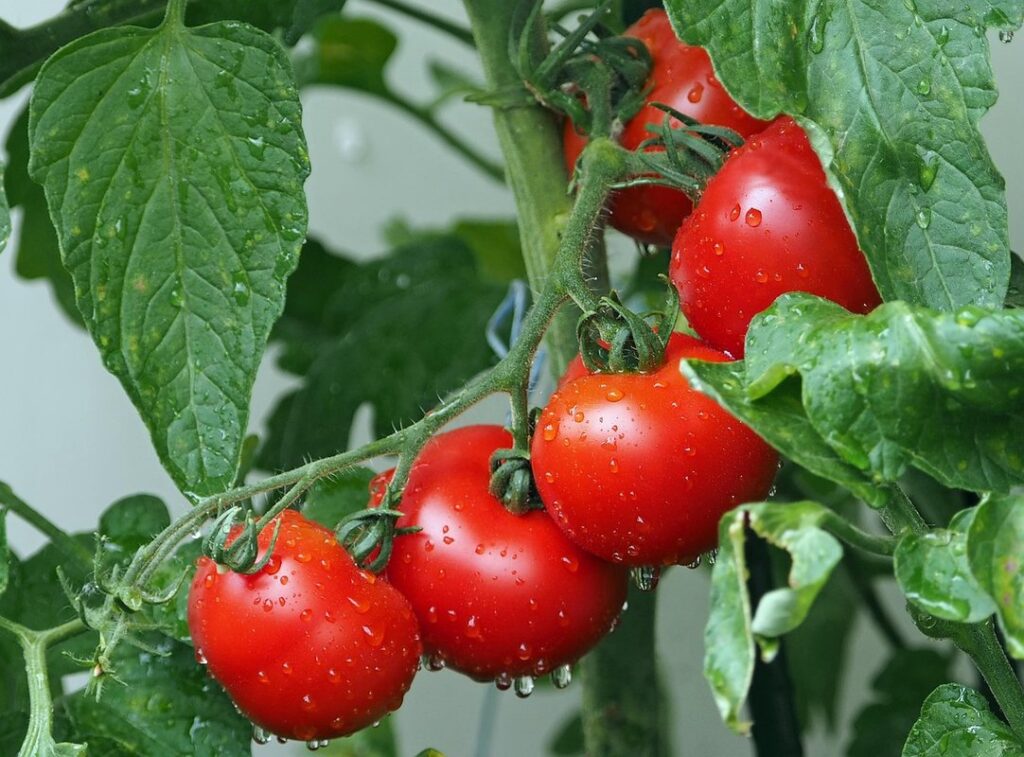
Choosing the Right Variety
When selecting a tomato variety for container gardens, it’s essential to consider factors like growth habits, space requirements, and disease resistance. You’ll want to choose a variety that thrives in small spaces.
1. Compact Growth Habit
When selecting tomato varieties for container gardens, it’s essential to consider their compact growth habits. This is crucial because containers often have limited space and can’t accommodate sprawling plants. Look for varieties that are specifically bred for container gardening or have a naturally compact habit.
Some popular examples of compact tomato varieties include ‘Tiny Tim’, ‘Red Robin’, and ‘Patio’. These varieties typically grow to be around 1-2 feet in height, making them perfect for smaller containers. Another benefit of these compact varieties is their ability to produce fruit quickly, often within 60 days or less.
To ensure your compact tomatoes thrive in a container, provide them with plenty of sunlight and well-draining potting mix. Also, prune the plant regularly to encourage bushy growth and prevent it from becoming leggy. By choosing a variety with a compact growth habit and following proper care instructions, you can enjoy a bountiful harvest from your container garden.
2. Disease Resistance
When choosing tomatoes for containers, disease resistance is a crucial factor to consider. Tomatoes grown in containers are more susceptible to diseases due to their compact growth and increased water usage, which can create an ideal environment for fungal infections like powdery mildew.
Fortunately, many container-friendly tomato varieties have been bred with improved disease resistance. One popular choice is ‘Tumbler’, a compact indeterminate variety that’s specifically designed for containers and hanging baskets. It produces high yields of small to medium-sized fruit and has built-in resistance to Verticillium and Fusarium wilt diseases.
Another excellent option is ‘Red Robin’, a dwarf cherry tomato variety that’s perfect for smaller containers. It boasts impressive disease resistance, including immunity to Nematodes, and produces an abundance of bite-sized fruit throughout the season. When selecting disease-resistant varieties, look for the following keywords on seed packets or nursery tags: ‘Verticillium Wilt Resistant’, ‘Fusarium Wilt Resistant’, or ‘Nematode Resistance’. By choosing varieties with these traits, you can enjoy healthy and productive container tomatoes all summer long!
3. Climate Adaptability
When choosing tomatoes for containers, it’s essential to consider their climate adaptability. This means selecting varieties that can thrive under various weather conditions, including extreme heat and cold temperatures.
Heat tolerance is a crucial factor in container gardens, especially in warmer climates. Look for varieties like ‘Patio’ or ‘Tiny Tim’, which are bred specifically for small spaces and can handle high temperatures without suffering from heat stress. These compact plants have a shorter fruiting period, reducing the risk of sunscald and other heat-related issues.
Cold hardiness is also vital to consider, especially in cooler climates or during late-season frosts. Varieties like ‘Early Girl’ or ‘Cherry Roma’ are more resistant to cold temperatures and can tolerate light frosts without damage. To further protect your plants from frost, consider using row covers or bringing containers to a protected area.
Some tomato varieties exhibit both heat tolerance and cold hardiness, making them ideal for container gardens with fluctuating weather conditions. For example, ‘Sungold’ cherry tomatoes are known for their heat-tolerant nature and can even produce fruit in temperatures as low as 50°F (10°C).
Container-Specific Considerations
When growing tomatoes in containers, there are several factors specific to these types of planters that can greatly impact your harvest. Let’s explore some key considerations.
1. Soil Quality and Drainage
When it comes to growing tomatoes in containers, selecting the right potting mix and ensuring adequate drainage is crucial. Tomatoes are heavy feeders and prefer a well-draining potting mix that can hold onto moisture but also drain excess water quickly. A general-purpose potting mix may not be sufficient for container tomatoes as it tends to retain too much water, leading to root rot.
Look for a potting mix specifically designed for containers or vegetables, which typically have improved drainage and aeration properties. You can also create your own blend by mixing in some perlite or vermiculite to enhance drainage. Make sure the potting mix is not too dense, as this can cause water to pool around the roots, increasing the risk of root rot.
A good rule of thumb is to check the moisture level by sticking your finger into the soil up to the first knuckle. If the soil feels dry, it’s time to water. Also, ensure that your container has sufficient drainage holes in the bottom to prevent waterlogged soil.
2. Lighting Requirements
When it comes to growing tomatoes in containers, one of the most critical factors is lighting. Different tomato varieties have unique lighting requirements, and understanding these needs can make a huge difference in your harvest. Let’s break down the different types of lighting requirements for popular container-grown tomatoes.
Some tomato varieties require full sun, meaning they need at least six hours of direct sunlight per day to produce well. These include popular cherry tomatoes like ‘Patio’ and ‘Tiny Tim’, as well as larger varieties like ‘Brandywine’ and ‘Cherokee Purple’. If you’re growing these types in containers, make sure to place them in a sunny spot with unobstructed sunlight.
On the other hand, some tomato varieties can tolerate partial shade. These include ‘Yellow Pear’, ‘Red Robin’, and ‘Sungold’. While they still need some direct sunlight, they can also thrive in areas that receive filtered or dappled light. This makes them ideal for growing in containers under trees or near windows with sheer curtains.
If you’re short on space or living in a region with limited natural light, don’t worry – there are tomatoes that can tolerate low-light conditions! These include ‘Green Grape’ and ‘Red Cherry’. While they won’t produce as much fruit as those grown in full sun, they’ll still give you a decent harvest.
3. Support Systems
Indeterminate tomato plants can grow quite large and unruly, making support systems crucial for their health and success in containers. Without proper support, these plants may become weighed down by their own fruit and foliage, leading to broken stems and reduced yields.
When it comes to supporting indeterminate tomatoes in containers, trellis systems are a popular choice. These can be as simple as a single stake or as complex as an elaborate arbor. For a small container, a single 6-foot tomato trellis is sufficient, while larger containers may require multiple supports.
Another option is using cages to support indeterminate tomatoes. Tomato cages come in various sizes and shapes but typically consist of wire mesh or chicken wire wrapped around a sturdy frame. These are ideal for larger plants that need extra room to grow.
To install a support system, start by planting your tomato seedling in the center of the container, then gently twine its stems through the trellis or cage as it grows. This will help train the plant upwards and outwards, maximizing space and promoting healthy growth.
Growing Tips and Best Practices
To get the best results from container-grown tomatoes, it’s essential to follow some key growing tips and best practices that’ll keep your plants thriving all season long.
1. Soil pH and Nutrient Management
When growing tomatoes in containers, maintaining optimal soil pH and nutrient levels is crucial for healthy plant growth. Tomato plants prefer a slightly acidic to neutral soil pH between 6.0 and 7.0. If your container’s native soil pH is too high or low, it can affect nutrient availability and plant performance.
To manage soil pH, you can use pH-adjusting amendments like dolomitic limestone for alkaline soils or peat moss or sulfur for acidic soils. Regularly testing your soil pH will help you identify any issues early on. As for fertilizers, container tomatoes require a balanced diet of nutrients. A general-purpose fertilizer with a 10-10-10 NPK ratio (nitrogen-phosphorus-potassium) is a good starting point.
Some popular organic options include fish emulsion or alfalfa meal. However, be mindful of over-fertilizing, as this can damage roots and reduce plant growth. Feed your container tomatoes once a month with a balanced fertilizer, and consider using a slow-release formula for added convenience.
2. Watering Strategies
Watering container tomatoes requires finesse, as it’s easy to overwater and cause root rot. To get it right, consider the humidity level in your area, which can affect how quickly water evaporates from the soil. In hot and humid climates, you may need to water more frequently, whereas cooler and drier environments require less frequent watering.
The temperature of your container garden also plays a significant role in watering. Tomatoes grown in containers in warmer temperatures (above 75°F) will require more water than those in cooler conditions. It’s essential to check the soil moisture by sticking your finger into the soil up to the first knuckle; if it feels dry, it’s time for watering.
Root depth is another crucial factor when watering container tomatoes. Shallow root systems found in many compact varieties mean they require more frequent watering as the top inch of soil can dry out quickly. For deeper-rooted varieties, you may be able to get away with less frequent watering.
Monitor your plants closely and adjust your watering schedule accordingly. A good rule of thumb is to water when the top 1-2 inches of soil feel dry to the touch. Avoid getting water on the leaves to prevent fungal diseases; instead, focus on soaking the roots thoroughly.
3. Pest and Disease Management
When growing tomatoes in containers, it’s essential to be aware of common pests and diseases that can affect your plants. One of the most significant challenges container tomato growers face is fungal infections, such as powdery mildew and early blight. These fungi thrive in humid environments, which is why it’s crucial to ensure good air circulation around your plants. To prevent fungal infections, make sure to space your containers at least 6-8 inches apart and avoid watering from overhead.
Aphid infestations are another common issue container tomato growers encounter. These tiny insects feed on the sap of your plants, causing curled or distorted leaves. To manage aphid populations, use neem oil or insecticidal soap to control infestations. Regularly inspect your plants for signs of aphids and take action immediately.
In addition to these measures, it’s also essential to maintain good hygiene practices in your container garden. Disinfect any pruning tools between uses, and avoid overcrowding containers to prevent the spread of diseases. By taking proactive steps to manage pests and diseases, you can enjoy a healthy and productive harvest from your container tomatoes.
Popular Container Tomato Varieties
When it comes to growing tomatoes in containers, you’ll want to choose varieties that thrive in smaller spaces and produce plenty of fruit. We’ve rounded up some popular options for you to consider.
1. Cherry Tomatoes
When it comes to cherry tomatoes, these small but mighty fruits are perfect for containers. Not only do they produce a high yield of fruit, but they’re also disease-resistant and compact in size.
Two popular varieties that thrive in containers are ‘Sweet 100’ and ‘Red Cherry’. The ‘Sweet 100’ variety produces an abundance of bite-sized tomatoes that are sweet and tangy. This indeterminate variety requires regular pruning to encourage bushy growth, which makes it ideal for larger containers (at least 12 inches deep). With proper care, you can expect to harvest around 100+ cherry tomatoes per plant.
The ‘Red Cherry’ variety, on the other hand, produces a profusion of bright red fruit that’s rich in flavor. This compact variety is perfect for smaller containers (at least 8 inches deep) and requires minimal pruning. It’s also a great choice for containers with good air circulation to prevent fungal diseases.
To grow cherry tomatoes in containers, make sure the soil is well-draining and rich in organic matter. Use a balanced fertilizer and keep the soil consistently moist but not waterlogged. With these varieties and proper care, you’ll be enjoying fresh cherry tomatoes all season long!
2. Patio Tomatoes
When it comes to container gardens, there’s no need to sacrifice flavor and productivity for space constraints. Introducing patio tomato varieties, specifically bred for compact growth in containers like ‘Patio’ and ‘Tiny Tim’. These diminutive yet mighty tomatoes are perfect for balconies, patios, or small plots.
One of the standout features of patio tomatoes is their remarkably small size. They typically grow to be around 12-18 inches tall, making them an ideal choice for large planters or hanging baskets. This compact growth also means they require less support and pruning than larger varieties. Take ‘Patio’ as a prime example – this variety produces fruit in just 60 days from sowing and can thrive with minimal care.
These pint-sized powerhouses are perfect for small-scale growers or those new to container gardening. Not only do patio tomatoes offer the same rich flavor and texture as their full-sized counterparts, but they’re also incredibly versatile. Try growing ‘Tiny Tim’ alongside some basil and oregano in a compact planter for a miniature Italian-inspired herb garden that’s bursting with fresh flavors.
3. Heirloom Varieties
Heirloom varieties bring a unique charm to container gardening, with their rich history and diverse characteristics. However, they often require more attention and care than their hybrid counterparts. When growing heirlooms in containers, it’s essential to provide them with the right environment.
Firstly, heirlooms tend to be more sensitive to temperature fluctuations, so ensure your container is placed in a spot that receives partial shade, especially during peak summer months. Be prepared for them to take longer to mature – some varieties can take up to 120 days or more to ripen. This can be challenging for gardeners with limited space and time.
To overcome this challenge, choose heirloom varieties that are known for their compact growth habit or early maturity. For example, ‘Red Robin’ is a popular choice among container gardeners due to its compact size and high yields. Another option is ‘Tigerella’, which matures in around 60 days and produces small, cherry-sized fruits.
When growing heirlooms, make sure the potting mix is well-draining and rich in organic matter. This will help prevent waterlogged soil and promote healthy root growth.
Troubleshooting Common Issues
If you’re facing problems growing tomatoes in containers, don’t worry – we’ve got you covered. This section will walk you through common issues and provide practical solutions to get your container garden back on track.
1. Poor Fruit Set and Yield
Poor fruit set and yield can be a frustrating issue when growing tomatoes in containers. One common cause is temperature fluctuations. Tomatoes need a consistent temperature between 65°F to 70°F (18°C to 21°C) during the day and no lower than 55°F (13°C) at night for optimal growth. If your container is exposed to extreme temperatures, it can shock the plant, leading to poor fruit set.
Nutrient deficiencies are another common issue that can impact yield. Tomatoes need a balanced diet of nutrients, especially nitrogen, phosphorus, and potassium. A lack of these essential nutrients can result in weak and spindly growth, reducing fruit production. To avoid this, use a well-balanced fertilizer specifically designed for container gardens.
To address temperature fluctuations, choose a container with good insulation properties or move it to a shaded area during the hottest part of the day. Regularly monitoring soil moisture and adjusting watering schedules can also help prevent stress caused by extreme temperatures.
2. Blossom End Rot
Blossom end rot is one of the most common issues you’ll encounter when growing tomatoes in containers. It’s a frustrating problem that can be caused by a calcium deficiency, which is more likely to occur in container-grown plants due to the limited soil volume and root depth.
To identify blossom end rot, look for soft, leathery patches on the blossom end of your tomato fruit. These patches can be brown or black and may have a sunken appearance. If you catch it early, there’s still hope for saving your crop – but left unchecked, it can lead to entire fruit being affected.
To prevent blossom end rot in containers, ensure your soil has adequate calcium levels. You can do this by using a balanced fertilizer that includes calcium as an essential nutrient. Additionally, maintain consistent moisture levels and avoid extreme temperature fluctuations, which can also contribute to the issue. Keep your container-grown tomatoes well-watered but not waterlogged – aim for about 1-2 inches of soil moisture at any given time.
Regularly inspect your plants, taking note of any developing blossom end rot. If you spot it early, carefully prune away affected areas to prevent further damage.
Conclusion and Next Steps
Now that you’ve explored the best tomatoes for containers, it’s time to put your newfound knowledge into action. Start by selecting a variety from our top picks and making sure you have the right container size and type for your chosen tomato plant. Don’t forget to provide plenty of sunlight and adequate support for your plant as it grows. With proper care and attention, you’ll be enjoying juicy homegrown tomatoes in no time.
Before planting, take some time to prepare your container by adding a layer of drainage material and fertilizing the soil. This will give your tomato plant a strong start and help prevent common issues like root rot. Once you’ve planted and cared for your tomatoes, keep an eye out for pests and diseases that can quickly spread through container gardens.
Frequently Asked Questions
What’s the ideal container size for growing compact tomato varieties?
When selecting a container, consider one that is at least 6-8 inches deep and has good drainage holes to prevent waterlogged soil. This will give your tomatoes enough room to grow and develop a strong root system.
How often should I fertilize my container tomatoes?
Feed your container tomatoes with a balanced fertilizer (10-10-10 NPK) once a month during the growing season. You can also side-dress with high-phosphorus fertilizer (10-20-10 NPK) to promote fruiting and flowering.
Can I grow multiple tomato plants in one large container?
Yes, you can grow multiple compact tomato varieties in a single container, but make sure they have enough space to grow. A general rule of thumb is to plant 2-3 plants per 12-inch wide container, spaced about 6-8 inches apart.
How do I prevent Blossom End Rot (BER) in my container tomatoes?
To prevent BER, ensure your tomato plants receive consistent moisture levels and avoid over-watering. Also, maintain a slightly acidic soil pH between 6.0 and 7.0, and provide calcium supplements to promote healthy plant growth.
Can I use self-watering containers for growing tomatoes?
Yes, self-watering containers can be an excellent option for growing tomatoes in containers. They help maintain consistent moisture levels, reducing the risk of over- or under-watering. Just ensure the container has a reliable drainage system to prevent waterlogged soil.