
Growing your own tomatoes at home can be a truly rewarding experience, but with so many varieties to choose from, it can be overwhelming. If you’re new to gardening or just want to improve your harvest, selecting the right tomato variety is key. Not only do some tomatoes offer better disease resistance and flavor, but they also thrive in specific conditions.
In this article, we’ll explore the best tomato varieties for home gardeners, including those that are resistant to common diseases like blight and fusarium wilt. We’ll also cover essential tips on soil preparation, watering, and support systems to help your plants reach their full potential. Whether you’re a seasoned gardener or just starting out, our expert advice will guide you in growing delicious and healthy tomatoes at home.
Understanding Tomato Varieties
With so many varieties to choose from, it can be overwhelming to pick the best tomatoes for your home garden. Let’s break down the most popular types and their unique characteristics.
Determining Your Climate and Soil Type
Determining your local climate and soil type is crucial when selecting tomato varieties to grow at home. To start, check with your local nursery or gardening association for information on the average temperature, rainfall, and sunlight patterns in your area. This will help you understand if you have a cool, temperate, or warm climate.
For example, if you live in an area with long, hot summers, you’ll want to choose heat-tolerant varieties like ‘Brandywine’ or ‘Cherokee Purple’. On the other hand, if you’re in a cooler climate, varieties like ‘Early Girl’ or ‘Patio’ will thrive. Soil type is also essential – tomatoes love well-draining, fertile soil rich in organic matter.
Test your soil pH and nutrient levels to determine its suitability for tomato growth. Most tomato varieties prefer a slightly acidic to neutral soil pH (around 6.0-7.0). If your soil is heavy clay or sandy, amend it with compost or manure to improve drainage and fertility. With this information, you can narrow down the best tomato varieties for your specific climate and soil conditions, ensuring a bountiful harvest at home.
Common Tomato Categories
When it comes to growing tomatoes at home, understanding the different categories can help you choose the best varieties for your needs. The main categories of tomatoes are determined by their size, shape, and usage in cooking.
Cherry tomatoes are one of the most popular varieties among gardeners. They’re small, sweet, and bursting with flavor. Some popular cherry tomato varieties include ‘Sungold’, ‘Red Cherry’, and ‘Sweet 100’. These compact plants produce high yields and are perfect for snacking or adding to salads.
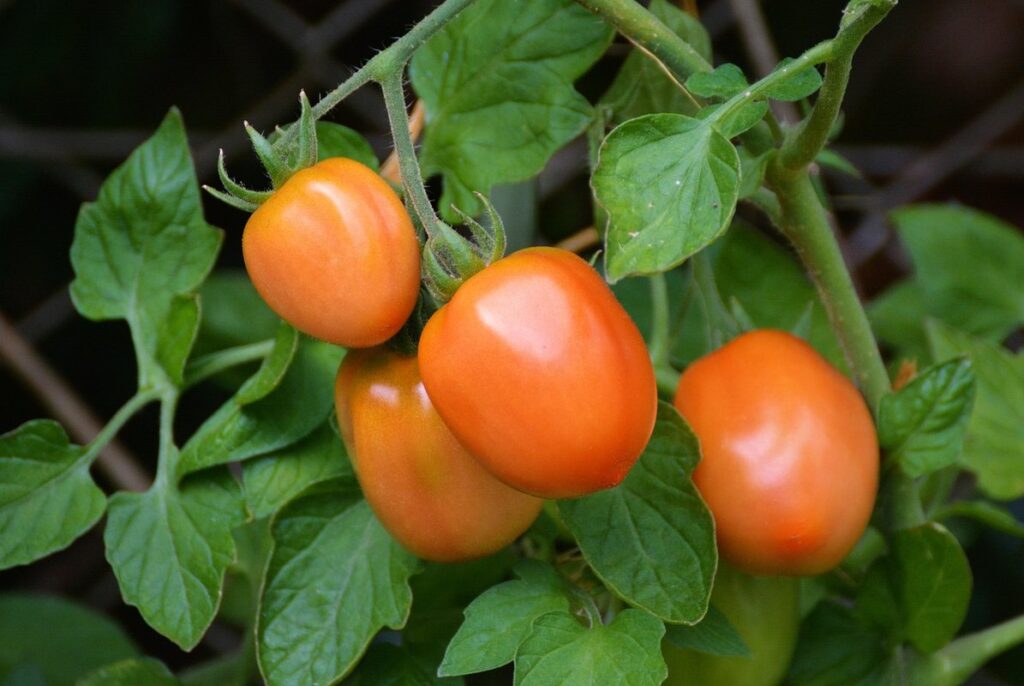
On the other hand, beefsteak tomatoes are large and meaty, making them ideal for slicing and using in sandwiches. Varieties like ‘Brandywine’ and ‘Cherokee Purple’ are known for their rich flavor and firm texture. Roma tomatoes, also known as plum tomatoes, are elongated and have a higher solid content, making them perfect for canning or sauces.
Knowing the characteristics of each category will help you choose the best varieties to grow at home. Consider your space, cooking habits, and personal preferences when selecting the perfect tomato variety for your garden.
Choosing Disease-Resistant Tomatoes
When selecting tomatoes for your home garden, it’s essential to consider disease resistance to ensure a bountiful harvest. Look for varieties that have built-in defenses against common tomato diseases like blight and fusarium wilt.
Understanding the Importance of Resistance
When growing tomatoes at home, one of the most critical factors to consider is disease resistance. As a home gardener, it’s easy to overlook the importance of disease-resistant varieties, but this can lead to devastating consequences for your plants.
Disease-resistance is crucial because it directly impacts yield and plant health. Tomatoes are susceptible to various diseases like early blight, septoria leaf spot, and fusarium wilt, which can spread quickly in a home garden. These diseases not only reduce fruit production but also weaken the plant’s defenses, making it more vulnerable to other pests and diseases.
To put this into perspective, consider that even with proper care, a disease-prone tomato variety can yield up to 50% less than its disease-resistant counterpart. By choosing resistant varieties, you can ensure a bountiful harvest and healthier plants. Look for varieties like ‘Early Girl’, ‘Patio’, or ‘Better Boy’ which have built-in resistance to common tomato diseases. These varieties are bred specifically with home gardeners in mind, making them an excellent choice for small-scale growers.
Top Picks for Disease-Resistant Varieties
When it comes to growing tomatoes, disease resistance is crucial for a bountiful harvest. Fortunately, many varieties offer high levels of disease resistance, giving you peace of mind while enjoying the fruits of your labor.
For those who prefer heirloom options, ‘Brandywine’ and ‘Cherokee Purple’ are excellent choices. These popular varieties have shown remarkable resistance to common tomato diseases like verticillium wilt and fusarium wilt. They also boast rich flavors and textures that will elevate any homegrown dish.
Hybrid varieties are another great option for those seeking disease-resistant tomatoes. ‘Early Girl’ is a compact, high-yielding variety that’s resistant to early blight, while ‘Better Boy’ boasts a robust resistance to fusarium wilt and nematodes. Both of these options offer reliable performance in a wide range of growing conditions.
When selecting disease-resistant varieties, be sure to check the seed packet or consult with a local nursery for guidance. Some popular sources of disease-resistant tomato seeds include seed catalogs from Burpee and Seed Savers Exchange.
Growing Conditions and Tips
To grow the best tomatoes at home, you’ll want to know how to create an ideal environment for them, from soil preparation to sunlight requirements. We’ve got some expert tips to share with you.
Soil Preparation and pH Levels
When it comes to growing tomatoes at home, the quality of the soil is just as important as choosing the right variety. Tomatoes thrive in well-draining, fertile soil with a pH between 6.0 and 7.0. If your soil’s pH level is outside this range, you may need to take corrective action.
To test your soil’s pH level, purchase a DIY kit or have it analyzed by a local nursery. Based on the results, you can adjust the pH accordingly. For example, if your soil is too alkaline (high pH), add peat moss or sulfur to lower the pH. Conversely, if your soil is too acidic (low pH), incorporate lime or dolomitic limestone.
In addition to adjusting pH levels, it’s essential to prepare the soil for optimal tomato growth. Remove any debris or weeds, and mix in a 2-inch layer of compost or well-rotted manure. This will improve drainage and fertility, setting your tomatoes up for success. By taking care of the soil, you’ll be rewarded with a bountiful harvest of delicious homegrown tomatoes.
Watering and Support Systems
When it comes to growing tomatoes at home, proper watering and support systems are crucial for their health and productivity. Tomatoes need about 1-2 inches of water per week, either from rain or irrigation, with a consistent moisture level throughout the day. To achieve this, it’s essential to check the soil daily by inserting your finger into the soil up to the knuckle. If the soil feels dry, it’s time to water.
For support systems, tomato cages and trellises are excellent options for keeping plants upright and promoting even growth. Tomato cages are usually 3-4 feet tall and made of wire or metal mesh, providing a sturdy framework for the plant to grow around. Trellises, on the other hand, can be more decorative and come in various shapes and sizes. They work well for compact tomato varieties like cherry tomatoes or patio tomatoes.
When choosing a support system, consider the mature size of your tomato plants. For larger varieties, it’s better to opt for a sturdy cage or trellis that can hold their weight.
Popular Tomato Varieties for Home Gardeners
If you’re looking to try a new tomato variety in your home garden, we’ve rounded up some popular picks that are perfect for backyard growers like you. From heirloom favorites to disease-resistant hybrids, keep reading!
Heirloom Options
If you’re looking for something truly special to add to your home garden, consider growing heirloom tomato varieties. These unique and flavorful tomatoes have been passed down through generations, offering a taste of history with every bite.
Brandywine is one of the most popular heirloom tomato varieties among home gardeners. This large, pink variety boasts a rich, complex flavor profile and tender texture. Its indeterminate growth habit requires support as it grows, but the payoff is well worth it. Another favorite among gardeners is Cherokee Purple, with its deep purple color and smoky sweetness.
Other popular heirloom options include Black Krim, which offers a robust, slightly sweet flavor and dark red color; and San Marzano, prized for its sweet-tart taste and low acidity. When growing heirlooms, remember to plant seeds 1/4 inch deep in well-draining soil, and support the plants as they grow to prevent damage.
With proper care, these varieties can thrive in your home garden and provide a truly unique flavor experience.
Hybrid Options
If you’re looking for high-performing tomato varieties that can withstand common challenges faced by home gardeners, consider exploring hybrid options. These tomatoes have been bred to excel in specific areas, making them ideal for home growers.
Some of the most successful hybrids on the market include disease-resistant varieties like ‘Better Boy’ and ‘Early Girl’. These tomatoes boast excellent yields and are less susceptible to diseases such as early blight and septoria leaf spot. For example, ‘Better Boy’ produces an average of 15-20 pounds per plant, making it a great choice for those with smaller spaces.
Other hybrid varieties worth considering include ‘Patio’, which is specifically bred for compact growth habits, perfect for containers or small gardens. ‘Early Wonder’, on the other hand, offers fast maturation and high yields in as little as 50 days. When selecting hybrid tomatoes, look for varieties that have been tested for performance in your specific region and climate.
By choosing a high-performing hybrid variety, you can significantly reduce the risk of crop loss due to disease or poor growth habits. With proper care and conditions, these hybrids can provide you with an abundance of fresh, delicious tomatoes right in your own backyard.
Tips for Success and Troubleshooting
To ensure you get the best results from growing tomatoes at home, we’ve put together some valuable tips on how to troubleshoot common issues.
Monitoring and Preventing Common Issues
Monitoring and Preventing Common Issues
As you tend to your homegrown tomatoes, it’s essential to be aware of common issues that can impact their growth. Pests like hornworms, aphids, and whiteflies can cause significant damage if left unchecked. To prevent infestations, keep a clean garden by removing weeds and debris, which can attract these pests. Regularly inspect your plants for signs of infestation, such as holes in leaves or tiny eggs on stems.
Fungal diseases like powdery mildew, early blight, and late blight are also common threats to tomato growth. To prevent fungal diseases, ensure good air circulation around your plants and avoid overhead watering, which can encourage fungal growth. Regularly inspect your plants for signs of disease, such as yellowing leaves or white powdery patches on leaves.
To monitor and prevent these issues, set up a regular inspection schedule to catch problems early. Check your plants weekly, looking for signs of pests or diseases, and take action promptly if you notice any issues. By being proactive and taking steps to prevent common issues, you can enjoy a healthy and productive tomato harvest at home.
Harvesting and Storage Techniques
When harvesting tomatoes from your home garden, it’s essential to pick them at the peak of ripeness. The ideal time to harvest depends on the variety, but generally, you can check for ripeness by gently tugging on the fruit. If it comes off easily, it’s ready.
For cherry and patio varieties, harvest when they’re fully colored and have a sweet aroma. For larger tomatoes, wait until they’ve reached their full color and have a slight softening around the stem.
Once picked, store your tomatoes in a cool, well-ventilated area away from direct sunlight. Do not refrigerate, as this can cause them to lose flavor and texture. Instead, place them stem-end down on a wire rack or paper towel-lined tray to maintain air circulation.
For longer storage, you can also use a breathable container like a mesh bag or ventilated box. Keep an eye out for signs of spoilage and remove any rotten tomatoes promptly to prevent the spread of disease. By following these simple steps, you’ll be able to enjoy your homegrown tomatoes throughout their optimal freshness.
Conclusion: Growing Tomatoes for Beginners
Now that you’ve learned which tomatoes are perfect for your home garden, let’s wrap up with some final tips on how to successfully grow them.
Recap of Key Takeaways
Growing tomatoes can be a rewarding experience for beginners, and with the right guidance, you’ll be on your way to harvesting delicious homegrown tomatoes in no time. As we’ve explored throughout this article, choosing the right variety is key. We covered some of the best varieties for beginners, such as ‘Better Boy’, ‘Early Girl’, and ‘Cherry Tomatoes’. These easy-to-grow options are perfect for those new to growing tomatoes at home.
In addition to selecting the right variety, we discussed the importance of providing adequate sunlight and care for your tomato plants. This includes watering regularly, fertilizing once a month, and pruning to promote healthy growth. Don’t forget that some tomato varieties require support as they grow, such as indeterminate types.
For those with limited space, compact or container tomatoes are an excellent choice. These varieties can thrive in smaller spaces and produce plenty of fruit throughout the growing season. We also touched on the benefits of companion planting, which involves pairing certain plants together to improve growth and reduce pests.
When it comes to common mistakes beginners make when growing tomatoes, overwatering is often a major issue. Be sure to check the soil moisture regularly and avoid getting water on the leaves to prevent diseases from spreading.
By following these tips and staying committed to your tomato-growing journey, you’ll be enjoying fresh homegrown tomatoes in no time. Remember that it’s okay to start small – even a few well-cared-for plants can yield a bountiful harvest. With practice comes experience, so don’t be afraid to experiment with different varieties and techniques as you continue to learn and grow your tomato-growing skills.
Frequently Asked Questions
Can I grow disease-resistant tomatoes if my soil has high acidity?
Yes, you can still grow disease-resistant tomatoes even with acidic soil. While most tomatoes prefer a slightly acidic to neutral soil pH (around 6.0-7.0), some varieties are more tolerant of acidic conditions. Be sure to choose a variety that is specifically bred for acidic soils and follow the recommended care instructions.
What if I’m unsure about my local climate? How can I determine it?
Start by consulting with your local nursery, gardening association, or extension office for information on average temperature, rainfall, and sunlight patterns in your area. You can also use online resources such as the USDA Plant Hardiness Zone Map to determine your climate zone. This will help you choose tomato varieties that are well-suited for your region.
How often should I water my tomato plants?
Watering frequency depends on various factors including soil type, climate, and plant variety. As a general rule of thumb, tomatoes need about 1-2 inches of water per week. Check the soil moisture by inserting your finger into the soil up to the knuckle. If the soil feels dry, it’s time to water.
Can I grow tomatoes in containers if I have limited space?
Yes, you can grow tomatoes in containers even with limited space. Choose a container that is at least 5-gallons and has good drainage holes. Use a high-quality potting mix specifically designed for containers and follow the recommended care instructions. Keep in mind that container-grown tomatoes may require more frequent watering and fertilization.
What’s the difference between heirloom and hybrid tomato varieties?
Heirloom tomatoes are open-pollinated varieties that have been saved and handed down through generations, while hybrid tomatoes are cross-bred for specific traits such as disease resistance or high yields. Heirlooms tend to be more unpredictable in terms of yield and flavor, but often offer unique characteristics and adaptations to local conditions.