
Planting onion bulbs can be a bit tricky, but with the right guidance, you’ll be enjoying homegrown onions in no time. Whether you’re a seasoned gardener or just starting out, growing your own onions from bulbs is a great way to ensure a steady supply of this versatile ingredient for cooking. But before you start planting, it’s essential to get the soil and climate conditions just right. In this article, we’ll take you through everything you need to know about planting onion bulbs successfully. From preparing the perfect soil to understanding the specific requirements for different climates, we’ve got you covered. Our comprehensive guide will walk you through every step of the process, from selection and storage to planting and harvesting, so you can enjoy a bountiful harvest of delicious onions right in your own backyard.
Preparing the Soil and Climate
Before planting onion bulbs, it’s essential to prepare your soil and create a climate that will support healthy growth. We’ll walk you through the steps to get this right in this next section.
Choosing the Right Location
When selecting a location for planting onion bulbs, there are several key factors to consider. First and foremost, onions require full sun to produce a bountiful harvest, so choose a spot that receives at least six hours of direct sunlight per day. A south-facing slope is ideal, as it will provide the necessary light while also allowing excess water to drain away.
In addition to sunlight, drainage is crucial for onion bulbs. Onions are prone to rot if their roots sit in waterlogged soil, so ensure your planting site has good drainage. If your soil tends to retain too much moisture, consider raising the bed or creating a slight mound to improve airflow and prevent water from accumulating.
Soil type is also essential when choosing a location for onion bulbs. Onions prefer well-draining, loose soil with a pH between 6.0 and 7.0. If your native soil falls outside this range, consider amending it with organic matter like compost or manure to create a more favorable growing environment.
Understanding Climate Requirements
To grow healthy and flavorful onion bulbs, it’s essential to understand the ideal temperature ranges and climate conditions necessary for their growth. Onions are a cool-season crop, which means they thrive in temperatures between 35°F (2°C) and 75°F (24°C). Temperatures above 80°F (27°C) can lead to bolting, where the onion plant sends up a flower stalk instead of forming bulbs.
In regions with frost, onions can be planted as soon as the soil is workable in early spring. In areas with mild winters, onions can be fall-planted, about 8 weeks before the first frost. It’s also crucial to choose a location that receives full sun and has well-draining soil to prevent waterlogged conditions.
For optimal growth, aim for daytime temperatures between 60°F (15°C) and 70°F (21°C). Avoid planting onions in areas with high humidity or where water may collect, as this can lead to fungal diseases. By selecting a suitable climate and temperature range, you’ll be well on your way to growing delicious onion bulbs.
Soil Preparation Techniques
Preparing the soil is an essential step before planting onion bulbs. This involves creating a conducive environment that promotes healthy growth and development of the onions. To achieve this, various techniques can be employed.
Tilling the soil to a depth of 8-10 inches helps loosen compacted soil, allowing water and air to penetrate easily. This, in turn, stimulates root growth and fosters a favorable condition for onion bulbs to develop.
Fertilizing is another critical aspect of soil preparation. Add a balanced fertilizer that contains nitrogen, phosphorus, and potassium. Follow the manufacturer’s instructions regarding application rates to avoid over-fertilization, which can damage the onions.
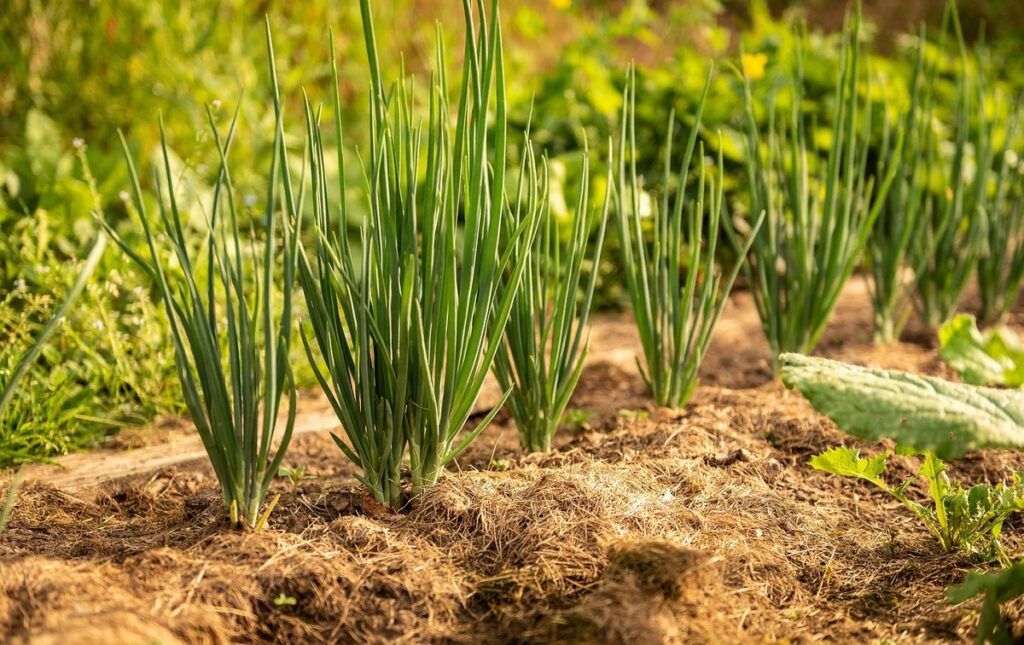
Mulching helps retain moisture in the soil and suppress weeds. Organic mulch like straw or grass clippings works effectively for onion bulbs. Apply a 2-inch layer of mulch around the planting area, keeping it a few inches away from the actual bulb to prevent rotting.
Maintain soil pH between 6.0 and 7.0 for optimal onion growth. If your soil is too acidic or alkaline, amend it with lime or sulfur according to the manufacturer’s instructions.
Selecting and Storing Onion Bulbs
Now that you’ve got your onion bulbs, it’s time to focus on selecting and storing them properly before planting. Choosing the right variety and storage conditions will ensure healthy growth.
Understanding Onion Bulb Types
When it comes to planting onion bulbs, one of the most crucial decisions you’ll make is selecting the right type. Onion bulbs come in various forms, each with its unique characteristics and suitable uses.
You can choose from three main types: sets, seedlings, and hybrid varieties. Sets, also known as ‘onion bulbs,’ are already partially grown onions that have been harvested and dried to prevent further growth. They’re ideal for early spring or fall planting and mature quickly. Sets typically produce one large onion per plant.
Seedlings, on the other hand, are young onions that have been started indoors from seed. They offer more flexibility in terms of sowing times but require more care during transplanting. Seedlings can be used to grow smaller varieties or for succession planting.
Hybrid varieties, such as ‘Redwing’ and ‘Beltsville Bunching,’ are bred specifically for their size, flavor, and storage ability. They’re often preferred by gardeners due to their reliability and consistent performance.
Each type has its pros and cons, but understanding these differences will help you make informed decisions about which onion bulbs best suit your needs and climate.
Proper Storage Techniques
When storing onion bulbs before planting, it’s essential to maintain optimal conditions to preserve their viability. Choose containers that are well-ventilated and allow for airflow around each bulb to prevent moisture buildup and rot. Plastic bags, mesh bags, or paper bags with holes can work well.
Select a cool, dark location for storage, such as a basement or a shaded area in your home. Avoid direct sunlight and temperatures above 60°F (15°C), as this can trigger sprouting and reduce viability. Maintain high humidity levels by storing the containers in an enclosed space.
Check on the bulbs regularly to remove any that show signs of spoilage. This will help prevent the spread of disease and maintain the overall health of the remaining bulbs. Aim to plant them within a few weeks, as prolonged storage can decrease their yield potential. Keep the stored onions away from strong-smelling foods and chemicals to avoid transferring odors or contamination.
Proper storage techniques will ensure that your onion bulbs remain healthy and viable for planting.
Planting Onion Bulbs
When planting onion bulbs, it’s essential to follow a few key steps to ensure they thrive and produce delicious harvests. In this section, we’ll walk you through the process of preparing the soil and setting out your onion bulbs.
Pre-Planting Preparation
Before you start planting onion bulbs, there are several essential steps to take immediately beforehand. Preparing the soil is crucial for a successful harvest. Begin by loosening the soil to a depth of about 8-10 inches, removing any debris or rocks that could interfere with growth. Add a balanced fertilizer according to the manufacturer’s instructions and mix it well into the soil.
Next, inspect your onion bulbs carefully. Choose those that are firm, plump, and have no signs of mold or rot. Discard any bulbs that are soft, shriveled, or show damage. This ensures you’re planting healthy material that will thrive in the coming weeks.
Plan out your planting schedule according to the specific variety’s requirements. Some onion varieties can be planted as early as 4-6 weeks before the last frost date, while others prefer a later start. Check the seed packet or consult with a gardening expert if you’re unsure about the specific needs of your variety. Set aside any tools and materials you’ll need for planting, such as bulbs, gloves, and a garden fork.
Correct Planting Depth and Spacing
Planting onion bulbs at the correct depth and spacing is crucial for their proper growth. Onions need about 1/3 of their neck above the soil to form a good bulb. If you plant them too deep, the neck will rot, and if it’s too shallow, the bulb may become small.
To determine the correct planting depth, look at the onion bulb and identify the top set, where the leaves emerge. Plant the bulb so that the top set is just above the soil surface, about 1-2 inches (2.5-5 cm) below the highest point of the bulb. The ideal spacing for onion bulbs is 4-6 inches (10-15 cm) apart in rows that are 12-18 inches (30-45 cm) apart.
This allows each bulb to receive adequate sunlight and air circulation, preventing fungal diseases that thrive in moist environments. Additionally, proper spacing minimizes competition for resources such as water and nutrients, enabling the bulbs to grow larger and healthier.
Caring for Onion Bulbs
Now that you’ve got your onion bulbs planted, let’s dive into the next crucial step: caring for them to ensure a healthy and abundant harvest. Proper care is key to success.
Watering and Irrigation Techniques
Water is essential for onion bulb development, and proper watering techniques will help you achieve healthy, disease-free plants. Aim to provide about 1 inch of water per week, either through rainfall or irrigation. You can check the soil moisture by inserting your finger into the soil up to the first knuckle.
To determine the optimal watering schedule, consider the climate in your area. In regions with high temperatures and low humidity, onions may require more frequent watering. Conversely, if you live in an area with cool, wet weather, you may need to water less frequently. Be cautious not to overwater, as this can lead to rot and other problems.
Some effective irrigation techniques for onion bulbs include:
* Soaker hoses or drip irrigation systems, which deliver water directly to the roots without wasting it on surrounding soil
* Mulching around plants to retain moisture and reduce evaporation
* Watering in the morning or early afternoon to allow excess water to evaporate before nightfall
Keep in mind that onion bulbs are more susceptible to disease when their foliage is wet. Avoid watering during periods of high humidity or after rain, as this can exacerbate fungal growth.
Managing Pests and Diseases
Onion bulbs are susceptible to various pests and diseases that can significantly impact their growth and yield. Regular monitoring is essential to identify potential issues early on. Some common pests affecting onion bulbs include aphids, thrips, and onion fly larvae. These pests can cause damage by sucking sap, spreading disease, or feeding on the bulb itself.
To prevent infestations, maintain a clean growing environment, remove weeds, and avoid overwatering. For example, keep your soil pH between 6.0 and 7.0 to discourage pest growth. Regularly inspect your plants for signs of pests, such as yellowing leaves or white cottony patches on the stem.
Common diseases affecting onion bulbs include botrytis, downy mildew, and powdery mildew. Symptoms include white mold, yellow discoloration, or a grayish dust coating on leaves. To treat these issues, remove infected plants to prevent further spread, improve air circulation, and apply fungicides according to product instructions.
Monitor your onion bulbs regularly for signs of pests or diseases, and take prompt action when necessary to minimize damage and ensure healthy growth.
Harvesting and Storing Mature Onions
Now that your onions have matured, it’s time to bring them into storage to prolong their freshness and keep them ready for use throughout the year. Proper harvesting and storing techniques will help extend their shelf life.
Timing the Harvest
When harvesting mature onions, timing is everything. You’ll want to wait until the bulbs have reached their full size and maturity. Here are some key signs to look out for:
Check the bulb size: A mature onion will be about 1-2 inches in diameter, depending on the variety. If you’re growing a smaller variety, it may be closer to 1 inch. Gently dig around the plant with your fingers or a fork to avoid damaging the bulb.
Next, inspect the color: The skin of a mature onion should be a deep brown or tan color. Avoid onions that are still green or have a pale yellowish tint.
Finally, give it a sniff test: Mature onions will have a strong, pungent aroma. If they smell more like grass or hay, they’re not ready yet.
It’s also essential to check the flavor profile. A mature onion should be sweet and mild, with no bitter or unpleasant notes. If you’re unsure, try cutting into one of the bulbs; if it’s still green or has a hollow center, it’s not yet ready for harvest.
Proper Storage Methods
When it comes to storing harvested onions, proper methods are crucial to maintaining their quality and extending their shelf life. First and foremost, ensure that the onions you plan to store are dry and free of moisture. Excess water can cause them to rot, so make sure they’re completely air-dried before storage.
For short-term storage, typically lasting 1-3 months, place harvested onions in a cool, dark area with good ventilation. You can use paper bags or mesh bags to keep them fresh. Avoid storing them near potatoes, as the ethylene gas produced by potatoes can cause onions to spoil faster.
If you want to store onions for an extended period, typically 6-9 months, consider using a storage location with controlled temperature and humidity levels. The ideal conditions are between 32°F (0°C) and 40°F (4°C), with relative humidity below 70%. Store the onions in single layers, separated by paper or cardboard to prevent moisture buildup.
Regularly check on your stored onions for signs of spoilage, such as mold, sprouting, or a sour smell. Remove any affected onions promptly to prevent them from spoiling the rest of the batch.
Frequently Asked Questions
What if I’m not sure what type of onion bulb to choose for my climate?
Choose onion bulbs that are suitable for your region’s temperature fluctuations and moisture levels. If you live in a warm climate, opt for varieties like ‘Texas Grano’ or ‘Vidalia’, which are heat-tolerant. For cooler climates, select varieties like ‘Walla Walla’ or ‘Yellow Granex’, which prefer milder temperatures.
How often should I water my onion bulbs during the growing season?
Onion bulbs require consistent moisture, especially when they’re forming bulbs. Water them deeply once or twice a week, depending on weather conditions. Aim for about 1-2 inches of water per week to encourage healthy growth and bulb development. Mulching around the plants can also help retain soil moisture.
Can I plant onion bulbs in containers?
Yes, you can plant onion bulbs in containers if your garden space is limited or you prefer a more controlled growing environment. Choose a container that’s at least 6-8 inches deep to accommodate the onion bulb’s growth. Use a well-draining potting mix and water regularly, as onions in containers may require more frequent watering.
How long does it take for onion bulbs to mature?
The time it takes for onion bulbs to mature depends on the variety, climate, and growing conditions. Generally, it can take anywhere from 90-120 days after planting before onion bulbs are ready for harvest. Factors like weather, soil quality, and pest/disease management can influence this timeline.
What if I notice signs of pests or diseases affecting my onion plants?
Yes. Monitor your onion plants regularly for signs of pests (like aphids, slugs, or nematodes) or diseases (like yellowing leaves, fungal growth, or root rot). Implement integrated pest management techniques like crop rotation, physical barriers, or organic pest control methods to address the issue before it spreads to other parts of the garden.