
Planting onions is an art that requires some finesse, especially when it comes to getting the depth just right. If you’ve ever struggled with weak or stunted onion growth, it might be because they’re not planted at the ideal depth for your specific climate and soil type. The good news is that understanding how deep to plant onions can make all the difference in yielding a bountiful harvest. In this article, we’ll delve into the specifics of planting onions at the right depth, considering factors such as climate, soil quality, and even the variety of onion you’re working with. We’ll explore why proper planting depth is crucial for healthy growth and optimal yields, and provide you with practical tips to ensure your onion crop thrives in any condition.
Understanding Onion Growth Habits
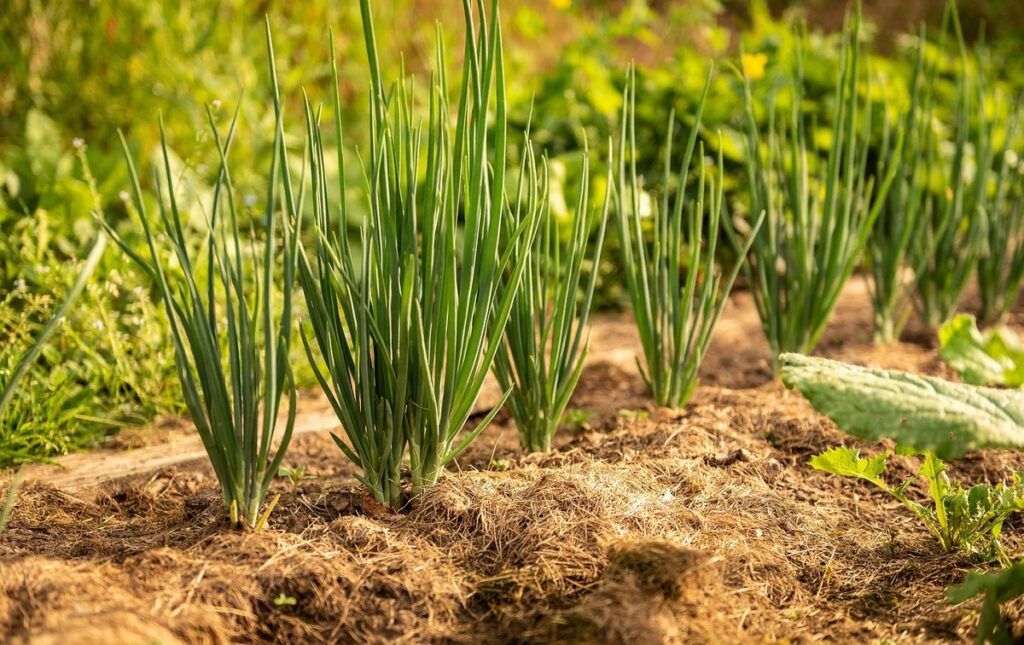
To grow healthy onions, it’s essential to understand how they naturally develop from bulb to seed. Let’s explore the typical growth habits of onions and how that affects planting depth.
Factors Influencing Onion Depth
When it comes to planting onions, understanding the factors that influence ideal depth is crucial for successful growth. Climate plays a significant role in determining the optimal depth of onion planting. In warmer climates with mild winters, onions can be planted 1-2 inches deep. However, in areas with cold winters or frosty conditions, planting them 3-4 inches deep can protect against potential damage.
Soil type is another critical factor to consider when deciding on onion depth. Well-draining soils tend to work better for onions, allowing roots to grow freely without waterlogging. If your soil tends to retain water, planting shallower may prevent rot and other issues. Different onion varieties also impact the ideal depth, with some needing more room to grow than others.
For example, the popular ‘Redwing’ variety prefers a shallower planting depth of 1-2 inches, while ‘Ebenezer’ onions benefit from being planted about 3 inches deep. Researching your specific variety will help you determine its optimal depth requirements for healthy growth and development.
Why Proper Depth Matters
When planting onions, it’s essential to consider the depth at which they’re placed. While it may seem like a minor detail, improper planting depth can have significant consequences for the health and productivity of your onion crop.
If you plant onions too shallowly, their base becomes exposed to the elements, making them more susceptible to disease and pests. This is because the soil doesn’t provide adequate protection against moisture-borne diseases or insects that thrive in the top layer of soil. In contrast, planting onions too deeply can lead to reduced yields, as they may rot before reaching maturity.
A general rule of thumb for onion depth is to plant them at a depth of 1-2 times their height. For example, if you’re planting sets that are about 3 inches tall, aim for a depth of around 6-12 inches. By adhering to this guideline and avoiding extreme depths, you can minimize the risk of disease and promote healthier growth in your onions.
It’s also worth noting that the type of onion variety you’re growing may require specific planting depths. Some varieties, such as shallots or multiplier onions, need to be planted slightly deeper than others. Always consult the seed packet or grower instructions for guidance on optimal depth for your specific variety.
Choosing the Right Onions for Your Garden
When it comes to growing onions, selecting the right variety is crucial, as different types have unique needs and characteristics that will affect your harvest. Understanding these differences can help you choose the perfect onion for your garden.
Selecting Onion Varieties by Depth Requirements
When selecting onion varieties for your garden, it’s essential to consider their depth requirements. Different types of onions have unique growth habits and may require more or less space to mature properly. Here are some popular onion varieties and their recommended planting depths:
Shallow Planting
* Scallions: 1-2 inches deep; perfect for shallow planting, scallions can be harvested in as little as 60 days.
* Welsh Onions: 2-3 inches deep; these hardy onions are great for partial shade and require minimal care.
Medium Planting
* Red Baron: 4-6 inches deep; a popular variety with sweet, red bulbs that mature in about 120 days.
* Yellow Granex: 5-7 inches deep; known for their large, yellow bulbs, these onions take around 140 days to harvest.
Deep Planting
* Vidalia Onions: 8-10 inches deep; these sweet onions require a deeper planting depth and mature in about 180 days.
* Texas Grano: 6-8 inches deep; suitable for warmer climates, these onions thrive with deeper planting depths.
Keep in mind that these are general guidelines. Always check the specific growing instructions for your chosen onion variety to ensure optimal results in your garden.
Considering Companion Planting and Depth
When considering companion planting for onions, it’s essential to note that some plants can either enhance or hinder their growth. For instance, planting garlic near onions can repel pests like aphids and spider mites, promoting healthier onion growth. On the other hand, tall-growing plants like marigolds and nasturtiums can provide shade for onions, potentially reducing bulb size.
To optimize companion planting techniques, depth requirements come into play. When planting with garlic or chives, for example, plant them at a depth of 1-2 inches (2.5-5 cm) to allow their roots to spread out without competing with the onion’s growth. When planting marigolds and nasturtiums as companions, keep them about 6-8 inches (15-20 cm) away from the onions to ensure adequate space for air circulation.
By considering these companion planting methods and adjusting the planting depth accordingly, you can create a harmonious garden ecosystem that fosters optimal onion growth. Keep in mind that some companion plants may require more or less space, so research specific requirements for your chosen companions.
Preparing the Soil for Onions
Before you start planting those onions, it’s essential to prepare the soil properly. In this next step, we’ll cover how to create a fertile foundation for healthy onion growth.
Understanding Soil pH and Its Impact on Onion Growth
Soil pH plays a crucial role in onion growth, and understanding its impact is essential for optimal results. Onions prefer a slightly acidic to neutral soil pH, ranging from 6.0 to 7.0. If the soil is too alkaline or acidic, it can affect root development, bulb formation, and overall plant health.
If your soil test reveals an overly alkaline condition (pH above 7.5), onions may require deeper planting to compensate for the limited water availability in such soils. Typically, you would plant onions about 1-2 inches deeper than usual to ensure they can access enough moisture. On the other hand, if the soil is too acidic (pH below 6.0), onions may grow taller and produce smaller bulbs.
When planning your onion planting depth, consider getting a soil test done before planting. This will give you an accurate reading of your soil’s pH level, allowing you to make informed decisions about planting depth and fertilization needs. Keep in mind that onions are more tolerant of slightly acidic conditions than extremely alkaline ones, so adjustments may be necessary depending on your specific soil type and pH level.
Dealing with Rocky, Sandy, or Clay Soils
When it comes to planting onions in different soil types, you’ll need to adjust your approach to ensure healthy growth. Rocky soils, with their poor drainage and limited aeration, require special attention. To plant onions successfully in these conditions, dig a deeper hole than usual – about 2-3 times the onion’s height. This will give the roots ample space to grow without hitting any hardpan or compacted soil.
In sandy soils, which tend to drain quickly but lack nutrients, you’ll want to mix in some organic matter like compost or well-rotted manure to improve retention and fertility. Clay soils, on the other hand, can be challenging due to their high water-holding capacity. To prevent waterlogged conditions, create a raised bed with good drainage and use a soil conditioner to loosen the clay.
If you’re unsure about your soil type, consider getting it tested before planting. This will give you an idea of its pH level and nutrient content, allowing you to make informed decisions about amendments. For example, if your test reveals low phosphorus levels, add some bone meal or alfalfa meal to promote root growth and overall health.
Planting Onions: Techniques and Depths
When planting onions, understanding the optimal depth is crucial for healthy growth. In this next part of our guide, we’ll explore various techniques and depths to try in your garden.
The Classic “T” Method: A Beginner’s Guide
To plant onions using the classic “T” method, you’ll need to follow these basic steps. Start by digging a hole that’s about twice as wide and just as deep as the onion set itself. Place the onion set at the bottom of the hole, with the pointed end facing upwards.
The T method involves creating a mound around the onion set using soil. Fill in the sides first, leaving only the top third of the bulb exposed. This will give you a visible guide for when to stop filling. Once you’ve reached the desired depth, gently press down on the soil to firm it up.
It’s essential to get the depth right, as this can affect how well your onions grow and mature. A general rule of thumb is to plant onion sets 1-2 inches deep, depending on the variety and climate you’re growing in. In warmer climates, it’s better to err on the side of caution and plant them a bit deeper.
As you fill in the sides, make sure not to compact the soil too much. This can prevent water from reaching the roots and hinder growth.
Advanced Techniques for Improved Yield
When it comes to maximizing onion yields, there are several advanced techniques you can employ to optimize growth while maintaining suitable depths. One effective method is staggered planting, where onions are planted at different intervals along the row. This technique allows for even spacing and reduces competition for resources like water and nutrients.
Another approach is mulching, which involves applying a layer of organic material such as straw or wood chips around the base of the plants. Mulch helps retain moisture, suppress weeds, and regulate soil temperature – all of which are crucial for onion growth. By keeping the soil consistently moist and cool, you’ll encourage healthy bulb formation.
You can also consider using trellises to support your onions as they grow. This is particularly beneficial in areas with high winds or where space is limited. Simply plant the onions around the base of the trellis and allow them to climb up the supports as they mature. By providing structural support, you’ll prevent toppling and promote upright growth.
Monitoring and Adjusting Onions During Growth
As your onions grow, it’s essential to monitor their development closely to ensure they receive the right amount of sunlight, water, and nutrients. Regular checks will help you adjust their care accordingly.
Signs of Incorrect Depth: How to Identify Problems Early
If you notice that your onions are struggling with incorrect depth, it’s essential to identify the problem early on. Some common signs of onions growing at an incorrect depth include stunted growth, yellowing leaves, and bulb rot symptoms.
Stunted growth can manifest as short, weak stems or sparse foliage. This often occurs when onions are planted too deeply, causing them to focus energy on producing roots rather than above-ground growth. On the other hand, if they’re not buried deep enough, onions may put all their resources into developing a strong stem and leaves at the expense of bulb formation.
Yellowing leaves can also be an indication that your onions are suffering from incorrect depth. As the plant tries to adapt to its environment, it may prioritize leaf growth over bulb development, leading to yellow or brittle foliage. Bulb rot symptoms can appear as soft, mushy areas on the onion bulb itself – a clear sign of waterlogged soil or excessive moisture.
To address these issues, inspect your onions regularly for any signs of trouble and adjust their depth accordingly. If you notice stunted growth or yellowing leaves, consider replanting at the correct depth to give your onions the best chance at healthy development.
Adapting Depths for Different Stages of Onion Development
As your onions grow and mature, it’s essential to adjust their planting depth to ensure optimal growth. This may seem counterintuitive, but deeper roots will help the onion plant withstand wind and drought better. For seedlings that are about 1-2 inches tall, you can gradually increase the planting depth by another inch or two over the course of a week or two.
For sets (small bulbs), which typically produce larger onions than seeds, start with a shallower depth of around 1/4 to 1/2 inch. As the sets grow and begin to form their bulbs, you can gradually increase the depth to about 1-2 inches. This allows for better root development without compromising the bulb’s size.
For larger or more mature onions, you may need to dig them up and replant at a slightly deeper depth to prevent the neck of the onion from becoming exposed above ground. Remember that over-deep planting can cause the bulb to become too large, making it difficult to store.
Common Mistakes to Avoid When Planting Onions
When planting onions, many gardeners unknowingly make mistakes that can impact their yields and overall health of the plants. Let’s explore some common errors to steer clear of for a thriving onion crop.
Misjudging Soil Conditions: A Hidden Pitfall in Depth Planning
Accurately assessing soil conditions is crucial when determining onion planting depth. Misjudging these conditions can lead to reduced yields, poor bulb formation, and increased susceptibility to pests and diseases.
Soil type, moisture levels, and temperature all impact onion growth. For example, onions grown in heavy clay soils may require shallower planting depths due to the risk of waterlogged bulbs, while sandy soils may necessitate slightly deeper planting to ensure adequate moisture retention.
To correct common mistakes related to soil conditions, assess your soil’s pH level, structure, and nutrient content before planting. Test kits or consult a local nursery for guidance on amending your soil if necessary. Additionally, monitor weather patterns and adjust planting depths accordingly – onions planted too deeply in waterlogged soils are more likely to rot.
Take note of your region’s typical frost dates and plant onions at the correct time to avoid exposing them to extreme temperatures. With proper soil assessment and planning, you’ll be well on your way to a successful onion harvest.
Over- or Underwatering Issues Related to Depth
When planting onions at an incorrect depth, it’s not uncommon for over- or underwatering issues to arise. If the soil is too shallow, it can dry out rapidly, leading to a lack of moisture for the developing bulb. On the other hand, if the soil is too deep, water may collect in the planting area, causing roots to rot and increasing the risk of disease.
One common issue related to depth is poor drainage. When onions are planted too deeply, it can be challenging for excess water to escape, leading to an accumulation of moisture in the soil. This can cause root rot and negatively impact yields. To improve irrigation management when planting at a shallower depth, consider installing a drip irrigation system or soaker hose, which deliver water directly to the roots while minimizing runoff.
It’s also essential to ensure that the soil is well-draining before planting onions. Add organic matter like compost or well-rotted manure to the soil to improve its structure and promote healthy drainage. This will help prevent waterlogging issues and allow your onions to grow robustly.
Conclusion: Mastering Onion Planting Depths
Now that you’ve learned how to select the perfect onions and prepare your soil, it’s time to master one of the most critical aspects of onion planting: getting the depth just right. Let’s summarize what we’ve covered so far about planting depths.
Recap of Key Takeaways
To successfully plant onions, it’s essential to consider several key factors that can make all the difference in their growth and yield. As we’ve explored throughout this comprehensive guide, one of the most critical considerations is planting depth.
When planting onions, the general rule of thumb is to plant them at a depth that’s 2-3 times the height of the individual onion set or seedling. This allows for proper establishment of the bulb and promotes healthy root development. However, it’s crucial to note that the ideal planting depth can vary depending on factors like soil type, climate, and personal preference.
For example, in well-draining soils with a pH between 6.0-7.0, onions can be planted at a slightly deeper depth of 4-5 inches. In contrast, in heavier clay or rocky soils, it’s best to plant them shallower, around 2-3 inches deep.
Another important consideration is the spacing between onion plants. To prevent overcrowding and promote even growth, aim for a spacing of around 6-8 inches between each plant. This will also make it easier to maintain soil quality, reduce the risk of disease, and allow for proper air circulation.
Finally, don’t forget that onions are typically ready for harvest after about 100-120 days from planting, depending on the variety. Regular monitoring of your onion crop’s growth will help you determine when they’re at their optimal size and flavor profile.
By considering these key factors – including planting depth, soil type, climate, spacing, and harvesting timing – you’ll be well on your way to mastering the art of successful onion cultivation.
Frequently Asked Questions
Can I use the same depth for all types of onions, or do different varieties require unique planting depths?
Onions come in various shapes and sizes, which can affect their growth habits. Some popular onion varieties like ‘Redwing’ and ‘Texas Grano’ prefer shallower planting (2-3 inches deep), while others like ‘Beltsville Bunching’ and ‘Walla Walla’ require deeper planting (4-5 inches deep). Research your specific variety’s requirements to ensure optimal growth.
What happens if I notice my onions are not growing as expected, but the depth seems right – what could be causing the issue?
Even with proper planting depth, other factors can impact onion growth. Overwatering or underwatering can cause weak or stunted growth, while pests like aphids and nematodes can also affect yields. Regularly inspect your onions for signs of stress, disease, or pests, and adjust your care accordingly.
How do I adapt my planting depth for different stages of onion development, such as when bulbs start to form?
As onions mature, their bulb size increases, requiring more space below the surface. Start by planting at a standard depth (2-3 inches), then gradually decrease the planting depth as the bulb grows and becomes larger. This will prevent damage from overcrowding and promote healthy growth.
Are there any specific companion plants that can help improve onion yields based on their planting depths?
Some vegetables, such as garlic and chives, are natural companions for onions and can enhance growth when planted together. However, they require different planting depths – garlic prefers 1-2 inches deep, while chives need 4-5 inches of depth. Balance companion planting with your onion variety’s specific needs.
Can I plant onions in containers or raised beds if I have limited space for traditional garden beds?
Yes! Onions grow well in containers and raised beds, provided you provide adequate drainage and ensure the soil pH is suitable (6.0-7.0). In these situations, maintain a shallower planting depth (2-3 inches), as container-grown onions may require more frequent watering due to warmer microclimates.