
Starting a raised bed garden can be a game-changer for any green-thumbed enthusiast or beginner gardener looking to bring some life and beauty to their outdoor space. Not only do raised beds offer better drainage, improved accessibility, and increased yields compared to traditional in-ground gardening methods, but they also provide a fantastic way to get started with gardening without breaking the bank or committing to a large plot of land.
Whether you’re a seasoned gardener looking to expand your growing capabilities or a newcomer eager to dip their toes into the world of gardening, planning and building the perfect raised bed garden requires careful consideration of several key factors. In this comprehensive guide, we’ll walk you through the essential steps involved in planning, building, and maintaining your dream raised bed garden, covering everything from location selection and material choices to soil preparation and more!
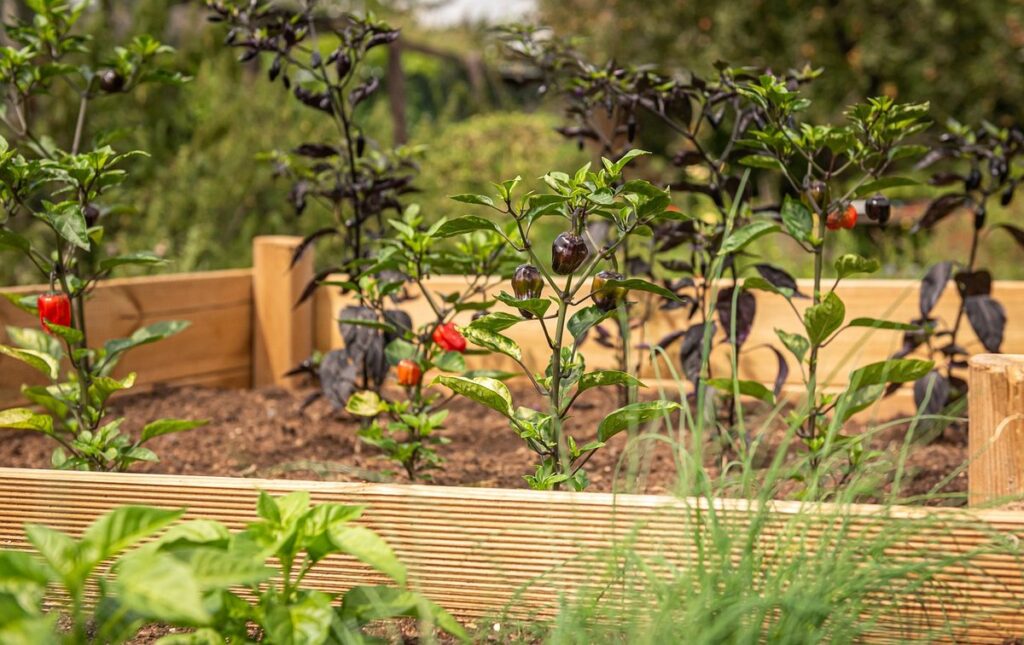
Planning Your Raised Bed Garden
Before you start building, take some time to plan out your raised bed garden, considering factors such as space, sunlight, and soil quality. This will ensure a thriving harvest from day one.
Choosing the Perfect Location
When selecting a location for your raised bed garden, several factors come into play. First and foremost, consider sunlight. Most vegetables need at least six hours of direct sunlight per day to thrive. If your yard receives partial shade, you can still grow leafy greens like lettuce or kale, but other vegetables might not do as well.
Drainage is another crucial aspect to think about. Raised beds sit above the ground, which means water can collect in the bed and lead to root rot. Choose a spot that slopes slightly away from your home’s foundation to prevent water accumulation. You’ll also want to ensure good air circulation around your raised bed to promote healthy plant growth.
Accessibility is another factor to consider when selecting a location for your raised bed garden. Ideally, you should be able to easily reach all sides of the bed without straining or bending. This will make maintenance tasks like watering and weeding much simpler.
Determining the Size of Your Garden
When it comes to determining the optimal size for your raised bed garden, there are several factors to consider. First and foremost, take stock of the available space you have for your garden. Measure out the area where you plan to put your raised beds to get an idea of how much room you have to work with.
Consider not only the physical space but also your desired output. A small raised bed can still produce a significant amount of fruit and vegetables, so it’s essential to think about what you want to grow and how much space those plants will require. For example, tomatoes and peppers are typically more space-intensive than leafy greens like lettuce or kale.
In addition to space constraints and desired output, personal preference also plays a role in determining the size of your raised bed garden. Do you have a large family that consumes a lot of fresh produce? Or do you prefer to grow a variety of different plants for personal enjoyment? Thinking about your needs and preferences will help you choose a raised bed size that works best for you.
A good rule of thumb is to start with at least 4×4 feet, but this can vary depending on the specific needs of your garden. Consider consulting with local gardening experts or online resources for more tailored advice.
Selecting the Right Materials
When selecting materials for your raised bed garden, you’ll want to consider factors like durability, maintenance, and cost. Wood is a popular choice, but it requires regular staining or sealing to protect against rot and insects. Cedar wood is a good option as it’s naturally resistant to decay, but it can be pricey.
Composite materials are another alternative, made from a mix of plastic and wood fibers. They’re low-maintenance and resistant to pests, but may not breathe as well as natural materials. Recycled plastic lumber is also an eco-friendly option, made from post-consumer plastic waste. It’s durable and requires no maintenance, but can be brittle in extreme temperatures.
Consider the climate and weather conditions in your area when choosing a material. For example, if you live in a wet region, you may want to opt for a material that’s resistant to moisture damage. Think about the aesthetic appeal of your garden as well – wooden beds can add warmth and character, while composite or plastic materials provide a sleeker look.
Ultimately, weigh the pros and cons of each material and choose one that suits your budget, lifestyle, and gardening goals.
Building Your Raised Bed Garden
When it comes to constructing a raised bed garden, there are several key steps to consider, including material selection and structural integrity. Let’s walk through the process together.
Preparing the Site
Before you start building your raised bed garden, it’s essential to prepare the site where it will sit. This involves clearing the area of any debris, leveling the ground to ensure even drainage, and installing a foundation if necessary.
Clearing the area means removing any weeds, rocks, or other obstructions that could interfere with your garden’s growth. Start by surveying the land, looking for any areas with poor drainage or where water may collect. You can use a rake to loosen and remove weeds, and a shovel to dig out any rocks or debris.
Next, level the ground using a spirit level and a rake. This will ensure that your raised bed sits evenly on the surrounding soil and won’t be prone to waterlogging. If you have uneven terrain, consider installing a foundation of compacted gravel or sand to provide a stable base for your garden.
Keep in mind that some sites may require more extensive preparation, such as installing a drainage system or removing existing vegetation. Always research local regulations and take into account the specific needs of your climate and soil type when preparing your site.
Constructing the Frame
When it comes to constructing the frame of your raised bed garden, you have several options for materials and techniques. Cedar wood is a popular choice due to its natural resistance to rot and insect damage. However, other options such as pressure-treated pine or recycled plastic lumber are also viable alternatives.
To build the frame, start by determining the size of your raised bed based on the space available and the type of plants you plan to grow. You’ll need to calculate the square footage and then decide on the width and depth of each section. Next, gather your materials and tools, including a saw, drill, and hammer.
Begin by assembling the corners using screws or nails, making sure to predrill holes for easier assembly. If using wood, consider adding a waterproof sealant around the edges to prevent water from seeping in. For recycled plastic lumber, follow the manufacturer’s instructions for attaching the pieces together. With your frame complete, you can start thinking about the next steps: lining and filling your raised bed with soil.
Adding a Bottom Layer or Liner
When building your raised bed garden, one decision you’ll need to make is whether to add a bottom layer or liner. This can be a crucial component for maintaining healthy soil and preventing pests from infiltrating the bed.
Adding a bottom layer or liner serves several purposes. First and foremost, it helps with drainage by allowing excess water to flow through and out of the bed, reducing the risk of waterlogged soil that can lead to root rot and other problems. This is especially important if you’re building your raised bed on a slope or in an area prone to heavy rainfall.
A liner also provides weed control by preventing weeds from growing up into the bed from below. This can be particularly beneficial for gardeners who struggle with invasive weeds like English ivy or creeping thistle. However, some gardeners may find that a liner restricts soil oxygenation and affects the bed’s overall ecosystem. Before making a decision, consider your specific climate, soil type, and gardening needs to determine whether an added layer is right for you.
It’s worth noting that not all liners are created equal. Options include landscaping fabric, plastic sheeting, or even old cardboard boxes – each with its own pros and cons.
Soil Preparation and Plant Selection
Before you start planting, it’s essential to prepare your soil for optimal growth, which involves testing its pH levels and adding necessary nutrients. This step will determine the health of your entire garden.
Understanding Your Soil Type
Understanding the type of soil you have is crucial for creating a thriving raised bed garden. Soil types are classified into four main categories: clay, silt, sand, and loam. Each category has distinct characteristics that affect how well plants grow in it.
To determine your soil type, start by conducting a simple test: squeeze a handful of moist soil in your hand. If it forms a tight ball that holds its shape, you likely have clay soil. Clay soils are dense and retain moisture well but can be challenging for roots to penetrate. On the other hand, if the soil crumbles easily when you release it, you might have sandy or silty soil. Sandy soils drain quickly and dry out fast, while silt soils are prone to washing away.
A more reliable method is to perform a texture test: mix 1 part of your soil with 1 part water in a bucket. Observe how long it takes for the mixture to settle. Clay soils take the longest time, around 30 minutes or more, followed by silts (20-30 minutes), loams (15-20 minutes), and sands (less than 10 minutes). By knowing your soil type, you can make informed decisions about amendments and adjustments necessary for optimal plant growth in your raised bed garden.
Preparing Your Soil
Preparing your soil is one of the most crucial steps in starting a successful raised bed garden. It’s essential to test the pH levels of your soil to determine its acidity or alkalinity. A pH level between 6.0 and 7.0 is ideal for most vegetables, while citrus and berries prefer a slightly acidic environment. You can purchase a DIY soil testing kit or send a sample to a lab for analysis.
If your soil test reveals nutrient deficiencies or lacks organic matter, it’s time to amend the soil. Add compost or well-rotted manure to improve its structure and fertility. Mix in 2-4 inches of composted material to create a rich and fertile growing medium. You can also use peat moss or coconut coir to adjust the pH levels.
When adjusting nutrient content, consider adding fertilizer specifically designed for raised beds. Use organic fertilizers like fish emulsion or bone meal to promote healthy plant growth. Avoid over-fertilizing, as this can lead to an overabundance of nutrients that may burn your plants’ roots.
As a general rule of thumb, mix in about 10-20% of composted material into the top 6-8 inches of soil. This will create a nutrient-rich environment for your plants to thrive in.
Choosing Companion Plants and Vegetables
When it comes to choosing companion plants and vegetables for your raised bed garden, there are several factors to consider. Companion planting involves pairing plants that benefit each other’s growth, health, and productivity. For example, planting marigolds with tomatoes can deter nematodes and improve soil health. Basil and mint also complement each other well, as the fragrance of basil repels pests that target mint.
When selecting vegetables for your raised bed garden, consider varieties that thrive in containers or have compact growth habits. Cherry tomatoes, leafy greens like lettuce and kale, and herbs such as cilantro and parsley are all excellent choices for small spaces. Avoid planting deep-rooted vegetables like carrots and beets, which can compete with nearby plants for water and nutrients.
To create a balanced raised bed garden, aim to include a mix of plants that provide structure (e.g., tomatoes), fillers (e.g., lettuce), and spacers (e.g., marigolds). By selecting companion plants and vegetables thoughtfully, you’ll create a thriving ecosystem that minimizes competition and maximizes growth.
Planting and Maintenance
To ensure a thriving raised bed garden, it’s essential to plant and maintain your beds properly. This includes selecting the right plants for your climate and giving them the care they need to flourish.
Planting Techniques and Spacing
When planting your raised bed garden, it’s essential to get it right from the start. This includes not only choosing the right plants but also understanding the optimal depth and spacing techniques for each variety.
For most vegetables, seeds should be planted at a depth of 2-3 times their thickness, depending on the specific crop. For example, tomato seeds are typically sown about ¼ inch deep, while carrot seeds can go as deep as 1/8 inch. Make sure to check the seed packet or consult with a gardening expert for specific guidelines.
Spacing is equally important. Overcrowding can lead to reduced growth, increased disease susceptibility, and decreased yields. A general rule of thumb is to leave about 2-3 inches between each plant, depending on its mature size. For example, you should space tomato plants at least 18-24 inches apart, while herbs like basil can be planted as close as 6-12 inches.
By getting the depth and spacing right, you’ll create a healthy environment for your raised bed garden to thrive.
Watering and Irrigation Strategies
When it comes to watering and irrigation strategies for raised bed gardens, there are several effective methods to consider. Drip irrigation is a popular choice as it delivers water directly to the roots of the plants, reducing evaporation and runoff. This method is particularly useful for raised beds, which can dry out quickly due to their shallow depth.
Another option is soaker hoses, which release water slowly along their length, providing a steady supply of moisture to the soil. These hoses are easy to install and can be placed under mulch or around plants, making them ideal for raised bed gardens with limited space.
When selecting an irrigation method, consider factors such as climate, soil type, and plant water requirements. For example, if you live in a hot and dry region, drip irrigation may be the best choice due to its efficient water delivery system. Similarly, if your plants require a lot of water, soaker hoses or a combination of both methods can provide the necessary moisture.
To get started with drip irrigation, begin by installing a drip irrigation kit that includes tubes, emitters, and a timer. Then, lay out the tubes according to your plant layout, ensuring that each emitter is positioned near its corresponding plant. Adjust the flow rate as needed based on soil type and climate conditions. With soaker hoses, simply place them under mulch or around plants, adjusting their position as necessary to ensure even water distribution.
It’s also essential to install a rain sensor or timer to automate your irrigation system, saving you time and ensuring that your plants receive the right amount of water.
Pest Control and Disease Prevention
When it comes to maintaining a thriving raised bed garden, managing pests and diseases is crucial. Integrated Pest Management (IPM) techniques offer a holistic approach to preventing problems before they arise. Start by understanding the common pests and diseases that affect raised beds in your region.
Some common culprits include aphids, slugs, and powdery mildew. To prevent infestations, practice good garden hygiene: remove weeds, debris, and infected plants to reduce the risk of disease spread. Crop rotation can also help break pest cycles.
For organic control methods, consider introducing beneficial insects like ladybugs or lacewings, which prey on pests. Use neem oil, a natural insecticide that disrupts insect growth, to manage outbreaks. Water management is key: avoid overwatering, which creates an ideal environment for fungal diseases.
To prevent powdery mildew and other fungal diseases, ensure good air circulation around your plants by leaving enough space between them. Regularly inspect your garden for signs of trouble and take action promptly to minimize damage. By adopting these IPM techniques and organic control methods, you’ll create a balanced ecosystem that fosters healthy plant growth and reduces the need for chemical interventions.
Troubleshooting Common Issues
Don’t let a few unexpected problems ruin your raised bed garden. We’ll walk you through common issues and provide solutions to get your garden back on track.
Identifying and Addressing Pests
As you tend to your raised bed garden, you may encounter common pests that can damage your crops. Identifying these pests early on is crucial for effective control measures. Keep an eye out for signs of infestation such as holes in leaves, white powdery coatings, or actual insects like aphids, slugs, and snails.
To identify the pest, observe its behavior, size, color, and any distinctive features. For instance, caterpillars tend to feed on leaves at night, while aphids cluster on stems and leaves during the day. If you’re unsure, consult a gardening book or online resources for visual identification guides.
Physical barriers can prevent pests from reaching your plants. Use fine mesh row covers to keep insects out, or copper tape around plant stems to deter slugs and snails. Biological controls involve introducing beneficial organisms that prey on pests. For example, ladybugs feed on aphids, while lacewings consume caterpillars. Encourage these natural predators by planting companion plants like marigolds and basil that repel pests. By taking proactive measures, you can minimize pest damage and maintain a healthy raised bed garden.
Managing Soil Erosion and Drainage Problems
When it comes to raised bed gardens, soil erosion and drainage issues can be a major problem if not addressed properly. Soil erosion occurs when topsoil is washed away, leaving the garden vulnerable to nutrient depletion and structural damage. Drainage problems, on the other hand, can lead to waterlogged soil, root rot, and an increased risk of pests and diseases.
To prevent these issues, consider installing a French drain system. This involves digging a trench and placing a perforated pipe in it, which allows excess water to flow away from the garden. You can also use geotextiles, a type of fabric that filters out debris while allowing water to pass through. Another option is to incorporate organic matter into your soil, such as compost or well-rotted manure, which improves its structure and reduces erosion.
When selecting materials for your drainage system, look for ones that are specifically designed for use in raised beds. Some examples include plastic grids and landscaping fabric. By taking these steps, you can create a stable and healthy environment for your plants to thrive in.
Conclusion and Tips for Success
As you’ve completed your raised bed garden project, take pride in knowing that you’ve created a thriving oasis in your backyard. To ensure its continued success, remember to regularly inspect the beds for any signs of wear or damage. Mulch around plants to retain moisture and suppress weeds, and maintain a consistent watering schedule to keep the soil consistently moist but not waterlogged.
With proper care and attention, your raised bed garden will provide you with an abundance of fresh produce throughout the growing season. Monitor the temperature and adjust your planting schedule accordingly to optimize yields. Don’t be afraid to experiment with new varieties or companion planting techniques to keep things interesting and maintain a diverse harvest.
Frequently Asked Questions
What if I have limited space, can I still start a raised bed garden?
You don’t need a large yard to enjoy the benefits of raised bed gardening. Even small spaces like balconies or patios can accommodate a compact raised bed design. Consider vertical gardening options, such as trellises or wall-mounted planters, to maximize your space.
How do I ensure my raised bed garden receives adequate drainage?
To prevent waterlogged soil and root rot, make sure to slope the bottom of your raised bed at least 1-2 inches per foot. You can also line the inside with a porous material like landscape fabric or a perforated plastic liner for improved drainage.
Can I use recycled materials for my raised bed frame?
Yes! Repurposed wood, old pallets, and other reclaimed materials are perfect for building eco-friendly raised beds. Just ensure that any reused lumber is treated-free and in good condition to prevent chemical contamination.
How often should I water my raised bed garden during hot weather?
Raised beds dry out faster than traditional gardens due to better drainage, so be sure to check the soil moisture daily. Water your plants deeply but infrequently to encourage deep root growth and drought resistance. Aim for about 1-2 inches of water per week.
What if I notice pests or diseases affecting my raised bed garden?
Identify the issue promptly and take action with organic pest control methods whenever possible, such as introducing beneficial insects or using neem oil. For diseases, remove affected plants to prevent spread and improve air circulation around remaining plants.