
Onions are a staple ingredient in many kitchens around the world, but few people know that they can be grown at home with ease. Whether you’re a seasoned gardener or just starting out, learning how to plant onions from bulbs is a great place to begin. Not only will it save you money on grocery bills, but there’s also something special about biting into a crunchy, juicy onion that’s been nurtured in your own backyard.
To get started, you’ll need to choose the right variety of onion for your climate and desired harvest period. We’ll cover this important step, as well as how to prepare your soil for optimal growth. From there, we’ll walk you through the process of planting and caring for your onion crop, ensuring a bountiful harvest that will last throughout the year. With our comprehensive guide, you’ll be well on your way to growing delicious homegrown onions in no time!
Choosing the Right Onion Variety
When planting onions from bulbs, selecting the right variety is crucial for success. Consider factors like climate, soil type, and desired harvest time when making your selection.
Understanding Onion Types
When it comes to planting onions from bulbs, one of the most important decisions you’ll make is which type of onion to choose. With so many varieties available, it can be overwhelming to decide on the right one for your garden. Let’s break down the main types of onions and their characteristics to help you make an informed decision.
Storage onions are a popular choice among gardeners because they’re easy to grow and store well into the winter months. They have a strong flavor and can tolerate cooler temperatures, making them ideal for areas with short growing seasons. Some popular varieties include ‘Texas Grano’ and ‘Ebenezer’.
Sweet onions, on the other hand, are known for their mild flavor and high water content. They’re perfect for salads and cooking, but may not store as well as storage onions. Varieties like ‘Vidalia’ and ‘Maui’ are popular among chefs.
Shallots are a type of onion that’s often confused with garlic, but they’re actually a distinct variety. They have a milder flavor than regular onions and can be used in a variety of dishes. If you live in an area with mild winters, shallots may be a great choice for your garden.
When selecting a variety, consider your climate and growing conditions. If you have a short growing season or cool winters, storage onions are a good bet. In warmer climates, sweet onions may be the way to go. And if you want a milder flavor, shallots are worth considering.
Selecting Healthy Bulbs
When selecting healthy onion bulbs for planting, it’s essential to choose ones with good eyes and firm, compact growth. This will ensure that your onions grow well and produce a high-quality harvest. To identify healthy eyes, look for small buds at the top of the bulb that are plump and firm to the touch. Avoid bulbs with soft or mushy eyes, as this can indicate damage or disease.
When selecting bulbs, also check their overall shape and size. Opt for ones that are firm and compact, without any signs of sprouting or decay. Make sure they are free from cracks and breaks, which can provide entry points for pests and diseases.
To store onion bulbs before planting, keep them in a cool, dry place away from direct sunlight. You can also store them in the refrigerator to slow down their growth. Before storing, trim the tops of the bulbs about an inch above the neck to prevent moisture from accumulating and causing rot. Store the bulbs with the pointed end facing downwards to prevent water from collecting at the base. This will help keep your onions fresh until planting time.
Preparing the Soil and Climate
Before planting your onion bulbs, let’s take a closer look at preparing the soil and climate to give them the best chance of success. This is crucial for healthy growth and abundant harvests.
Understanding Onion Growing Conditions
To successfully grow onions from bulbs, you need to provide them with an ideal climate and soil environment. Onions thrive in full sun, so choose a location that receives at least 6 hours of direct sunlight per day. They also prefer well-drained soil with a pH between 6.0 and 7.0.
When it comes to temperature, onions are sensitive to extreme heat and cold. They grow best in temperatures ranging from 60°F to 80°F (15°C to 27°C). In areas with frost, plant onion bulbs as soon as the soil can be worked in spring, about 4-6 weeks before the last frost date.
Proper moisture is also crucial for onion growth. Onions require consistent moisture, especially during the first few weeks after planting. Water them deeply once or twice a week, depending on weather conditions. If your soil is heavy clay or prone to waterlogging, amend it with organic matter like compost or well-rotted manure to improve drainage.
If you’re unsure about your soil’s suitability for onions, consider getting a soil test done. Based on the results, adjust your soil pH and nutrient levels accordingly. This will ensure that your onion bulbs receive all the necessary nutrients to produce healthy growth.
Creating a Suitable Planting Bed
Creating a suitable planting bed is crucial for onion bulbs to grow well. Onions are heavy feeders and require a rich soil environment to produce a bountiful harvest. To create an ideal bed, start by selecting a location that receives full sun, as onions need at least 6 hours of direct sunlight per day.
You can either use containers or create a raised bed specifically for onions. Raised beds allow better drainage, which is essential for onion growth, and also improve soil warmth. If using containers, make sure they are at least 6-8 inches deep to accommodate the onion roots.
Add a layer of compost or fertilizer to the bed to enrich the soil. A mix of well-rotted manure and peat moss works well for onions. Avoid over-fertilizing, as this can lead to weak and less flavorful bulbs.
Before planting, ensure the soil is loose and well-draining by mixing in some perlite or vermiculite. This will also help prevent root rot, a common issue with onion cultivation. By following these steps, you’ll create an optimal environment for your onions to grow and thrive.
Planting Onions from Bulbs
Now that we’ve covered preparing and selecting onion bulbs, it’s time to move on to planting them successfully. Let’s dive into the step-by-step process of growing onions from bulbs.
Planting Depth and Spacing
When planting onion bulbs, it’s crucial to get the depth and spacing right. If you’re new to growing onions from sets, this might seem like a daunting task, but don’t worry – with practice, you’ll become an expert in no time.
To determine the correct depth for your onion bulbs, start by digging a hole about 1-2 inches deep. This will give the bulb room to breathe and allow the green shoots to grow upwards without being cramped. A general rule of thumb is to plant the bulb with its base (the white part) sitting at soil level. However, if you’re planting in an area with poor drainage or heavy clay soils, it’s best to plant the bulbs a little deeper – about 1-2 inches below the surface.
As for spacing, aim to plant onion bulbs about 4-6 inches apart, depending on the variety and your desired harvest size. Overcrowding can lead to disease and pests taking hold of your crop, so make sure to leave enough space between each bulb for proper air circulation. Remember, it’s always better to err on the side of caution – if you’re unsure about spacing or depth, start with a smaller batch and observe how they grow before planting larger quantities.
Planting Techniques
When planting onions from bulbs, you’ll want to consider different techniques to ensure optimal growth and minimize the risk of disease. One common method is to invert the bulb, which means placing it with the roots facing downwards and the top of the bulb facing upwards. This technique allows for even water distribution and promotes healthy root development.
Alternatively, you can leave the top of the bulb exposed, which can be beneficial in warmer climates where moisture levels are high. In this case, the onion will focus its energy on developing a strong base rather than producing foliage. If you’re planting in a cooler climate, it’s often best to leave about an inch of the top of the bulb exposed to allow for better air circulation and prevent rot.
It’s also essential to consider the depth at which you plant your onions. Typically, you should bury them so that only the base of the bulb is covered, with the neck (where the top meets the roots) above ground level. This will help the onion grow a strong, healthy stem.
Caring for Your Onion Crop
Once you’ve planted and nurtured your onion crop, it’s essential to provide proper care to ensure healthy growth and a bountiful harvest. This section will cover tips on watering, fertilizing, and pest management for thriving onions.
Watering and Irrigation
When it comes to watering and irrigation for your onion crop, it’s essential to get it right from the start. Onions require about 1 inch of water per week, either from rain or irrigation. To determine if your onions need more frequent watering, check the soil moisture by inserting your finger into the ground up to the knuckle. If the soil feels dry, it’s time to water.
Water your onion crop deeply but infrequently to encourage deep root growth. Aim for 6-8 inches of water per week during the first few months after planting. Avoid getting water on the leaves or bulbs to prevent rot and fungal diseases. Instead, water at the base of the plants, allowing excess moisture to evaporate quickly.
A drip irrigation system is an excellent choice for onion crops, as it delivers water directly to the roots while minimizing waste and runoff. If you prefer a more traditional approach, use soaker hoses or sprinklers that deliver water slowly and evenly. Avoid overhead watering, which can lead to disease and pest issues.
Fertilizing and Mulching
As your onion crop grows, it’s essential to provide them with the necessary nutrients to thrive. Fertilizing and mulching are two critical steps that can make a significant difference in their health and productivity.
To fertilize your onions, you’ll want to use a balanced fertilizer that contains nitrogen, phosphorus, and potassium (NPK). A general-purpose fertilizer with an NPK ratio of 10-10-10 is suitable for most onion varieties. Apply the fertilizer once a month, following the manufacturer’s instructions. You can also use compost or well-rotted manure as a natural alternative.
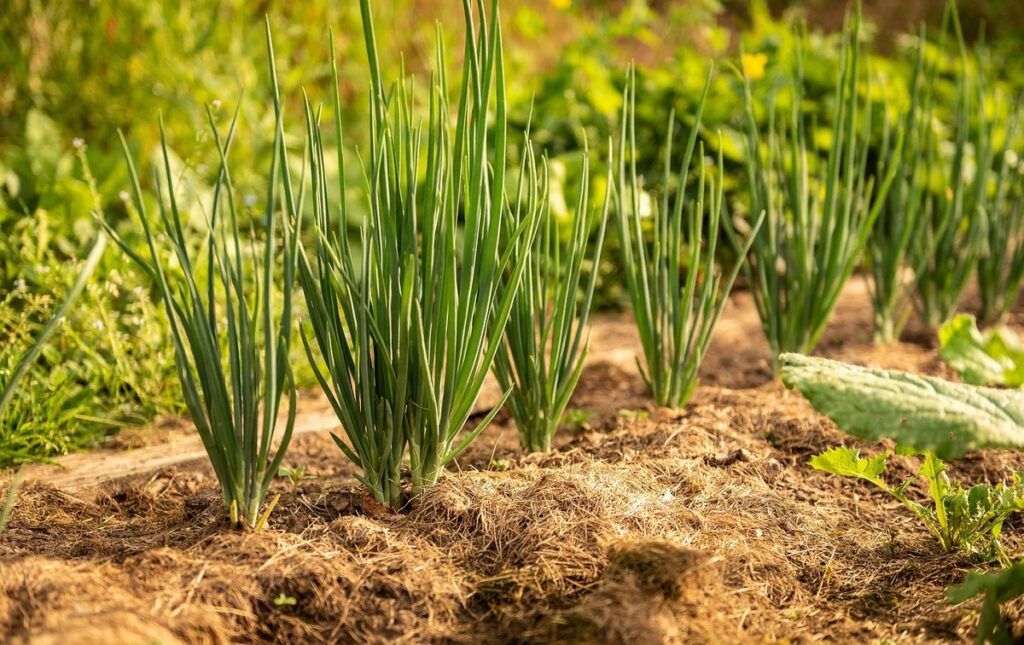
Creating a layer of mulch around your onions helps retain moisture in the soil and suppresses weeds that could compete with your crop. Use organic materials like straw, wood chips, or grass clippings to create a 2-3 inch thick layer around your onion plants. This will also help regulate soil temperature and prevent erosion.
Remember to keep the mulch layer a few inches away from the base of the onions to prevent rot and other problems. With regular fertilizing and mulching, you’ll be on your way to growing a healthy and bountiful onion crop!
Common Problems and Solutions
Some common challenges you may encounter when planting onions from bulbs, and how to troubleshoot them effectively, are outlined below. Read on for troubleshooting tips and solutions.
Pests and Diseases
Onions are susceptible to various pests and diseases that can significantly impact their growth and yield. One of the most common issues is aphid infestation, which can spread quickly through the plant’s vascular system if left unchecked. To prevent this, keep an eye out for small, soft-bodied insects on your onion plants’ leaves and stems. If you notice any, use neem oil or insecticidal soap to control the population.
Another issue onions face is nematode infestation, microscopic worms that feed on plant roots, stunting their growth. To prevent nematodes, ensure good soil sanitation by rotating crops and avoiding overwatering. If your onion plants are already affected, apply a nematocide treatment to mitigate damage.
Fungal infections like downy mildew and rust can also affect onions, often brought about by excessive moisture or poor air circulation. Monitor for yellowing leaves, powdery patches, or white cottony growth on the stems. To prevent fungal infections, provide your onion plants with sufficient space between each other and avoid overhead watering.
Regularly inspect your onion plants to catch any issues early. By staying vigilant and taking preventive measures, you can minimize the impact of pests and diseases on your crop.
Other Growing Challenges
Growing onions can be a rewarding experience, but it’s not without its challenges. Beyond the initial steps of planting and caring for your onion bulbs, there are several other growing issues that may arise.
Excessive heat is one such challenge. Onions grown in areas with intense sunlight or high temperatures may begin to bolt, causing them to flower prematurely and reducing their flavor and nutritional value. To mitigate this, provide your onions with partial shade during the hottest part of the day by using a trellis or other shading structure.
Poor soil quality can also hinder onion growth. Onions prefer well-draining, rich soil that’s high in organic matter. If your soil lacks these characteristics, consider amending it with compost or fertilizer to improve its fertility and drainage properties.
Inadequate sunlight is another potential issue, particularly for those growing onions indoors. Most onion varieties require at least 6 hours of direct sunlight per day to grow successfully. If you’re unable to provide this amount of light, consider using grow lights to supplement your onions’ needs.
Harvesting and Storing Onions
Now that you’ve successfully grown your onions from bulbs, it’s time to harvest them at their peak freshness. Learn how to carefully dig up and store your mature onions for a longer shelf life.
Timing and Techniques
When harvesting onions, timing is everything. The best time to harvest depends on the variety of onion you’re growing. For example, if you’re growing a spring onion, it’s typically ready to harvest 8-10 weeks after sowing. On the other hand, summer onion varieties take around 12-14 weeks to mature.
To determine if your onions are ready, gently dig around the base of the plant with a fork to avoid damaging the bulbs. If the neck of the bulb is about an inch in diameter and the tops have started to yellow and fall over, it’s time to harvest. Use a garden fork to carefully loosen the soil around the onion, then lift it out by the greens.
When handling bulbs, be gentle to avoid bruising or damaging them. You can also use a small shovel or spade to help pry the onions loose if they’re particularly large or stubborn. Once harvested, trim the tops of the onions and allow them to dry in a warm, dry place for several days to preserve their flavor and texture. This will make them easier to store and more resistant to rotting.
Storage Tips for Fresh Onions
When it’s time to harvest your onions, you’ll be left with a bounty of fresh bulbs. Proper storage is crucial to maintaining their flavor and quality. You have several options for storing fresh onions, each with its own set of benefits.
Drying is an excellent method for long-term storage. Simply trim the tops, spread them out in a single layer on paper bags or paper towels, and place them in a warm, dry location. This will help to prevent moisture from accumulating and causing rot. Once they’re completely dry, you can store them in airtight containers.
Refrigeration is another great option for storing fresh onions. Simply trim the tops, wrap them individually in plastic bags or aluminum foil, and place them in the crisper drawer of your refrigerator. This will help to maintain their moisture and keep them fresh for several weeks.
Curing is a more involved process that involves allowing the onions to dry slowly over several days. This method helps to concentrate their flavor and can result in a sweeter, more intense taste. To cure onions, simply hang them upside down from a hook or place them on a wire rack in a warm, dry location.
Conclusion and Future Growing Plans
As you’ve successfully planted onions from bulbs, it’s essential to remember that the journey doesn’t end there. Onions take around 120-150 days to mature after planting, so be patient and enjoy the process of watching them grow. To ensure a bountiful harvest, make sure to keep your soil consistently moist but not waterlogged, as this can lead to rot. Consider companion planting with other vegetables like carrots or beans, which can benefit from the onions’ natural pest-repellent properties.
In future growing seasons, you might want to experiment with different onion varieties or try direct sowing seeds, which can offer more flexibility in terms of spacing and growth patterns. Whatever your plans may be, don’t forget to save some of your harvested onions for replanting next year – they’ll make great starters for a new crop!
Frequently Asked Questions
Can I use any type of onion bulb for planting, or do I need to purchase specifically labeled “onion sets”?
Yes, you can use onion bulbs that are not labeled as “sets,” but they should be firm and have a small amount of green growth. Avoid using bulbs with soft spots or signs of rot.
How often should I water my onion crop during hot weather, and what’s the best way to check for moisture levels?
Water your onions when the top 2-3 inches of soil feels dry to the touch. Check moisture levels by inserting a finger into the soil, and avoid overwatering which can lead to rot.
Can I grow onions in containers if I don’t have space for a dedicated bed, or do they require a specific type of soil?
Onions can thrive in containers with good drainage, but ensure the container is at least 6-8 inches deep. Use a well-draining potting mix specifically designed for vegetables.
What are some common pests and diseases to watch out for when growing onions, and how can I prevent them?
Watch for aphids, slugs, and onion maggots. Regularly inspect your plants, remove weeds that can harbor pests, and use physical barriers or organic pest control methods whenever possible.
How long will it take for my onion crop to mature, and what’s the best way to determine when they’re ready to harvest?
Onion maturity times vary depending on variety (60-120 days). Check for readiness by gently digging around the bulbs with a fork; if the neck of the bulb is about 1 inch in diameter, it’s ready to harvest.