
Are you ready to grow your own delicious fruits and veggies right in your own backyard? Building a raised garden is an excellent way to start, and with this comprehensive guide, you’ll be well on your way to creating a thriving oasis. Whether you’re a seasoned green thumb or a complete beginner, planning and maintaining a raised garden can seem daunting, but don’t worry – we’ve got you covered. From choosing the perfect location to ongoing care, we’ll walk you through every step of the process, covering everything from selecting the right materials to troubleshooting common issues. With this guide, you’ll be able to plan, design, and maintain a beautiful raised garden that brings you joy and fresh produce all season long.
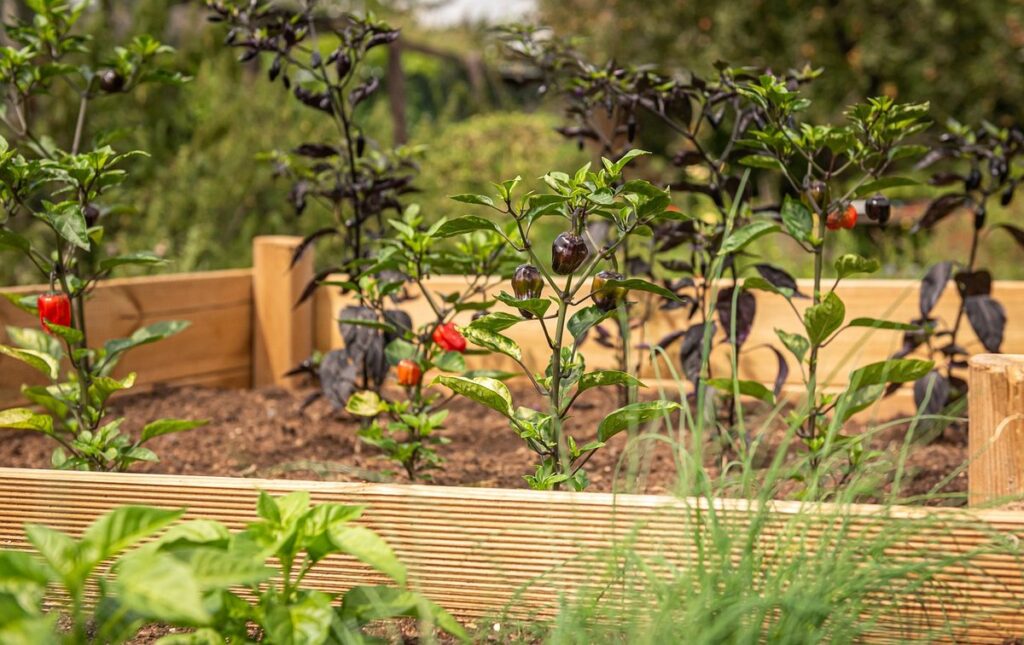
Planning Your Raised Garden
Before breaking ground, you need to carefully plan out your raised garden to ensure it meets your needs and makes the most of your space. This involves considering a few essential factors.
Choosing the Right Location
When it comes to planning your raised garden, choosing the right location is crucial for its success. One of the most critical factors to consider is sunlight. Most vegetables and flowers require at least 6 hours of direct sunlight per day, so select a spot that receives plenty of natural light.
Consider the direction your yard faces and how it will affect the amount of sunlight your garden receives. South-facing areas tend to get more direct sunlight than north-facing areas, while east- and west-facing areas receive gentle morning or afternoon sun. Make sure to choose a location with good air circulation to prevent fungal diseases from taking hold.
Accessibility is also essential when selecting a spot for your raised garden. Consider how you will transport plants, soil, and other materials to the site without straining your back. A flat area near a water source is ideal, as it will make maintenance easier and less physically demanding. Avoid areas with standing water or where water tends to collect, as this can lead to root rot and other problems.
Selecting the Perfect Site
When planning your raised garden, one of the most crucial steps is selecting the perfect site. To determine the best spot for your raised garden, it’s essential to assess your yard’s topography, drainage, and soil quality.
Start by observing your yard’s slope and elevation changes. A flat area with a slight incline is ideal for raised gardens, as it allows for proper water runoff and easy access. Avoid areas with significant slopes or steep drop-offs, which can make maintenance challenging. Consider the direction of sunlight in your yard – most vegetables and flowers require at least six hours of direct sunlight per day.
Next, evaluate the drainage in your yard. Look for low-lying areas where water tends to collect, as these spots may not be suitable for raised gardens. Ideally, choose a spot with good air circulation to prevent fungal diseases and pest issues. Finally, test the soil quality by digging a small hole or sending a sample to a lab for analysis. Avoid areas with poor drainage, compacted soil, or high levels of contaminants. By carefully assessing your yard’s conditions, you can create an optimal environment for your raised garden to thrive.
Designing Your Raised Garden
Now that you’ve chosen your ideal location and materials, it’s time to think about how to design a raised garden that fits your space and style. Let’s dive into the specifics of planning a beautiful and functional garden bed.
Measuring and Mapping Your Space
Before you start building your raised garden, it’s essential to measure and map out your space. This step may seem tedious, but it will ensure that your raised bed is not only functional but also perfectly suited to the specific needs of your yard.
To begin, grab a tape measure and walk around your yard to determine its overall dimensions. Make note of any obstacles or features you don’t want to disrupt, such as trees, gardens, or water lines. Consider how much space you have available for your raised bed and what size will best fit the area. A good rule of thumb is to aim for a minimum of 4 feet wide and 8 feet long, but this can vary depending on the type of plants you plan to grow.
Once you have an idea of your yard’s dimensions, it’s time to start planning the layout of your raised bed. Sketch out a rough design, taking into account any obstacles or features that may impact its placement. You can use graph paper or online tools like Google SketchUp to create a more detailed and accurate map. Consider factors such as sunlight patterns, water drainage, and access for maintenance when determining the optimal location and shape of your raised bed.
Keep in mind that even small adjustments can make a big difference in the overall success of your raised garden. By taking the time to measure and map out your space, you’ll be able to create a customized plan that meets the unique needs of your yard.
Considering Soil Depth and Mix
When designing your raised garden, it’s essential to consider the soil depth and mix. A well-balanced soil blend will provide optimal conditions for plant growth, while inadequate soil can hinder root development and lead to poor yields.
To determine the ideal soil depth for your raised garden, measure the height of your bed and add 6-8 inches for the top layer of soil. This will give you a depth of around 12-14 inches, which is suitable for most vegetables and flowers. However, if you plan to grow deep-rooted plants like carrots or beets, consider adding an additional 2-3 inches.
When creating your soil mix, aim for a balance of clay, silt, and sand. A general rule of thumb is to use one part compost or well-rotted manure, two parts topsoil, and one part perlite or vermiculite. Avoid using pure peat moss as it can be too acidic and may require additional fertilization. You can also add organic matter like worm castings or coconut coir to improve soil structure and fertility.
Preparing Your Raised Garden Site
Before you start building, it’s essential to prepare your raised garden site by clearing debris and leveling the ground to ensure a stable and even surface. This step ensures your new garden is off to a solid start!
Clearing and Grading the Area
Before you can start building your raised garden, it’s essential to clear and grade the area. This step is crucial in creating a stable and level surface for your garden beds. Begin by removing any debris or vegetation from the site. Use a shovel or rake to clear away rocks, twigs, and weeds. Be thorough, as hidden roots can damage your raised bed frames.
Next, assess the topography of your chosen site. Check if it’s sloping in any direction, which could lead to water accumulation and root rot. If necessary, grade the ground by removing or adding soil to create a level surface. You can use a spirit level to ensure the area is perfectly even. For instance, if you’re building on a slope, create a slight incline towards the lowest point to allow excess water to drain away.
To achieve optimal drainage, make sure your raised garden bed is at least 3-4 inches above the surrounding soil. This will prevent water from collecting in the bed and minimize the risk of root rot and other issues.
Building a Level Base
Creating a level base for your raised garden is crucial to prevent settling and ensure that your plants receive adequate drainage. To achieve this, start by preparing the site where you’ll be building your raised bed. Remove any debris, rocks, or weeds, and loosen the soil to a depth of about 8-10 inches.
Next, compact the soil using a hand tamper or a mechanical compactor. This helps to eliminate air pockets and prevents settling over time. It’s essential to achieve a uniform levelness to ensure that your raised bed remains stable and secure.
To further prevent settling, consider installing edging around your raised bed. You can use materials like plastic, metal, or wood, depending on your preference. Edging serves as a physical barrier between the raised bed and the surrounding soil, preventing it from spreading or becoming uneven over time. This simple step ensures that your raised garden remains stable and secure for years to come.
By investing a bit of time in creating a level base, you’ll be rewarded with a thriving raised garden that requires minimal maintenance.
Constructing Your Raised Garden Bed
Now that you’ve planned and prepared your raised garden, it’s time to build the structure itself, starting with constructing a sturdy base for your bed. Let’s get started on this exciting part of the project!
Choosing the Right Materials
When it comes to constructing your raised garden bed, one of the most important decisions you’ll make is choosing the right materials. The type of material you select will not only affect the durability and longevity of your garden bed but also its environmental impact.
There are several options available, including wood, composite materials, and recycled plastic. Wooden boards are a popular choice due to their natural appearance and affordability. However, they require regular maintenance to prevent rot and insect damage. Composite materials, on the other hand, are made from a combination of wood fibers and plastics, offering improved durability and resistance to rot and pests. Recycled plastic lumber is another eco-friendly option that’s resistant to mold and mildew.
When selecting materials for your raised garden bed, consider factors such as budget, maintenance requirements, and environmental impact. For example, if you’re looking for a low-maintenance solution, composite or recycled plastic materials may be the way to go. If you prefer a more natural look and are willing to commit to regular upkeep, wooden boards could be the better choice.
Building Techniques and Tips
When building a raised garden bed, it’s essential to consider the design and construction techniques that will ensure stability, drainage, and optimal growth for your plants. To start, you’ll need to gather materials such as 2×6 or 2×8 lumber for the frame, wood screws, weather-resistant nails, and a drill press or impact driver.
For a basic raised bed design, follow these steps:
* Begin by creating a rectangular frame using the lumber, ensuring it’s square and level.
* Use weather-resistant nails to secure the corners of the frame, then attach the sides and bottom panels with wood screws.
* Space the slats 1-2 inches apart for adequate drainage and root growth.
For more complex designs, consider incorporating features such as a built-in trellis or a tiered system. These can be achieved by using additional lumber and screws to create separate levels or attaching a freestanding trellis to the frame.
Planting Your Raised Garden
Now that your raised garden bed is built, it’s time to fill it with some amazing plants! This section will walk you through the steps of planting a thriving garden.
Soil Preparation and Amendments
Before planting your raised garden, it’s essential to prepare the soil. This step is crucial for healthy plant growth and a thriving ecosystem. Start by testing your soil pH levels using a DIY kit or sending a sample to a lab for analysis. Based on the results, adjust the pH accordingly.
Next, add organic matter to enrich the soil. You can use compost, which breaks down slowly over time, releasing nutrients as it does so. Alternatively, try manure tea – a liquid solution made by steeping animal waste in water. This will provide an instant boost of nutrients without altering the pH levels.
For a more substantial amendment, incorporate 2-4 inches of well-rotted compost or worm casting into the top 6-8 inches of soil. Mixing it in thoroughly will ensure even distribution and prevent any potential nitrogen spikes.
Choosing Companion Plants and Crops
When it comes to planting your raised garden, one of the most crucial steps is choosing companion plants and crops that work well together. This means selecting a mix of vegetables, fruits, and flowers that complement each other’s growth habits, nutrient requirements, and pest resistance.
Some excellent companion plants for raised gardens include marigolds, which repel nematodes and attract beneficial insects, while basil and mint help deter pests like aphids and whiteflies. Planting these with your main crops can create a balanced ecosystem where everyone benefits. For example, planting beans alongside corn and squash creates the Three Sisters method, where the beans provide nitrogen, the corn offers support, and the squash shades the soil to retain moisture.
When selecting companion plants, consider their mature size, growth habits, and sunlight requirements. Be sure to choose varieties that don’t compete for resources or space. For example, planting tall sunflowers near shorter vegetables like lettuce can create shade and block sunlight. By carefully choosing your companion plants, you’ll be creating a harmonious garden ecosystem where all plants thrive together.
You can also group crops into categories based on their nutrient requirements. Some plants, like tomatoes and peppers, need full sun and consistent moisture, while others, like broccoli and cauliflower, prefer cooler temperatures and more shade. Planting complementary varieties ensures that no plant is left behind in terms of essential nutrients.
When selecting companion plants for your raised garden, consider the following:
* Marigolds repel nematodes and attract beneficial insects
* Basil and mint help deter pests like aphids and whiteflies
* The Three Sisters method (beans, corn, squash) creates a balanced ecosystem
* Consider mature size, growth habits, and sunlight requirements when selecting companion plants
* Group crops by nutrient requirements to ensure all plants thrive
Maintenance and Upkeep
Now that you’ve built your raised garden, it’s time to keep it thriving – here we’ll cover essential tips for regular maintenance and upkeep. We’ll walk through how often to water, fertilize, and prune.
Watering and Irrigation Systems
When it comes to building and maintaining a raised garden, proper watering techniques are crucial for healthy plant growth. Watering and irrigation systems can make all the difference between a thriving garden and one that’s struggling to survive.
To ensure efficient water delivery, consider installing a drip irrigation system. These systems deliver water directly to the roots of the plants, reducing evaporation and runoff. Not only do they conserve water, but they also reduce the risk of fungal diseases that thrive in moist environments.
Here are some practical tips for implementing a drip irrigation system:
* Choose a drip tubing with a diameter of 1/4 inch or smaller to prevent clogging
* Use a filter to remove debris and sediment from the water supply
* Place drippers at regular intervals, about 6-8 inches apart, to ensure even watering
Regularly inspect your irrigation system for blockages and leaks, and make adjustments as needed. Keep in mind that raised gardens often require more frequent watering due to their unique soil composition. With proper care, a drip irrigation system will become an invaluable asset to your garden’s maintenance routine.
Mulching and Weeding Strategies
Mulching and weeding are essential strategies for maintaining a healthy raised garden. Mulch helps retain moisture, suppress weeds, and regulate soil temperature. Organic mulches like wood chips, bark, or straw are excellent options as they break down over time, adding nutrients to the soil. Inorganic mulches such as plastic sheets can also be used but may not provide any nutritional benefits.
To effectively control weeds in your raised garden, adopt a regular weeding routine. Hand-weed as soon as you notice weed growth, making sure to remove the entire root system to prevent regrowth. Regularly turn over the soil to loosen and kill weeds that have gone dormant. You can also use a combination of mulching and weeding techniques for added efficiency.
Some other effective methods for controlling weeds include using a barrier like landscape fabric or newspaper to suppress weed growth, planting groundcovers that compete with weeds, or using solarization techniques to heat up the soil and kill weed seeds.
Frequently Asked Questions
How Do I Know If My Raised Garden Is Getting Enough Sunlight?
While the main article covers choosing a location with sufficient sunlight, you may still have concerns about ensuring your raised garden gets enough direct light. Check the position of the sun at different times of day and consider using a sundial or solar pathfinder tool to determine the best orientation for your garden bed.
What If I Have Poor Soil Quality in My Yard? Can I Still Build a Raised Garden?
Yes, it’s absolutely possible to build a raised garden even with poor soil quality. Consider using a mix of topsoil, compost, and perlite or vermiculite to create a well-draining and fertile growing medium. This will give your plants the best chance to thrive despite the underlying soil conditions.
How Often Should I Water My Raised Garden?
The frequency of watering depends on several factors, including weather, soil mix, and plant selection. Aim to provide about 1-2 inches of water per week, either from rainfall or irrigation systems. Be sure to check the soil moisture by inserting your finger into the soil up to the knuckle; if it feels dry, it’s time to water.
Can I Use Recycled Materials for My Raised Garden Bed?
Yes, repurposing materials like old wood, bricks, and stones can be a creative and eco-friendly way to build your raised garden. Just ensure that any materials you use are safe for growing plants and won’t contaminate the soil or harm your crops.
How Do I Prevent Weeds from Growing in My Raised Garden?
Mulching is an effective way to suppress weeds in your raised garden, but it’s not foolproof. Combine mulch with regular weeding and consider using a weed barrier fabric to prevent weeds from germinating in the first place. Also, choose companion plants that naturally repel or outcompete weeds for added protection.