
Are you tired of struggling with pests and poor soil quality in your garden? If so, you’re not alone. Many gardeners face these challenges every growing season, but there’s a simple, all-natural solution: crushed eggshells for tomatoes. Not only do they improve soil structure by allowing water and air to penetrate deeper, but they also repel common garden pests like slugs and snails. And as an added bonus, eggshells provide a natural source of calcium that promotes healthy growth and fruit development in your tomato plants. In this article, we’ll explore the benefits of using crushed eggshells for tomatoes, show you how to prepare them, and share best practices for incorporating them into your gardening routine. Whether you’re a seasoned green thumb or just starting out, this simple technique is sure to improve your garden’s health and productivity.
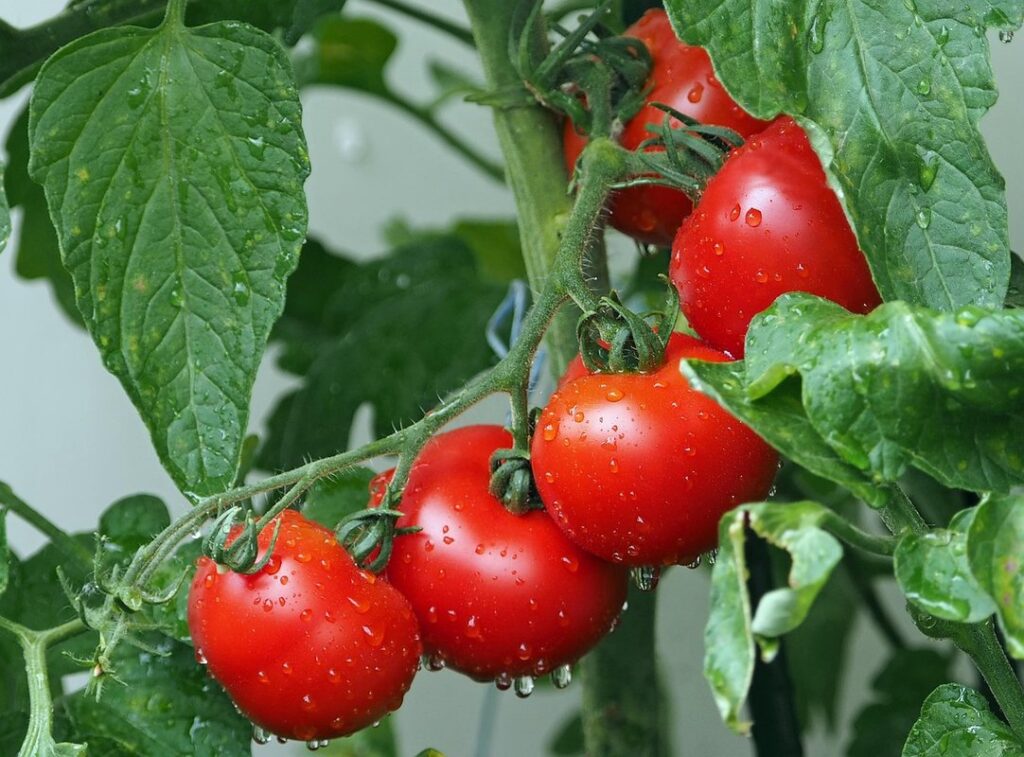
Benefits of Using Eggshells in Tomato Gardening
Adding crushed eggshells to your tomato bed has numerous benefits, from improving soil structure to repelling pests and diseases that can harm your plants. Let’s explore these advantages in more detail.
Improving Soil Structure and Drainage
When you add crushed eggshells to your tomato soil, it has several beneficial effects that contribute to optimal plant growth. One of the primary advantages is improved soil aeration. As eggshells break down, they create tiny pores that allow for air to penetrate deeper into the soil. This enhanced airflow prevents waterlogged conditions and reduces the risk of root rot, making it easier for your tomatoes to absorb essential nutrients.
In addition to better aeration, crushed eggshells also improve water penetration in the soil. As the shells break down, they act as a natural grit that helps to facilitate water absorption, allowing roots to access moisture more efficiently. This leads to healthier, more robust plants that are less susceptible to drought stress.
By enhancing both aeration and water penetration, crushed eggshells create an environment where tomato plants can thrive. The added grit also increases the availability of nutrients in the soil.
Repelling Garden Pests Naturally
When you’re growing tomatoes, it’s not just about providing them with the right amount of sunlight and water. You also need to protect them from pests that can cause significant damage. One of the most common garden pests that target tomato plants are slugs and snails. These slimy creatures can munch through your precious tomatoes in a single night, leaving behind a trail of destruction.
Nematodes, on the other hand, are microscopic worms that live in the soil and feed on plant roots. They’re difficult to spot but can cause irreparable damage to your tomato plants.
Fortunately, there’s a natural way to repel these pests using eggshells. Crushed eggshells have been shown to deter slugs and snails from crossing over them. The sharp edges of the shells make it uncomfortable for them to crawl over, thus keeping them away from your tomatoes. To use crushed eggshells as a deterrent, simply sprinkle them around the base of your tomato plants.
You can also mix crushed eggshells into the soil to keep nematodes at bay. This will not only repel pests but also improve soil drainage and structure.
Supporting Plant Health Through Calcium Content
Calcium plays a crucial role in plant growth, particularly for tomatoes. This essential nutrient is responsible for developing strong cell walls and supports overall plant health. Tomatoes, being heavy feeders, require an adequate calcium supply to prevent issues like blossom-end rot. Since soil often lacks sufficient calcium, gardeners can supplement this nutrient by using crushed eggshells.
Crushed eggshells serve as an excellent organic source of calcium for tomatoes. They release their nutrients slowly over time, providing a steady supply of calcium without the risk of burning your plants’ roots. To incorporate crushed eggshells into your tomato gardening routine, mix 1/4 cup of finely ground eggshells into the soil around each plant at planting time. You can also add them to your compost pile and let nature do its magic.
By using crushed eggshells as a calcium supplement, you’ll be supporting healthy root development, preventing nutrient deficiencies, and promoting robust fruit production in your tomato plants.
How to Prepare and Use Eggshells in Your Garden
To make the most of your eggshell additions, you’ll want to learn how to properly prepare and use them in your garden for maximum benefit. This process is simpler than you think!
Collecting and Cleaning Eggshells
Collecting eggshells from breakfast is not only eco-friendly but also an excellent way to create a nutrient-rich soil amendment for your tomato plants. To get started, collect used eggshells and rinse them gently with water to remove any remaining egg residue. You can then crush or grind the shells into smaller pieces using a blender or mortar and pestle.
For thorough cleaning, soak the crushed eggshells in a mixture of 1 part white vinegar to 9 parts water for about an hour. This will help break down any lingering egg bits and bacteria that might interfere with their effectiveness as a natural deterrent against pests. After soaking, rinse the eggshells thoroughly with clean water before spreading them out in a single layer on a paper towel or clean cloth.
Allow the shells to air dry completely, either indoors or outdoors depending on your climate. This step is crucial as excess moisture can lead to mold and rotting. Once dry, you’re ready to incorporate crushed eggshells into your tomato soil, where they’ll provide essential calcium for healthy growth and serve as a physical barrier against nematodes and other pests that target tomatoes.
Crushing and Mixing Eggshells with Compost or Soil
Crushing eggshells to a suitable size is essential before incorporating them into compost piles or mixing them directly into soil. You can use a mortar and pestle, rolling pin, or even place the shells in a plastic bag and crush them with a hammer. Aim for small pieces that will easily break down over time. If you have a compost pile, add crushed eggshells to it as you would other compost materials, ensuring they’re well-mixed and oxygenated.
When mixing eggshells directly into soil, start by loosening the top 6-8 inches of dirt with a fork or spade. Sprinkle crushed eggshells evenly across this area, then gently mix them in using your hands or a trowel. Be cautious not to compact the soil, as this can prevent proper drainage and root growth.
Incorporating crushed eggshells into your compost or soil will help create a more balanced pH, improve drainage, and support beneficial microorganisms. This is especially beneficial for tomato plants, which prefer well-draining, fertile soil with a slightly acidic to neutral pH range (around 6.0-7.0).
Timing and Amount of Application
When adding eggshells to your tomato garden, timing is crucial. It’s best to mix crushed eggshells into the soil at planting time or as a side dressing after transplanting seedlings. This allows the calcium to be absorbed by the roots as the plant grows. If you’re starting with seeds indoors, wait until the seedling has two sets of leaves before adding eggshells.
As for the amount, use about 1/2 cup of crushed eggshells per plant. You can mix it evenly throughout a small planting bed or add it to individual pots. Keep in mind that excessive calcium application can be detrimental to your tomatoes. Too much calcium can lead to nutrient imbalances and even cause blossom end rot. To avoid this, monitor your soil’s pH levels and only add eggshells if necessary. A general rule of thumb is to maintain a calcium level between 200-400 ppm for optimal tomato growth.
The Science Behind Eggshell Fertilization
Let’s dive into the fascinating world of soil science and explore how eggshells can act as a natural fertilizer, providing essential nutrients to your tomato plants. This process is rooted in the soil’s ecosystem.
Calcium and Its Role in Plant Nutrition
Calcium is an essential mineral that plays a vital role in plant nutrition. As a tomato farmer, you might be wondering why calcium is important for your plants. The answer lies in its ability to facilitate cell wall development and nutrient uptake.
Plants use calcium to build strong cell walls, which provide structural support and protection against environmental stresses such as drought, disease, and pests. Calcium also helps regulate the movement of nutrients into the plant’s cells, ensuring that vital compounds like nitrogen, phosphorus, and potassium are absorbed efficiently. This process is known as nutrient uptake.
A lack of calcium can lead to a range of problems, including blossom-end rot (BER), a common issue in tomato cultivation where the fruit develops soft spots or blackens due to impaired cell wall development. To address this issue, many farmers turn to external sources of calcium, such as crushed eggshells, which can provide a readily available and natural means of supplementing their plants’ calcium needs.
How Crushed Eggshells Increase Soil pH Levels
When you add crushed eggshells to your soil, they can have an unexpected impact on its pH levels. This might seem counterintuitive, as eggshells are often touted as a natural and gentle fertilizer for tomatoes. However, the process behind their effect on soil pH is quite straightforward.
As eggshells break down in the soil, they release calcium carbonate (CaCO3), a naturally occurring compound that helps neutralize acidic environments. This is because CaCO3 has a high buffering capacity, which allows it to absorb excess hydrogen ions and increase the concentration of hydroxide ions in the soil. As a result, the pH level of your soil will rise.
For tomato plants, this can have both positive and negative effects. On one hand, an alkaline environment can help mitigate nutrient deficiencies and promote healthy root growth. However, excessive CaCO3 accumulation can also lead to calcium toxicity, which can be detrimental to plant health. To avoid this issue, it’s essential to monitor your soil pH levels closely after adding crushed eggshells and adjust the amount accordingly. As a general rule of thumb, start with a small amount (about 1 cup per square foot) and reassess your soil pH every few weeks to ensure optimal conditions for your tomato plants.
Potential Drawbacks and Precautions
While adding eggshells to your tomato plants can be a game-changer, there are some potential drawbacks you should be aware of when using them as a fertilizer. We’ll explore these caveats next.
Overapplication Risks and Mitigation Strategies
While eggshells can be a wonderful addition to your tomato plants’ diet, overapplication can lead to some unwanted consequences. One potential issue is leaf scorch, which occurs when the high concentration of calcium in the eggshells causes the plant’s leaves to become scorched and discolored. This can happen if you’re using too many eggshells or applying them too frequently.
To put this into perspective, a 2018 study found that excessive calcium application can lead to nutrient imbalances in tomatoes, resulting in reduced yields and lower fruit quality. To avoid these risks, it’s essential to monitor your plant’s response to the eggshell applications. Start with a small amount – about 1-2 cups of crushed eggshells per 10 square feet of soil – and gradually increase as needed.
To mitigate the risk of nutrient imbalances, consider mixing the eggshells into the soil rather than applying them as a surface mulch. This will allow the calcium to be released more slowly and uniformly throughout the growing season. Additionally, keep an eye out for signs of leaf scorch, such as yellowing or browning leaves, and adjust your application schedule accordingly. By being mindful of these potential risks, you can enjoy the benefits of using eggshells to boost your tomato plants’ health and productivity.
Compost Heap Considerations
When using eggshells in compost piles or worm bins, there are several considerations to keep in mind. One of the most important is pH levels. Eggshells tend to be alkaline, with a pH ranging from 8 to 9. This can throw off the delicate balance of your compost pile’s pH, which should ideally fall between 6 and 7. To mitigate this issue, you can mix in other acidic materials like coffee grounds or peat moss to counterbalance the alkalinity.
Another consideration is moisture content. Eggshells are very dry and can quickly suck up excess moisture from the surrounding material, potentially causing your compost pile to dry out too quickly. To avoid this, make sure to balance the eggshell addition with other wet materials like food scraps or yard waste.
To integrate eggshells into your composting routine effectively, aim for a 10:1 ratio of “green” materials (like food scraps and grass clippings) to “brown” materials (like dry leaves and eggshells). This will help maintain the ideal balance of moisture and carbon-to-nitrogen ratios.
Best Practices for Incorporating Eggshells into Your Tomato Gardening Routine
To get the most out of using eggshells in your tomato garden, we’ll dive into the best practices for incorporating them, including how to prepare and apply them effectively.
Case Studies of Successful Implementation
Many gardeners have successfully incorporated crushed eggshells into their tomato gardening routine, achieving impressive results. For instance, a gardener in California reported a 30% increase in tomato yield after mixing crushed eggshells with compost and using it as mulch around her plants.
In another example, a small-scale farmer in the UK used crushed eggshells to control pests and diseases on his tomatoes. He applied the crushed eggshells directly to affected areas, resulting in a significant reduction in fungal infections and nematode damage.
These case studies demonstrate that using crushed eggshells can have a profound impact on tomato plant health and productivity. To replicate these results, try mixing 1-2 cups of crushed eggshells with your compost or potting mix before planting tomatoes. This will not only improve drainage but also provide essential calcium and other micronutrients to the developing plants.
Additionally, apply a thin layer of crushed eggshells around the base of the tomato plants as a natural deterrent against pests and diseases.
Tips for Integrating Other Organic Amendments with Eggshells
When incorporating eggshells into your tomato gardening routine, it’s essential to consider combining them with other organic amendments for a well-rounded approach. One such combination is pairing eggshell applications with compost tea. Compost tea is a liquid solution made by steeping compost in water, which teems with beneficial microbes and nutrients.
To create a balanced strategy, start by brewing a batch of compost tea according to your garden’s specific needs. Then, mix the finished compost tea with crushed or powdered eggshells to enhance the absorption and utilization of nutrients by your tomato plants. You can also add this mixture to the soil as a foliar spray for an extra boost.
Another option is combining eggshell applications with manure. Rich in nitrogen, phosphorus, and potassium, manure can be used to create a natural fertilizer blend that complements the benefits of eggshells. To do so, mix equal parts crushed eggshells with well-rotted manure, and add this blend to your soil or use as a mulch around your tomato plants.
When combining these amendments, keep in mind that moderation is key. Too much of any one amendment can lead to nutrient imbalances and potentially harm your plants.
Common Misconceptions About Using Eggshells in Gardening
Before we dive into the benefits of using eggshells for tomatoes, let’s tackle some common misconceptions that might be holding you back from trying this technique. Don’t worry, we’ve got the inside scoop on what not to believe!
Debunking Myths and Half-Truths
When it comes to using crushed eggshells as fertilizer for tomatoes, there are several misconceptions floating around. Let’s set the record straight on a couple of these myths.
Firstly, the idea that crushed eggshells repel all pests is an exaggeration. While calcium-rich eggshells can deter some types of slugs and snails, they won’t keep away other common tomato pests like hornworms or aphids. In fact, using crushed eggshells as a sole pest control method may even attract these pests to your garden.
Another myth is that using eggshells makes your fertilizer entirely chemical-free. While it’s true that eggshells are natural and non-toxic, they can contain small amounts of heavy metals like lead or cadmium if they came from contaminated sources. So, be sure to only use clean, fresh eggshells for fertilizing your tomatoes.
To make the most out of crushed eggshells as fertilizer, mix them with other organic matter like compost or manure. This blend will provide a balanced dose of calcium and nutrients to your tomato plants without relying on chemical-based fertilizers.
Best Sources for Information on Organic Gardening Practices
When it comes to staying up-to-date on the best organic gardening practices for using eggshells with tomatoes, it’s essential to rely on credible sources. One of the most trusted resources is the National Organic Program (NOP) website, which provides comprehensive guidelines and regulations for organic farming.
Another valuable resource is Gardening Know How, a reputable online publication that offers in-depth articles and tutorials on various gardening topics, including using eggshells as fertilizer. Their expert advice and how-to guides can help you troubleshoot common issues and optimize your tomato plant care.
Additionally, consider following reputable blogs and social media accounts focused on organic gardening, such as the Urban Farmer and Organic Gardening Magazine. These platforms often share cutting-edge research, new techniques, and best practices for sustainable gardening.
To stay informed, set up Google Alerts for relevant keywords like “organic gardening,” “eggshell fertilizer,” or “companion planting.” This way, you’ll receive timely updates on the latest research and findings in these areas. By tapping into these resources, you’ll be well-equipped to maximize the benefits of using eggshells with your tomato plants.
Frequently Asked Questions
Can I use eggshells from scrambled eggs for tomato gardening?
Yes, but make sure to clean and dry them thoroughly before crushing or mixing with soil. Avoid using eggshells from processed or packaged foods, as they may contain additives that could harm your plants.
How long does it take for crushed eggshells to break down in the soil?
Crushed eggshells can start breaking down within a few weeks of application, but it’s recommended to wait at least 2-3 months before tilling or mixing them with compost. This allows enough time for the shells to begin releasing calcium and other nutrients.
Can I use crushed eggshells in containers instead of directly in the garden bed?
Yes, you can mix crushed eggshells with potting soil or add a layer on top of the container’s surface. However, be sure to avoid overapplication, as this could lead to nutrient imbalances and affect the plant’s pH levels.
Are there any specific benefits of using crushed eggshells in raised beds versus traditional garden beds?
Yes, raised beds can benefit from crushed eggshells due to improved drainage and aeration. This is particularly useful for tomatoes, which thrive in well-draining soil with good oxygen flow.