
Are you tired of finding those pesky slugs in your garden, munching away on your precious plants? If so, you’re not alone. Slugs can be a nightmare to control, but there’s a simple and effective method that can help you take back your garden: the Slug Beer Trap Method.
This tried-and-true technique has been around for years, and it’s surprisingly easy to set up. But what exactly is it? In short, it involves using beer as bait to lure slugs into a trap, where they can be disposed of humanely. Sounds simple enough, right? The benefits are numerous – not only will you save your plants from slug damage, but you’ll also reduce the risk of spreading diseases that come with these slimy creatures.
In this article, we’ll take a closer look at the Slug Beer Trap Method, covering everything you need to know, including how to prepare the traps, common mistakes to avoid, and troubleshooting tips to ensure success. By the end of it, you’ll be well on your way to slug-free gardening bliss!
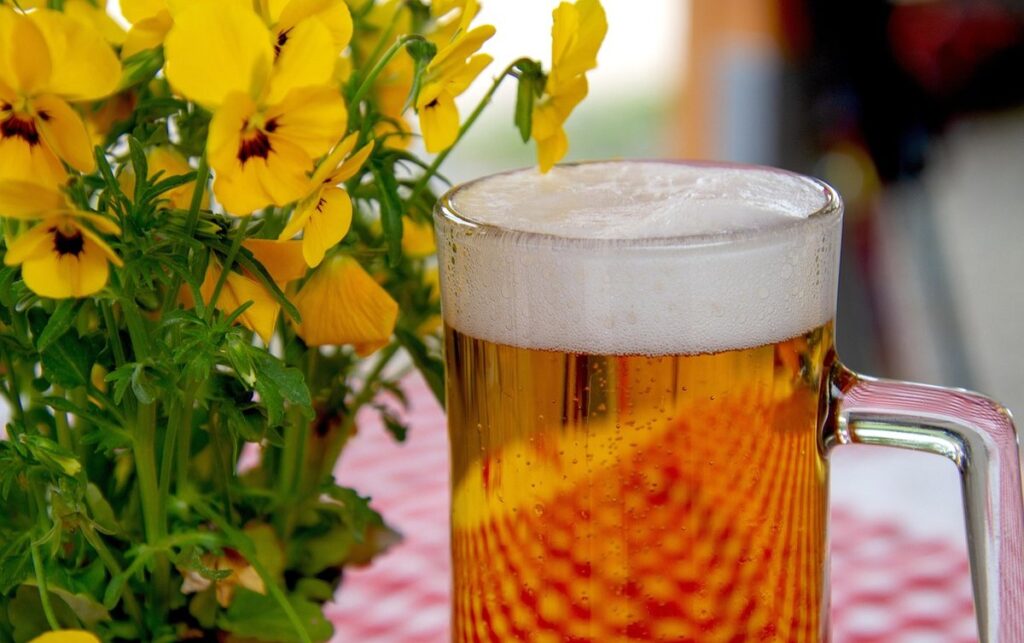
Introduction to the Slug Beer Trap Method
The slug beer trap method is a simple yet effective way to capture and eliminate slugs from your garden, making it an essential technique to master for any gardener. In this section, we’ll break down the basics of how it works.
What is the Slug Beer Trap Method?
The Slug Beer Trap Method is a simple yet effective technique used for controlling slug populations in gardens and agricultural fields. At its core, this method involves attracting slugs to a trap using beer as the bait. Slugs are naturally drawn to the fermented smell of beer, which they mistake for a food source.
Once lured into the trap, the slugs fall into a container filled with beer, where they eventually drown due to lack of oxygen. This non-toxic and humane approach makes it an attractive option for gardeners and farmers who want to minimize harm to the environment.
By using this method, you can effectively reduce slug populations without resorting to chemicals or other potentially hazardous methods. It’s essential to note that the trap should be placed in a discreet location to avoid scaring off any slugs that may not have fallen into the trap initially. A ratio of about 1 part beer to 3 parts water is recommended for optimal results.
Benefits of Using the Slug Beer Trap Method
Using the slug beer trap method can bring numerous benefits that make it an attractive choice for those looking to control pest slugs effectively. One of the most significant advantages is the reduced costs associated with this method. Unlike other methods, which often require expensive chemicals or equipment, the slug beer trap method uses a simple and affordable approach.
By attracting slugs with the scent of beer, you’re able to capture them without the need for hazardous substances that can harm your garden or pets. This makes it an excellent option for homeowners who are environmentally conscious and want to maintain a safe outdoor space.
In addition to cost-effectiveness, the slug beer trap method is also highly effective in controlling pest slugs. The use of beer as bait allows you to capture large numbers of slugs quickly and efficiently, reducing the need for repeated applications or follow-up treatments. With proper placement and maintenance of your beer traps, you can enjoy a significant reduction in slug-related damage to your plants.
Preparation for Setting Up the Trap
Before setting up your slug beer trap, you’ll need to prepare the necessary materials. Start by filling a shallow container with about 1-2 inches of beer – yes, actual beer! The yeast and fermentation process will attract slugs to the trap. You can use any type of beer, but darker beers like stout or porter tend to work best.
Next, place a few rocks or pebbles at the bottom of the container to provide a landing site for the slugs. This will help prevent them from slipping and falling into the beer. You’ll also want to add a small amount of water to the container to keep the beer from evaporating too quickly.
Once you have your materials ready, make sure to place the trap in an area where slugs are most active – typically near vegetation or in moist areas. Finally, before setting up the trap, inspect it for any gaps or holes that might allow other animals to get in and ruin the effectiveness of your trap.
Understanding Slug Behavior and Habitat
To effectively use the slug beer trap method, it’s essential to understand how slugs behave in their natural habitats and what environments they prefer. This knowledge will help you place your traps strategically.
Slug Life Cycle and Habits
Slugs have a unique life cycle that’s essential to understand when setting up an effective beer trap. They’re hermaphroditic animals, meaning they possess both male and female reproductive organs. However, they still need to mate with other slugs to reproduce. Slugs typically go through four stages of development: egg, hatchling, juvenile, and adult.
In the wild, slugs are most active at night, feeding on plants, decaying organic matter, and even other small animals. They have a voracious appetite, consuming up to 1/4 of their body weight in food daily. This behavior is crucial for setting up your beer trap, as you’ll want to place it in areas with high slug activity.
When choosing a location for your trap, consider the following: slugs prefer moist environments and are often found near plants with tender shoots or leaves. They’re also attracted to decaying organic matter like compost piles or mulch beds. By understanding these habits and habitats, you can increase the chances of capturing more slugs using the beer trap method.
Identifying Slug Habitats and Migration Patterns
To effectively use the slug beer trap method for pest control, it’s essential to understand where slugs are most likely to be found and their migration patterns. Slugs tend to inhabit areas with high moisture levels, rich soil, and abundant food sources.
Gardens are a prime location for slugs, particularly those with leafy greens, fruits, and vegetables. They also thrive in fields, where they feed on crops like grains and legumes. Forests, especially those with dense undergrowth, provide ideal habitats for slugs due to their humid environment and abundant vegetation.
Slugs exhibit specific migration patterns, often traveling at night to find food or shelter. After rainfall, they tend to move upwards from lower-lying areas to higher ground in search of dry spots. This behavior allows you to anticipate and set up your slug beer traps in areas where slugs are most likely to congregate.
When identifying potential slug habitats, look for areas with high humidity, dense vegetation, and abundant food sources. By understanding these patterns and habitats, you can strategically deploy the slug beer trap method for effective pest control.
Designing and Setting Up the Slug Beer Trap
Now that you have a basic understanding of the slug beer trap method, let’s dive into designing and setting up your own effective trap. This crucial step will ensure optimal results.
Choosing the Right Location for the Trap
When it comes to placing the beer trap, location is key. You want to position it in an area where slugs are most active and likely to encounter the bait. This might sound obvious, but many people underestimate the importance of choosing the right spot.
Firstly, consider the moisture levels in your garden or yard. Slugs thrive in humid environments, so look for areas with high humidity or proximity to water sources like ponds, lakes, or even pet watering stations. A spot under a tree, near a garden bed, or close to a compost heap is ideal.
Avoid placing the trap in direct sunlight, as this can evaporate the beer too quickly and reduce its effectiveness. Instead, opt for a shaded area, such as beneath a bush or near a wall. If you have a large yard, consider setting up multiple traps at strategic locations to increase your chances of capturing a significant number of slugs.
Remember to place the trap about 10-15 centimeters off the ground to allow slugs to easily access it. With these tips in mind, you’ll be well on your way to creating an effective slug beer trap that will help minimize pest damage and protect your garden or yard from these slimy critters.
Creating an Effective Baiting System
Creating an effective baiting system is crucial for luring slugs into your beer trap without repelling them. When designing your bait system, it’s essential to strike a balance between attractiveness and subtlety. Slugs are drawn to moisture, dark environments, and strong-smelling substances.
To create a bait system that attracts slugs, start by placing the beer trap in a shaded area, as direct sunlight can deter slugs from approaching. Next, surround the trap with organic materials like leaves, twigs, or even vegetable scraps. These will provide shelter for the slugs and encourage them to move towards the bait.
Avoid using strong-smelling substances like garlic or hot peppers, as they can repel slugs. Instead, opt for natural attractants like yeast or beer itself. You can also add a few drops of vinegar to the beer, which helps to break down the surface tension and make it more appealing to slugs. By combining these elements, you’ll create an effective baiting system that will draw slugs into your trap without being too obvious.
Securing the Trap and Ensuring Safety
When it comes to securing the trap and ensuring safety, it’s essential to take precautions to avoid potential hazards and prevent damage to surrounding areas. First and foremost, make sure the trap is placed on a stable surface, away from children and pets. This will not only prevent accidents but also ensure that the trap remains intact.
Before setting up the trap, inspect the area around it for any flammable materials or liquids that could ignite if the beer inside the trap spills. Keep in mind that slugs can move quickly, so it’s crucial to position the trap near a water source to prevent them from escaping.
Also, consider using a non-toxic beer to minimize risks and avoid attracting other pests to the area. When collecting the captured slugs, wear gloves to handle them safely. It’s also recommended to dispose of them humanely by releasing them far away from your garden or house. By taking these precautions, you’ll be able to effectively control slug populations while maintaining a safe environment.
Monitoring and Maintaining the Slug Beer Trap
Now that you’ve set up your slug beer trap, let’s dive into the crucial next steps: regularly monitoring its effectiveness and performing maintenance to keep it working smoothly.
Identifying Signs of Slug Activity
When using the slug beer trap method for effective pest control, it’s essential to identify signs of slug activity to gauge its effectiveness and determine when maintenance is required. One primary indicator that the trap is working is the presence of dead slugs inside or near the trap. A full trap usually signals that the device is functioning correctly and capturing a sufficient number of pests.
However, if you notice that the trap remains empty or partially filled despite being placed in an area with known slug activity, it may indicate a few issues. Firstly, the beer lure might be too weak to attract slugs. In such cases, consider upgrading the beer concentration or switching to a stronger beer type. On the other hand, if the trap is too full and you’re concerned about overflow, it’s time for maintenance.
Check for signs of slug slime on the trap or nearby plants, as this often indicates that the pests are still present but not being caught by the device. Adjust the trap position or increase the beer volume to improve its effectiveness in capturing these slimy creatures. By regularly monitoring these indicators, you can fine-tune your slug beer trap and ensure it continues to provide effective pest control.
Managing Overcrowding and Ensuring Efficient Trapping
When managing multiple slug traps, it’s essential to consider strategies for controlling overcrowding and ensuring efficient trapping. One approach is to adjust bait levels accordingly. If you notice that one trap is consistently attracting more slugs than others, you can try increasing the amount of beer or adding an additional attractant like fruit or vegetables. Conversely, if a trap isn’t capturing as many slugs as expected, reduce the bait level.
Another tactic is to relocate traps strategically. For instance, if you have multiple traps set up in close proximity, consider moving some to areas that are more prone to slug activity. Pay attention to changes in weather patterns and soil moisture, as these can influence slug behavior. If it’s been raining heavily, slugs may be more active in certain areas of your garden.
By adjusting bait levels and relocating traps, you can maximize the effectiveness of your slug beer trap method and minimize overcrowding issues. Regularly inspect your traps to ensure they’re working efficiently, and make adjustments as needed. This will help you achieve better pest control results and protect your plants from slug damage.
Troubleshooting Common Issues with the Slug Beer Trap Method
Don’t let a malfunctioning slug beer trap ruin your pest control efforts! This section will help you troubleshoot common issues and get back on track.
Dealing with Unwanted Bycatch or Misidentified Species
When using the slug beer trap method, it’s not uncommon for non-target species to get trapped alongside slugs. This can happen when the beer bait is too attractive to other animals, or if the trap design doesn’t allow for proper sorting of caught pests.
To address this issue, you’ll need to have a system in place for identifying and handling misidentified slugs. Start by familiarizing yourself with common species that might be mistaken for slugs, such as snails, earthworms, or even small insects like ground beetles. Regularly inspect the trap contents to ensure that only actual pests are being removed.
In some cases, you may need to re-bait the trap with a more specific attractant to deter non-target species. For example, if you’re finding earthworms in your trap, try switching to a bait that’s less appealing to them. It’s also essential to regularly clean and maintain the traps to prevent the buildup of debris that might attract unwanted visitors.
By taking these steps, you can minimize the impact of unwanted bycatch and ensure that your slug beer trap method remains an effective tool for pest control.
Adjusting Trapping Strategies Based on Climate and Weather Conditions
When working with the slug beer trap method, it’s essential to be adaptable and adjust your strategies based on climate and weather conditions. Slug behavior can change significantly depending on seasonal variations and extreme weather events.
During periods of drought or heatwaves, slugs tend to become more active at night, seeking out moisture-rich areas. In such cases, you may need to adjust the trap’s location and timing to capture these nocturnal slugs. Consider placing traps near water sources or in shaded areas that provide a cooler microclimate.
Conversely, heavy rainfall can cause slugs to hide in underground burrows and sheltered spots. To adapt, move your traps to areas with moist soil and leaf litter, where slugs are more likely to emerge after rain. It’s also crucial to regularly inspect and maintain the trap’s bait to ensure it remains attractive to slugs throughout changing weather conditions.
By being aware of these seasonal fluctuations in slug behavior, you can optimize your trapping strategy and increase its effectiveness, ultimately achieving better pest control results with the slug beer trap method.
Conclusion: Maximizing Effectiveness with the Slug Beer Trap Method
Now that you’ve mastered the setup and execution of the slug beer trap, let’s discuss how to maximize its effectiveness in your garden pest control efforts.
Key Takeaways and Recommendations
In conclusion, implementing the slug beer trap method effectively requires careful consideration of several key factors. Throughout this comprehensive guide, we’ve emphasized the importance of choosing the right bait and placement for optimal results. This means selecting a location where slugs are most active, such as near host plants or in areas with high moisture levels.
When constructing your trap, ensure that it’s large enough to hold a sufficient amount of beer without overflowing. A good rule of thumb is to use at least 1-2 liters of beer per 10 square meters of area. It’s also crucial to place the trap in an area where it won’t be disturbed or tampered with by pets or humans.
To maximize your slug beer trap’s effectiveness, consider using a combination of baits and monitoring traps in different locations. This will help you identify the most effective placement and bait type for your specific garden. By following these key takeaways, you’ll be well on your way to successfully implementing the slug beer trap method and enjoying a healthier, pest-free garden.
Future Developments and Emerging Trends in Slug Control
As we conclude our comprehensive guide to effective slug control using the beer trap method, it’s essential to consider the future developments and emerging trends that may further enhance this technique. Researchers are actively exploring innovative ways to combat slugs, which could potentially complement or even replace traditional methods like the beer trap.
For instance, scientists have been investigating the use of attractants other than beer, such as sugary solutions or pheromones, to lure slugs. These alternatives may offer improved efficiency and reduced environmental impact. Additionally, some companies are working on developing integrated pest management (IPM) systems that combine physical barriers, baits, and biological control methods.
While these innovations hold promise, it’s crucial to note that they often require significant investment in equipment and labor. For home gardeners and small-scale farmers, the beer trap method remains a practical and cost-effective solution. However, being aware of emerging trends can help you adapt your slug control strategies and stay ahead of the pests.
Frequently Asked Questions
Can I use any type of beer for the Slug Beer Trap Method?
Yes, you can experiment with different types of beer to see which one attracts more slugs. However, it’s recommended to stick with a darker-colored beer as it tends to be more appealing to slugs. Keep in mind that the goal is to attract slugs, not to brew the perfect beer.
How often should I check and empty the trap?
It’s essential to check the trap regularly, ideally every morning or evening, to ensure optimal effectiveness. Emptying the trap when it becomes full will prevent overcrowding and encourage more slugs to enter the trap. Remember to wear gloves when handling the trap and its contents.
Can I use this method for large-scale slug infestations?
While the Slug Beer Trap Method is effective for small gardens, it might not be suitable for larger areas due to the sheer number of traps needed. For bigger infestations, consider combining this method with other control measures or consulting a professional for advice on more extensive solutions.
What’s the best location to place the slug beer trap?
When choosing a spot for your slug beer trap, select an area with high slug activity and near the plants you want to protect. Avoid placing traps in direct sunlight or where water may collect, as this can attract other pests. Consider positioning the trap near a wall or under vegetation to maximize its effectiveness.
Can I use this method during the winter months?
The Slug Beer Trap Method is most effective during spring and summer when slugs are most active. During the winter, slug activity decreases significantly, making it less effective for control measures. Focus on other methods, such as hand-picking or using physical barriers, to manage winter slug populations.
How long does it take for the trap to start working after setting it up?
It’s not uncommon for it to take a few nights for the trap to become active and attract slugs. Be patient and ensure you’re following all instructions correctly. Keep in mind that factors like weather conditions, temperature, and humidity can influence the effectiveness of the trap.