
If you’re growing tomatoes in a greenhouse, you know how crucial it is to maximize yields while maintaining the quality of your fruit. However, overgrown plants can become vulnerable to disease and pests, which can be disastrous for your crop. Pruning your greenhouse tomatoes is an essential technique that helps promote healthy growth, improve air circulation, and increase light penetration – all of which contribute to better fruit quality and a reduced risk of disease susceptibility.
In this comprehensive guide, we’ll walk you through the process of pruning tomatoes in a greenhouse setting, providing expert tips on how to trim your plants for optimal results. By mastering this simple yet effective technique, you can unlock improved yields, enhanced fruit quality, and a more resilient crop that’s better equipped to thrive in its environment.
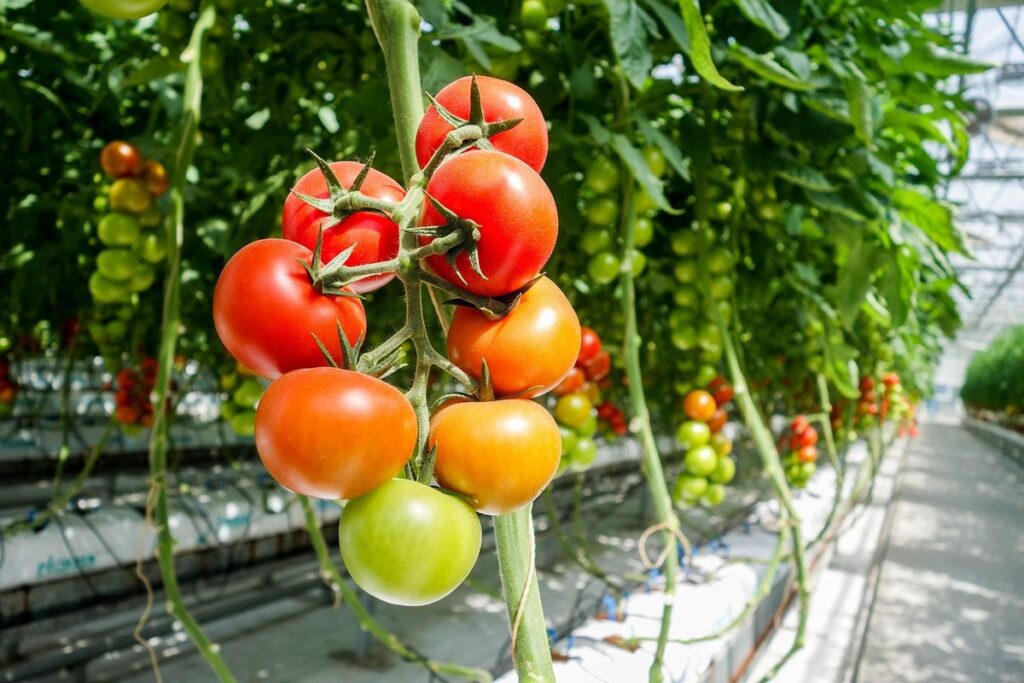
Benefits and Importance of Pruning Tomatoes in a Greenhouse
Pruning your tomatoes in a greenhouse is crucial for their health, productivity, and overall quality, so let’s explore the benefits and importance in more detail. We’ll break down what you need to know.
Understanding the Purpose of Pruning
Pruning is not just about maintaining the appearance of your tomato plants; it’s essential for their overall health and productivity. When you prune your tomatoes, you’re giving them a chance to thrive by promoting healthy growth, increasing yields, and reducing disease susceptibility.
By pruning, you remove weak and diseased branches that would otherwise compete with healthier ones for water and nutrients. This not only improves air circulation but also reduces the risk of fungal diseases like powdery mildew and late blight. By removing lower leaves to prevent soil-borne diseases from splashing onto the fruit, you’re taking a crucial step in ensuring your tomatoes are healthy and disease-free.
Pruning also helps control plant size and encourages bushy growth, which leads to more fruiting sites. This means that with proper pruning techniques, you can significantly boost your tomato yields while enjoying higher-quality fruits. To get started, simply focus on removing any weak or damaged growth, cutting back overgrown branches, and promoting an open center to allow for even light penetration.
Pruning also promotes better pollination by reducing overcrowding. When you encourage a bushy habit in your tomatoes, you’re giving bees and other pollinators easier access to the flowers, which is essential for fruit set.
Factors to Consider Before Pruning
Before you start pruning your greenhouse tomatoes, it’s essential to consider several factors that will help you determine the best approach for each plant. The age of the plant is a crucial factor to consider. If you’re pruning young seedlings, be gentle and remove only a few weak or spindly branches to encourage bushy growth. However, if your tomato plants are older and more established, you can prune them more aggressively to promote fruiting.
Another critical consideration is the variety of tomato plant you’re growing. Some varieties, like determinate tomatoes, require minimal pruning as they have a compact growth habit. On the other hand, indeterminate varieties need regular pruning to control their vigorous growth and encourage more fruit production. Take note of your plant’s natural growth habits as well – some plants may be naturally more sprawling or vining, while others are more compact.
By considering these factors, you’ll be able to tailor your pruning approach to each specific plant, ensuring that you’re promoting healthy growth and maximizing your tomato yields in the greenhouse.
Tools and Equipment Needed for Tomato Pruning
To prune your tomatoes effectively, you’ll need some essential tools that will make the process easier and more efficient. Let’s take a look at what equipment to have on hand.
Choosing the Right Pruning Tools
When it comes to pruning tomatoes in a greenhouse setting, having the right tools for the job is essential. You’ll want to invest in a variety of pruning tools that cater to different needs and situations.
For general pruning tasks, such as cutting back branches and removing weak growth, hand pruners are an excellent choice. Look for ones with sharp blades and comfortable grips, which will make it easier to snip through stems and branches without causing fatigue. In contrast, loppers are better suited for thicker stems and branches, making them ideal for pruning tomato suckers or cutting back larger sections of the plant.
A pruning saw is also a must-have in your greenhouse toolkit. This versatile tool allows you to cut through even the thickest stems with ease, making it perfect for pruning main stem growth or removing diseased wood. When choosing pruning tools, prioritize those made from high-carbon steel or stainless steel, which will maintain their sharpness and durability over time.
It’s also worth noting that some pruning tools are designed specifically for greenhouse tomato pruning. These may include long-handled pruners or specialized pruning saws with curved blades, making it easier to reach hard-to-access areas of the plant.
Preparing the Greenhouse Environment
Before you start pruning those tomato plants, it’s essential to prepare the greenhouse environment for optimal results. This involves setting up efficient workstations and ensuring proper ventilation to maintain a healthy and productive growing space.
First, designate specific areas within the greenhouse for pruning activities. This will help you stay organized and focused throughout the process. Consider allocating a central workstation for equipment storage and maintenance tools, while reserving separate sections for plant preparation, pruning itself, and cleanup.
Don’t underestimate the importance of proper ventilation. Tomato plants require good air circulation to prevent disease and promote healthy growth. Ensure that your greenhouse is equipped with adequate ventilation systems, such as windows, vents, or fans, to maintain a balance between temperature control and air exchange.
Additionally, keep your work area clean and clutter-free by having easy access to cleaning materials and equipment. This will not only make the pruning process more efficient but also prevent any potential damage to plants or equipment.
Basic Pruning Techniques for Tomatoes in a Greenhouse
When pruning tomatoes in your greenhouse, it’s essential to learn the basic techniques to ensure healthy plant growth and maximize yields. Let’s dive into these fundamental methods together.
Removing Lower Leaves
Removing lower leaves from tomato plants is an essential pruning technique to maintain healthy and productive plants. When tomatoes are grown in a greenhouse, it’s crucial to keep the lower leaves off the soil to prevent diseases like fungal infections and bacterial spotting. These diseases can quickly spread and destroy your entire crop.
To remove lower leaves effectively, start by identifying which leaves are affected. Look for any signs of yellowing or discoloration, and gently grasp the leaf just above the node where it meets the stem. Pinch or cut off the affected leaf using a pair of clean pruning scissors or clippers. Be cautious not to damage the adjacent healthy leaves.
By removing lower leaves regularly, you’ll create a cleaner environment for your plants to grow. This will also promote air circulation and reduce moisture accumulation around the soil level. As an added benefit, it’s easier to inspect and care for your plants when their lower sections are clear of foliage.
Cutting Back Suckers and Tip Growth
When it comes to promoting healthy fruiting and encouraging bushy growth in your greenhouse tomatoes, cutting back suckers and tip growth is a crucial step. Suckers are the shoots that grow between the main stem and branches, while tip growth refers to the extension of the plant’s terminal bud.
To cut back suckers, look for them as they begin to emerge, typically around 6-8 inches from the main stem. Use scissors or pruning shears to carefully snip off the sucker at the base, making sure not to damage any nearby foliage. This will redirect the plant’s energy towards producing fruit rather than vegetative growth.
For tip growth, trim back the terminal bud by about one-third to one-half of its length. This will stimulate branching and encourage the production of new leaves and flowers. Be cautious not to over-prune, as this can stress the plant and reduce yields. By cutting back suckers and controlling tip growth, you’ll create a more balanced and productive tomato plant that’s better equipped to handle the demands of greenhouse growing.
Advanced Pruning Techniques for High-Yielding Tomatoes
For experienced growers looking to maximize their tomato yields, this section will cover specialized pruning techniques tailored to greenhouse conditions. These advanced methods can help you optimize plant performance and increase fruit production.
Selective Pruning for Maximum Yields
When it comes to maximizing yields from your greenhouse tomatoes, selective pruning is a game-changer. By strategically removing select leaves and stems, you can optimize light penetration, promote even growth, and direct the plant’s energy towards producing more fruit.
To begin, identify areas where leaves are overlapping or shading other parts of the plant. Gently remove these excess leaves to allow for better air circulation and increased photosynthesis. This will also help prevent fungal diseases that thrive in humid environments.
Next, focus on selective stem removal. Look for weak or damaged stems that may be drawing energy away from more productive areas. Remove any water-stressed or diseased stems, making sure not to damage nearby fruiting branches.
By being intentional with your pruning, you can create a healthier, more balanced plant that produces higher yields. Remember to prune in the morning when plants are at their highest water content, and always use clean, sharp tools to prevent spreading diseases. By implementing these selective pruning techniques, you’ll be on your way to achieving maximum yields from your greenhouse tomatoes.
Encouraging Indeterminate Growth
To promote indeterminate growth in tomatoes, focus on creating a supportive environment that allows them to climb and produce more fruit. Indeterminate varieties will continue to grow throughout the season, producing new flowers and fruits as they go.
Use trellises or other supports to encourage vertical growth. Install the support system early, when the plant is still young and flexible, and gently twine the stem around the structure. This helps develop a strong stem that can carry the weight of heavy fruiting.
As the plant grows, prune it regularly to direct energy towards producing more flowers and fruits. Remove lower leaves and any weak or spindly growth to maintain air circulation and promote healthy growth. By providing support and pruning strategically, you’ll encourage your tomato plants to focus on producing an abundance of high-quality fruit throughout the season.
Managing Diseases and Pests Through Pruning
Effective pruning is key to preventing diseases and pests from taking over your greenhouse tomato crop. Let’s dive into how pruning can be a powerful tool in disease management.
Identifying Disease-Prone Areas
When working with greenhouse tomato plants, it’s essential to be aware of common diseases that can affect them. One of the most prevalent issues is fungal diseases like Septoria leaf spot and powdery mildew. These conditions often start as small lesions or patches on leaves but can quickly spread, causing significant damage to the plant.
To identify disease-prone areas in your tomato plants, inspect your crop regularly for signs of infection. Look for yellowing leaves, black spots, or a fine white coating on the surface of the leaves and stems. If you notice any of these symptoms, prune the affected area immediately using clean, sharp tools to prevent the spread of the disease.
When pruning diseased areas, make sure to remove all infected tissue, including the stem up to a healthy node. Dispose of the pruned material properly, and disinfect your pruning tools between cuts. This will help prevent the transfer of spores or other pathogens to other parts of the plant or other plants in the greenhouse.
Removing Pest Hiding Spots
Removing hiding spots for pests is a crucial aspect of greenhouse tomato pruning. When left unchecked, these areas can harbor aphids, whiteflies, and other unwanted critters that feed on your plants’ sap. Pruning can help eliminate such hiding spots by removing dense foliage, thinning out branches, and promoting air circulation.
Aphid colonies often thrive in protected zones like the undersides of leaves or within dense growths. By pruning these areas, you’re essentially depriving them of their shelter. Similarly, whiteflies tend to congregate on soft, succulent growths near the plant’s base. Regularly removing weak and spindly growth will not only improve your tomato plants’ overall health but also reduce the likelihood of pest infestations.
To remove hiding spots effectively, inspect your plants regularly for signs of pests or potential hiding areas. Prune any weak or damaged growths immediately to prevent these areas from becoming breeding grounds for unwanted insects. Additionally, maintain a clean and tidy greenhouse environment by removing weeds, debris, and other factors that may attract pests.
Monitoring and Maintaining Pruned Tomato Plants
Now that you’ve pruned your tomato plants, it’s time to ensure they continue thriving. This section covers essential tips for monitoring and maintaining your newly pruned greenhouse tomatoes.
Regular Inspections and Adjustments
Regular inspections and adjustments are crucial to ensure that pruned tomato plants remain healthy and thriving. As you monitor your greenhouse tomatoes, keep an eye out for signs of stress, disease, or pests that can quickly spread through the crop.
During regular checks, inspect the plants for:
* Leaf discoloration or yellowing
* Fungal growth on leaves or stems
* Holes or tears in leaves from pests like hornworms or aphids
If you notice any issues, make adjustments as needed to prevent further damage. For example, if a plant is showing signs of fungal disease, increase air circulation by adjusting the greenhouse ventilation system.
Additionally, check for proper pruning techniques and adjust as necessary. This includes ensuring that:
* Watering systems are delivering adequate moisture
* Nutrient levels are balanced and within optimal ranges
By staying vigilant and making adjustments promptly, you’ll be able to prevent problems before they become severe and ensure your pruned tomato plants continue to produce a healthy crop throughout the growing season.
Training and Supporting the Plant
Once you’ve pruned your tomato plants to promote healthy growth and fruiting, it’s essential to provide them with the right support. This will help them grow upright and bushy, allowing for better air circulation and sunlight penetration.
To train your pruned tomato plants, start by installing a trellis or stake system that can support their weight as they grow. You can use bamboo stakes, twine, or clips to gently tie the plant stems to the support structure. This will help keep the plants upright and prevent them from toppling over.
Regular pruning will also encourage the development of new shoots and leaves, which should be trained to grow upwards using clips or soft ties. Make sure not to tie the stems too tightly, as this can restrict growth and lead to damage.
By providing your pruned tomato plants with the right support and training, you’ll be able to promote optimal growth and fruiting. This is especially crucial in a greenhouse setting where space is often limited and temperatures can fluctuate significantly. With proper care and attention, your pruned tomato plants will reward you with an abundant harvest of delicious fruits.
Frequently Asked Questions
How Often Should I Inspect My Pruned Tomato Plants for Pests and Diseases?
Regular inspections are crucial to prevent pests and diseases from taking hold. We recommend inspecting your plants at least once a week, paying close attention to areas that were previously pruned or treated. Yes, you should also maintain a record of your inspections to track any issues that arise.
Can I Prune My Tomatoes in the Evening, or Should I Do It During the Day?
Pruning is best done during the day when your plants are fully awake and turgid. This allows for better visibility and helps prevent accidental damage to healthy tissue. If you must prune in the evening, make sure the area is well-lit to avoid mistakes.
How Can I Encourage Indeterminate Growth in My Pruned Tomato Plants?
Indeterminate growth can be encouraged through selective pruning, focusing on removing lower leaves and promoting horizontal growth. Make sure to remove any weak or spindly growth that may hinder air circulation and light penetration.
What Are Some Common Mistakes to Avoid When Pruning Tomatoes in a Greenhouse?
One common mistake is over-pruning, which can weaken the plant and make it more susceptible to disease. Another mistake is pruning at the wrong time, such as during periods of extreme heat or cold. Be sure to prune when your plants are actively growing for best results.
Can I Use Regular Scissors to Prune My Tomatoes, or Do I Need Specialized Tools?
While regular scissors can be used in a pinch, it’s recommended to use specialized pruning shears or loppers specifically designed for cutting through thick plant material. These tools will help prevent accidental damage and make the pruning process more efficient.