
Cabbage crops are one of the most widely grown vegetables globally, but their success often depends on controlling pest populations. Caterpillars, in particular, can wreak havoc on these delicate plants, causing significant damage and yield loss if left unchecked. But did you know that caterpillars have a complex life cycle that involves multiple stages of growth before transforming into beautiful butterflies? Understanding this life cycle is crucial to developing effective management strategies for these pesky pests. In this article, we’ll explore the impact of caterpillars on cabbage crops, delve into their life cycle, and provide practical tips on minimizing damage and promoting sustainable farming practices. Whether you’re a seasoned farmer or just starting out, this guide will help you navigate the challenges posed by caterpillar infestations on your prized cabbage crop.
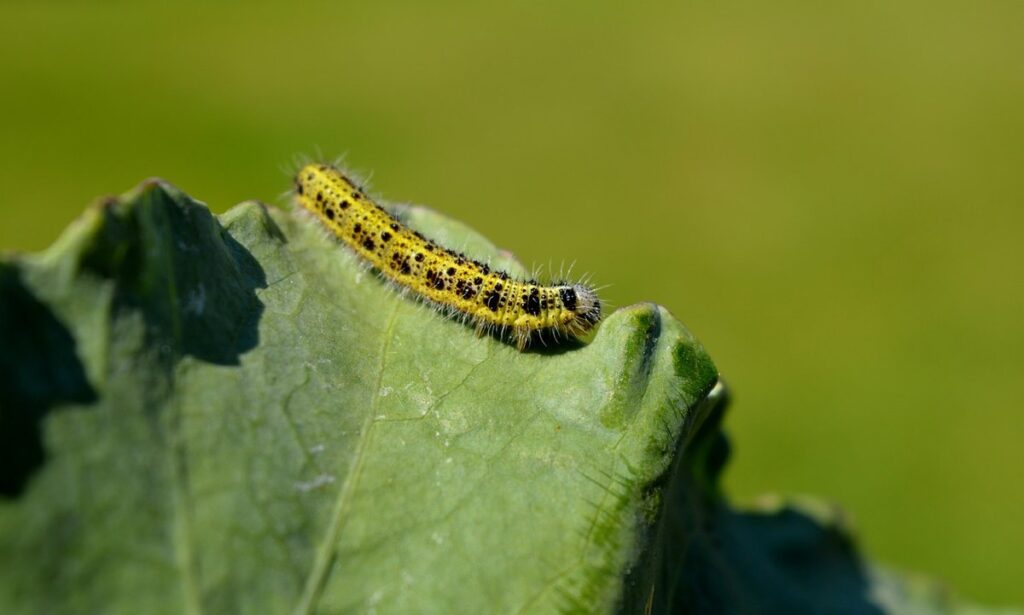
Understanding the Life Cycle of Caterpillars
From egg to adult butterfly, the life cycle of a caterpillar is truly fascinating. Let’s take a closer look at each stage and what it means for your precious cabbage crop.
What Are Caterpillars?
Caterpillars are the larval stage of butterflies and moths, playing a crucial role in the life cycle of these insects. As they grow and develop, they undergo a complete transformation to reach their adult form. This process is known as holometabolism, where the caterpillar emerges from an egg, molts several times to increase its size, and eventually forms a pupa before emerging as a fully formed adult butterfly or moth.
To understand the life cycle of caterpillars on cabbage, it’s essential to recognize that they go through four distinct stages: eggs, larvae (caterpillars), pupae, and adults. The caterpillar stage is the most recognizable, with its distinctive body shape and feeding habits. These hungry insects feed almost exclusively on plants like cabbage, which can lead to significant damage if not managed properly.
In the context of cabbage, caterpillars are often a nuisance, but they also serve as an important food source for various birds, bats, and other animals. By understanding their life cycle, you can take steps to manage these pests and maintain a healthy crop while also appreciating the vital role they play in the ecosystem.
The Importance of Cabbage as a Food Source for Caterpillars
Cabbage is an essential food source for many species of caterpillars, including the cabbage looper and the imported cabbageworm. These insects have evolved to rely on cabbage as a primary source of nutrition due to its rich content of proteins, carbohydrates, and fiber.
The nutrient profile of cabbage makes it an ideal food source for caterpillars. Cabbage is high in sugars, which provide energy for growth and development. Additionally, cabbage contains essential amino acids that are crucial for the production of enzymes and other biomolecules necessary for caterpillar development. The fiber content in cabbage also plays a significant role in the digestive system of caterpillars, helping to break down complex nutrients and facilitate nutrient absorption.
In fact, studies have shown that cabbage looper caterpillars that feed on high-quality cabbage sources exhibit faster growth rates and higher survival rates compared to those fed with lower quality food sources. This highlights the importance of cabbage as a food source for these insects. By providing cabbage as a primary food source, gardeners can create an optimal environment for caterpillar development and growth, allowing them to thrive and complete their life cycle successfully.
How to Identify Common Types of Caterpillars Found on Cabbage
When inspecting cabbage plants for caterpillar infestations, it’s essential to identify the common types of caterpillars you’re dealing with. This will help you determine the best course of action for control and prevention.
One way to start is by examining their physical characteristics. For instance, the cabbage looper (Trichoplusia ni) has a distinctive looped appearance when it moves, while the imported cabbageworm (Pieris rapae) has a more linear body shape with a pointed tail. The cross-striped cabbageworm (Evergestis rimosalis), on the other hand, has yellow stripes running across its back.
Another key factor is their habits and habitats. Cabbage looper caterpillars tend to feed on leaves during the day and rest in shelters at night, whereas imported cabbageworms are often found feeding on the plant’s stem or flowers. Knowing these differences can help you target specific control methods and reduce chemical use.
By paying attention to these physical characteristics and habits, you’ll be better equipped to tackle infestations and protect your cabbage crop.
The Damage Caused by Caterpillars on Cabbage
Caterpillars can be quite destructive when it comes to cabbage, and understanding the extent of their damage is crucial for gardeners. Let’s take a closer look at how these tiny pests affect your precious crop.
Economic Impacts of Caterpillar Infestations
Caterpillars can wreak havoc on cabbage crops, and their economic impact shouldn’t be underestimated. If left unchecked, infestations can lead to significant losses for farmers and gardeners. In fact, a single infestation can result in up to 90% crop loss in severe cases.
The cost of controlling caterpillar infestations can also be substantial. Farmers may need to employ chemical pesticides or biological controls, which not only come with a price tag but also pose environmental risks. According to the US Department of Agriculture, the average cost of controlling cabbage pests is around $500 per acre. This amount can add up quickly for larger farms or those with multiple infestations.
To put this into perspective, consider that an estimated 20-30% of global cabbage production is lost each year due to pest infestations. This translates to millions of dollars in losses annually. By understanding the economic implications of caterpillar infestations and taking proactive measures to control them, farmers can mitigate these losses and ensure a healthier, more productive crop.
Environmental Consequences of Unchecked Caterpillar Populations
When it comes to unchecked caterpillar populations on cabbage, many gardeners are aware of the damage they can cause to their prized plants. However, fewer people consider the broader environmental implications of these pests. Uncontrolled caterpillar populations can lead to a cascade of problems that affect not just your backyard garden, but also native ecosystems and even global biodiversity.
For example, when cabbage moths lay eggs near non-target crops, such as wildflowers or grasses, their larvae may accidentally infest these plants. This can cause unintended harm to beneficial species that are native to the area. Moreover, invasive caterpillar species can outcompete native species for resources and habitat, potentially leading to local extinctions.
To mitigate this issue, gardeners can practice integrated pest management (IPM) techniques, such as hand-picking caterpillars or introducing natural predators like parasitic wasps. By doing so, you can minimize the damage caused by caterpillars not just on your cabbage plants but also on surrounding ecosystems. This holistic approach to gardening can help maintain ecological balance and preserve biodiversity.
Cultural Significance of Cabbage as a Food Source for Human Consumption
Cabbage has been a cornerstone of many cultures worldwide for centuries. In Eastern European and Asian cuisines, it’s often pickled or fermented to add crunch and flavor to dishes like sauerkraut, kimchi, and coleslaw. But its significance goes beyond the plate; cabbage is also deeply rooted in cultural traditions and symbolism.
In China, cabbage represents good luck and prosperity, particularly during the Lunar New Year celebrations. In Korea, it’s a staple ingredient in traditional dishes like kimchi, which not only adds flavor but also provides essential nutrients during the harsh winter months. The use of cabbage as a food source is so ingrained that many cultures have developed unique ways to preserve and enjoy it throughout the year.
Interestingly, cabbage has also been used medicinally for centuries. Its high vitamin content and anti-inflammatory properties make it an excellent ingredient in traditional remedies for colds, flu, and digestive issues. While caterpillars may see cabbage as a vital food source, humans have come to appreciate its versatility and nutritional value, making it a truly fascinating crop that transcends its role in the ecosystem.
Biological Control Methods for Managing Caterpillar Populations
One of the most effective ways to manage caterpillar populations is through biological control methods, which harness natural predators and parasites to keep pest numbers in check. We’ll explore some innovative approaches here.
Using Predatory Insects to Control Caterpillar Populations
When it comes to managing caterpillar populations on cabbage, many farmers and gardeners turn to traditional methods such as pesticides. However, these can be hazardous to the environment and may not always provide a long-term solution. A more effective and sustainable approach is through biological control methods, particularly the use of predatory insects.
Parasitic wasps, for example, are natural predators of caterpillars. These tiny wasps lay their eggs inside the bodies of caterpillars, where their larvae feed on the caterpillar’s internal organs. This ensures that even if a few caterpillars manage to escape control measures, they will still be vulnerable to parasitic wasp attacks.
Lacewings are another beneficial insect that can help control caterpillar populations. These delicate-looking insects are voracious predators of caterpillars and can consume large quantities of them in a short amount of time. To encourage lacewing populations in your garden, plant nectar-rich flowers such as dill or fennel to provide a food source for these beneficial insects.
By introducing parasitic wasps and lacewings into your cabbage crop, you can effectively manage caterpillar infestations without resorting to pesticides. This not only protects the environment but also ensures that your cabbage crop remains healthy and free of pests.
Encouraging Natural Predators of Caterpillars on Cabbage
As you work to manage caterpillar populations on your cabbage crop, it’s essential to consider inviting natural predators into the fold. These beneficial insects can be a gardener’s best friend when it comes to keeping pest populations under control.
One way to encourage natural predators is by creating a welcoming environment for beneficial insects. This includes incorporating plants that attract pollinators and predators alike, such as dill or mint, near your cabbage crop. By planting these “trap crops,” you’ll create a haven for beneficial insects like ladybugs, lacewings, and parasitic wasps.
These natural predators feed on caterpillars, helping to regulate their populations without the need for pesticides. To further support them, ensure that your garden or farm has an adequate source of food and shelter for these beneficial insects. This can be as simple as providing a water source or creating a habitat with rocks or logs for them to hide in.
Biological Controls vs. Chemical Pesticides: A Comparative Analysis
When it comes to managing caterpillar infestations on cabbage, two popular approaches come to mind: biological controls and chemical pesticides. While chemical pesticides might seem like a quick fix, they can have unintended consequences on the ecosystem. In contrast, biological controls offer a more sustainable solution that not only protects the environment but also promotes long-term results.
Biological controls involve introducing natural predators or parasites of caterpillars into the affected area. For example, trichogramma wasps are known to prey on cabbage moths and their larvae. By releasing these beneficial insects, farmers can maintain a balance between their crops and the ecosystem. On the other hand, chemical pesticides can harm beneficial insects, contaminate soil and water, and even contribute to the development of pesticide-resistant pests.
To make the switch to biological controls, start by identifying the types of caterpillars infesting your cabbage crop and introducing their natural predators or parasites accordingly. You can also adopt integrated pest management (IPM) strategies that combine physical barriers, cultural practices, and biological controls for a holistic approach to pest management. With careful planning and execution, you can reduce chemical pesticide use and create a healthier environment for your crops and the ecosystem.
Managing Caterpillar Infestations through Integrated Pest Management (IPM)
When dealing with a caterpillar infestation on your cabbage crop, it’s essential to adopt an integrated approach that balances effective control methods with environmental responsibility. This section explains how IPM can help you manage the issue sustainably.
Understanding IPM Principles for Effective Pest Control
Effective pest management requires a multi-faceted approach that considers the complex interactions between pests, plants, and their environment. This is where Integrated Pest Management (IPM) comes into play. IPM is not just about spraying chemicals to kill pests; it’s a holistic strategy that incorporates cultural controls, physical barriers, biological control methods, and other tactics to minimize harm to people, the environment, and beneficial organisms.
When managing caterpillar infestations on cabbage, IPM principles can be applied in various ways. For instance, crop rotation and sanitation practices can help reduce pest populations by breaking their life cycles and removing food sources. Physical barriers like fine-mesh screens or fine-netted row covers can prevent adult moths from laying eggs on your cabbage plants.
Biological control methods involve introducing beneficial organisms that prey on or compete with the target pests. For example, parasitic wasps or lady beetles can be introduced to control caterpillar populations. By adopting an IPM approach, you’ll not only reduce chemical use but also foster a healthier ecosystem for your crops and the environment.
Applying IPM Strategies in Cabbage Fields: Best Practices
When it comes to managing caterpillar infestations in cabbage fields, applying Integrated Pest Management (IPM) strategies is crucial for a healthy and sustainable crop. As a gardener or farmer, you want to minimize the use of chemical pesticides while maximizing yields.
Start by monitoring pest populations regularly. This can be done through visual inspections or using pheromone traps to detect caterpillar presence early on. Once you’ve identified an infestation, adjust your management tactics accordingly. For example, if the infestation is mild, you might try hand-picking or introducing beneficial insects like parasitic wasps that prey on caterpillars.
However, if the infestation is severe, consider using targeted chemical control methods. Always follow the recommended dosage and safety precautions to avoid harming non-target species. Another key aspect of IPM is crop rotation and sanitation. Regularly remove weeds and debris from the field to reduce sheltered areas for pests. Rotate your cabbage crop with other vegetables to break pest cycles and improve soil health. By adopting these best practices, you can effectively manage caterpillar infestations in your cabbage fields while maintaining a balanced ecosystem.
Conclusion
As you’ve learned about the fascinating world of caterpillars on cabbage, it’s time to take action. Remember that prevention is key when it comes to protecting your prized cabbages from these hungry critters. Regularly inspecting your plants for signs of infestation and keeping a close eye out for eggs or larvae can help you catch problems early on. If you do find yourself dealing with a caterpillar problem, consider using natural deterrents like Bt (Bacillus thuringiensis) or introducing beneficial insects that prey on these pests.
By taking proactive steps to manage caterpillar populations, you’ll be well on your way to enjoying a healthy and thriving crop of cabbage. With this newfound knowledge, go ahead and tend to those cabbages with confidence – they deserve it!
Frequently Asked Questions
How Can I Monitor My Cabbage Crop for Early Signs of Caterpillar Infestation?
Monitoring your cabbage crop regularly is crucial to detecting early signs of caterpillar infestation. Look out for small holes or torn leaves, as well as the presence of eggs or actual caterpillars on the plants. Check the undersides of leaves and the stem for any signs of damage or pests. Regularly inspecting your crop can help you catch issues before they become severe.
What If I’ve Identified a Caterpillar Infestation, But I Don’t Know Which Type It Is?
Identifying the type of caterpillar is essential to developing an effective management strategy. Consult with local experts, such as entomologists or agricultural extension services, for guidance on identifying common types of caterpillars found on cabbage. You can also use online resources and field guides to help you determine the type of caterpillar infesting your crop.
Can I Use Chemical Pesticides to Control Caterpillar Populations?
Yes, chemical pesticides can be effective in controlling caterpillar populations in the short term. However, they also pose environmental risks and may harm beneficial insects. As part of an integrated pest management (IPM) strategy, chemical pesticides should be used judiciously and only when necessary.
How Can I Encourage Natural Predators to Control Caterpillar Populations?
Encouraging natural predators is a key component of IPM. This can involve creating a diverse ecosystem by planting a variety of crops that attract beneficial insects, such as ladybugs or lacewings, which prey on caterpillars. You can also avoid using broad-spectrum pesticides, which harm these beneficial insects.
Can I Use Biological Controls to Manage Caterpillar Populations Year-Round?
No, biological controls are most effective when used in conjunction with other management strategies during peak pest periods. While certain parasitic wasps or predators can be introduced year-round, their effectiveness may vary depending on environmental conditions and the specific pest species involved. It’s essential to monitor your crop regularly and adjust your management strategy accordingly.