
Basil lovers, do you struggle with leggy stems and meager yields from your precious herb plant? You’re not alone! Pinching basil is a simple yet crucial technique that can make all the difference in promoting bushy growth, preventing legginess, and increasing overall yields. But, how exactly do you pinch basil correctly to achieve these desirable results?
In this comprehensive guide, we’ll dive into the world of pinching basil and explore its benefits for your plants. We’ll cover the science behind why pinching is essential for promoting bushy growth and preventing legginess. By following our easy-to-implement tips and techniques, you’ll be on your way to harvesting a more robust and resilient basil plant in no time. Whether you’re a seasoned gardener or just starting out, this guide will provide you with the knowledge you need to take your basil game to the next level.
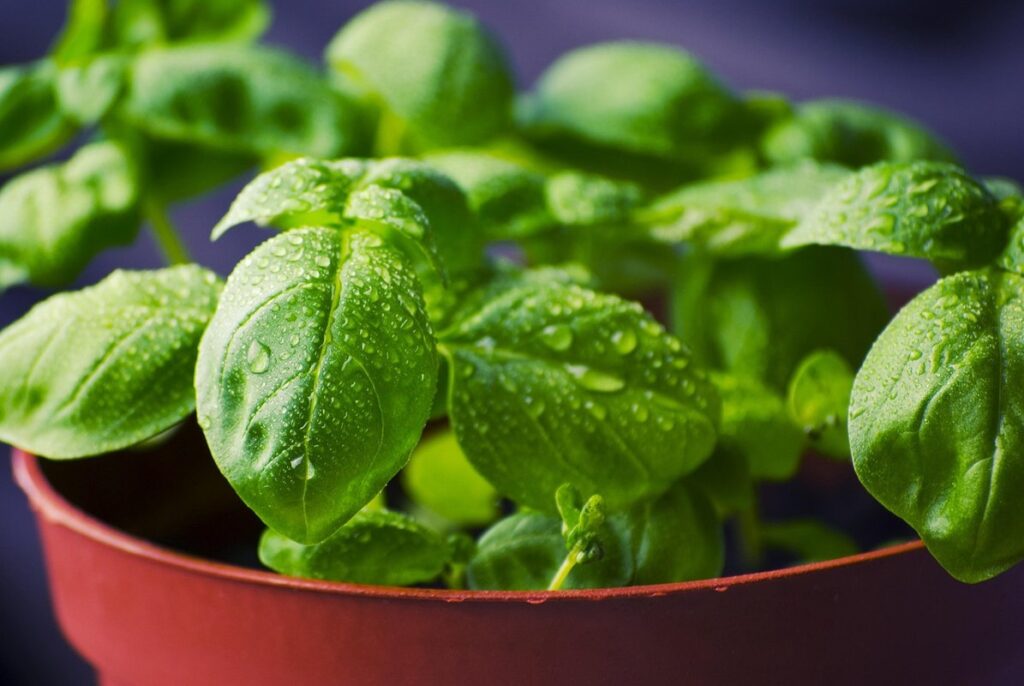
The Science Behind Pruning Basil
Pruning basil isn’t just a gardening technique, but also a scientifically-supported method that promotes bushy growth and prevents flowering. Let’s explore the reasons why this simple practice has such a profound impact on our beloved herb.
Why Prune Basil?
Pruning basil is essential for promoting bushy growth and preventing legginess. When left unpruned, basil plants can become lanky and stretched out, which not only affects their appearance but also reduces their overall yield. This occurs because the plant focuses its energy on producing long stems instead of developing a robust root system and dense foliage.
To understand why pruning is necessary, consider how plants grow. They have an innate tendency to reach for light, especially when it’s scarce. Basil is no exception, and if not pruned, it will continuously produce new growth in an attempt to access more sunlight. However, this results in weak stems that are susceptible to damage from wind or pests.
By regularly pruning your basil plants, you encourage bushy growth by directing the plant’s energy towards developing a dense, compact structure rather than producing long, spindly stems. This technique also promotes healthy root development and increases yields, making it an essential practice for any serious basil grower.
Types of Pinching Methods
When it comes to pinching basil, there are several techniques you can use to remove the top sets of leaves and encourage bushy growth. One common method is stem pinching, where you simply pinch off the top set of leaves with your fingers or a pair of tweezers. This method helps to prevent the plant from flowering and directs its energy towards producing more foliage.
Another technique is leaf removal, which involves gently plucking off individual leaves at the node (where the leaf meets the stem). This method can be a bit more time-consuming, but it allows for greater control over the amount of growth that’s removed. You can also use tip cutting, where you cut off the top inch or so of the plant using a sharp pair of scissors.
Regardless of which method you choose, the key is to remove no more than one-third of the plant’s height at any given time. This will give the plant enough energy to recover and continue producing new growth without becoming stressed.
When to Start Pruning
When it comes to pinching basil for bushier plants, timing is everything. You want to begin pruning at the right moment to encourage branching and prevent legginess. As a general rule, it’s best to start pinching basil plants when they reach about 6-8 inches in height. This usually occurs around 1-2 weeks after transplanting.
At this stage, the plant has developed its initial set of leaves, and you’ll notice that it starts to produce a long stem with few branches. Pinching off the top growth will encourage the plant to focus its energy on developing more lateral shoots, resulting in a fuller and bushier appearance.
Keep in mind that pinching too early can be counterproductive, as it may cause the plant to become stressed. Conversely, waiting too long to pinch can result in a leggy plant with minimal branching. By starting your pruning routine at this optimal stage, you’ll set the foundation for a robust and visually appealing basil plant.
Benefits of Pinching Basil
When done correctly, pinching basil can lead to bushier plants and a healthier root system, making it easier to enjoy your homegrown harvest all season long. Let’s explore the benefits in more detail.
Encourages Bushy Growth
When you pinch basil regularly, it triggers the plant to focus its energy on producing new growth from lateral buds. This is because pinching off the terminal bud (the top set of leaves) signals to the plant that it’s not yet mature enough for flowering, and as a result, it redirects its resources towards developing more vegetative mass.
In essence, this means that regular pruning encourages your basil plant to grow bushier and more compact. By removing the terminal bud, you’re allowing the lateral buds on either side of the stem to take over, producing new growth and resulting in a fuller, more robust plant.
To maximize this effect, make sure to pinch off the top set of leaves when they reach about one-third to one-half of the way up from the base of the plant. This will allow you to direct the plant’s energy towards developing its lateral buds, promoting even bushier growth.
Increases Yield
When you pinch basil regularly, you’re encouraging the plant to focus its energy on producing more leaves rather than developing a long stem. This not only results in bushier growth but also increases the overall yield of your basil plant.
As the plant adapts to having its terminal bud removed, it redirects its resources towards lateral branching, which in turn leads to a higher number of leaves being produced. In fact, studies have shown that pinching basil can increase leaf production by up to 30% compared to unpinched plants.
By promoting bushy growth and reducing stress on the plant, you’re also giving your basil more chance to thrive and produce its best flavor. This means you’ll end up with a bountiful harvest of fresh, fragrant leaves that are perfect for adding to your favorite dishes.
To maximize the yield of your pinched basil plants, be sure to provide them with plenty of sunlight, water, and nutrients. With regular pinching and proper care, you can enjoy a continuous supply of fresh basil leaves all season long.
Prevents Legginess
When you regularly pinch basil, it not only encourages bushy growth but also prevents legginess. A leggy plant is a weak and scrawny one that’s more prone to disease and pests. This happens when the plant directs all its energy towards producing stem length instead of width. By pinching off the tip, you’re essentially forcing the plant to focus on branching out.
Think of it like a child who’s been given unlimited ice cream – they’ll eat as much as possible without worrying about eating too little of other essential foods. Similarly, if your basil isn’t pruned regularly, it will continue to grow taller and thinner, sacrificing its lateral growth in the process. To prevent this, make pinching a part of your regular pruning routine.
Pinching encourages the plant to produce more nodes, which are the joints where new shoots emerge. This results in a denser, bushier plant that’s less susceptible to disease and pests. So, don’t be afraid to pinch off those top leaves – it might seem counterintuitive at first, but trust us when we say it’s worth it for the benefits you’ll see in your basil plants.
How to Pinch Basil Correctly
To pinch basil correctly, you need to identify the right node and remove it at the correct angle to promote healthy growth and a bushy shape. Let’s dive into the technique step by step.
Tools Needed for Pruning
To pinch basil effectively and achieve bushier plants, you’ll need a few essential tools. Pruning scissors or pinchers are the primary equipment required for this task. Look for high-quality, sharp blades that can easily snip through the stems without causing damage.
You may also want to consider investing in a good pair of gardening gloves. While not necessary, gloves will protect your hands from dirt, thorns, and other plant debris, making it easier to pinch basil without any discomfort.
When choosing pruning scissors or pinchers, make sure they have sharp blades and are specifically designed for trimming plants. This will ensure you can pinch the basil stems cleanly and efficiently.
In addition to these tools, having a clean and sterile work surface is also essential. Pinch the basil on a flat, stable surface, free from any distractions or obstacles. This will allow you to focus on pinching the basil accurately, resulting in healthier and bushier plants.
Pinching Techniques for Different Growth Stages
When it comes to pinching basil correctly, timing is everything. As your plants progress through different growth stages, you’ll need to adjust your pinching technique to encourage bushy growth and prevent legginess. Here’s a step-by-step guide on how to pinch off tips at various stages of growth.
For seedlings (1-2 weeks old), simply remove the first set of true leaves to encourage the plant to focus its energy on developing a strong stem. This is a crucial stage, as it sets the foundation for future growth. Remove any weak or spindly growth to promote robust development.
As your basil plants reach 4-6 inches in height (about 2-3 weeks old), start pinching off the top set of leaves every week or two. This will stimulate branching and encourage a bushy shape. Make sure to leave at least three sets of leaves on the stem to prevent shock. By regularly pinching off tips, you’ll be directing your plant’s energy towards producing more stems rather than reaching for sunlight.
For mature plants (6 inches plus), reduce the frequency of pinching to once every 4-6 weeks. At this stage, focus on maintaining a balanced shape and promoting healthy growth.
Tips for Maintaining Plant Health
When pinching basil to promote bushy growth, it’s essential to prioritize minimizing damage to the plant. This is especially crucial if you’re new to pruning or working with delicate herbs. To prevent unnecessary stress and potential harm, make sure to handle the plant gently from start to finish.
Begin by washing your hands thoroughly before handling the basil plant. Cleanliness is key when it comes to preventing the spread of diseases and pests. Next, sanitize your pruning tools using a mixture of water and bleach or a dedicated gardening disinfectant. This will help eliminate any bacteria that may be lurking on your shears, allowing you to make clean cuts.
When pinching individual stems, use a gentle yet firm touch to avoid snapping the delicate shoots. Gently grasp the stem between your thumb and index finger, taking care not to bruise or crush the plant’s tissues. Hold the stem at an angle, making sure the pinch is about one-quarter of the way from the leaf node. This will allow for optimal growth and prevent any potential damage to the plant’s vascular system.
To further reduce stress on your basil plant, be mindful of when you’re pinching. Aim to prune in the morning, after the plant has had a chance to absorb moisture overnight but before the intense heat of the day sets in. This will give your basil the best opportunity to recover and continue growing strong and bushy.
Common Mistakes to Avoid
To get the best results from pinching basil, it’s crucial to steer clear of common mistakes that can actually hinder your plant’s growth and bushy development. Let’s explore some pitfalls to watch out for.
Over-Pinching: A Common Pitfall
Over-pinching basil can be just as detrimental to your plants’ health as under-pruning. When you remove too much of the plant’s growth at once, it can shock the roots and cause significant stress to the basil. This can leave the plant vulnerable to disease and pests, making it more susceptible to issues like powdery mildew or spider mites.
In addition to these problems, over-pinching can also lead to reduced yields in the long run. By removing too much of the foliage, you’re reducing the plant’s ability to photosynthesize and produce new growth. This means that your basil plants may not reach their full potential, resulting in smaller harvests and a less bushy shape.
To avoid over-pinching, it’s essential to be gentle when pruning your basil. Remove only the top sets of leaves, making sure to leave at least two nodes (the joint where a leaf meets the stem) intact. This will help the plant redirect its energy towards producing new growth, rather than focusing on repairing itself from the shock of over-pinching.
Under-Pinching: The Consequences
Under-pruning basil can have several unintended consequences that might surprise even experienced gardeners. If you don’t pinch off enough of the top growth, the plant will continue to focus its energy on producing long, leggy stems rather than developing a robust and bushy shape.
This leads to weak, spindly growth that’s more prone to disease and pests. A basil plant that’s not pinched regularly can become leggy and gangly, with many of its lower leaves dying off as the upper portion continues to grow in an effort to reach sunlight. Not only does this affect the plant’s overall appearance but it also means you’ll get fewer harvests throughout the season.
To avoid under-pruning basil, it’s essential to monitor your plants regularly and pinch off no more than one-third of the top growth at a time. This will encourage bushy growth by forcing the plant to focus on producing new leaves and stems from the remaining stem tissue.
Other Factors Affecting Pruning Success
In addition to pinching basil correctly, several other factors can significantly impact the success of pruning for bushier plants. Light exposure, temperature, and soil quality are three key elements to consider.
Light is a crucial factor in determining the health and growth of basil. Direct sunlight for most of the day will promote healthy foliage, but intense heat can lead to leaf scorch and reduced growth. Aim for 4-6 hours of direct sunlight per day, or filter the sun’s rays with a sheer curtain if necessary.
Temperature fluctuations can also affect pruning success. Most varieties of basil thrive in temperatures between 65°F to 75°F (18°C to 24°C). Avoid exposing your plants to frost, as this can damage the plant and lead to reduced growth.
Lastly, soil quality plays a vital role in maintaining healthy roots. Well-draining, rich soil with a pH between 6.0 and 7.0 will promote strong root development and support optimal growth. Test your soil regularly to ensure it remains in an ideal condition for basil growth.
Pinching Basil for Different Varieties
To grow a lush and full basil plant, you’ll want to know how to pinch back different varieties for optimal results, from sweet Genovese to fragrant Thai. We’ll break it down by type.
Adaptations for Popular Varieties
When it comes to pinching basil, different varieties require unique techniques. Let’s take a closer look at three popular types: sweet basil, Thai basil, and lemon basil.
Sweet basil is one of the most common varieties used in cooking, and for good reason – its mild flavor pairs well with a variety of dishes. To promote bushy growth in sweet basil, pinch off the top set of leaves when they’re about 1-2 inches tall. This will encourage the plant to focus energy on producing new growth rather than flowering.
Thai basil, on the other hand, has a more delicate flavor and prefers to be pinched slightly higher up – around 3-4 sets of leaves from the base. This allows it to maintain its distinctive aroma and flavor profile.
Lemon basil requires a bit more care when it comes to pinching. To promote bushy growth in this variety, pinch off only the top third of the stem, taking care not to damage any of the delicate roots. By adjusting your pinching technique for each type of basil, you can ensure they grow strong and healthy, perfect for adding a burst of fresh flavor to your favorite dishes.
By implementing these specific techniques, you’ll be well on your way to growing bushy, robust basil plants that will elevate your cooking to the next level.
Special Considerations for Hybrid or Heirloom Plants
When it comes to pinching basil for hybrid or heirloom varieties, you’ll need to take into account their unique growth patterns and special requirements. For instance, some hybrids have a more aggressive growth habit than others, requiring more frequent pinching to maintain bushy shape.
Take the popular ‘Genovese’ variety, which is known for its robust growth and strong stem development. To keep this basil looking its best, you’ll want to pinch off the top set of leaves every 7-10 days, about an inch from the crown. This will encourage branching and prevent the plant from flowering too early.
On the other hand, heirloom varieties like ‘Thai Basil’ or ‘Lemon Basil’ may require a slightly different approach. These plants tend to have more delicate growth habits and can be prone to bolting if pinched too aggressively. To avoid stressing these plants, pinch off only 1-2 sets of leaves at a time, and space out your pinching sessions by every 10-14 days.
Ultimately, the key is to observe your plant’s response to pinching and adjust your technique accordingly. By doing so, you’ll be able to tailor your approach to meet the unique needs of each hybrid or heirloom basil variety in your garden.
Advanced Pruning Techniques
Once you’ve mastered the basics of pinching basil, it’s time to take your skills to the next level with advanced pruning techniques that promote even more lush growth.
Leaf Removal vs. Tip Cutting: Choosing the Right Method
When it comes to promoting bushy growth in basil plants, two popular methods often get confused: leaf removal and tip cutting. While both techniques aim to encourage a fuller plant, they serve different purposes and have distinct benefits.
Leaf removal involves removing lower leaves that are no longer needed by the plant, typically when the stem is growing tall enough to reach the top of the pot. This method promotes bushy growth by allowing more light to reach the remaining leaves and encouraging lateral growth. On the other hand, tip cutting involves pinching off the growing tips of the stems to encourage branching.
For delicate or young basil plants, leaf removal can be an effective way to promote bushy growth without causing stress to the plant. However, for mature or robust plants, tip cutting is often a better option as it encourages more vigorous and controlled branching. It’s essential to note that over-pruning can lead to weakened plants, so balance is key.
Ultimately, the best method depends on your specific basil variety, growth stage, and desired outcome.
Multi-Stemming for Maximum Yield
Multi-stemming is a technique that allows you to utilize multiple stems on a single basil plant to maximize yield potential while maintaining optimal bushiness. This method involves pinching off the terminal growth points and encouraging the side shoots to grow into new stems. By doing so, you’ll not only increase the overall production of your basil plant but also maintain its compact, bushy shape.
To apply multi-stemming successfully, start by selecting a strong, healthy stem as the primary leader. Then, identify the largest side shoot and pinch it off about an inch above a leaf node. This will stimulate the growth of new shoots from that node, which can then be trained to grow into additional stems. Continue this process with other prominent side shoots to create multiple stems.
By using multi-stemming, you’ll not only increase your basil harvest but also ensure a more balanced and robust plant structure. This technique is particularly useful for plants like ‘Genovese’ or ‘Sweet Basil’, which tend to grow quite tall if left unpruned.
Conclusion: Reaping the Rewards of Pinching Basil
Now that you’ve learned how to pinch basil for bushier plants, let’s explore the benefits and rewards of practicing this technique, from enhanced growth to improved flavor.
Recap of Key Takeaways
As we wrap up our comprehensive guide to pinching basil for bushier plants, it’s essential to recap the key takeaways to ensure you’re equipped with the knowledge to promote healthy growth and increased yields. By now, you’ve learned that pinching basil is a simple yet effective technique to control its shape, encourage branching, and ultimately, produce more leaves.
One of the primary benefits of pinching basil is that it redirects the plant’s energy from producing long stems to developing a bushier habit. This not only makes your plants look more aesthetically pleasing but also increases their overall yield. By removing the terminal growth point (the top set of leaves), you’re forcing the plant to produce lateral shoots, which in turn, produce more flowers and leaves.
In addition to promoting healthy growth, pinching basil also helps to prevent legginess and promotes root development. This is especially important for indoor gardeners who want to maintain their plants’ shape without having to prune them excessively. By regularly pinching your basil plants, you’ll be able to enjoy a continuous supply of fresh leaves throughout the growing season.
To recap, here are some essential tips to keep in mind: Pinch off the top set of leaves when the plant reaches about 6-8 inches tall. Make clean cuts just above a node (where a leaf meets the stem) to avoid damaging the plant. Repeat this process regularly to maintain your basil’s shape and promote healthy growth.
By implementing these simple techniques, you’ll be well on your way to growing bushier, more productive basil plants that will add flavor and fragrance to your culinary creations all season long.
Frequently Asked Questions
Can I pinch basil leaves too soon after planting?
No, it’s best to wait until your basil plant has at least two sets of leaves before pinching. This allows the plant to establish a strong root system and develop its foliage before focusing on branching out.
Will pinching stop my basil from flowering?
Pinching can reduce flowering, but it won’t completely eliminate it. For some varieties, like Thai basil, flowering is a natural process that promotes seed production. To minimize flowering, focus on regular pruning and provide your plant with sufficient light and nutrients.
How often should I pinch my basil plant for optimal growth?
For most varieties of basil, pinching every 7-10 days will encourage bushy growth and prevent legginess. However, this may vary depending on the specific variety, growing conditions, and desired outcome. Experiment to find the right frequency for your plants.
Can I use any old tool or pruning shears to pinch my basil?
Using clean, sharp tools is essential when pinching basil. Dull blades can damage leaves and stems, leading to disease and other issues. Disinfect your pruning shears after each use and replace them regularly to maintain the health of your plants.
What are some common mistakes beginners make when pinching basil?
Common mistakes include over-pinching (removing too much foliage at once) or under-pinching (not removing enough growth tips). These mistakes can lead to stunted growth, reduced yields, or an increased risk of disease. Be patient and adjust your technique as you gain experience with pruning basil.