
Are you tired of constantly watering your vegetable garden, only to watch some of that precious water evaporate into thin air? Do you wish there was a way to reduce waste and promote healthy growth for your plants? Well, you’re in luck! Self-watering containers for vegetables are here to revolutionize the way you garden. Not only do these innovative containers minimize water waste, but they also provide your veggies with a consistent supply of moisture – perfect for promoting lush, vibrant growth.
In this article, we’ll dive into the world of self-watering containers and explore how to choose the right one for your needs. We’ll discuss the benefits of using these containers, from reduced water consumption to improved yields. By the end of this post, you’ll have a solid understanding of how to maximize the performance of your self-watering container and take your vegetable garden to the next level.
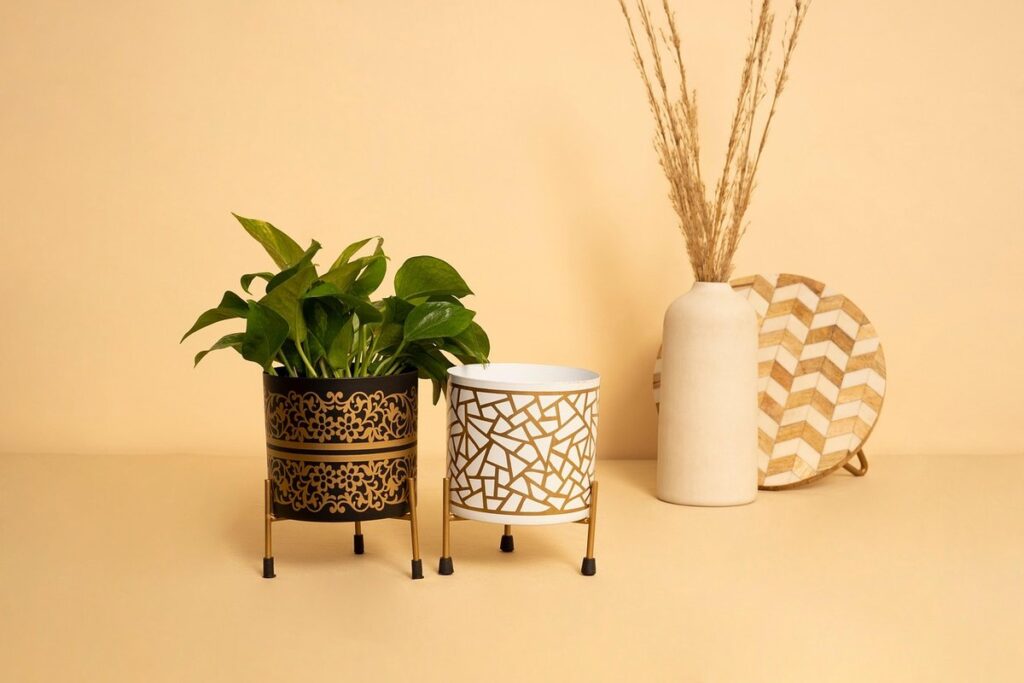
Benefits of Self-Watering Containers
Now that you know how self-watering containers work, let’s explore the benefits they offer for your vegetable garden, from reduced watering worries to increased yields.
Reduces Water Waste and Overwatering Risks
One of the most significant advantages of self-watering containers is their ability to minimize water waste and reduce the risk of overwatering. This is particularly important for vegetable gardeners, as excessive moisture can lead to root rot, fungal diseases, and other issues that can be detrimental to plant growth.
When using traditional watering methods, it’s easy to inadvertently overwater your vegetables. But self-watering containers have a built-in system that ensures plants receive the right amount of water without excess. The excess water is often stored in the container’s reservoir or reservoir pan, where it can be reused by the plant as needed.
This efficient watering system not only conserves water but also reduces the risk of overwatering-related problems. For example, by reducing the frequency of watering, you’ll lower your chances of introducing diseases and pests that thrive in moist environments. To get the most out of self-watering containers, make sure to monitor your plants’ needs closely and adjust the watering schedule accordingly.
By adopting self-watering containers for your vegetable garden, you can enjoy healthier, more resilient plants while also doing your part for water conservation.
Improves Vegetable Yield and Quality
When you use self-watering containers for vegetables, one of the most significant benefits is improved vegetable yield and quality. This happens because these containers promote healthy root development, which is essential for plants to absorb nutrients and water efficiently.
Healthy roots are able to grow deeper into the soil, allowing them to access more water and nutrients than they would in a traditional container. This leads to larger, healthier vegetables with better flavor and texture. For instance, a gardener in California reported that their tomatoes yielded 25% more fruit when grown in self-watering containers compared to those grown in standard containers.
To achieve similar results, make sure the water reservoir is at least 2-3 times the size of the soil volume. This will provide enough water for the roots to absorb as needed, reducing stress on the plant and promoting optimal growth. Additionally, use a well-draining potting mix to prevent waterlogged soil conditions that can be detrimental to root health. By following these tips, you’ll be able to enjoy an abundance of delicious, homegrown vegetables from your self-watering containers.
Choosing the Right Self-Watering Container
When it comes to self-watering containers, selecting the right one for your vegetable garden is crucial. Here’s how to choose a container that suits your needs and plant varieties.
Types of Self-Watering Containers Available
When it comes to self-watering containers, you’ve got several options to choose from. One popular type is those with built-in water reservoirs, also known as sub-irrigation systems. These containers have a separate compartment that stores excess water, which is then absorbed by the soil as needed.
Another option is moisture-controlled systems, where sensors detect the level of moisture in the soil and release more water from a reservoir when necessary. Some self-watering containers use wicking materials like cotton or fabric to draw water up into the soil, while others employ more complex mechanisms involving pumps and tubing.
For gardeners on a budget, consider DIY projects that repurpose old containers or build custom systems using PVC pipes and fittings. These can be just as effective as store-bought models and offer the added benefit of being inexpensive and customizable.
If you prefer to buy commercial products, look for ones specifically designed for vegetable gardening, such as those with separate compartments for seed starting or built-in trellises. By considering these various options, you can find a self-watering container that fits your needs and helps you grow healthy, thriving vegetables all season long.
Key Features to Consider When Selecting a Container
When selecting a self-watering container for your vegetable garden, there are several key features to consider. First and foremost, think about the size of the container. Will it fit on your balcony, patio, or in a small backyard? Consider not only the space available but also the amount of produce you want to grow. A larger container will allow you to cultivate more plants, while a smaller one is better suited for compact gardens.
The material of the container is another crucial factor. Self-watering containers can be made from various materials such as plastic, wood, or recycled products. Consider the durability and maintenance requirements of each option. For instance, wooden containers may require regular painting to protect them from rotting, while plastic ones are often easier to clean.
Finally, think about ease of use. Do you want a container with an automatic water level indicator, or one that requires manual monitoring? Some self-watering containers come equipped with built-in sensors and smart irrigation systems, making it easy to ensure your plants receive the right amount of water.
How Self-Watering Containers Work
Self-watering containers work on a simple yet effective principle: as plants absorb water, it’s replaced automatically by a built-in water reservoir. This clever mechanism ensures your vegetables stay hydrated without daily watering.
The Science Behind Moisture-Regulating Systems
At its core, self-watering containers’ moisture-regulating systems are based on a simple yet ingenious principle: maintaining optimal soil moisture levels for plant growth. This is achieved through the use of specialized components such as wicking systems, water reservoirs, and evaporation-controlled lids.
The science behind these designs lies in the concept of hydroponics and aquaponics, where plants are provided with the exact amount of water they need to thrive, rather than being watered excessively or under-watered. This is made possible by the continuous exchange of moisture between the soil and a separate water reservoir, which ensures that the roots never dry out.
In self-watering containers, this process occurs through capillary action, where the plant’s roots draw water from the reservoir as needed. This eliminates the risk of overwatering, which can lead to root rot and other problems common in traditional container gardening. By mimicking natural processes, these innovative designs provide an ideal environment for vegetable growth, resulting in healthier, more robust plants with improved yields.
Example of Different Watering Mechanisms Used in Containers
Self-watering containers utilize various watering mechanisms to provide plants with the right amount of moisture. One common method is sub-irrigation, where a water reservoir is placed beneath the soil, and the roots draw water as needed. This is achieved through a system of tubes or wicks that absorb water from the reservoir and distribute it to the roots.
Another mechanism used in self-watering containers is passive irrigation systems. These systems rely on gravity and capillary action to deliver water to the plants. Water is stored in a chamber at the top of the container, and as the soil dries out, it draws water up through the wicks or tubes into the potting mix.
These mechanisms work together to ensure that plants receive the right amount of moisture without the need for manual watering. For example, the AQUA-4D self-watering planter uses a combination of sub-irrigation and passive irrigation systems to provide optimal water delivery to vegetables.
Setting Up and Maintaining Self-Watering Containers
To get started with self-watering containers, you’ll need to learn how to set them up correctly and maintain them for optimal performance and healthy plant growth. Let’s dive into the essential steps.
Step-by-Step Instructions for Assembly and Initial Setup
To assemble and set up a self-watering container for vegetables, start by reading through the manufacturer’s instructions to familiarize yourself with the specific components and requirements. Begin by placing the container on a level surface and ensuring it is securely positioned.
Next, add a 2-3 inch layer of small rocks or pebbles at the bottom of the container to facilitate drainage and prevent waterlogged soil. This will also help maintain good oxygen flow for healthy root growth.
Add a layer of potting mix or a well-draining seed starting mix on top of the rocks, leaving enough space for the plants’ roots to expand. Water the soil gently but thoroughly before planting your chosen vegetables. Finally, adjust the water level according to the manufacturer’s guidelines and monitor it regularly to ensure optimal moisture levels for your plants.
Some self-watering containers come with built-in water reservoirs or wicking systems; in these cases, refer to the manufacturer’s instructions for specific guidance on filling and adjusting the water level.
Ongoing Care and Maintenance Tips
To ensure your self-watering containers continue to thrive over time, it’s essential to monitor water levels and make adjustments as needed. Check the container’s water level regularly, especially during periods of high temperature or low rainfall. If you notice the water level dropping rapidly, top it up immediately.
As plants grow and mature, their watering needs may change. Be prepared to adjust the self-watering system accordingly. For example, if your plants are experiencing root bound conditions due to rapid growth, you may need to prune them back slightly or replace the potting mix with a more well-draining variety.
To optimize container performance over time, consider implementing a few simple maintenance tasks into your routine. These include repotting your plants every 6-12 months, inspecting and cleaning the self-watering system annually, and pruning plants regularly to promote healthy growth and prevent overcrowding. By following these tips, you’ll be able to enjoy bountiful harvests from your self-watering containers for years to come.
Common Challenges and Solutions
As you begin growing vegetables in self-watering containers, you may encounter a few unexpected issues – from clogged watering systems to overwatered plants. Let’s address these common challenges together.
Overcoming Initial Water Logging Issues
When you first start using self-watering containers, you may encounter some initial water logging issues. This can be frustrating, especially if you’re new to container gardening. However, don’t worry, it’s a common problem that many gardeners face.
To overcome this issue, make sure the soil in your self-watering container is well-draining and not too dense. You can also check the drainage holes at the bottom of the pot to ensure they are clear and functioning properly. If you find that your soil is too wet, simply add some organic matter like compost or perlite to improve its aeration.
It’s also essential to monitor the water level in your self-watering container regularly. Check the indicator line on the side of the pot, which will show you when it’s time to refill the reservoir with water. Avoid overfilling the reservoir, as this can lead to water logging. Instead, aim for a balance between keeping the soil consistently moist and allowing for some dryness between waterings.
By following these simple tips, you’ll be able to overcome initial water logging issues and enjoy healthy, thriving plants in your self-watering containers.
Preventing Pests and Diseases in Self-Watering Containers
As you enjoy the benefits of self-watering containers for vegetables, it’s essential to prevent pests and diseases that can thrive in the excess moisture these systems create. Excess moisture can lead to an ideal breeding ground for fungal diseases like root rot, leaf spot, and powdery mildew. To maintain a healthy ecosystem within your container, ensure good air circulation by placing them at least 6-8 inches apart from each other.
Regularly inspect your plants for signs of pests or diseases, such as whiteflies, aphids, spider mites, or discolored leaves. Use neem oil or insecticidal soap to control infestations, and treat fungal infections with fungicides specifically labeled for organic gardening. To prevent the spread of disease, remove any infected plants, disinfect tools, and wash your hands before handling healthy plants.
Some self-watering containers come equipped with built-in features that help prevent pests and diseases, such as mosquito nets or mesh screens to keep insects out. If you’re using a DIY self-watering system, consider adding these features for extra protection. By staying vigilant and taking proactive measures, you can enjoy a thriving harvest from your self-watering container garden.
Advanced Techniques for Maximizing Container Performance
To take your self-watering container game to the next level, we’ll dive into advanced techniques for optimizing performance and achieving even better results. Let’s explore some expert tips that will give you a competitive edge.
Intercropping and Companion Planting Strategies
When using self-watering containers for vegetables, you can take your gardening game to the next level by incorporating intercropping and companion planting strategies. These methods not only maximize space but also promote biodiversity and boost yields.
Intercropping involves growing multiple crops together in the same container, creating a diverse ecosystem that benefits each plant. For example, planting marigolds with tomatoes can deter nematodes, while basil repels pests that target cucumbers. This approach encourages beneficial relationships between plants, reducing the need for pesticides and other chemicals.
Companion planting takes it a step further by pairing crops based on their individual needs and growth habits. Some examples include: planting beans near corn to provide support, or using nasturtiums to repel aphids from leafy greens. By experimenting with different combinations, you can create a thriving container garden that requires minimal maintenance.
Start by selecting complementary plants that thrive in similar conditions and have distinct growing requirements. Research specific pairings online or through gardening books to ensure success. With intercropping and companion planting strategies, your self-watering containers will become even more productive and resilient, ensuring a bountiful harvest all season long.
Incorporating Additional Features, Like Irrigation Timers or Sensors
To maximize the performance of self-watering containers, consider integrating additional features like irrigation timers or moisture sensors. These technologies can enhance automation and precision watering, making gardening easier and more efficient.
One way to start is by installing an irrigation timer that allows you to schedule watering sessions for specific days and times. This ensures your vegetables receive consistent moisture levels, even when you’re away from home. For example, if you have a busy schedule during the week, set the timer to water your plants twice a day on weekdays.
Moisture sensors are another valuable addition, providing real-time data on soil moisture levels. When connected to an irrigation system, these sensors can automatically adjust watering schedules based on actual conditions. This prevents over- or under-watering, which can be detrimental to vegetable growth.
By incorporating these technologies, you’ll enjoy greater control and precision in your gardening practices, allowing you to focus on other aspects of plant care while still ensuring optimal water supply for your vegetables.
Conclusion: Embracing a Sustainable Future in Gardening
As we’ve explored the benefits and practical applications of self-watering containers for vegetables, let’s now reflect on how they can help you cultivate a more sustainable gardening routine.
Recap of Key Benefits and Takeaways
As we conclude our exploration of self-watering containers for vegetables, let’s recap the key benefits and takeaways that can help you transform your gardening experience. By incorporating these innovative containers into your garden, you’ll not only improve yields but also contribute to a more sustainable future.
One of the most significant advantages of self-watering containers is their ability to conserve water. Traditional watering methods often lead to overwatering, which can be detrimental to plant health and waste precious resources. Self-watering containers, on the other hand, allow plants to absorb water as needed, reducing evaporation and runoff. This efficient irrigation system helps you make the most of your water supply, perfect for areas with limited access to this vital resource.
By using self-watering containers, gardeners can also expect improved yields. With a consistent supply of moisture at their roots, plants are able to thrive in even the hottest or driest conditions. This means more bountiful harvests and less time spent watering and maintaining your garden. For example, a study conducted by a leading gardening organization found that self-watering containers increased vegetable yields by an average of 25% compared to traditional methods.
To maximize the benefits of self-watering containers, remember to choose containers with built-in water reservoirs or water-storing materials like foam or gel. These features will help regulate moisture levels and prevent overwatering. Additionally, ensure proper drainage to prevent root rot and other issues. By following these tips and embracing self-watering containers, you’ll be well on your way to creating a more efficient, productive, and sustainable garden that thrives for years to come.
Frequently Asked Questions
Can I use self-watering containers for any type of vegetable?
While self-watering containers are versatile, they’re particularly well-suited for vegetables that prefer consistent moisture levels, such as leafy greens, tomatoes, and cucumbers. However, it’s essential to research the specific watering needs of your chosen vegetables to ensure optimal growth.
How do I prevent pests and diseases in my self-watering container?
To minimize pest and disease issues, maintain good air circulation around your plants, keep the container clean, and use natural pest control methods whenever possible. Regularly inspect your plants for signs of stress or infestation, and take prompt action to address any problems that arise.
What’s the best way to integrate self-watering containers into my existing garden?
When incorporating self-watering containers into your garden, consider the mature size of the vegetables and leave sufficient space between containers for easy access. Also, ensure your container’s moisture-regulating system is compatible with your climate and local water conditions.
Can I use self-watering containers indoors or do they require outdoor placement?
Self-watering containers can be used both indoors and outdoors, provided you choose a suitable design that accommodates the specific growing conditions of your chosen location. Indoor containers may require more frequent monitoring to prevent overwatering, while outdoor containers should be protected from extreme weather fluctuations.
How often should I replace or clean the moisture-regulating system in my self-watering container?
The frequency of replacing or cleaning the moisture-regulating system depends on usage and local water conditions. Typically, you’ll need to inspect and maintain the system every 1-3 months, depending on how often you use your self-watering containers and the quality of the water used.