
When starting a new seedling from scratch, understanding how germination and stratification work together is crucial for success. Many gardeners are familiar with the concept of germination, where seeds sprout into seedlings, but fewer know about the importance of stratification in kickstarting this process. This natural phenomenon involves exposing seeds to specific environmental conditions that mimic winter or dormancy periods, essentially “tricking” them into growing. In this article, we’ll delve into the details of germination vs stratification, exploring how these two processes complement each other and provide evidence-based best practices for optimal seed development. By the end of it, you’ll be well-equipped to give your seeds the right environment for successful growth, from selecting the perfect conditions to creating an ideal stratification setup.
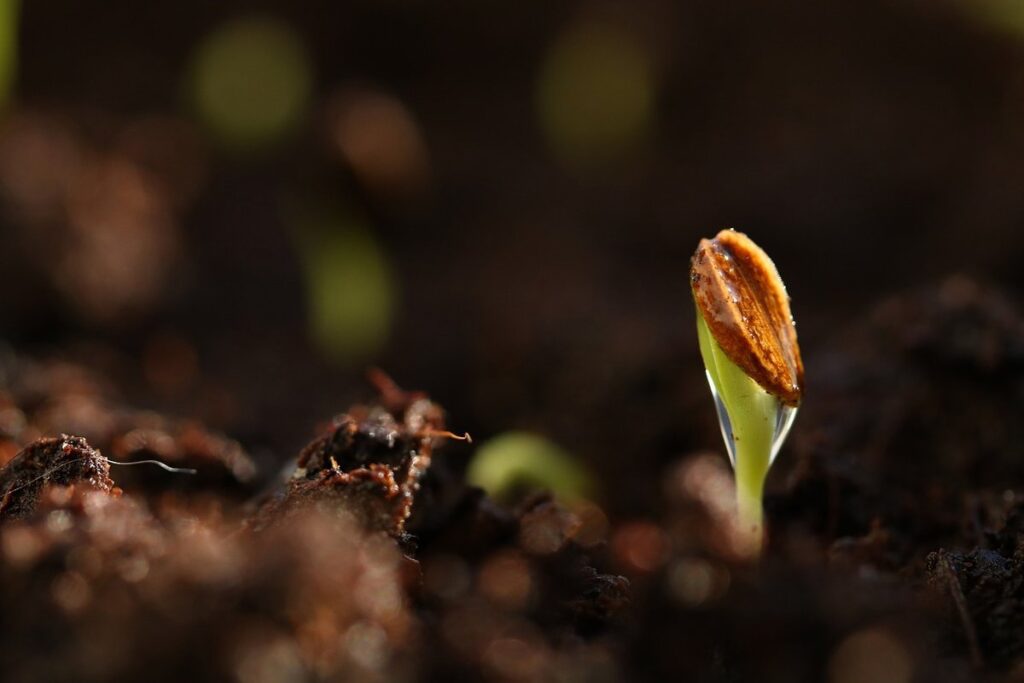
What is Germination?
Let’s dive into what germination is all about, a crucial step in the life cycle of any plant where seeds start to sprout and grow. This process requires specific conditions for success.
The Process of Germination
Germination is the initial stage of seed development, where the seed begins to sprout and grow into a new plant. It’s a critical process that determines the success of seed growth. For germination to occur, seeds require three essential elements: water, oxygen, and a suitable temperature.
Water plays a crucial role in rehydrating the embryo within the seed, allowing it to activate its metabolic processes. Without sufficient water, the seed will remain dormant, unable to initiate germination. Oxygen is also vital for germinating seeds as it enables the production of energy through respiration.
The process of germination typically involves three stages: imbibition, activation, and radicle emergence. During imbibition, the seed absorbs water, causing its embryo to rehydrate. Activation follows, where the seed’s metabolic processes are initiated, leading to the emergence of the radicle (primary root). As the radicle grows, it breaks through the seed coat, marking the beginning of germination.
Providing seeds with the right conditions can greatly influence their ability to germinate. Keep in mind that different species have unique temperature and moisture requirements, so research the specific needs of your plant variety before attempting germination.
Factors Affecting Germination Rates
The rate at which seeds germinate can be significantly impacted by various environmental factors. Temperature is one of the most critical elements that influence germination rates. For example, some plants require a period of cold stratification to break dormancy, while others thrive in warm temperatures above 70°F (21°C). Light exposure also plays a crucial role, with seeds often responding differently to light or darkness.
Soil conditions, such as moisture and oxygen levels, are equally important for successful germination. Seeds need consistent moisture to initiate growth, but overwatering can prevent them from germinating at all. Soil pH and nutrient availability can also affect seed development, making some areas of the garden more suitable than others.
To optimize germination rates, gardeners should consider these environmental factors when sowing seeds. Choosing a location with the right temperature range and providing adequate light exposure can make all the difference. Testing soil conditions and adjusting them as necessary can also help ensure successful seed germination. By paying attention to these details, you can give your seeds the best chance of thriving and developing into healthy plants.
Common Challenges to Germination
As you attempt to coax life from those tiny seeds, you may encounter some common challenges that can hinder germination. Poor seed quality is often a major issue, as old or low-quality seeds simply won’t sprout. To mitigate this, it’s essential to store your seeds properly in an airtight container and keep them cool and dry.
Inadequate moisture is another significant hurdle for germinating seeds. Seeds need consistent moisture to break dormancy and initiate growth. Be cautious not to overwater or underwater – seedlings can quickly rot if too wet, while insufficient water can prevent sprouting altogether. Monitor the soil’s moisture levels by sticking your finger into it up to the knuckle.
Improper storage conditions can also impact germination. Seeds exposed to light, heat, or extreme temperatures may lose their viability or fail to sprout. If you’re saving seeds for future planting, store them in a cool, dark place with low humidity – a pantry or cupboard is perfect.
What is Stratification?
So, let’s dive into what stratification is all about: a critical step in seed development that involves exposing seeds to specific temperature cycles. This process can make all the difference for certain plants.
A Natural Process for Hardiness
Stratification is a natural process that helps seeds develop hardiness and prepares them for germination. In nature, seeds undergo stratification as they are exposed to changing seasons and environmental conditions. The purpose of stratification is to break dormancy, which allows the seed to absorb moisture and begin the germination process.
During stratification, cold temperatures play a crucial role in breaking down the seed’s natural resistance. Many plants, such as crocuses and snowdrops, have adapted to thrive in areas with harsh winters. In these regions, seeds are exposed to prolonged periods of cold temperatures, which help to break dormancy. This process is essential for seed development, as it allows the seed to prepare for germination and increase its chances of survival.
For example, some plants, like lilacs and cherry trees, require a certain number of “chill hours” – a period of prolonged cold temperatures – before they can germinate. This natural process helps ensure that seeds are not germinated prematurely, when conditions may be unfavorable for growth. By mimicking this natural process in a controlled environment, gardeners can increase the chances of successful seed germination and plant growth.
Types of Stratification
When seeds are exposed to different environmental conditions, it can affect their ability to germinate. One such condition is stratification, which involves simulating the natural process of seed development by replicating specific temperature and moisture levels.
There are several types of stratification that can be applied depending on the plant species‘ requirements. For example, moist stratification is often used for seeds that require a prolonged period of cold temperatures and high humidity to break dormancy. In this method, the seeds are submerged in water or a saturated environment, typically between 32°F and 40°F (0°C to 4°C). This approach can be applied to seeds such as those from bulbs, tubers, and rhizomes.
Another type of stratification is dry stratification, which involves exposing the seeds to cold temperatures without any moisture. This method is suitable for seeds that require a short period of cold temperatures, usually between 35°F and 45°F (2°C to 7°C). An example of this type of stratification can be seen in seeds from coniferous trees.
Warm stratification involves exposing the seeds to warmer temperatures, typically above 50°F (10°C), without any moisture. This approach is often used for seeds that require a shorter period of cold temperatures or no stratification at all. For instance, some tropical plant species may not require stratification and can be directly sown in warm temperatures.
Importance of Mimicking Nature
Mimicking nature’s processes is crucial for optimal seed development. When seeds are planted indoors or in controlled environments, they often miss out on the natural cycles of temperature fluctuations and moisture levels that occur outdoors. This can lead to stunted growth, reduced yields, and even complete failure.
In nature, seeds are exposed to a range of temperatures throughout the year, from freezing winters to warm summers. This process, called stratification, helps break seed dormancy and prepares them for germination. By mimicking this process through cold stratification or other methods, you can encourage your seeds to develop in a more natural way.
If you don’t simulate these natural processes, you may encounter issues like uneven growth, poor root development, or even fungal infections. For example, some seed types require a period of winter chill to produce healthy roots and stems. By providing this chill period, you can help your seeds grow strong and resilient.
To incorporate stratification into your plant care routine, start by selecting the right method for your specific seed type. Some common methods include cold stratification, warm stratification, or a combination of both. Experiment with different techniques to find what works best for your plants. By mimicking nature’s processes, you’ll be giving your seeds the best chance at successful germination and healthy growth.
Comparing Germination and Stratification
Now that we’ve explored what germination and stratification are, let’s dive into how these processes differ in terms of time and temperature requirements. We’ll break down their unique characteristics.
Key Differences Between Processes
When it comes to plant seed development, germination and stratification are two distinct processes that may seem similar but have key differences. The primary distinctions between these processes lie in their timeframes, temperature requirements, and the types of seeds they suit.
Germination typically occurs within a few days to weeks after sowing, depending on factors like seed type, moisture levels, and temperature. Seeds that require shorter germination periods include lettuce, radish, and alfalfa. On the other hand, stratification is a longer process that can take anywhere from a few weeks to several months or even years, depending on the species. This process involves simulating natural cold temperatures to break dormancy in seeds like those of oak, beech, and willow trees.
Another crucial difference lies in temperature requirements. Germination usually occurs at room temperature (around 70-80°F), while stratification demands a controlled period of cold exposure (typically between 35-45°F). It’s essential to understand these specific needs for each process to ensure optimal seed development and successful plant growth.
Overlapping Benefits
While germination and stratification may seem like distinct processes, they share some overlapping benefits that promote healthy seed development and subsequent plant growth. One of the primary advantages is that both methods help to break seed dormancy, allowing for a more even and successful sprouting process. This is particularly important for seeds that have a built-in delay mechanism, which can be triggered by changes in temperature or moisture.
Both germination and stratification also provide an opportunity for seeds to imbibe water, which is essential for cell growth and development. By rehydrating the seed, these processes enable it to begin its journey from a dormant state to active growth. In addition, both methods help to synchronize the internal clock of the seed with environmental conditions, ensuring that the young plant is better equipped to handle external stresses.
By recognizing the shared benefits of germination and stratification, gardeners can choose the most suitable method for their specific needs, ultimately leading to healthier and more robust plants.
Challenges of Replicating Nature
Replicating natural processes like stratification can be challenging in controlled environments. One of the primary obstacles is mimicking the intricate dynamics of soil and climate conditions found in nature. For instance, it’s difficult to replicate the subtle temperature fluctuations that occur during winter dormancy. These variations are crucial for seeds to break dormancy and prepare for germination.
Another challenge is replicating the moisture levels present in natural soil. Seeds often require specific water content to induce stratification, but achieving these conditions artificially can be tricky. Furthermore, modern technology, such as hydroponics or aeroponics, may not accurately replicate the intricate interactions between water, air, and microorganisms found in soil.
To overcome these challenges, it’s essential to research the specific requirements of your plant species and tailor your approach accordingly. This might involve using specialized equipment, like climate-controlled greenhouses, or developing custom seed-starting mixes that mimic natural conditions. By acknowledging the complexities involved in replicating stratification, you can better appreciate the importance of understanding these processes for successful plant development.
Germination vs Stratification: Which is Best?
So, you’ve got seeds to sow, but which method should you choose: germination or stratification? We’ll break down the key differences between these two processes.
Evaluating Seed Types and Requirements
When it comes to starting seeds, understanding their specific requirements is crucial for successful germination and growth. Different types of seeds have unique needs when it comes to temperature, moisture, and light exposure.
For example, some seeds like tomatoes and peppers are warm-season crops that require a longer germination period of 7-14 days at temperatures between 70°F to 85°F (21°C to 30°C). On the other hand, cool-season crops such as broccoli and kale can thrive in temperatures as low as 40°F (4°C) and germinate within 3-10 days.
Some seeds, like those from tropical regions, may require a period of stratification before germination. This is because they have adapted to their natural environment where the soil remains warm year-round, but when exposed to cooler temperatures, they need time to break dormancy.
Here are some key factors to consider for different seed types:
* Warm-season crops: 7-14 day germination period at 70°F to 85°F (21°C to 30°C)
* Cool-season crops: 3-10 day germination period at 40°F (4°C) or above
* Tropical seeds: may require stratification before germinating
By understanding the specific requirements of your seed type, you can provide optimal conditions for germination and set your plants up for success.
Personalized Approaches to Seed Development
When it comes to seed development, one-size-fits-all approaches simply don’t work. Different seeds have unique requirements, and even within a single species, climate and plant preferences can vary significantly. This is where personalized approaches come into play.
For instance, if you’re working with tropical seeds like those from orchids or bromeliads, germination is often the better choice. These seeds typically require warm temperatures and high humidity to break dormancy, making stratification less necessary. In contrast, temperate plants like conifers and cedars may benefit from a longer, cooler stratification period to mimic natural winter conditions.
Consider your climate as well – if you live in an area with mild winters and hot summers, germination might be the way to go for most seeds. But if you experience harsh winters or limited growing seasons, stratification can provide a crucial head start on seed development. By tailoring your approach to each seed type and environment, you’ll enjoy greater success rates and healthier plants.
Common Myths and Misconceptions
Many gardeners assume that germination and stratification are interchangeable processes, but they actually serve distinct purposes in seed development. Let’s debunk some common misconceptions surrounding these critical steps.
Separating Fact from Fiction
As gardeners and plant enthusiasts, we’ve all been there – confused by outdated information and misconceptions surrounding germination and stratification. Let’s set the record straight on some common myths that might be hindering your seed starting success.
One persistent myth is that all seeds need cold stratification to germinate. While it’s true that some species benefit from a period of cold temperatures, this isn’t a hard-and-fast rule. Many seeds, such as those in the Allium and Brassica families, can be direct-sown outdoors or started indoors at room temperature. For example, lettuce, radish, and spinach seeds don’t require stratification and can germinate quickly with proper moisture and light.
Another misconception is that you need to simulate winter conditions for seeds like those of fruit trees or bulbs. In reality, some seeds can be tricked into thinking it’s spring by providing a period of warm temperatures after stratification – this is often referred to as “after-ripening.” For instance, peach pits and apple seeds typically require 30-90 days of cold stratification followed by 30-60 days at room temperature to induce germination.
It’s essential to research the specific requirements for each seed species you’re working with. Check seed packets or consult with experts in your area to ensure you’re providing the right conditions for optimal germination and growth.
Evidence-Based Best Practices
When it comes to achieving optimal seed development, understanding the difference between germination and stratification is crucial. Evidence-based best practices can help you get the most out of these techniques.
For instance, a study published in the Journal of Experimental Botany found that a 30-day cold stratification period improved seed germination rates by 25% in certain plant species. This highlights the importance of understanding specific seed requirements for optimal development.
To apply this knowledge, start by researching the specific seed type you’re working with and its recommended stratification or germination requirements. Then, use a controlled environment to replicate these conditions. For example, if your seeds require 30 days of cold stratification at 4°C (39°F), place them in an airtight container filled with moist peat moss and store it in the refrigerator during this period.
By informed application of germination and stratification techniques, you can significantly improve seed development outcomes.
Frequently Asked Questions
What are some common mistakes to avoid when trying to mimic nature through stratification?
When attempting to replicate the natural process of stratification, it’s easy to overlook essential details. One common mistake is not providing adequate moisture or failing to maintain a consistent temperature. Another error is using containers that don’t allow for proper air exchange. To successfully mimic nature, ensure your stratification setup includes a water source, a thermometer to monitor temperatures, and breathable containers like plastic bags or mesh-covered pots.
How long does the stratification process typically last?
The duration of the stratification period varies depending on the type of seed, its natural adaptation, and environmental conditions. Generally, most seeds require 30 to 90 days of cold stratification before germination can commence. Some species may need longer periods, up to several months or even years for specific types like certain tree seeds.
Can I use artificial light sources instead of the cold temperatures required for stratification?
While some artificial lighting can aid in seed growth, it’s not a direct substitute for cold stratification. Seeds still require exposure to low temperatures to trigger dormancy and germination. Using artificial light might accelerate seed development but may also compromise the natural hardiness that comes from mimicking winter conditions.
What are some signs that my seeds have successfully completed stratification?
Observing signs of successful stratification can be a bit tricky, but look for subtle changes in seed appearance or behavior. Seeds that have undergone stratification often exhibit increased water absorption rates and may show slight swelling. Some species will even begin to sprout tiny roots before germinating into seedlings.
Can I stratify seeds indoors using an ordinary refrigerator?
Yes, most standard household refrigerators can be used for cold stratification purposes. Place your prepared containers in the refrigerator at a consistent temperature around 40°F (4°C) and maintain high humidity levels. This controlled environment will effectively mimic winter conditions, allowing your seeds to progress towards germination.