
Creating a beautiful garden is more than just planting flowers and trees. It’s about designing a functional outdoor space that reflects your personal style and meets your needs. Whether you have a small balcony or a large backyard, a well-planned garden layout can elevate your home’s curb appeal, provide a peaceful retreat, and even increase its value. But with so many options to consider – from hardscapes to plant combinations – it’s easy to get overwhelmed. That’s where our expert guide comes in. In this article, we’ll take you through the process of creating a beautiful garden layout that suits your style and needs. We’ll cover planning tips, design ideas, and maintenance advice to ensure your outdoor space stays looking its best all year round.
Understanding Your Space
When planning your garden layout, it’s essential to understand your available space and how you can make the most of it. Take stock of your yard’s dimensions and constraints.
Assessing Your Yard’s Unique Features
Understanding your yard’s unique features is crucial when it comes to designing an effective garden layout. This involves assessing various factors such as sunlight, soil type, and existing structures to create a space that not only looks great but also functions well.
Start by observing how the sun moves throughout the day in your yard. Note which areas receive direct sunlight for most of the day and those that remain shaded. This information will help you determine where to place plants that require full sun or partial shade. You can also use online tools such as solar pathfinders to get a more accurate understanding of your yard’s sunlight patterns.
Next, test your soil type by digging a small hole in different areas of the yard and observing its texture. This will help you identify which plants are most likely to thrive in your yard’s specific conditions. You can also collect a soil sample from each area and have it analyzed at a local nursery or gardening store.
Existing structures such as trees, gardens beds, and outbuildings should not be overlooked either. Consider their size, shape, and location when designing your garden layout. Use these features to create natural boundaries, frame views, or add visual interest to the space.
Identifying Your Gardening Style
When it comes to designing your garden layout, understanding your personal gardening style is crucial. It’s not just about aesthetics; your style will influence the overall structure and function of your outdoor space.
Let’s explore some popular gardening styles: formal, informal, cottage gardens, and modern minimalist designs. Formal gardens are symmetrical, structured, and often feature neatly manicured lawns, fountains, and statues. Informal gardens are more relaxed, with a naturalistic approach and meandering paths. Cottage gardens, inspired by traditional English country homes, boast a mix of flowers, herbs, and vegetables in a charming, eclectic setting.
To determine which style suits you best, consider your lifestyle, preferences, and the size and shape of your garden. Ask yourself: Do I want a low-maintenance space or one that requires regular upkeep? How much time do I have to dedicate to gardening? Are there any specific plants or features I’ve always wanted to include?
Reflecting on these questions will help you identify your style. For instance, if you’re short on time, a modern minimalist design might be the way to go, with clean lines and easy-to-care-for plants like succulents.
Planning Your Garden Layout
Before you start digging, it’s essential to plan out your garden layout carefully to ensure everything flows well and looks beautiful. This section will walk you through the steps to create a functional and visually appealing design.
Measuring and Mapping Your Yard
When it comes to designing your garden layout, having an accurate plan is crucial. To create a precise design, you’ll need to measure and map out your yard. Start by taking note of the existing features such as trees, gardens, and buildings. This will help you determine where you can place new elements like paths, plant beds, and water features.
Measure each dimension carefully, including widths, lengths, and angles. Use a tape measure or laser level to ensure accuracy. Next, create a rough sketch of your yard by dividing it into sections based on the existing features. You can also use graph paper or an online tool to help you visualize your design.
To create an accurate scale plan, include key measurements such as doorways, windows, and any other obstacles. Use a standard scale (such as 1:50 or 1:100) to ensure your plan is proportional. Consider including additional details like plant species, soil types, and irrigation systems. This will help you make informed decisions about your garden’s layout and functionality.
Choosing the Right Plants for Your Space
When it comes to creating a beautiful and thriving garden, selecting the right plants for your space is crucial. The wrong plant choice can lead to disappointment and even damage your garden layout. To avoid this, you need to consider two essential factors: climate and soil conditions.
Start by assessing your local climate. If you live in an area with scorching summers or freezing winters, choose plants that are tolerant of extreme temperatures. For example, succulents and cacti are perfect for hot climates, while deciduous trees and shrubs can withstand cold temperatures. Conversely, if you live in a mild climate with moderate temperatures, you have more flexibility to experiment with various plant species.
Next, consider your soil conditions. Is it acidic or alkaline? Sandy or clay-based? Different plants thrive in different soil types. For instance, azaleas and rhododendrons love acidic soils, while vegetables like tomatoes require well-draining sandy loam. By matching your plants to their ideal climate and soil conditions, you’ll be more likely to achieve a lush, vibrant garden that requires minimal maintenance.
Designing a Functional Garden Layout
When designing a functional garden layout, it’s essential to consider the flow and movement of footpaths, access routes, and space allocation for your plants. This ensures a harmonious balance between aesthetics and practicality.
Creating Zones Within Your Garden
Creating zones within your garden is a great way to make the most of your outdoor space. By dividing your garden into separate areas for different activities and plants, you can create a functional and beautiful oasis that meets all your needs.
Start by identifying how you want to use each zone. Do you want a large vegetable garden where you can grow your own fruits and vegetables? A herb garden near the kitchen where fresh herbs are always at hand? Or a cozy seating area where you can relax and enjoy the outdoors?
Consider the sunlight, soil type, and drainage in each area when planning your zones. For example, if you’re creating a vegetable garden, make sure it gets enough sunlight (most veggies need at least 6 hours of direct sun) and has well-draining soil to prevent waterlogged roots.
Some popular zone ideas include:
• A kitchen garden for fresh produce
• An herb garden near the cooking area for easy access
• A seating area with a bench or patio furniture for relaxation
• A children’s play area for kids to enjoy the outdoors
By creating zones within your garden, you can create a space that’s both functional and enjoyable. Just remember to consider your needs, climate, and plant requirements when designing each zone.
Incorporating Hardscaping Features
When it comes to designing a functional garden layout, incorporating hardscaping features is essential for creating a beautiful and usable outdoor space. Hardscaping elements such as patios, walkways, and retaining walls serve both aesthetic and practical purposes.
Patios provide a comfortable seating area perfect for relaxation or entertaining guests, while also allowing you to connect with your garden on a more intimate level. Consider incorporating built-in planters or a fire pit to extend the functionality of your patio.
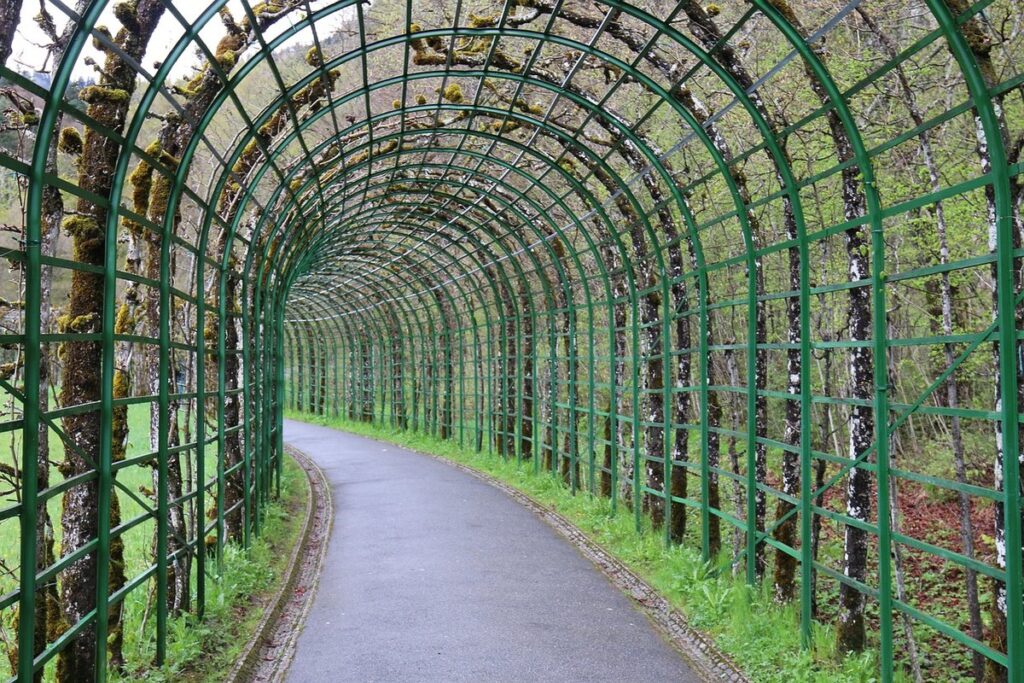
Walkways not only add visual appeal but also create a safe and accessible path through your garden. They can be designed to meander through plantings, creating a sense of discovery as you explore your outdoor space. Retaining walls help level out slopes, providing more usable area for gardens, patios, or even swimming pools.
To incorporate hardscaping features effectively, consider the following tips: choose materials that complement your garden’s style and surroundings, and balance hard elements with softer planting areas to avoid overwhelming the senses. Additionally, prioritize functionality by designing walkways and patio spaces that invite interaction and relaxation.
Adding Visual Interest with Garden Layout Elements
Now that we’ve discussed functional elements, let’s talk about what makes your garden visually appealing: strategically placed pathways and garden layout features.
Using Color and Texture
When it comes to adding visual interest to your garden layout, incorporating color and texture is a fantastic way to do so. Think about it like designing a painting – you’d want a mix of bold strokes and subtle hues to create depth and emotion. In the same vein, using plants with varying colors and textures can elevate your garden from ordinary to extraordinary.
Consider combining flowering perennials like lavender or coneflowers in different shades to add pops of color. Don’t be afraid to mix annuals like marigolds or zinnias for an extra splash of vibrancy. For texture, incorporate plants with varying leaf shapes and sizes, such as ornamental grasses or succulents.
Beyond plants, think about other elements that can bring depth and visual interest to your garden. Add some weathered stone or wooden planters, or scatter a few carefully placed decorative rocks to create contrast and break up large areas of greenery. When it comes to texture and color, remember the 60-30-10 rule: use one dominant element (in this case, plants) and balance with complementary elements that provide visual interest through texture and color (think decorative accents or statement pieces).
Incorporating Focal Points and Ornamental Features
Creating focal points and incorporating ornamental features is an essential aspect of designing a visually appealing garden. A well-placed statement piece can draw the eye and create a sense of drama, while water features can add soothing ambiance and visual interest. Consider adding a large statue or sundial to anchor your garden’s design.
Ornamental features like trellises, obelisks, and birdhouses not only provide functionality but also serve as beautiful focal points. For example, a stunning metal sculpture or a beautifully crafted wooden bench can become a conversation starter in your outdoor space. When incorporating ornamental features, choose items that reflect your personal style and complement the surrounding landscape.
To make the most of these design elements, remember to balance form and function. Consider the scale of each feature in relation to its surroundings and ensure it doesn’t overwhelm the garden’s overall aesthetic. With careful placement and thoughtful selection, focal points and ornamental features can elevate your garden layout from ordinary to extraordinary.
Implementing a Sustainable Garden Layout
Now that you have a solid understanding of garden layout principles, it’s time to apply them to create a sustainable and functional space. This involves making intentional choices about plant placement and soil management.
Water Conservation Strategies
When designing your garden layout, incorporating water conservation strategies is crucial for maintaining a healthy and thriving ecosystem. One effective way to conserve water is by implementing a rainwater harvesting system. This involves collecting and storing rainwater from your roof or other surfaces, which can then be used to irrigate plants.
Drought-tolerant plants are another essential component of a water-conserving garden. These plants have evolved to survive with minimal watering, making them perfect for areas with low rainfall. Choose plants like succulents, cacti, and native wildflowers that require less maintenance and can withstand dry spells.
Consider using greywater systems, which reuse wastewater from sinks, showers, or washing machines to irrigate plants. This method reduces the amount of potable water used for irrigation and is a great way to make the most of available resources. Additionally, implementing efficient irrigation systems, such as drip irrigation or soaker hoses, can also help reduce water waste by delivering water directly to plant roots.
Soil Health and Maintenance
Maintaining healthy soil is crucial for a sustainable garden layout. Composting and mulching are two effective practices that can help achieve this goal. Composting involves breaking down organic matter into nutrient-rich humus, which replenishes the soil’s fertility. This process can be done at home using kitchen scraps, leaves, or other yard waste.
Mulching, on the other hand, helps retain moisture in the soil and suppresses weeds. Organic mulch materials like wood chips or straw can also improve soil structure and aeration. Regular composting and mulching practices not only improve soil health but also reduce waste and minimize the need for synthetic fertilizers.
To incorporate these practices into your garden layout, start by setting aside a designated area for composting. Add layers of “green” materials (e.g., food scraps) and “brown” materials (e.g., leaves) to create a balanced mix. For mulching, apply a 2-3 inch layer around plants, keeping it a few inches away from stems to prevent rot.
By incorporating these simple yet effective practices into your garden layout design, you’ll be well on your way to creating a thriving, sustainable ecosystem that’s less reliant on external inputs and more resilient in the face of environmental stressors.
Maintenance and Upkeep of Your Garden Layout
Now that you’ve designed your dream garden layout, it’s time to learn how to keep it looking its best throughout the seasons. Regular maintenance is key to ensuring your outdoor space remains beautiful and functional.
Seasonal Tasks and Rotations
As you tend to your garden layout, it’s essential to remember that different seasons bring unique opportunities and challenges. To ensure your garden continues to thrive, consider implementing seasonal tasks and rotations.
In the spring, focus on cleaning up debris from winter and pruning dormant plants to promote healthy growth. Rotate plantings to make space for new arrivals, such as tomatoes or peppers, which can be placed in positions where they received full sun during the previous season. For example, if you have a bed with shade-loving plants like lettuce or herbs, consider moving them to a spot with more sunlight.
Summer is prime time for harvesting and pruning maintenance. Regularly remove spent blooms from flowers and trim back leggy stems on shrubs and perennials. Rotate plantings again to make room for succession crops, which can be planted in the same spot without depleting the soil of nutrients.
In autumn, focus on preparing your garden for winter by cutting back perennials, removing weeds, and mulching beds to protect the soil from frost.
Troubleshooting Common Issues
When it comes to maintaining your garden layout, there will inevitably be moments when things don’t go as planned. Pests and diseases can quickly spread, causing damage to your plants and ruining the aesthetic of your outdoor space. To address these common issues, it’s essential to stay vigilant and take prompt action.
Start by regularly inspecting your plants for signs of pests or disease. Look for holes in leaves, discolored stems, or white powdery coatings on leaves – all indicators of potential problems. If you notice any irregularities, isolate the affected plant immediately to prevent the issue from spreading to other areas of your garden.
Some common garden pests include aphids, slugs, and snails, while diseases like powdery mildew and leaf spot can be particularly troublesome. To tackle these issues, use organic or integrated pest management (IPM) methods whenever possible, such as introducing beneficial insects or using neem oil. If the problem persists, consider consulting with a gardening expert for personalized advice.
Keep in mind that prevention is key – maintain a healthy garden by watering wisely, providing adequate sunlight and nutrients, and rotating your crops seasonally to avoid depleting the soil of specific nutrients. By staying on top of potential problems and addressing them quickly, you’ll be able to enjoy your beautiful garden layout without any major setbacks.
Conclusion
In conclusion, designing an effective garden layout is not just about aesthetics; it’s also about creating a functional space that meets your needs. By considering factors such as sunlight, drainage, and accessibility, you can create a beautiful and sustainable outdoor oasis. Remember to prioritize your priorities – do you need a vegetable bed or a seating area? – and allocate space accordingly. Take notes from nature by incorporating native plants, which require less maintenance and care for the environment.
Don’t forget to leave some breathing room between elements, allowing for easy navigation and maintenance. A well-designed garden layout can also increase your property value, making it a worthwhile investment for any homeowner. So take the time to plan carefully, sketch out your ideas, and refine your design until you’re satisfied with the result. With these guidelines in mind, you’ll be well on your way to creating a stunning garden that brings joy and serenity to your outdoor space.
Frequently Asked Questions
How do I balance my garden’s aesthetic appeal with functional elements like pathways and seating areas?
While it’s essential to create a visually appealing garden, don’t forget about functionality. Plan your hardscaping features around your gardening style and needs. For example, if you love to entertain outdoors, consider incorporating a patio or outdoor kitchen area. This will not only add visual interest but also provide a functional space for social gatherings.
What’s the best way to handle slopes or uneven terrain in my garden layout?
Slopes can be both a blessing and a curse when it comes to gardening. On one hand, they allow you to create tiered gardens with varying levels of sunlight and drainage. On the other hand, they require additional planning to ensure stability and accessibility. Consider installing retaining walls or terracing your yard to create flat areas for planting.
Can I mix different plant combinations to achieve a cohesive look?
Yes, combining multiple plant types can add depth and visual interest to your garden layout. Just remember to consider factors like sunlight, soil type, and growth habits when selecting companion plants. Also, choose species that share similar watering requirements to simplify maintenance.
What’s the ideal ratio of hardscaping features to planting areas in a well-designed garden?
The ideal ratio can vary depending on your gardening style and yard size. A general rule of thumb is to allocate 30-50% of your yard to hardscaping features like patios, walkways, and retaining walls. This leaves ample space for planting and creates a balance between functionality and aesthetics.
How do I incorporate water features into my garden design while minimizing maintenance?
Incorporating water features can add ambiance and visual interest to your garden, but they require regular upkeep. To minimize maintenance, opt for low-maintenance water features like self-cleaning ponds or fountains with built-in filters. Regularly inspect and clean these features to prevent algae buildup and ensure proper functioning.