
Are you thinking of turning your lawn trimmings into rich compost for your garden? You’re not alone! Many gardeners wonder if grass clippings are good compost and how to incorporate them into their soil without causing more harm than good. While it’s true that fresh grass clippings can add nitrogen and other nutrients to the soil, they also contain high levels of carbon and moisture, which can lead to anaerobic conditions and odors in your compost pile. But don’t worry – with a little know-how, you can balance the benefits and risks of using grass clippings in compost. In this article, we’ll explore hot and cold composting methods and provide tips on how to make the most of your lawn trimmings while avoiding common pitfalls.
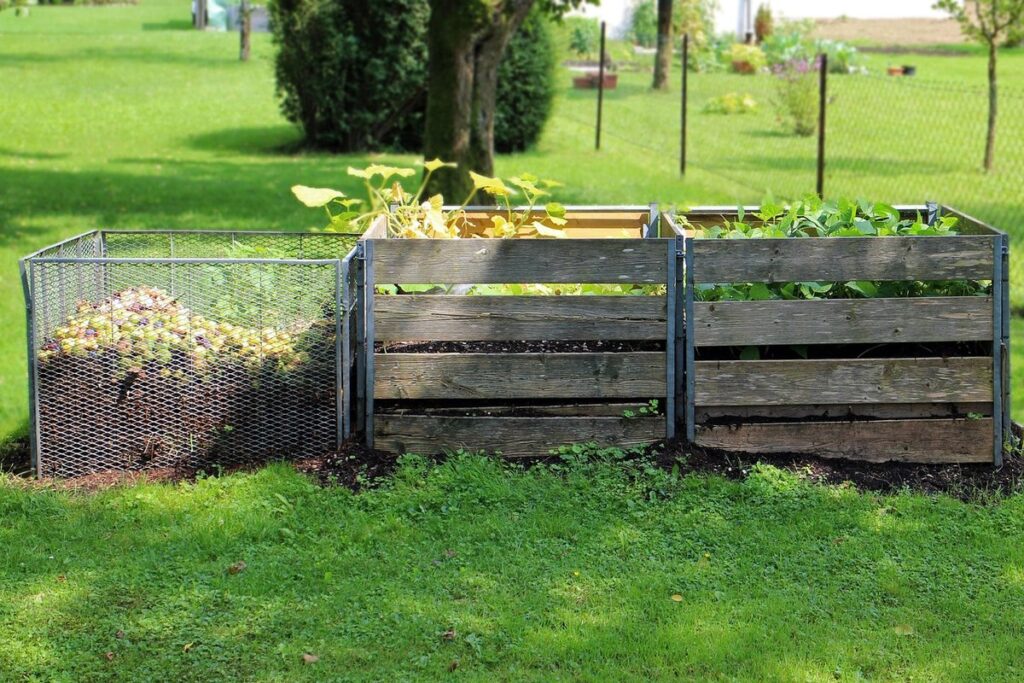
The Benefits of Using Grass Clippings in Compost
Now that we’ve established why grass clippings can be a valuable compost addition, let’s dive into their benefits and explore how they enrich your soil.
Reduces Waste and Saves Money
Using grass clippings in compost not only helps reduce waste but also saves you money on disposal costs. According to the Environmental Protection Agency (EPA), yard trimmings like grass clippings account for about 10% of municipal solid waste in the United States. By incorporating them into your compost, you can divert this waste away from landfills and reduce your environmental impact.
To give you a better idea of just how much money you can save, consider this: if you have a large lawn with regular mowing needs, you could be looking at hundreds or even thousands of dollars in disposal costs per year. By composting your grass clippings instead, you’ll not only reduce your waste but also cut down on the number of trash bags and collection pickups you need.
To make the most of this benefit, remember to keep your mower blade sharp – this will help prevent excessive clipping, reducing waste and making it easier to incorporate them into your compost pile. Additionally, be sure to mix grass clippings with other carbon-rich materials like leaves or straw to create a balanced compost blend that’s perfect for gardening.
Nutrient-Rich Addition to Soil
Grass clippings are an excellent addition to compost because they’re packed with nitrogen, a nutrient that’s vital for plant growth. When you add them to your compost pile, the natural process of decomposition releases this nitrogen, creating a rich soil amendment that promotes healthy development.
In fact, grass clippings contain around 2-3% nitrogen by weight, making them an ideal component of compost. By incorporating them into your compost mix, you’re essentially adding a concentrated dose of nitrogen to the soil. This can have a profound impact on plant growth, particularly during periods when nitrogen levels in the soil may be low.
To maximize the benefits of grass clippings in your compost, aim for a mix that includes 25-30% “green” materials like fresh grass clippings, along with 50-60% “brown” materials such as dried leaves or twigs. This balance will help maintain optimal carbon-to-nitrogen ratios and facilitate efficient decomposition.
By leveraging the nutrient-rich potential of grass clippings in your compost, you can create a potent soil amendment that supports robust plant growth and development.
Easy to Collect and Process
One of the most significant advantages of using grass clippings in compost is that collecting them is an effortless process. Unlike other organic materials, you don’t need to purchase or dig up a large quantity of ingredients. Instead, simply mow your lawn as you normally would and leave the clippings on the ground. This way, you can collect as much material as you need without incurring any additional costs.
To process the grass clippings into a usable form, all you need to do is add water. The key is to maintain the right moisture level, which should be like a damp sponge. You can mix the clippings with other compost materials such as leaves, vegetable scraps, and coffee grounds to create a nutrient-rich blend.
When adding grass clippings to your compost pile, aim for about 20-30% of the total material. This will help to balance out the carbon-to-nitrogen ratio and promote healthy microbial activity. With these simple steps, you can turn your lawn’s unwanted clippings into a valuable resource for your garden, reducing waste while creating a nutrient-dense compost that will make your plants thrive.
The Risks of Using Grass Clippings in Compost
While adding grass clippings to your compost pile can be a convenient way to reduce yard waste, it’s essential to consider the potential risks involved. Let’s dive into some of these concerns.
Potential for Weed Seeds to Contaminate Soil
When you use grass clippings in compost, there’s a potential for weed seeds to contaminate the soil. This can lead to unwanted weeds growing in your garden, which might require additional maintenance and potentially harm your plants.
The risk is higher if the grass clippings come from areas treated with herbicides or pesticides, as these chemicals can also be present in the compost and harm beneficial microorganisms in the soil. You may not always know what kind of chemical treatments have been used on nearby lawns, so it’s essential to exercise caution.
To minimize this risk, consider using grass clippings from areas that are free from herbicides and pesticides. If you can’t confirm the treatment history of your lawn, it’s better to err on the side of caution and use alternative materials for composting.
Before adding any grass clippings to your compost pile, inspect them carefully for signs of weed seeds or other contaminants. Remove any visible weeds, and consider creating a separate pile for grass clippings to monitor their decomposition process more closely.
Attracts Pests and Creates Odor Issues
When you compost grass clippings, you create an ideal breeding ground for pests. Rodents and raccoons are particularly drawn to the moisture-rich environment, which can lead to infestations and health risks for nearby plants and pets. Flies too, are often present in such conditions, laying their eggs on the compost pile’s surface.
This pest problem is not only frustrating but also a concern for your garden’s overall health. As these pests breed and multiply, they release waste products that can create unpleasant odors emanating from the compost pile. These smells can be pungent and may spread to nearby areas of your yard or even inside your home if the compost bin is located close by.
To minimize pest problems and odor issues when composting grass clippings, consider adding a mix of “brown” materials like shredded newspaper or dry leaves, which absorb excess moisture. This balance will help maintain an optimal carbon-to-nitrogen ratio in the compost pile, making it less appealing to pests. Regular turning of the pile can also help aerate and speed up decomposition, reducing odor-causing anaerobic conditions.
Can Create Unbalanced pH Levels
When adding grass clippings to your compost pile, it’s essential to consider their potential impact on pH levels. Grass clippings have a high carbon-to-nitrogen (C:N) ratio, typically ranging from 20:1 to 30:1, which can throw off the delicate balance of your composting process.
This imbalance can lead to an overabundance of acidic compounds in your compost pile, causing it to shift towards a more alkaline pH level. A significant drop in pH levels can make your compost inhospitable for beneficial microorganisms, ultimately affecting the quality and consistency of your finished product.
To mitigate this risk, it’s crucial to maintain a balance between carbon-rich materials (like grass clippings) and nitrogen-rich materials (such as kitchen scraps or manure). A general rule of thumb is to maintain a C:N ratio of 25:1 to 30:1. To achieve this, you can add other high-nitrogen materials to your compost pile, like fresh coffee grounds or blood meal.
Remember that the specific needs of your compost pile will vary depending on factors such as climate and the types of materials you’re using. Regularly monitoring pH levels with a testing kit can help you identify potential issues before they become major problems.
Balancing Act: How to Use Grass Clippings Effectively
When using grass clippings as compost, it’s easy to get carried away and create a mess in your garden. Let’s explore how to balance their rich nutrients with effective management techniques.
Proper Ratio and Mixing Techniques
To create a nutrient-rich compost with grass clippings, it’s crucial to achieve the perfect balance of carbon and nitrogen. Grass clippings themselves are high in nitrogen, but low in carbon. When mixed alone, they can quickly become anaerobic, producing unpleasant odors and potentially creating pathogens.
To avoid this, mix your grass clippings with other materials that are rich in carbon, such as fallen leaves or shredded newspaper. Aim for a 2:1 or 3:1 ratio of “brown” materials (carbon-rich) to “green” materials (nitrogen-rich). For example, if you’re adding one bucket of fresh grass clippings, add two buckets of leaves or three buckets of shredded newspaper.
In addition to balancing the carbon-to-nitrogen ratio, mixing different types of materials will also introduce a wider range of microorganisms into your compost pile. This diversity is essential for breaking down complex organic matter and creating a stable, humus-rich soil amendment.
Monitoring pH Levels and Moisture Content
Monitoring pH levels and moisture content is essential when composting grass clippings. If the pH level becomes too high or too low, it can inhibit microbial growth, which is necessary for breaking down organic matter into a nutrient-rich compost.
To monitor pH levels, you can use a pH meter or pH test strips. It’s recommended to maintain a slightly acidic to neutral pH range between 6.0 and 7.0. If the pH level becomes too high (above 8), add some peat moss or sulfur-rich materials like alfalfa meal to lower it.
Moisture content is equally crucial, as excessive dryness can slow down decomposition while excessive wetness can lead to anaerobic conditions that foster pathogens and pests. Aim for a mix of “damp but not dripping” consistency. Add water as needed to maintain this balance, taking care not to overwater.
Regular monitoring will ensure your compost remains healthy and free from pathogens. To simplify the process, consider creating a log sheet to track pH levels and moisture content over time. This will help you identify trends and make adjustments accordingly.
Avoiding Contamination Risks
When using grass clippings for composting, minimizing contamination risks is crucial to ensure that your finished product remains weed-free and effective. To avoid this risk, it’s essential to source grass clippings from untreated areas or use mechanical separation methods to remove seeds and debris.
One way to minimize the risk of weed seed contamination is to source grass clippings from areas where no weeds are present. For example, if you have a lawn that has been maintained regularly with a pre-emergent herbicide, the clippings will be less likely to contain weed seeds. Alternatively, you can also use mechanical separation methods such as raking or blowing the clippings to remove any debris and weed seeds.
Another option is to compost the grass clippings separately from other yard waste materials that may contain weed seeds. By keeping them separate, you can prevent cross-contamination and ensure that your finished compost remains free of weeds. By taking these precautions, you can create a high-quality compost that will improve soil health without introducing unwanted weeds into your garden or landscape.
Grass Clipping Composting Methods
Now that you’ve learned how to make grass clippings compost, let’s explore some practical ways to turn them into a nutrient-rich soil amendment using various methods.
Hot Composting Method
The Hot Composting Method is a high-energy approach to turning grass clippings into nutrient-rich compost. It’s essential to combine “green” materials like fresh grass clippings with “brown” materials such as dried leaves or shredded newspaper, aiming for a mix of 2/3 brown and 1/3 green. This blend will provide the necessary carbon-to-nitrogen ratio for optimal decomposition.
To initiate hot composting, create a large pile (around 3×3 feet) and maintain a temperature range between 130°F and 140°F (54°C to 60°C). Monitor moisture levels by keeping the pile slightly damp, like a damp sponge. Aim for a pH level close to neutral, around 6.5 to 7.5.
Regular turning of the compost pile is crucial to aerate it, promoting even heating and decomposition. Use a pitchfork or shovel to turn the pile every 2-3 days, maintaining a consistent moisture level. Hot composting typically takes 7-10 days to complete, yielding a rich, earthy compost perfect for gardening.
Keep in mind that this method can be more labor-intensive than others but offers faster results and higher quality compost. With careful attention to temperature, moisture, and pH levels, you’ll be rewarded with an excellent nutrient-rich soil amendment for your garden.
Cold Composting Method
If you’re looking for a low-maintenance composting method that doesn’t require constant monitoring and turning, cold composting might be the way to go. This approach involves piling grass clippings along with other organic materials like leaves, twigs, and kitchen scraps, letting nature take its course.
The beauty of cold composting lies in its simplicity – you can simply add materials as they become available, without worrying about maintaining optimal pH levels or turning the pile regularly. However, this slower process means it may take several months to create finished compost. Be patient, though – the end result is well worth the wait.
To set up a successful cold composting system, choose a location with good airflow and adequate space for the materials to break down over time. Aim for a mix of “green” materials like grass clippings and kitchen scraps, along with “brown” materials like leaves and twigs. This balance will help create an ideal environment for decomposition.
DIY vs. Store-Bought Grass Clipping Compost
When it comes to turning your grass clippings into compost, one of the biggest decisions you’ll face is whether to make it from scratch or buy a pre-made solution. Let’s weigh the pros and cons of each approach.
Pros and Cons of Each Option
When deciding between making your own grass clippings compost versus purchasing store-bought products, there are several factors to consider. One key consideration is cost. Making your own compost from grass clippings can be a cost-effective option, as you likely already have the necessary materials on hand. However, if you’re short on time or prefer a more efficient process, buying pre-made compost may be worth the extra expense.
Another factor to think about is the time commitment required for each method. Creating your own compost from grass clippings can take several weeks or even months to break down properly, requiring regular turning and maintenance. On the other hand, store-bought compost is often ready to use immediately, saving you time in the long run.
Ultimately, the choice between DIY and store-bought compost comes down to your personal preferences and needs. If you’re looking for a cost-effective, eco-friendly solution that allows for complete control over the process, making your own grass clippings compost may be the best option. However, if you value convenience and speed above all else, store-bought compost can provide a quicker fix.
Tips for Making Your Own Compost at Home
Making your own compost at home can be a rewarding and cost-effective way to create nutrient-rich soil for your garden. However, it requires some knowledge of what materials to use and how to maintain the perfect balance.
First, you’ll want to mix “green” materials like grass clippings, food scraps, and manure with “brown” materials like dried leaves, straw, or shredded newspaper. This combination is crucial in creating a balanced compost that’s teeming with beneficial microbes. Aim for a ratio of 2/3 brown materials to 1/3 green materials.
Next, maintain optimal moisture levels by keeping the pile damp but not soggy. Aim for a consistency like a damp sponge – if you squeeze it and water comes out, it’s just right. Monitor pH and temperature regularly: ideal compost piles have a slightly acidic pH (around 6-7) and temperatures between 130°F and 140°F.
Regular maintenance will ensure your compost pile breaks down efficiently and effectively. For example, every week or two, turn the pile to aerate it and speed up decomposition. With these simple tips, you’ll be well on your way to creating high-quality compost using grass clippings and other materials from around the house.
Conclusion
In conclusion, grass clippings can be a great addition to your compost pile. By understanding how to properly use them, you can turn this often-overlooked resource into a valuable nutrient-rich amendment for your garden. Remember to mix clippings with other compost materials to balance out the carbon and nitrogen levels. As a general rule of thumb, aim for a 2:1 or 3:1 ratio of “brown” materials (like dried leaves) to “green” materials (like grass clippings). This will help prevent odors and promote healthy decomposition.
By incorporating these simple tips into your composting routine, you can create a nutrient-dense soil amendment that will benefit your plants for years to come. Don’t be afraid to get creative with your compost pile – experiment with different ratios and materials to find what works best for you. With a little patience and practice, you’ll be on your way to producing rich, fertile soil from the very clippings that might otherwise go to waste.
Frequently Asked Questions
Can I use wet grass clippings directly in my compost pile?
Yes, you can add wet grass clippings to your compost pile, but it’s essential to balance the moisture levels with dry materials like leaves or shredded newspaper to prevent anaerobic conditions. A good rule of thumb is to maintain a mix that’s 2/3 “brown” materials (dry) and 1/3 “green” materials (wet).
How do I avoid attracting pests when using grass clippings in compost?
To minimize the risk of pest attraction, ensure your compost pile has adequate carbon-to-nitrogen balance, regular aeration, and sufficient moisture levels. You can also add a 2- to 3-inch layer of dry materials at the bottom of the pile before adding wet grass clippings. Regularly turning the pile will also help prevent pests.
Can I use grass clippings in compost if my lawn has been treated with herbicides or pesticides?
No, it’s best not to add grass clippings from lawns that have been treated with herbicides or pesticides to your compost pile. These chemicals can persist in the compost and potentially harm plants in your garden. Instead, collect clippings from untreated areas of your lawn or consider using alternative materials for your compost.
How long does it take for grass clippings to fully break down in a compost pile?
The breakdown time varies depending on factors like temperature, moisture, and carbon-to-nitrogen ratio. Generally, you can expect grass clippings to decompose within 2-6 months when using the hot composting method. Cold composting may take longer, typically around 6-12 months.
What’s the ideal ratio of grass clippings to other compost materials?
Aim for a mix that includes 20-30% grass clippings and the remaining 70-80% from other compost materials like leaves, vegetable scraps, or shredded newspaper. This balance ensures optimal decomposition rates and minimizes potential issues with moisture and odors in your compost pile.