
If you’re thinking about planting camellias in your garden, one of the first questions that might pop up is: “Are camellias perennial?” The answer might surprise you. Camellia plants are often misunderstood as annuals, but the truth is they can thrive for years to come with proper care and attention. As a gardener, understanding whether camellias are truly perennial will help you make informed decisions about how to cultivate these beautiful flowers. In this article, we’ll delve into the world of camellia plants, discussing their perennial status in depth. We’ll cover essential tips on pruning techniques, fertilization schedules, and pest management, so you can enjoy stunning blooms year-round. Whether you’re a seasoned gardener or just starting out, get ready to unlock the secrets of growing camellias with ease.
Understanding Camellia Plants
To truly understand whether camellias are perennial, let’s dive into the fascinating world of these flowering plants and explore their unique characteristics.
What is a Camellia Plant?
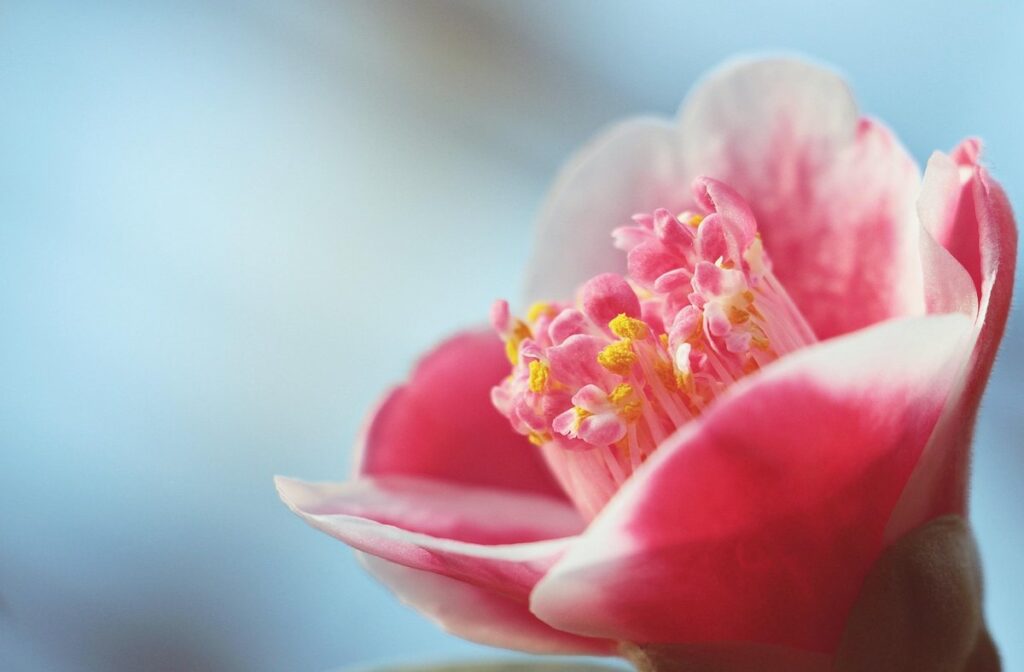
Camellia plants are members of the Theaceae family and are native to East Asia. They are evergreen shrubs or small trees that have been prized for centuries for their beautiful flowers and glossy leaves. With over 250 species, camellias are incredibly diverse and can be found in a wide range of habitats, from subtropical forests to mountainous regions.
One of the most distinctive features of camellia plants is their ability to thrive in partial shade. This makes them an excellent choice for gardeners who want to create a lush, shaded area without sacrificing beauty. Camellias also come in a variety of shapes and sizes, ranging from compact dwarf varieties to tall, stately trees.
In terms of hardiness, camellias are generally adapted to temperate climates with mild winters and cool summers. They require protection from extreme temperatures, strong winds, and frost. If you’re considering growing a camellia plant in your garden, make sure to choose a variety that is suitable for your local climate and provide it with the right conditions to thrive.
Characteristics of Camellia Plants
Camellia plants are known for their unique and attractive characteristics that set them apart from other flowering shrubs. One of the most notable features is their growth habit, which can range from compact and upright to sprawling and irregular. Some camellias, like ‘Yuletide’ and ‘Candy Cane’, have a naturally rounded or vase-shaped form, while others may spread more freely, such as ‘Winter’s Joy’. This varied growth habit makes them suitable for a wide range of landscapes and garden designs.
In terms of hardiness, camellia plants are generally adapted to cooler climates and can thrive in zones 6-9. However, some varieties like Camellia sasanqua may tolerate warmer temperatures up to zone 10. It’s essential to choose a variety that suits your specific region and climate to ensure the plant’s success. When selecting a camellia, consider factors such as mature size, growth rate, and foliage texture to ensure it fits seamlessly into your garden design.
Their adaptability to different conditions also makes them an excellent choice for various garden settings, from woodland gardens to coastal areas with mild winters.
Perennial vs. Annual Plants
When it comes to understanding whether camellias are perennial, it’s helpful to compare them to other types of plants that grow in similar climates and conditions. Let’s explore the key differences between perennials and annuals.
Defining Perennial Plants
Perennials have been a staple in many gardens for centuries, and it’s no wonder why. These hardy plants can thrive for years with minimal maintenance, making them an attractive choice for gardeners of all skill levels.
So, what exactly are perennial plants? Simply put, perennials are plants that come back year after year without needing to be replanted every season. Unlike annuals, which complete their life cycle within a single growing season and then die off, perennials go dormant during the winter months and regrow in the spring.
One of the key characteristics of perennials is their ability to adapt to changing conditions. As they grow and mature, they develop deep root systems that allow them to conserve water and nutrients during times of drought or scarcity. This resilience makes them ideal for areas with unpredictable weather patterns.
To determine whether a plant is perennial or not, look for the following signs: does it produce new growth in the spring from the same roots, rather than being replanted every year? Does it die back to the ground in the fall and regrow in the spring? If so, chances are you’re dealing with a hardy perennial like camellias.
Key Features of Perennials
Perennials have several key features that set them apart from annual plants. One of the main characteristics is their ability to regrow and produce new growth after a period of dormancy, typically at the end of the growing season. This means they don’t need to be replanted every year like annuals do.
Some perennials also have a dormant period during the winter months, but they will return in the spring when conditions are favorable again. They often produce new leaves and stems as soon as temperatures rise, allowing them to thrive throughout the growing season.
Another distinguishing feature of perennials is their root system. Unlike annuals, which have small, fragile roots that need to be carefully handled during transplanting, perennials tend to develop a robust root system over time. This allows them to absorb nutrients and water more efficiently and makes them less prone to disease and pests.
When choosing perennials for your garden, it’s essential to select varieties that are suitable for your climate and soil type. Research different options and consult with local nurseries or gardening experts to ensure you’re selecting plants that will thrive in your specific environment.
Are Camellias Truly Perennial?
While camellias are often touted as perennials, they don’t quite fit the traditional definition, and their classification can be a bit confusing. Let’s dive into what makes them different from other perennial plants.
Camellia’s Growth Cycle
Camellia plants have a distinct growth cycle that’s often misunderstood. Many people assume they’re evergreen, but the truth is more nuanced. Camellias are technically deciduous, although their leaves remain on the plant year-round. They experience periods of dormancy during the winter months, which can be misinterpreted as being evergreen.
In regions with mild winters, camellia plants may retain some foliage and appear to be evergreen. However, in areas with harsher winters, they will drop most or all of their leaves and go dormant. This dormancy period typically lasts from late autumn to early spring, when the plant is re-energized by warmer temperatures.
During this time, camellia plants require less water and care. In fact, excessive watering can be detrimental during dormancy, as it can lead to root rot. By understanding the growth cycle of camellias, you can provide the right conditions for your plant to thrive. This means adjusting watering schedules and pruning habits according to the season.
It’s essential to note that not all camellia varieties follow this pattern. Some, like Camellia sasanqua, tend to drop their leaves more readily than others, such as Camellia japonica. By choosing a variety that suits your climate and care routine, you can enjoy the beauty of these plants year-round while still respecting their natural growth cycle.
How to Care for Camellias in Winter
Winter care is crucial for camellia plants to thrive and survive the cold temperatures. As we’ve discussed earlier, camellias are technically evergreen perennials, but they still require special attention during the winter months. To keep your camellias healthy, start by protecting them from extreme temperature fluctuations.
Mulch around the base of the plant helps retain moisture and regulates soil temperature. Apply a 2-3 inch layer of organic mulch like wood chips or bark to the root zone. This will also help suppress weeds that can compete with your camellia for water and nutrients.
Watering is also essential during winter, but be cautious not to overwater. Camellias prefer well-draining soil and excess moisture can lead to root rot. Water only when the top 1-2 inches of soil feels dry to the touch. Avoid getting water on the leaves or flowers to prevent damage from cold temperatures.
Monitor your camellia’s leaf condition, and if you notice any signs of damage or yellowing, adjust your care routine accordingly. With proper winter care, your camellias will emerge in spring with vibrant new growth and continue to thrive for years to come.
Signs That a Camellia is Not Dormant
If you’re growing camellias and notice some unusual behavior, it may be a sign that your plant isn’t truly perennial. One of the red flags to look out for is excessive leaf drop. Camellia leaves are typically glossy and dark green, but if they start falling off excessively, it could indicate stress or disease. This can be caused by factors such as root bound conditions, nutrient deficiencies, or pests like aphids.
Another sign that your camellia may not be truly perennial is slow growth. Normally, camellias produce new growth in the fall and early spring, but if you notice a lack of new buds or leaves, it could indicate a problem. This can be due to inadequate light, water stress, or poor soil conditions.
If you observe either of these signs, take action immediately to prevent further damage. Inspect your plant’s roots for root bound conditions and repot it in well-draining soil if necessary. Also, ensure that your camellia is receiving adequate sunlight and nutrients. By addressing these potential issues, you can help your camellia thrive and recover from any stress or disease.
Factors Affecting Perennial Status
When considering whether a camellia is perennial, it’s essential to examine various factors that can impact its hardiness and ability to come back year after year. Let’s explore these key influences in more detail.
Temperature Extremes
Temperature fluctuations can be a significant challenge for camellias, especially when it comes to their perennial status. In regions with harsh winters or extremely hot summers, these plants may struggle to thrive year-round. For instance, if the temperature drops below 25°F (-4°C) for an extended period, camellia roots can become damaged, leading to a reduction in plant growth and potentially even death.
In areas with mild winters, such as USDA zones 9-11, camellias are more likely to be evergreen and retain their leaves throughout the year. However, in colder climates (USDA zones 6-8), camellias may go dormant during winter months, dropping their leaves and requiring protection from harsh weather conditions.
To ensure your camellia plant remains healthy and perennial, it’s essential to choose a variety that is tolerant of temperature extremes in your area. Some popular camellia varieties, such as ‘Yuletide’ and ‘Anticipation’, are known for their cold hardiness and ability to thrive in USDA zones 6-8.
Keep in mind that even if you live in an area with mild winters, extreme temperature fluctuations can still impact your camellia plant. To mitigate this, provide adequate protection during winter months, such as covering the plant or bringing potted plants indoors. By being mindful of temperature fluctuations and choosing a suitable variety, you can enjoy your camellia’s year-round beauty and perennial status.
Soil Quality and Nutrients
Soil quality and nutrient availability play a crucial role in determining whether a camellia plant will thrive as a perennial. Camellias prefer well-draining acidic soil with a pH between 5.5 and 6.5, which is essential for their growth and survival. If the soil is too alkaline or lacks necessary nutrients, it can lead to nutrient deficiencies and reduce the plant’s ability to photosynthesize, making it more susceptible to disease and pests.
Adequate nitrogen, phosphorus, and potassium levels are vital for camellia growth. Nitrogen promotes leaf development, while phosphorus supports root growth and flowering. Potassium helps regulate water balance and overall health. If your soil lacks these essential nutrients, consider adding a balanced fertilizer specifically formulated for acid-loving plants like camellias.
Regular soil testing is also recommended to identify any potential nutrient deficiencies or pH imbalances. This will enable you to make informed decisions about amendments or adjustments needed to create an optimal growing environment for your camellia plants. By providing the right conditions, you can increase their chances of becoming a long-lasting and thriving perennial.
Watering Habits
Proper watering habits can significantly impact a camellia plant’s ability to thrive and maintain its perennial status. When it comes to watering camellias, the key is to strike a balance between providing enough moisture and avoiding overwatering. As a general rule of thumb, camellias require about 1-2 inches of water per week, either from rainfall or irrigation.
To achieve this balance, make sure to check the soil moisture regularly by inserting your finger into the soil up to the first knuckle. If the soil feels dry, it’s time to water. However, avoid getting water on the leaves to prevent fungal diseases. Instead, focus on watering at the base of the plant, allowing the roots to absorb the moisture.
Be mindful of climate and weather conditions when watering your camellia plants. In hotter climates or during periods of drought, you may need to increase watering frequency. Conversely, in areas with high rainfall, you’ll want to reduce watering to prevent waterlogged soil.
It’s also worth noting that young camellias require more frequent watering than mature plants. Aim to water them every 2-3 days during their first year after planting.
Caring for Camellias as Perennials
If you’ve decided to grow camellias as perennials, knowing how to care for them is crucial – let’s dive into some essential tips. Proper care will help your camellia plants thrive and come back year after year.
Pruning Techniques
When pruning camellias to promote healthy growth and encourage year-round thriving, timing is everything. The best time to prune depends on the reason for pruning – whether it’s to control size, remove dead or damaged branches, or shape the plant.
Pruning for Size Control
To maintain a compact shape and prevent overgrowth, prune camellias after they’ve finished flowering in late winter to early spring. This allows you to assess their growth while they’re still dormant and make necessary cuts without sacrificing blooms. Cut back canes that are beyond their prime or growing out of control to maintain an even size.
Removing Dead or Damaged Branches
Remove any dead, diseased, or damaged branches throughout the year as soon as you notice them. This will prevent the spread of disease and encourage healthy growth. Use clean pruning tools to make precise cuts just above a bud eye – the small swelling on the stem from which new growth emerges.
Shaping Your Camellia
To shape your camellia, prune during their growing season (spring-fall). Selectively remove branches that are growing inwards or outwards, and thin out the center to allow sunlight to reach inner leaves. This will also promote air circulation around the plant.
Fertilization Schedule
When it comes to fertilizing camellia plants as perennials, timing is crucial. Camellias require a balanced diet of nutrients throughout the year, but the frequency and type of fertilizer can vary depending on the time of year.
In the spring, after the blooming period has ended (usually around March or April), it’s essential to apply an acidic fertilizer with a pH between 5.0-6.0. This will help replenish the nutrients depleted during flowering. You can use a slow-release fertilizer that provides nutrients over a prolonged period.
During the summer months, when camellias are actively growing, you can fertilize them every 4-6 weeks using a balanced, water-soluble fertilizer. Be cautious not to over-fertilize, as this can cause more harm than good. A general rule of thumb is to follow the manufacturer’s instructions and start with half the recommended dosage.
In the fall, before the first frost, reduce fertilization to once every 8-10 weeks. This will allow the plant to focus its energy on storing nutrients for the next growing season. It’s also essential to mulch around the base of the plant to retain moisture and regulate soil temperature.
Pest and Disease Management
As you care for your camellia plants as perennials, it’s essential to be aware of common pests and diseases that can affect their health. One of the most significant threats is root rot, caused by overwatering or poor drainage. To prevent this, ensure good air circulation around the plant and avoid watering too frequently. Regularly inspect your camellias for signs of scale, mealybugs, or spider mites, which can be treated with insecticidal soap or neem oil.
Other pests to watch out for include aphids, whiteflies, and caterpillars. These can be controlled using natural methods such as introducing beneficial insects like ladybugs or lacewings. Fungal diseases like powdery mildew and leaf spot can also occur. Treat these with fungicides specifically designed for camellias. To prevent disease, maintain a clean growing environment by removing dead leaves and debris.
By being proactive in monitoring your plants’ health and taking prompt action against pests and diseases, you can enjoy thriving camellias for years to come. Regular pruning of your camellia will also help promote healthy growth and reduce the risk of disease.
Conclusion: Are Camellias Truly Perennial?
As we’ve explored throughout this article, camellias are often misunderstood as being perennials. However, their growth habits and care requirements suggest otherwise. In regions with mild winters and cool summers, camellias can thrive for many years without needing to be replanted. But what about in areas with harsher climates? Here, camellias may need protection from extreme temperatures or even be treated as annuals. Ultimately, whether a camellia is considered perennial depends on your specific location and how well you care for it. With proper attention, a camellia can provide stunning blooms for many years to come. By understanding their needs and adapting your care accordingly, you can enjoy the beauty of these lovely plants year after year.
Frequently Asked Questions
Can I plant camellias in areas with extreme temperatures?
Yes, while camellia plants prefer mild winters and cool summers, they can tolerate some temperature fluctuations. However, prolonged exposure to frost or heat waves can damage the plant. Choose a location that provides some protection from harsh weather conditions, such as near a wall or under a tree.
How often should I fertilize my camellias for optimal growth?
Fertilize your camellias during their active growing season (spring and fall) with a balanced, slow-release fertilizer. Feed them lightly in the spring when new growth appears, and again in the fall after the blooming period. Avoid over-fertilizing, as this can lead to weak blooms and reduced plant health.
Can I prune my camellias at any time of year?
While you can prune your camellias throughout the growing season, it’s best to do so during their dormant period (winter or early spring) to minimize stress on the plant. Prune immediately after blooming in the fall, and avoid pruning during the active growing season to prevent shock.
What are common pests that target camellia plants?
Camellia plants are susceptible to aphids, whiteflies, and scale insects. Regularly inspect your plants for signs of infestation, such as sticky honeydew or distorted leaves. Use neem oil or insecticidal soap to control pest populations and prevent the spread of disease.
Can I propagate camellias through division?
Yes, you can propagate camellias through division during their dormant period. Choose a healthy section of the plant with at least two growing points, dig carefully around it, and replant in a new location with well-draining soil and partial shade. Water regularly until established.