
Hydrangea lovers often find themselves staring at their beautiful blooms, only to notice that the leaves have turned a dull brown. It can be frustrating and puzzling, especially when your plant is otherwise healthy. If you’re struggling with browning hydrangea leaves, you’re not alone. Overwatering, underwatering, extreme temperatures, soil pH imbalance, pests, diseases, and nutritional deficiencies are just some of the common causes that can lead to this problem.
In this article, we’ll explore the reasons behind brown hydrangea leaves in detail, so you can identify the root cause and take corrective action. We’ll cover how to prevent browning leaves, as well as provide tips on treatment and care to keep your hydrangeas thriving. By understanding the causes of browning leaves, you’ll be able to give your plant the TLC it needs to stay healthy and vibrant throughout the growing season.
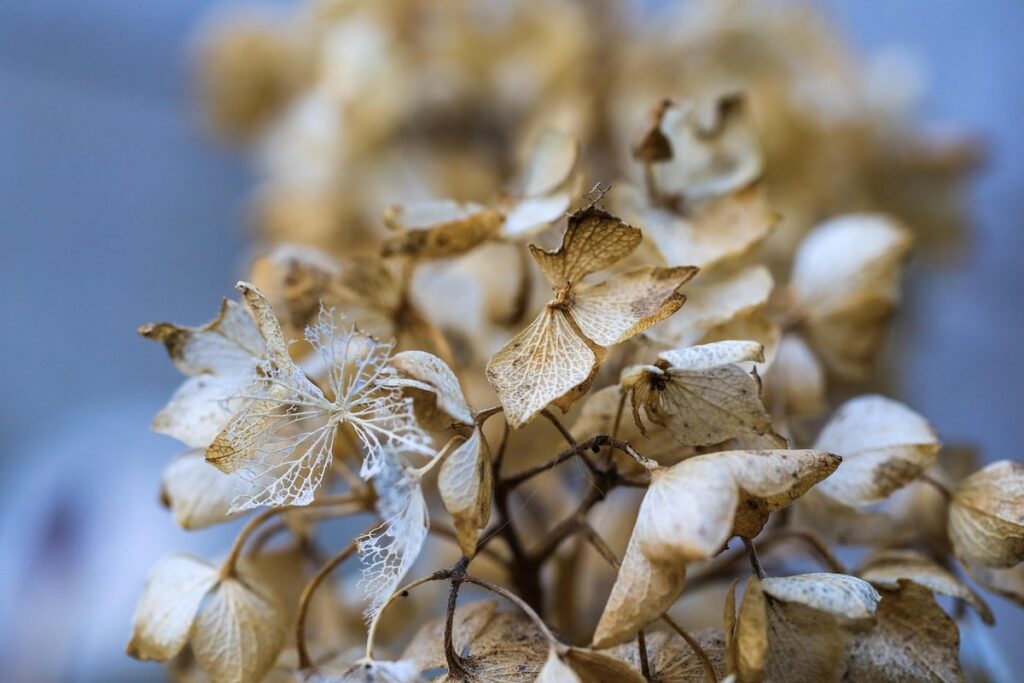
Common Causes of Browning in Hydrangeas
One common reason for hydrangea browning is a lack of proper care, including insufficient watering and pruning. Let’s take a closer look at some common causes of this issue.
Overwatering: The Leading Cause of Root Rot
Overwatering is one of the most common mistakes gardeners make when caring for hydrangeas. It’s a leading cause of root rot, which can quickly turn your beautiful blue or pink blooms brown and wilted. So, how do you know if you’re overwatering your hydrangea? Look out for these signs: water pooling around the base of the plant, mushy stems, and yellowing leaves.
If you suspect overwatering is the culprit, check the soil moisture by inserting your finger into the soil up to the knuckle. If it’s damp, wait a few days before watering again. But how do you avoid this problem in the first place? The key is to water deeply but infrequently. Hydrangeas prefer about 1 inch of water per week, either from rain or irrigation. Water your hydrangea when the top inch of soil feels dry to the touch, and make sure not to get water on the leaves or flowers to prevent fungal diseases.
To avoid overwatering, also consider the weather forecast and adjust your watering schedule accordingly. During hot spells, hydrangeas may need more frequent watering, but in cooler months, they prefer less moisture. By paying attention to these subtleties and adopting a mindful approach to watering, you can keep your hydrangea healthy and thriving all season long.
Underwatering: Dehydration in Hydrangeas
One of the most common mistakes hydrangea enthusiasts make is neglecting to provide their plants with adequate water. Underwatered hydrangeas may exhibit browning due to dehydration, which can have severe consequences on the plant’s overall health.
Leaf scorch is a common sign of underwatering in hydrangeas. When the leaves don’t receive enough moisture, they can become scorched and develop brown or yellow tips. This can be especially damaging during hot summer months when plants require more water to thrive. In extreme cases, repeated episodes of dehydration can lead to permanent damage or even plant death.
Reduced blooming is another consequence of neglecting hydration needs in hydrangeas. These beautiful flowers rely on consistent moisture levels to produce vibrant blooms. When the soil is consistently dry, the plant’s energy is diverted towards survival rather than flower production. As a result, you may notice fewer or smaller blooms throughout the growing season.
To avoid these issues, it’s essential to monitor your hydrangea’s watering needs closely. Check the soil moisture by inserting your finger into the soil up to the first knuckle. If the soil feels dry, it’s time to water. Avoid overwatering, which can be just as detrimental as underwatering. Aim for a balance that keeps the soil consistently moist but not waterlogged.
Environmental Factors Contributing to Browning
Let’s take a closer look at some common environmental factors that could be causing your hydrangeas to turn brown, such as soil pH and temperature fluctuations.
Temperature Extremes: Summer Heat or Winter Cold
Hydrangeas are particularly vulnerable to temperature extremes, which can cause significant stress to the plant. When temperatures soar during summer months, hydrangeas may experience heat stress, impairing their ability to photosynthesize and maintain their vibrant color. This is because high temperatures disrupt the delicate balance of water and nutrients within the plant, leading to a cascade of negative effects.
In extreme cases, heat stress can cause the leaves to turn yellow or brown, and in some instances, even kill the plant. For example, if your hydrangea is exposed to temperatures above 90°F (32°C) for an extended period, it may struggle to regulate its internal temperature, leading to browning or scorching of the leaves.
To mitigate heat stress, ensure that your hydrangea receives adequate shade during peak sun hours and maintain consistent moisture levels. Additionally, avoid fertilizing your hydrangea during the hottest months, as this can further exacerbate heat stress. By taking these precautions, you can help your hydrangea thrive in even the most scorching temperatures.
Soil pH Imbalance: Affecting Nutrient Uptake
Soil pH imbalance can significantly impact nutrient availability for hydrangeas, leading to browning. Hydrangeas thrive in slightly acidic to neutral soil pH levels, between 6.0 and 7.0. However, if the soil pH is too high or too low, essential nutrients like iron, magnesium, and phosphorus become less accessible to the plant.
For example, if your hydrangea’s soil pH is above 7.5, it can lead to a condition known as “iron chlorosis,” causing the leaves to turn yellow or pale green while the veins remain green. Similarly, if the soil pH is too low (below 6.0), phosphorus becomes unavailable, affecting root development and overall plant health.
To test your hydrangea’s soil pH, use a DIY kit or send a sample to a lab for analysis. Based on the results, you can adjust the soil pH levels by adding elemental sulfur to lower the pH or limestone to raise it. It’s essential to maintain optimal soil pH between 6.0 and 7.0 for your hydrangea to access necessary nutrients and prevent browning.
Pests and Diseases Causing Browning in Hydrangeas
When it comes to hydrangea browning, pests and diseases are often a major culprit. In this next section, we’ll explore some of the most common offenders causing brown discoloration on your hydrangeas.
Fungal Infections: Root Rot and Leaf Spot
Fungal infections are another common reason why hydrangeas turn brown. Fungi like Phytophthora and Cercospora can infect hydrangeas through damaged roots, contaminated soil, or water. If you notice browning leaves or a wilted plant with soft, mushy stems, it could be a sign of fungal infection.
Root rot is a condition where the roots of the plant become infected, leading to decay and eventually death. This can happen when there’s too much moisture in the soil or if the soil lacks proper drainage. Cercospora leaf spot, on the other hand, causes small, circular lesions on the leaves that turn brown and die.
To treat fungal infections, it’s essential to address the underlying cause. Remove any infected plants or parts to prevent the spread of disease. Improve air circulation around your hydrangeas by pruning nearby plants or using a fan to promote airflow. For root rot, repot the plant in fresh soil with good drainage holes, and avoid overwatering.
If you suspect fungal infection, apply fungicides specifically designed for hydrangeas according to the product’s instructions. Be sure to follow all safety precautions when handling chemicals.
Aphids and Other Pests: Feeding on Plant Tissue
Aphids and other pests like spider mites are common culprits when it comes to hydrangeas turning brown. These tiny insects feed on the sap of the plant, sucking out its nutrients and weakening the leaves. This can cause browning, yellowing, or even curling of the leaves as the plant struggles to survive.
One way to identify infestations is by looking for sticky honeydew droplets on the leaves or stems. These droplets are a sign that aphids are present and feeding on the plant’s sap. Spider mites, on the other hand, leave behind fine webs and can cause yellowing of the leaves due to their piercing-sucking mouthparts.
To control these pests, start by inspecting your hydrangea regularly for signs of infestation. If you find aphids or spider mites, use a strong jet of water to blast them off the plant. For more severe infestations, consider using insecticidal soap or neem oil to kill the pests and prevent further damage. Regular pruning and good air circulation can also help prevent pest issues in the first place.
Nutritional Deficiencies Contributing to Browning
Certain nutritional deficiencies can cause hydrangeas to turn brown, and these might include a lack of essential micronutrients in the soil. Let’s take a closer look at what could be lacking.
Lack of Essential Nutrients: Nitrogen, Iron, or Magnesium
When it comes to hydrangea care, many gardeners overlook one crucial aspect that can lead to browning leaves and stems: essential nutrient deficiencies. Nitrogen, iron, and magnesium are three key nutrients that play a vital role in maintaining the health and vibrancy of your Hydrangeas.
Nitrogen is particularly important for leaf growth and development. A lack of nitrogen can cause yellowing or browning leaves, as well as stunted growth. Iron, on the other hand, is essential for photosynthesis and oxygen production in plants. Without sufficient iron, hydrangeas may exhibit interveinal chlorosis, where the veins between the leaf’s network remain green while the rest turns yellow or brown.
Magnesium also plays a critical role in plant health, as it aids in photosynthesis and helps regulate enzyme functions. A deficiency can lead to symptoms such as curling or twisting of leaves, which can eventually turn brown if left untreated.
So, how do you determine if your hydrangeas are suffering from nutrient deficiencies? Soil testing is an essential step in identifying potential issues. You can collect a soil sample and send it to a lab for analysis or use at-home testing kits available at most gardening stores.
If the test reveals a deficiency, it’s essential to choose the right fertilizer for the job. For example, if your hydrangeas are lacking nitrogen, you’ll need to apply a balanced fertilizer that contains ammonium sulfate or urea as the primary nitrogen source. Be cautious not to over-fertilize, which can cause more harm than good.
When using fertilizers responsibly, follow these tips:
* Always read and follow label instructions carefully.
* Choose a balanced fertilizer with an NPK ratio suitable for your hydrangeas’ needs (e.g., 10-10-10 for most Hydrangea varieties).
* Avoid over-fertilizing by applying only the recommended amount.
* Consider using organic or slow-release fertilizers to promote long-term soil health.
How to Prevent Browning in Hydrangeas
If you’re concerned that your beautiful hydrangeas are turning brown, you’ll want to know how to prevent this issue from happening again. We’ll walk you through some simple tips to keep them looking their best.
Proper Planting Techniques: Soil Selection and Mulching
When it comes to preventing browning in hydrangeas, proper planting techniques play a significant role. Choosing the right soil type is crucial for the health and well-being of your plant. Select a well-draining acidic soil mix specifically designed for hydrangeas, as they thrive in slightly acidic conditions with a pH between 6.0-7.0. Avoid using regular potting soil or garden soil, as it can cause root rot and lead to browning.
To retain moisture and regulate temperature, add a layer of organic mulch around the base of your hydrangea plant. Mulching helps prevent moisture loss through evaporation, keeping the roots hydrated and promoting healthy growth. Use wood chips, bark, or pine straw for this purpose, keeping the mulch at least 3-4 inches away from the plant’s stem to avoid rot.
Some plants like oak leaves can be acidic too, but in general, using regular compost can make the soil too alkaline and prevent the flower from changing its color. For example, if you live in a region with heavy clay soils, mix in some perlite or sand to improve drainage, and consider adding peat moss or well-rotted manure for added nutrients.
Regular Maintenance: Pruning, Fertilization, and Pest Control
Regular maintenance is crucial for keeping your hydrangeas healthy and preventing browning. One of the most important tasks is pruning dead flowers, also known as spent blooms. This process not only enhances the plant’s appearance but also promotes new growth and blooming. Prune immediately after flowering to encourage a second bloom in some varieties.
Fertilizing during the blooming season is another vital maintenance activity. Hydrangeas require a balanced diet of nutrients, especially phosphorus for blooming and potassium for overall health. Apply a slow-release fertilizer during the spring or summer months when your hydrangea is actively growing. A general rule of thumb is to fertilize every 2-3 weeks with a balanced 10-10-10 NPK fertilizer.
Pest control is also essential in maintaining healthy hydrangeas. Monitor for signs of aphids, whiteflies, and spider mites, which can cause significant damage if left unchecked. Regularly inspect your plant’s leaves and stems, and treat any infestations promptly with insecticidal soap or neem oil. By incorporating these maintenance activities into your care routine, you’ll be well on your way to preventing browning in your hydrangeas.
Conclusion: Addressing Browning in Hydrangeas
Now that we’ve explored the possible causes of brown hydrangeas, it’s time to address this issue and prevent further damage. If you’ve determined that your hydrangea is turning brown due to overwatering or inadequate soil drainage, take immediate action to correct these issues. Check the soil moisture by inserting a finger into the soil up to the knuckle – if it feels wet, wait a few days before watering again. On the other hand, if you’ve found that your hydrangea is suffering from nutrient deficiency, consider applying a balanced fertilizer according to the manufacturer’s instructions.
In addition to these corrective measures, maintaining good garden hygiene and providing optimal growing conditions can also help prevent browning in the future. By doing so, you’ll be well on your way to enjoying lush, vibrant blooms on your beloved hydrangea plants.
Frequently Asked Questions
What are the early signs of root rot that I should look out for in my hydrangeas?
Early signs of root rot include soft, mushy stems, yellowing leaves, and a decline in overall plant health. If you notice any of these symptoms, it’s essential to address the issue promptly by adjusting your watering schedule and ensuring proper drainage.
How often should I inspect my hydrangea plants for pests like aphids?
Regularly inspect your hydrangeas every 7-10 days during peak growing seasons (spring and summer) for signs of pests. Look for sticky honeydew droplets, curled or distorted leaves, or actual aphid colonies on the stems or undersides of leaves.
Can I still save a hydrangea that has browned due to underwatering by providing extra water?
Yes, but it’s crucial to do so gradually and carefully. Water the plant thoroughly, but avoid overwatering, which can lead to root rot. Monitor the plant’s response closely and adjust your care routine accordingly.
What’s the ideal pH range for hydrangea soil, and how does this impact nutrient uptake?
Hydrangeas prefer a slightly acidic to neutral soil pH (5.5-6.5). A pH imbalance can affect nutrient availability, leading to deficiencies that cause browning leaves. Consider getting a soil test to determine your soil’s pH level.
Can I use the same fertilizer on all my plants, including hydrangeas, or should I choose a specific type for them?
No, not all fertilizers are created equal. Choose a balanced, water-soluble fertilizer (20-20-20) specifically formulated for acid-loving plants like hydrangeas. Avoid using high-nitrogen or high-phosphorus fertilizers, as these can promote weak growth and contribute to browning leaves.