
Impatiens leaves are one of the most popular choices for adding a pop of color to your garden or indoor space, but they can be notoriously finicky. If you’re struggling to keep your impatiens plants thriving, you’re not alone. With their delicate leaves and vibrant blooms, it’s no wonder many people want to grow these gorgeous flowers in their own homes. However, common problems like leaf spot diseases and pests can quickly get out of hand if you don’t know how to care for them properly.
In this article, we’ll cover the essential care requirements for impatiens leaves, including light and watering needs that will keep your plants happy and healthy. We’ll also delve into some common issues that can arise when growing impatiens, such as diseases and pests, and provide expert tips on how to prevent them. Whether you’re a seasoned gardener or just starting out, this guide is designed to help you grow the most beautiful and resilient impatiens leaves possible.
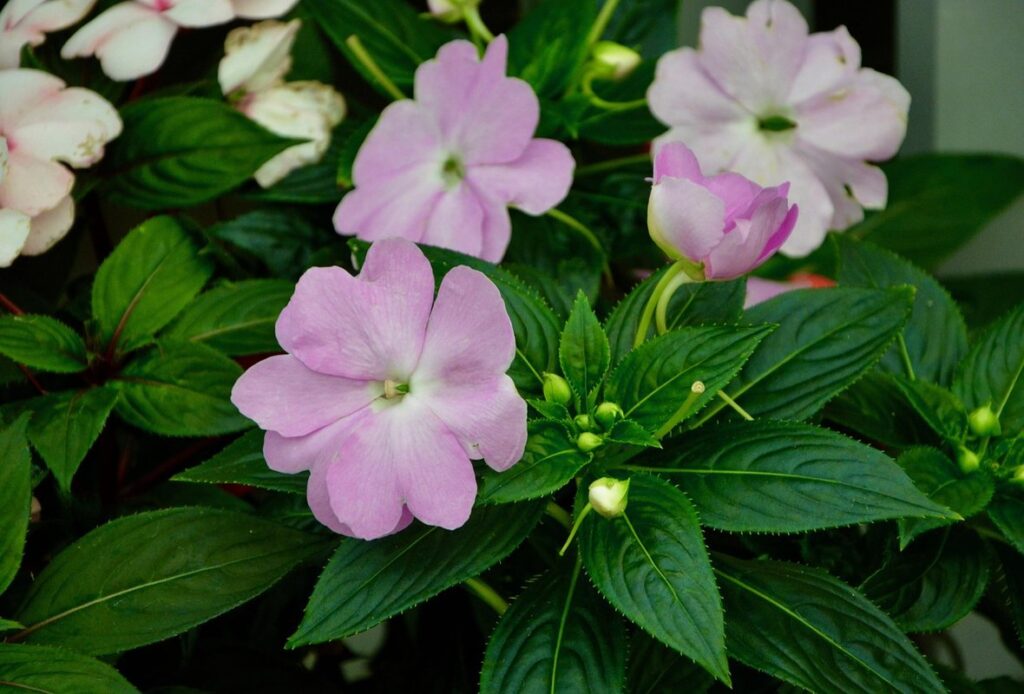
What are Impatiens Leaves?
Let’s take a closer look at impatiens leaves and what they’re all about, starting with their unique characteristics and growth habits that set them apart. We’ll explore how they work in your garden or indoor space.
Description and Types of Impatiens
Impatiens leaves come in an array of shapes, sizes, and colors, making them an attractive addition to any garden or indoor space. One common type is the ‘Jewel of Africa’ impatiens, which boasts large, rounded leaves with deep green coloration. On the other hand, the ‘Mystic Spires’ variety features slender, spiky leaves in shades of burgundy and green.
The ‘Sunpatin’ series offers a more compact option, with small to medium-sized leaves in various colors like pink, white, and red. These impatiens varieties are perfect for adding texture and depth to hanging baskets or container gardens. When selecting the right type of impatiens leaf for your space, consider the level of sunlight it will receive, as some varieties thrive in partial shade while others prefer full sun.
In addition to their unique characteristics, impatiens leaves also come in different colors, including solid green, variegated, and even bi-colored. This variety allows you to choose the perfect leaf for your space based on its aesthetic appeal.
Growth Habits and Requirements
To ensure your impatiens plants thrive, it’s essential to understand their growth habits and requirements. These beautiful foliage plants require optimal light conditions, moderate temperatures, and consistent watering schedules.
Impatiens leaves prefer bright, indirect light but can tolerate partial shade. Direct sunlight, especially during peak hours, can cause scorching and discoloration of the leaves. East- or west-facing windows are ideal for impatiens placement. If you’re unsure about the lighting in your home, you can also use sheer curtains to filter the sun’s rays.
Temperature-wise, impatiens thrive in temperatures between 65°F (18°C) and 75°F (24°C). Avoid placing them near heating or cooling vents, fireplaces, or drafty windows. Consistent temperatures will help prevent stress and promote healthy growth.
Watering is another crucial aspect of impatiens care. Allow the top inch of soil to dry out between waterings. Overwatering can lead to root rot, while underwatering may cause leaf drop. Check the soil moisture by inserting your finger into the soil up to the first knuckle. Water only when necessary, and avoid getting water on the leaves to prevent fungal diseases.
Keep in mind that impatiens are sensitive to extreme temperatures and watering conditions. Monitor your plants closely, and adjust their care accordingly to promote healthy growth and prevent potential issues.
Common Problems with Impatiens Leaves
If you’re noticing issues with your impatiens leaves, such as yellowing or drooping, there are several common problems to look out for that can be easily addressed. This section will guide you through those potential issues.
Leaf Spot Diseases
Leaf spot diseases are one of the most common problems that can affect impatiens leaves. These diseases are caused by fungal pathogens that thrive in warm and humid environments, making them a significant concern for gardeners who live in regions with high temperatures and rainfall. Two of the most prevalent leaf spot diseases affecting impatiens are Septoria leaf spot and Cercospora leaf spot.
Septoria leaf spot is characterized by small, circular spots on the leaves that may appear brown or yellowish in color. These spots can grow in size over time, eventually causing the entire leaf to turn yellow and drop off. To prevent Septoria leaf spot, make sure to provide good air circulation around your impatiens plants and avoid overhead watering, which can create a moist environment conducive to fungal growth.
Cercospora leaf spot, on the other hand, is characterized by large, irregularly-shaped spots that may appear gray or brown in color. To prevent Cercospora leaf spot, ensure that you are using sterile potting mix when repotting your impatiens and avoid overcrowding the plants, which can create a humid environment.
By taking these preventative measures, you can reduce the risk of leaf spot diseases affecting your impatiens leaves. Regularly inspecting your plants for signs of disease and removing any affected areas can also help prevent the spread of infection.
Pests and Fungal Infections
When it comes to impatiens leaves, there are several pests and fungal infections that can cause damage. One of the most common pests is the aphid, which sucks sap from the plant’s leaves and stems. Whiteflies also feed on sap, causing curled or distorted leaves. Spider mites are another problem, as they spin fine webs between the leaves and suck sap.
Fungal infections like root rot and leaf blight can be just as problematic. Root rot occurs when the roots of the impatiens plant become waterlogged, creating an ideal environment for fungi to grow. This can lead to soft, mushy stems and wilting leaves. Leaf blight is a fungal infection that causes yellowing or blackening spots on the leaves.
To prevent these issues, make sure your impatiens are receiving good air circulation and not overwatered. Inspect your plants regularly for signs of pests or disease. If you do spot an issue, treat it promptly with insecticidal soap or a fungicide specifically designed for impatiens.
Care Tips for Healthy Impatiens Leaves
Taking good care of your impatiens leaves is crucial, and understanding their specific needs will help you enjoy vibrant and healthy plants all season long. This section shares expert tips to achieve optimal leaf health.
Watering and Soil Requirements
When it comes to keeping impatiens leaves healthy, proper watering and soil requirements are crucial. Impatiens plants prefer well-draining soil that is rich in organic matter. A mix of peat moss, perlite, or vermiculite will help retain moisture while preventing waterlogged soil.
Water your impatiens plants when the top inch of soil feels dry to the touch. Avoid overwatering, as this can lead to root rot and other problems. Water thoroughly, allowing excess water to drain from the pot. It’s also essential to ensure good drainage in the pot by using a saucer or tray to catch any excess moisture.
A general rule is to water impatiens plants every 2-3 days during hot weather and less frequently during cooler months. Monitor your plant’s response to watering, adjusting the frequency as needed. Keep in mind that impatiens leaves are prone to fungal diseases when the soil is too wet or humid.
Remember, it’s always better to err on the side of caution and underwater slightly than to risk drowning your impatiens plants with too much water. By following these tips, you’ll be well on your way to keeping your impatiens leaves healthy and thriving.
Fertilization and Pruning Practices
Fertilizing impatiens regularly is essential for maintaining their vibrant colors and promoting healthy growth. By providing them with a balanced diet of nutrients, you can encourage lush foliage and prevent common problems like yellowing leaves. Use a water-soluble fertilizer specifically formulated for flowering plants, and apply it according to the manufacturer’s instructions.
Pruning impatiens regularly is also crucial for maintaining their shape and promoting new growth. To prune your impatiens effectively, follow these steps: remove any dead or dying leaves, cut back overgrown stems by about one-third, and trim the tips of the plant to encourage branching. This will help maintain a bushy shape and prevent legginess.
Additionally, consider pruning your impatiens after they’ve finished blooming in the summer months. This will give you an opportunity to remove any spent flowers and promote new growth for next year’s blooms. By combining regular fertilization with regular pruning, you can keep your impatiens looking their best all season long.
Troubleshooting Common Issues with Impatiens Leaves
If you’re noticing problems with your impatiens leaves, such as yellowing or dropping, don’t worry – we’ve got solutions to common issues right here. Let’s troubleshoot together and get those beautiful blooms back on track.
Yellowing or Droopy Leaves
One of the most common issues with impatiens leaves is yellowing or droopy appearance. This can be caused by a variety of factors including underwatering, overwatering, and nutrient deficiencies.
Underwatered impatiens plants are more susceptible to drought stress, which can cause their leaves to turn yellow and wilt. To correct this problem, make sure to water your impatiens regularly, but avoid getting water on the leaves or crown of the plant. Check the soil moisture by sticking your finger into the soil up to the first knuckle. If the soil feels dry, it’s time to water.
On the other hand, overwatering can cause root rot and lead to yellowing leaves. This is often caused by too much moisture in the soil, which prevents oxygen from reaching the roots. To prevent this, make sure to check the drainage holes in your pot and avoid getting water on the crown of the plant.
Nutrient deficiencies such as a lack of magnesium or iron can also cause yellowing leaves. If you suspect that your impatiens is suffering from a nutrient deficiency, consider using a balanced fertilizer to provide essential nutrients.
Leaf Drop and Plant Dying
Impatiens plants are susceptible to leaf drop and premature death due to various reasons. One of the primary causes is overwatering, which can lead to root rot. When the roots are deprived of oxygen, they cannot absorb nutrients, causing the leaves to wilt and eventually fall off.
Underwatering can also cause impatiens to drop its leaves, especially if the plant is exposed to extreme temperatures or dry winds. This stress triggers the plant’s natural response to conserve water by shedding its leaves.
Other factors contributing to leaf drop include fungal diseases like powdery mildew, which can be spread through contaminated soil and air circulation. Pests such as spider mites and mealybugs can also suck sap from the stems, causing the leaves to wither and fall off.
To prevent these issues in the future, ensure that your impatiens receives the right amount of water, considering factors like temperature and humidity levels. Regularly inspect your plant for pests and diseases, and take prompt action if you notice any signs of infection. Prune your impatiens regularly to maintain its shape and promote healthy growth.
Propagation and Repotting Impatiens Leaves
You’ll learn how to successfully propagate impatiens leaves for new plants, as well as when it’s time to repot your existing ones to keep them thriving.
Stem Cuttings and Division Methods
Propagating impatiens through stem cuttings is an effective way to multiply this popular annual flower. To begin, select healthy impatiens stems with at least two sets of leaves and cut them off just above a node using a sterile pruning tool. Remove lower leaves from the cutting, leaving only the top pair or two. This helps prevent the cutting from drying out before it roots.
Next, prepare a rooting medium like perlite or a mix specifically designed for propagating plants. Dip the base of the stem in a rooting hormone powder or liquid to stimulate root growth. Plant the cutting about 2-3 inches deep into the prepared medium, firming the soil gently around the stem. Water thoroughly and provide bright, indirect light until roots develop.
In ideal conditions, roots should emerge within 7-10 days. Keep the propagation area consistently moist but not waterlogged to promote healthy root development. Transplant the rooted cuttings into individual pots once they have established a robust root system.
Transplanting Mature Plants into Larger Containers
When repotting mature impatiens plants into larger containers, it’s essential to minimize shock and promote healthy growth. To do this, start by gently removing the plant from its current pot, taking care not to damage the roots or disturb the soil.
Inspect the roots for any circling or tangling, which can prevent the plant from absorbing water and nutrients properly. Gently tease out these tangles with a blunt instrument like a chopstick or pencil, being careful not to cause further stress.
Next, choose a larger container that’s only one to two sizes bigger than the current pot. This will help prevent the soil from becoming too wet or dry. Add fresh potting mix and gently place the plant in its new home. Water thoroughly, but avoid overwatering, which can lead to root rot and other problems.
By following these steps and being mindful of your impatiens’ needs, you should be able to successfully transplant mature plants into larger containers, promoting healthy growth and minimizing shock.
Conclusion: Caring for Your Impatiens Leaves
Now that we’ve discussed common problems and their solutions, let’s focus on how to properly care for your impatiens leaves to prevent future issues. Here are some final tips.
Recap of Key Takeaways
In reviewing the key takeaways from this article on impatiens leaves, it’s essential to remember that providing optimal care is crucial for maintaining their health. This includes ensuring they receive sufficient light, typically partial shade to full sun, depending on the variety. Failing to meet these light requirements can lead to weak and spindly growth.
Proper watering practices are also vital, as impatiens leaves prefer moist soil but can be susceptible to root rot if overwatered. A good rule of thumb is to check the soil daily, allowing it to dry slightly between waterings. Additionally, fertilizing regularly with a balanced fertilizer will promote healthy leaf growth and prevent nutrient deficiencies.
Finally, being aware of potential pests and diseases that can affect impatiens leaves is crucial for their overall health. Regularly inspecting your plants for signs of infestation or disease will help you catch issues early on, allowing for prompt treatment to prevent more severe problems from developing. By following these care guidelines and staying vigilant about potential threats, you’ll be well-equipped to keep your impatiens leaves thriving.
Final Tips for Success with Impatiens
When you’ve reached the end of our comprehensive guide to caring for impatiens leaves, it’s essential to remember a few key takeaways that will ensure your plants continue to thrive. First and foremost, don’t neglect to water your impatiens regularly, especially during hot summer months or when they’re exposed to direct sunlight.
Regular fertilization is also crucial to maintaining the health of your impatiens leaves. Consider using a balanced fertilizer that’s specifically formulated for flowering plants like impatiens. This will provide them with the necessary nutrients to produce vibrant flowers and maintain their leafy foliage.
To prevent pests and diseases from attacking your impatiens, make sure to inspect your plants regularly. Remove any infected or damaged leaves promptly, and consider using natural pest control methods whenever possible. By following these final tips for success with impatiens, you’ll be well on your way to enjoying a lush, vibrant display of colorful flowers all season long.
Remember, it’s the little things that often make the biggest difference in plant care. Pay attention to the specific needs of your impatiens plants, and don’t hesitate to reach out for advice if you’re unsure about how to address any issues that may arise. With proper care and attention, your impatiens leaves will continue to thrive and provide hours of enjoyment throughout the growing season.
Frequently Asked Questions
How can I prevent leaf spot diseases from affecting my impatiens plants?
Preventing leaf spot diseases requires attention to detail, especially when it comes to watering and soil moisture. Make sure the leaves are not consistently wet or exposed to prolonged periods of humidity. Water your plants in the morning, allowing the leaves to dry out before nightfall. Additionally, ensure proper air circulation around your impatiens by keeping a safe distance between plants.
What’s the best way to control pests on my impatiens without using chemical pesticides?
Natural pest control methods can be effective against common impatiens pests like aphids and whiteflies. Use neem oil or insecticidal soap, which are gentler alternatives to harsh chemicals. Regularly inspect your plants for signs of infestation and take action promptly. Hand-picking pests with a soft brush or soap solution can also help control populations.
Can I propagate impatiens leaves through stem cuttings?
Yes, impatiens can be successfully propagated using stem cuttings, making it an easy way to share plants with friends or create new ones for your garden. Choose healthy stems with multiple nodes, and remove lower leaves to prevent waterlogged tissues. Dip the cut ends in rooting hormone powder or liquid before planting them in a moistened potting mix.
How often should I fertilize my impatiens plants?
Fertilizing impatiens regularly promotes lush growth and vibrant blooms. Feed your plants with a balanced, water-soluble fertilizer (20-20-20 NPK) once every two weeks during the growing season (spring-fall). Dilute the fertilizer to half the recommended strength to avoid burning plant roots.
Can I grow impatiens in containers indoors without sufficient natural light?
No, impatiens require adequate light to thrive. While some shade-tolerant varieties exist, they still need direct sunlight or supplemental lighting to photosynthesize and maintain their health. If you’re growing impatiens indoors with limited natural light, consider investing in grow lights or placing the plants near a bright window to ensure sufficient illumination.