
Are you wondering whether your stunning calla lilies are best suited for indoors or outdoors? You’re not alone! These elegant flowers can add a touch of sophistication to any space, but their specific needs depend on where they’re placed. While some plants thrive in either environment, the requirements of calla lilies differ significantly between indoor and outdoor settings.
In this article, we’ll delve into the world of these beautiful blooms, exploring whether calla lilies are more suited for indoor or outdoor spaces. We’ll cover expert tips on how to care for your calla lilies in both environments, including optimal lighting, watering, and pruning techniques. By the end of this post, you’ll be equipped with the knowledge to grow stunning calla lilies that flourish under your care, no matter where they’re placed.
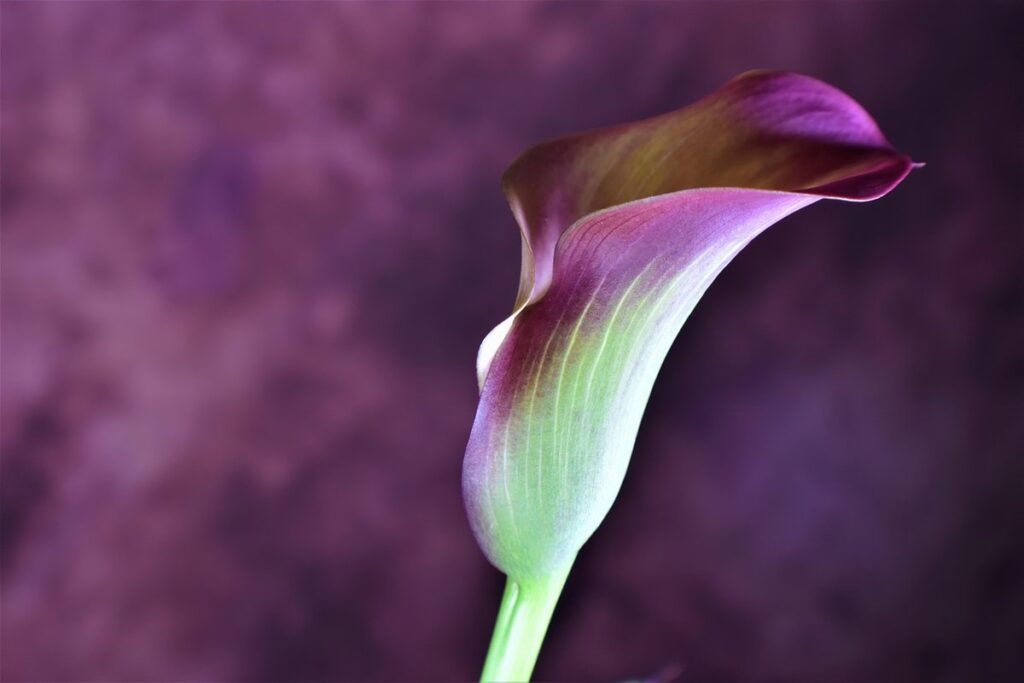
Understanding Calla Lilies: A Brief Introduction
To start growing and caring for your calla lily, it’s essential to understand its unique characteristics and needs. Let’s take a closer look at what makes this plant so special.
What Are Calla Lilies?
Calla lilies are a type of flowering plant that has gained immense popularity as an ornamental choice due to their unique and elegant appearance. Native to southern Africa, calla lilies have been cultivated for centuries, with the first recorded cultivation dating back to the 17th century in Europe. Today, they are widely grown and enjoyed around the world.
One of the key reasons for their enduring popularity is their striking beauty. Calla lilies boast large, trumpet-shaped blooms that can reach up to 10 inches in length, often accompanied by a dramatic green or purple strap-like foliage. Their unique appearance makes them an attractive addition to any indoor or outdoor space, making it hard not to wonder whether they belong indoors or out.
Their versatility and adaptability also contribute to their widespread appeal. Calla lilies can thrive in a variety of conditions, from full sun to partial shade, and in different soil types, including wet and dry environments. This flexibility means that they can be grown both indoors and outdoors, depending on the specific needs and preferences of the gardener or homeowner.
Types of Calla Lilies
There are several types of calla lilies, each with its unique characteristics and growth habits. Understanding these variations is essential to determine whether a calla lily is suitable for indoor or outdoor cultivation.
The Trumpet Calla Lily is one of the most popular varieties, known for its elegant trumpet-shaped blooms. These plants thrive in well-draining soil and full sun, making them ideal for outdoor gardens. However, they can also be grown indoors with proper care, such as providing bright indirect light and maintaining a consistent temperature.
Another popular variety is the Diamond Calla Lily, characterized by its unique diamond-shaped flowers. Like the Trumpet variety, these plants require well-draining soil and full sun to produce optimal blooms. While they can tolerate some shade, they tend to perform better outdoors where they receive ample sunlight.
Other types of calla lilies include the Calla ‘Christa’ and the Calla ‘Snowdon’, which are known for their unique flower shapes and sizes. When choosing a type of calla lily, consider your specific climate and growing conditions to determine whether it’s best suited for indoor or outdoor cultivation.
Growing Conditions for Calla Lilies
To grow calla lilies outdoors, they need full sun to partial shade and well-drained soil that’s kept consistently moist but not waterlogged. Let’s take a closer look at their growing requirements.
Light Requirements
Calla lilies require bright light to produce blooms, but direct sunlight can be too intense for them. In general, they thrive in partial shade to full shade conditions. When grown indoors, a south-facing window with filtered curtains or blinds is ideal. This allows for adequate light penetration without causing scorching.
If you’re growing calla lilies outdoors, choose a location that receives morning sun and dappled afternoon shade. This will provide the necessary light without exposing them to intense heat. East- or west-facing locations are also suitable, as they receive gentle, indirect sunlight throughout the day.
Keep in mind that direct sunlight can cause leaves to become scorched, especially during peak summer months. To avoid this, consider using a sheer curtain or shade cloth to filter the sun’s rays. By providing your calla lilies with the right amount of light, you’ll be rewarded with healthy growth and beautiful blooms.
Temperature and Watering Needs
To ensure your calla lilies thrive, understanding their temperature and watering needs is crucial. Calla lilies prefer warmer temperatures between 65°F to 75°F (18°C to 24°C) during the day and slightly cooler temperatures around 55°F to 65°F (13°C to 18°C) at night.
When it comes to watering, overwatering is a common mistake that can lead to root rot. Water your calla lilies when the top inch of soil feels dry to the touch, typically once or twice a week depending on the humidity and light exposure. For indoor cultivation, water sparingly as the air tends to be drier.
In contrast, outdoor plants in warmer climates may require more frequent watering. If you live in an area with high temperatures and intense sunlight, consider providing afternoon shade to prevent scorching.
Keep in mind that calla lilies need a period of dryness between waterings to develop healthy roots. Monitor your plant’s response to the environment and adjust your watering schedule accordingly. This will help prevent overwatering and ensure optimal growth for your beautiful calla lily blooms.
Pros and Cons of Growing Calla Lilies Indoors
If you’re considering growing calla lilies indoors, it’s essential to weigh the advantages and disadvantages before making a decision. Here are some key pros and cons to consider.
Benefits of Indoor Cultivation
Growing calla lilies indoors offers numerous benefits that can enhance your experience as a plant enthusiast. One of the most significant advantages is year-round blooms. With proper care and maintenance, indoor calla lily plants can produce flowers throughout the year, providing a constant source of beauty and fragrance in your home.
Another benefit of indoor cultivation is the controlled environment. By controlling factors like temperature, humidity, and light exposure, you can create an optimal growing condition for your calla lily, promoting healthy growth and preventing pests and diseases. This level of control also allows you to replicate the ideal conditions for your plant during different seasons, ensuring that it thrives regardless of external weather fluctuations.
Furthermore, indoor cultivation protects your plants from pests and diseases that are prevalent outdoors, such as aphids, whiteflies, and fungal infections. By keeping your calla lily indoors, you can minimize the risk of damage to your plant and reduce the need for pesticides or other chemicals.
In addition, indoor calla lilies require less maintenance compared to outdoor plants, making them a great choice for busy people or those new to gardening.
Drawbacks of Indoor Growing
Growing calla lilies indoors can be a delightful experience, but it’s essential to consider the potential drawbacks. One of the significant limitations is the space constraint. Since calla lily bulbs require a specific temperature range and humidity level, they need a dedicated area for growth. This can be challenging in small apartments or homes with limited spaces.
Additionally, indoor growing requires regular maintenance, which can be costly. You’ll need to invest in high-quality potting mix, fertilizers, and other supplies to ensure the plant’s optimal health. Moreover, over-watering is a common pitfall when cultivating calla lilies indoors, as the soil tends to dry out quickly in indoor environments.
To mitigate these issues, it’s crucial to monitor your plant’s water intake closely and adjust the frequency of watering accordingly. You can also consider using self-watering pots or investing in a smart watering system to avoid over-watering.
By being aware of these potential drawbacks, you can take proactive steps to create an ideal environment for your calla lily to thrive indoors. With careful planning and attention to detail, you can enjoy the beauty of this stunning plant even in small spaces.
Pros and Cons of Growing Calla Lilies Outdoors
If you’re considering growing calla lilies outdoors, it’s essential to weigh the benefits against the drawbacks before making a decision. Let’s explore the pros and cons of outdoor cultivation together.
Benefits of Outdoor Cultivation
Growing calla lilies outdoors can provide numerous benefits that contribute to their overall health and beauty. One of the advantages is natural pollination, which eliminates the need for manual pollination. This process involves bees and other beneficial insects transferring pollen between flowers, allowing for seed production.
Exposure to these beneficial insects also enhances soil health by bringing in essential nutrients and microorganisms. As calla lilies grow outdoors, they become a magnet for beneficial insects like ladybugs and lacewings, which prey on pests that might harm the plants.
In addition to natural pollination and exposure to beneficial insects, outdoor cultivation allows for improved soil health. Calla lilies grown in open-air conditions tend to develop stronger roots, which enables them to absorb more nutrients from the soil. This can result in healthier plants with vibrant blooms.
It’s essential to provide calla lilies grown outdoors with proper care, including adequate sunlight, water, and fertilization. By following these guidelines, you can enjoy the benefits of outdoor cultivation while maintaining the health and beauty of your calla lily plants.
Drawbacks of Outdoor Growing
Growing calla lilies outdoors can be a bit of a gamble due to several potential drawbacks. One of the most significant concerns is weather-related damage. Extreme temperatures, whether scorching hot or freezing cold, can cause irreparable harm to these sensitive plants. For example, prolonged exposure to frost can cause the bulbs to rot, while intense sunlight can lead to scorched leaves and flower stalks. Moreover, outdoor calla lilies are susceptible to pests like aphids, whiteflies, and spider mites, which can spread quickly and cause significant damage.
Diseases such as root rot, leaf spot, and powdery mildew are also common outdoor threats. These issues can be particularly challenging to manage due to the unpredictable nature of outdoor environments. As a calla lily grower, you may find it difficult to maintain optimal growing conditions when exposed to extreme weather fluctuations or pest infestations.
To mitigate these risks, make sure to choose a location with some protection from harsh weather and take regular precautions against pests and diseases. For instance, regularly inspect your plants for signs of infestation or infection, and implement integrated pest management strategies to minimize chemical use.
Calla Lily Care for Indoor/Outdoor Transitions
As you transition your calla lily from indoor to outdoor spaces, or vice versa, it’s essential to know how its care needs change in different environments. Let’s discuss the key considerations for a smooth transition.
Preparing Plants for Outdoor Transition
When it’s time to move your calla lily outdoors, you’ll want to ensure a smooth transition for your plant. One crucial step is acclimating your calla lily to outdoor sunlight, which can be quite intense compared to indoor conditions.
Start by placing your calla lily in a shaded area outside, such as under a tree or patio cover, for 1-2 weeks before moving it into direct sunlight. This gradual introduction will help prevent scorching of the leaves. Begin with morning sun and gradually increase exposure over time.
Soil preparation is also essential for outdoor transition. Calla lilies prefer well-draining soil to prevent root rot, which thrives in waterlogged conditions. If your outdoor soil doesn’t meet these criteria, consider transplanting your calla lily into a container filled with a mix specifically designed for tropical plants. This will ensure optimal drainage and help prevent root problems.
Check the temperature consistently to avoid shocking your plant. If possible, choose a spot that receives partial shade during the hottest part of the day to minimize stress on your calla lily.
Preparing Plants for Indoor Transition
When transitioning your calla lily from outdoor to indoor environments, it’s essential to prepare them for the change. Calla lilies thrive in bright, indirect light but can tolerate some shade, so choose a spot with minimal direct sunlight during the initial acclimation period.
To ensure a smooth transition, provide supplemental lighting if the new location receives less natural light than the outdoor setting. This can be achieved using grow lights or LED bulbs specifically designed for indoor plants. Aim to provide 12-14 hours of supplemental light per day for the first week to simulate the outdoor conditions.
Maintain consistent temperatures between 65°F and 75°F (18°C and 24°C) during the transition period, which will help reduce shock stress on the plant. Monitor humidity levels in your indoor space, as calla lilies prefer a relatively low humidity environment, typically between 40% to 50%.
During this adjustment phase, avoid overwatering, which can cause more harm than good. Stick to the regular watering schedule you’ve established for your outdoor plants, taking into account any changes in temperature or humidity that may affect moisture levels.
Seasonal Considerations for Calla Lily Care
When growing calla lilies, you’ll want to consider how seasonal changes affect their care. This means adapting watering and fertilizing schedules accordingly throughout the year.
Spring/Summer Care
During the warmer months of spring and summer, calla lilies require special attention to thrive. As these beautiful flowers bloom, they need a boost of nutrients to maintain their vibrant colors and robust growth. Fertilize your calla lily with a balanced, water-soluble fertilizer (20-20-20) during this period, following the manufacturer’s instructions for application rates.
Deadheading is another crucial aspect of spring/summer care for calla lilies. Remove spent flowers as soon as they fade to encourage repeat blooming and prevent seed production. This process also helps maintain the plant’s appearance and promotes healthy growth. To deadhead your calla lily, cut off the flower stem at its base with a sharp knife or pruning shears.
As temperatures rise, make sure your calla lily receives adequate water and humidity to prevent stress. Check the soil regularly, and avoid overwatering, which can lead to root rot and other issues. By providing your calla lily with proper care during spring and summer, you’ll enjoy a thriving plant that blooms continuously throughout the warmer months.
Fall/Winter Care
As we transition into the fall and winter months, it’s essential to prepare your calla lilies for dormancy. This period is crucial in helping your plants survive the harsh conditions of frost and freezing temperatures.
To protect your calla lilies from frost damage, bring them indoors or move them to a protected area such as a garage or sunroom. If you can’t bring them inside, create a cold frame or use row covers to insulate the soil and prevent frost from seeping in. This will help preserve the tubers and allow your plants to survive until spring.
Reducing watering schedules is also vital during this period. Calla lilies need less moisture when dormant, so water only when the top inch of soil feels dry. Avoid overwatering, as this can lead to root rot and other problems. By taking these simple steps, you’ll be able to keep your calla lilies healthy and thriving until the next growing season.
Conclusion: Choosing Between Indoor or Outdoor Cultivation
Now that we’ve weighed the pros and cons, it’s time to make a decision on whether your calla lily is best suited for indoor or outdoor cultivation. Let’s summarize our key takeaways.
Summary of Key Points
When deciding whether to cultivate calla lilies indoors or outdoors, it’s essential to consider the unique needs and characteristics of these beautiful flowers. As we’ve discussed throughout this article, indoor cultivation offers more control over temperature, humidity, and light exposure, which can be beneficial for calla lily growth. However, outdoor cultivation allows for natural sunlight and air circulation, promoting healthy root development.
Key differences between indoor and outdoor cultivation include the use of soil, water, and nutrient requirements. For instance, indoor plants require less watering due to low humidity levels, while outdoor plants benefit from more frequent watering during hot summer months. Additionally, indoor calla lilies need fertilization every 2-3 weeks with a balanced fertilizer, whereas outdoor plants receive nutrients from the soil.
To recap, when choosing between indoor and outdoor cultivation for your calla lily, remember to consider factors such as temperature control, humidity levels, and light exposure. By doing so, you can create an optimal environment that suits your plant’s needs and maximizes its beauty.
Recommendations for Calla Lily Enthusiasts
If you’re a calla lily enthusiast looking to grow these stunning flowers, here are some tailored recommendations for you. First and foremost, consider the space where you plan to cultivate your calla lilies. If you have a bright, sunny spot indoors with minimal foot traffic, an indoor calla lily might be perfect for you.
However, if you’re set on growing them outdoors, make sure your garden receives full sun to partial shade and has well-draining soil. You’ll also need to choose a location that’s protected from harsh winds and extreme temperatures. For those with limited outdoor space or who prefer the flexibility of indoor cultivation, consider growing calla lilies in containers.
To ensure healthy growth, be mindful of your local climate and adjust your care routine accordingly. In colder climates, bring potted calla lilies indoors during winter months to safeguard against frost damage. Conversely, in warmer regions, protect your plants from excessive heat by providing shade or adjusting watering schedules.
In terms of specific advice for enthusiasts, consider propagating calla lily bulbs using division or seed, as this allows you to create multiple new plants and experiment with different varieties. By following these recommendations, you’ll be well-equipped to grow thriving calla lilies in your preferred environment.
Frequently Asked Questions
What are the best practices for transitioning calla lilies from outdoor to indoor environments?
When moving your calla lily from outdoors to indoors, it’s essential to acclimate it to indoor conditions gradually. Start by bringing the plant inside 7-10 days before the last frost date in your area and place it near a bright window with filtered sunlight. Gradually increase the plant’s exposure to indoor lighting over 1-2 weeks to prevent shock.
Can I grow calla lilies in containers, and what are some tips for container gardening?
Yes! Calla lilies can thrive in containers as long as they receive adequate light, water, and nutrients. Choose a container that is at least 6-8 inches deep to accommodate the plant’s roots. Use a well-draining potting mix and ensure proper drainage holes to prevent root rot.
How do I protect my calla lily from pests and diseases in an outdoor setting?
Regularly inspect your calla lilies for signs of pests or diseases, such as aphids, whiteflies, or fungal infections. Treat infestations promptly with organic pest control methods, like neem oil or insecticidal soap. Fungal infections can be treated with fungicides, but prevent them by maintaining good air circulation and watering practices.
Can I propagate calla lilies indoors, and what is the best method for doing so?
Yes! You can propagate calla lily tubers indoors using a process called division or tissue culture. Divide established plants in spring when new growth begins, making sure each section has at least one “eye” or growing point. Alternatively, you can purchase calla lily tubers from reputable suppliers and plant them indoors.
What are some common mistakes to avoid when caring for calla lilies, particularly during the transition period?
Avoid overwatering, which can lead to root rot and other problems. Also, be cautious not to expose your calla lilies to extreme temperatures or drafts, especially during transitions between indoor and outdoor environments. Regularly inspect your plants for signs of stress or disease, and adjust care accordingly.