
As you plan your garden, one thing that might have caught your attention is the beautiful camellia plant. Not only do they produce stunning blooms throughout the year, but their evergreen nature also adds a pop of color and texture to your outdoor space. The key question many gardeners ask is whether or not these plants are truly evergreen. The answer, however, is more complex than just a simple yes or no. In this article, we’ll explore the intricacies of camellia’s evergreen nature and what it takes to promote healthy growth and maintain those gorgeous blooms all year round. We’ll dive into growing conditions, expert care tips, and provide you with the knowledge to keep your camellias thriving in any season.
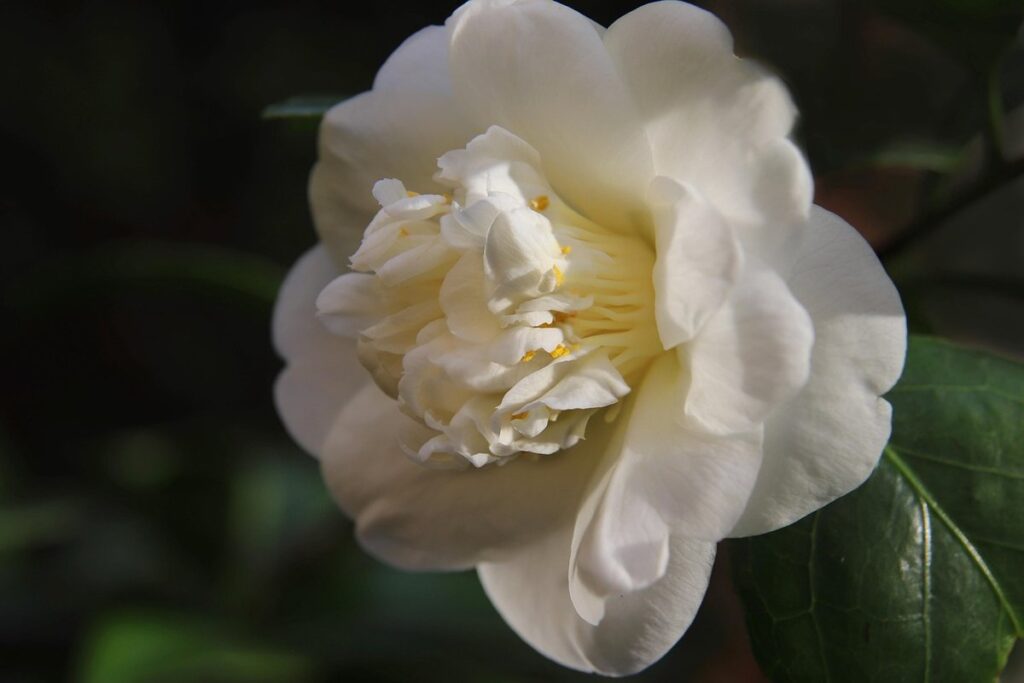
What are Camellias and Their Growing Conditions
Camellias are a type of flowering plant that thrive in specific conditions, which we’ll cover next to help you understand their unique needs.
To grow these stunning plants, it’s essential to know the ideal climate and soil requirements for optimal health.
Native Habitat and Climate Requirements
Camellias thrive in their native habitats, which are typically found in regions with mild winters and cool summers. To replicate these conditions in your garden, it’s essential to provide your camellia plant with a suitable climate and temperature range.
In general, camellias prefer temperatures between 40°F (4°C) and 70°F (21°C), with optimal growth occurring at temperatures around 60°F (15°C). Avoid placing your camellia in areas with prolonged exposure to extreme heat or cold. If you live in an area with frost, consider planting a cold-hardy variety that can tolerate temperatures as low as 10°F (-12°C).
Humidity is also crucial for healthy camellia growth. These plants prefer humid environments with a relative humidity of 50-60%. You can maintain optimal humidity levels by placing the plant near a water feature or using a humidifier nearby.
When choosing a location for your camellia, ensure it receives partial shade to full sun protection from intense sunlight. Avoid direct afternoon sun, as this can cause scorching and damage to the leaves.
By understanding and replicating these native habitat and climate requirements, you’ll be able to provide your camellia with the perfect conditions for optimal growth and maintenance.
Soil and Sunlight Preferences
When it comes to growing camellias, soil and sunlight preferences play a crucial role in their optimal growth. Camellias prefer well-draining acidic soils that have a pH between 5.5 and 6.5. This is because they belong to the heath family (Ericaceae), which thrives in such conditions. If your soil is too alkaline or heavy clay, it may lead to root rot and other problems.
In terms of sunlight, camellias are adaptable but generally prefer partial shade to full sun conditions. In warmer climates, they can tolerate more direct sunlight, while in cooler regions, they require some protection from intense sunlight. If you’re growing them in a pot, choose a location that receives bright, indirect light.
To create the ideal environment for your camellia, mix organic matter like peat moss or compost into your soil to improve drainage and reduce acidity. Avoid over-fertilizing, as this can lead to weak growth and more susceptibility to disease. Regularly check the pH level of your soil and adjust it accordingly. By providing your camellias with well-draining acidic soils and suitable sunlight conditions, you’ll be rewarded with healthy, vibrant plants that thrive year-round.
Characteristics of Evergreen Camellia Varieties
Camellias come in a wide range of varieties, and some of these evergreen types have characteristics that set them apart from their deciduous counterparts. Let’s explore what makes each one unique.
Leaves and Buds
Evergreen camellia varieties are known for their stunning foliage, which is a key characteristic that sets them apart from deciduous types. When it comes to leaves, evergreen camellias typically have elliptical or ovate shapes, with some species displaying more rounded or pointed tips. Leaf sizes can vary greatly, but most evergreen camellias fall within the range of 2-6 inches in length and 1-3 inches in width.
One notable feature of evergreen camellia leaves is their waxy texture, which helps to prevent water loss and protect against extreme temperatures. The leaf colors are often a vibrant green on top, while the underside may be lighter or even tinged with bronze or reddish hues. This is due to the presence of specialized cells that contain pigments such as chlorophyll.
Buds, too, play an important role in evergreen camellia identification. These small, compact buds are usually hidden among the leaves and are often pointed or tapered at the tip. They can range in size from 1-3 inches long and may be slightly fuzzy or waxy to the touch. As with the leaves, bud colors vary between species, but most tend towards shades of green or brown.
Practically speaking, if you’re growing an evergreen camellia, it’s essential to water them regularly during their first year after planting, as this will help establish a strong root system and promote healthy growth. Watering once or twice a week should suffice for mature plants, but make sure not to overwater, which can lead to root rot and other issues.
Flowering Habits and Bloom Times
Camellias are known for their stunning flowers, and evergreen varieties are no exception. But have you ever wondered about the different flowering habits and bloom times of these beautiful plants? As it turns out, various evergreen camellia varieties exhibit unique characteristics when it comes to blooming.
Some evergreen camellia varieties, like Camellia sasanqua, tend to bloom in fall and early winter. This means you can enjoy their gorgeous flowers from late October to December. On the other hand, Camellia japonica usually blooms later, between January and May. By choosing the right variety, you can have a continuous display of flowers throughout the year.
Keep in mind that factors like climate, soil quality, and sunlight exposure also impact bloom times. For example, camellias grown in warmer climates tend to bloom earlier than those in cooler regions. To ensure your evergreen camellia blooms at its best, make sure it receives partial shade and consistent moisture levels. By understanding the unique flowering habits of different varieties, you can plan accordingly and enjoy a vibrant display of flowers year-round.
How to Care for Evergreen Camellias
To keep your evergreen camellia looking its best, it’s essential to provide regular care and attention, including pruning and fertilizing at the right times. Regular maintenance will promote healthy growth and vibrant blooms.
Watering and Fertilization Needs
When it comes to maintaining the health and vibrancy of evergreen camellias, proper watering and fertilization techniques are crucial. Overwatering is a common mistake that can lead to root rot and other problems, while underwatering may cause the leaves to turn yellow or drop off.
As a general rule, water your evergreen camellia when the top 2-3 inches of soil feel dry to the touch. This frequency will vary depending on factors such as climate, soil type, and season. In areas with high rainfall or humidity, you may need to reduce watering to prevent root rot.
In terms of fertilization, use a balanced, slow-release fertilizer in early spring (around February-March) when new growth begins. You can also fertilize again after blooming, around May-June, but be cautious not to over-fertilize as this can promote excessive foliage at the expense of flowers.
It’s also essential to choose a fertilizer that is formulated for acid-loving plants like camellias. These typically contain ingredients like sulfur or aluminum sulfate to lower the soil pH and provide beneficial micronutrients. Follow the manufacturer’s instructions for application rates, and always water your plant well before and after fertilizing to prevent burning its roots.
Pruning and Grooming Techniques
Regular pruning and grooming are essential techniques to promote bushy growth, encourage new blooms, and maintain the shape of your evergreen camellias. By removing dead or damaged branches, you allow the plant to focus its energy on producing new growth, which in turn promotes more blooms.
Pruning also helps control the size and shape of the plant, keeping it compact and neat. For example, after blooming season, cut back spent flower stalks about one-third from the tip. This not only removes any unsightly dead flowers but also encourages the plant to produce new blooms on lateral buds.
To promote bushy growth, prune your camellia in a way that maintains a balanced shape. Cut branches at a 45-degree angle just above a bud eye (the small swellings on stems from which new leaves and flowers emerge). This will help stimulate new growth from the base of the plant, creating a fuller, more compact shrub.
Remember to prune your camellias during their dormant season for best results. Prune in late winter or early spring before new growth begins.
Common Misconceptions About Camellia Evergreen Status
You might be surprised by what you’ve heard about camellias and their evergreen status. In reality, there are several common misconceptions that can be easily debunked with some expert insight.
Debunking the ‘Camellia Not Evergreen’ Myth
One of the most common misconceptions about camellias is that they are deciduous, meaning they shed their leaves seasonally. However, this couldn’t be further from the truth. Camellias are technically evergreen, retaining their leaves year-round. The myth likely stems from the fact that some varieties can drop their oldest leaves as new growth emerges in spring.
In reality, camellia leaves remain on the plant for several years before eventually falling off due to age or disease. This process is a natural part of the plant’s life cycle and doesn’t indicate any decline in health. To maintain your camellia’s evergreen status, make sure it receives adequate moisture and nutrients during periods of dormancy.
While some camellias may appear to be dying back in winter due to cold temperatures or disease, this is not necessarily a sign that the plant is deciduous. In fact, many camellias will simply go dormant during the coldest months, only to burst back into growth when warmer weather returns.
Seasonal Changes and Leaf Retention
Camellias are often mistaken for being deciduous due to their tendency to drop some leaves during certain times of the year. However, this behavior is not a result of seasonal change but rather a natural adaptation to conserve energy and water.
One reason camellias appear to shed foliage like deciduous plants is because of leaf retention strategies that vary by region. For instance, in warmer climates, they tend to retain their leaves year-round but may drop a few during periods of extreme heat or drought. In contrast, those growing in cooler regions often experience more significant shedding as temperatures fluctuate between summer and winter.
When it comes to adapting to seasonal changes, camellias have developed unique strategies to minimize leaf loss. They grow new leaves from buds that form on their stems, allowing them to gradually replace old ones without completely losing foliage. This gradual process helps maintain a constant appearance of being evergreen throughout the seasons.
Propagation Methods for Evergreen Camellia Varieties
To grow and share your favorite evergreen camellias, it’s essential to know how to propagate them successfully using various methods. We’ll explore these techniques in detail below.
Seed Germination and Cuttings
Propagating new camellia plants through seed germination and cuttings is an exciting process that allows enthusiasts to share their favorite varieties with others. However, this method can be a bit more challenging compared to other methods.
When it comes to seed germination, camellias have a unique requirement – they need to pass through cold stratification before germinating. This means the seeds must be exposed to temperatures between 35-45°F (2-7°C) for several weeks to break their dormancy. Once this process is complete, the seeds can be sown indoors in a warm location with adequate moisture.
Another popular method of propagation is through stem cuttings. In this process, a section of the camellia stem (about 4-6 inches long) is removed and allowed to dry for a few days to form a callus over the wounds. The cutting is then placed into a pot filled with rooting medium, such as perlite or vermiculite, and kept moist until roots develop.
Camellias can also be propagated through leaf propagation techniques, which involves placing a healthy camellia leaf on a rooting medium. This method is ideal for people who prefer a faster propagation process compared to seed germination or stem cuttings. To increase the chances of success with any of these methods, it’s essential to use high-quality equipment and follow proper care instructions.
It’s worth noting that not all camellias can be easily propagated through seed or cuttings – some varieties may require special techniques or equipment. For instance, camellia varieties like ‘Winter Snow’ and ‘Pink Starlight’ are difficult to propagate using stem cuttings due to their sensitive nature. Therefore, it’s crucial to research the specific needs of your camellia variety before attempting propagation.
If you’re new to propagating plants, it’s a good idea to start with leaf propagation or purchase established nursery stock. These methods offer higher success rates and can save time in the long run. With patience and practice, however, many enthusiasts have successfully propagated their favorite camellias through seed germination and cuttings.
Grafting and Budding Methods
Grafting and budding are specialized propagation methods used to combine the desirable traits of existing camellia varieties with a more robust rootstock. This technique allows growers to enhance growth, increase blooms, and ensure the overall health of their plants. By grafting or budding an evergreen camellia variety onto a strong rootstock, you can create a more resilient plant that’s better equipped to withstand environmental stressors.
Grafting involves joining a piece of stem from one camellia variety (called the scion) onto the root system of another variety (the rootstock). This process is typically done in the spring or fall when the plants are dormant. Budding, on the other hand, involves inserting a small bud from one variety into a slit made in the bark of the rootstock.
When selecting a rootstock for grafting or budding, it’s essential to choose a variety that complements the scion’s growth habits and climate tolerance. For example, you can pair a delicate Asian camellia with a robust Southern camellia rootstock for added vigor. This union allows growers to enjoy a more vibrant and productive plant while minimizing maintenance requirements.
Conclusion: Embracing the Evergreen Nature of Camellias
As you’ve learned throughout our comprehensive guide, camellia plants are indeed evergreen, and in this final section, we’ll dive into what this means for your gardening endeavors. Let’s explore the benefits of incorporating these beautiful flowers into your landscape design.
Appreciating These Plants’ Year-Round Interest
Incorporating evergreen camellias into your garden can bring numerous benefits and joys. One of the most significant advantages is their year-round interest, which provides a constant source of beauty and wonder. Unlike deciduous plants that shed their leaves seasonally, evergreen camellias retain their foliage throughout the year.
This means you’ll have stunning flowers, glossy leaves, and attractive bark to admire 365 days a year. The continuous display of blooms, often in shades of white, pink, or red, adds a pop of color to your garden even during the coldest winter months when other plants are dormant.
The resilience of evergreen camellias is another significant advantage. These plants can thrive in a range of conditions, from full sun to partial shade, and in various soil types. This adaptability makes them an excellent choice for gardens with challenging terrain or unpredictable weather patterns.
To maximize the year-round interest of your evergreen camellia, consider the following tips:
* Plant multiple varieties to ensure a prolonged blooming period
* Choose cultivars with different bloom times to create a staggered display of flowers
* Incorporate evergreen camellias into a layered garden design, featuring a mix of flowering plants, foliage plants, and structural elements like shrubs or trees
* Mulch around the base of your camellia to retain moisture, suppress weeds, and regulate soil temperature
By embracing the evergreen nature of camellias, you’ll create a beautiful, low-maintenance garden that provides interest and joy throughout the year.
Frequently Asked Questions
Can I grow camellias indoors, or do they require outdoor conditions?
While camellias can thrive outdoors in specific climates, it’s challenging to replicate their native habitat indoors. However, if you live in a region with extreme winters or limited outdoor space, you can try growing them in a greenhouse or large containers with controlled temperature and humidity levels. Research the specific needs of your chosen camellia variety to ensure success.
How do I know which type of camellia is suitable for my region?
When selecting a camellia variety, consider factors like hardiness zones, climate conditions, and soil preferences. Look for varieties bred for your region or consult with local nurseries and experts who can guide you in choosing the best evergreen camellia species for your area.
Can I propagate camellias from cuttings or seed?
Camellias are typically propagated through grafting or budding, as these methods ensure a high success rate. Taking cuttings is possible but requires great skill and attention to detail. Seed germination can be successful, but the resulting plants may not retain the same characteristics as their parent plant.
How often should I water my camellia, especially during dry spells?
Camellias prefer well-draining soil and consistent moisture levels. Water your camellia regularly, but avoid overwatering, which can lead to root rot. During dry spells, increase watering frequency, but be cautious not to saturate the soil. Monitor your plant’s response to adjust your watering schedule accordingly.
Are all camellia varieties evergreen, or are there exceptions?
While many popular camellia varieties retain their leaves year-round, some may shed their leaves during extreme weather conditions or as part of their natural life cycle. Research specific varieties and their characteristics to ensure you’re getting an evergreen camellia that meets your needs.