
As the holiday season approaches, many of us turn to Christmas plants to add some festive cheer to our homes. But let’s be honest – taking care of these beautiful greens can be overwhelming, especially if you’re new to plant parenthood! With so much to consider, from choosing the right variety to keeping them pest-free and watered just right, it’s no wonder many of us worry about killing off our beloved holiday decorations.
In this article, we’ll take a closer look at how to choose, care for, and troubleshoot common issues with your Christmas plants. We’ll cover everything from watering and humidity to pest control and maintenance – so you can rest assured that your holiday greens will thrive all season long. Whether you’re a seasoned plant enthusiast or a busy holiday host, our expert tips will help you keep your Christmas plants looking their absolute best.
Choosing the Right Plants
When it comes to bringing Christmas cheer into your home, selecting the right plants is crucial. With so many options available, let’s dive into what makes a plant perfect for the holiday season.
Factors to Consider When Selecting Christmas Plants
When selecting Christmas plants, it’s essential to consider factors that ensure they thrive indoors and bring festive cheer to your home. Start by choosing plants that are naturally suited for indoor conditions, such as low-light environments. Poinsettias, Amaryllis, and Cyclamen are popular options, but be sure to pick varieties that can tolerate the dry air often found in homes during the winter months.
Consider plants with a compact or trailing growth habit to fit snugly into small spaces or corners. Miniature potted trees, like dwarf fir or spruce, add a touch of magic to mantels and tabletops without sacrificing floor space. For larger areas, opt for statement pieces like topiaries or lush ferns.
In addition to size and shape, color is also crucial in creating a festive atmosphere. Vibrant reds, greens, and whites evoke the classic Christmas spirit, while burgundies, silvers, and golds add an elegant twist. Think about incorporating plants with pops of color, like bright red holly berries or golden-toned Poinsettia leaves.
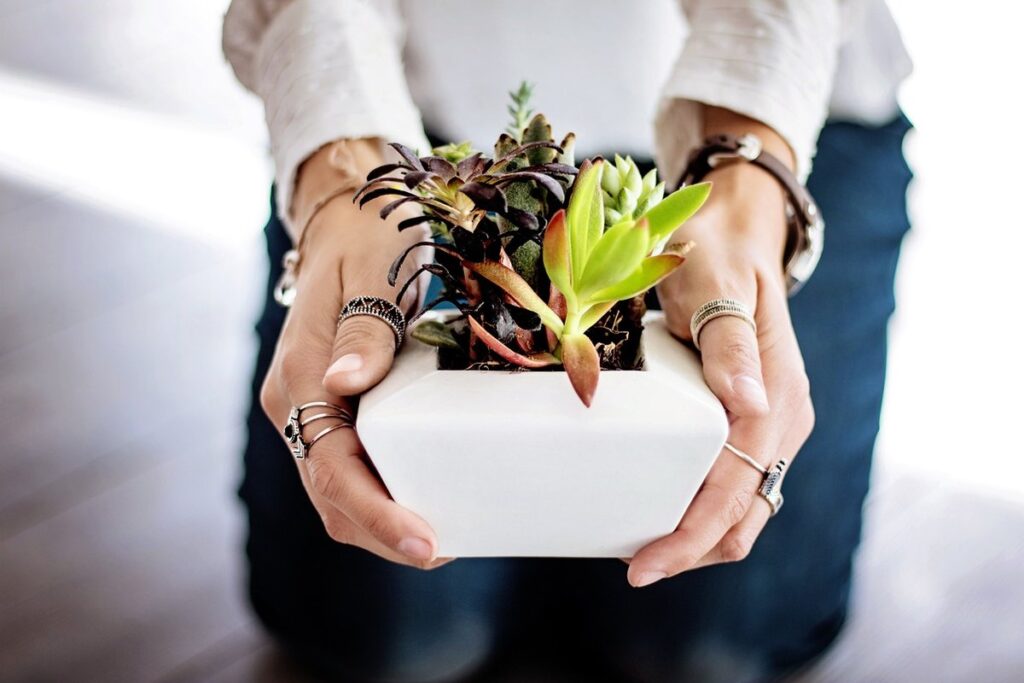
Lastly, don’t underestimate the importance of low-maintenance plants that can withstand neglect during the busy holiday season. Succulents, like Aloe Vera or Echeveria, are excellent choices for those new to Christmas plant care or with hectic schedules.
Popular Christmas Plant Options
When it comes to choosing the perfect Christmas plants, you have a wide range of options to consider. Here are some popular choices that are sure to bring festive cheer to your home:
Poinsettias are a classic Christmas choice, known for their vibrant red leaves and ability to thrive in low-light conditions. To keep them healthy, ensure they receive plenty of water and fertilize regularly. Be mindful not to overwater, as this can lead to root rot.
Amaryllis bulbs are another popular pick, boasting large, showy flowers that add a touch of elegance to your decor. These plants prefer well-draining soil and indirect sunlight. Make sure to plant the bulb at the correct depth to ensure proper growth.
Cyclamen is an attractive option for those who want something a bit more unique. Their heart-shaped leaves come in a variety of colors, including pink and white, and are complemented by delicate flowers. Keep cyclamen plants cool and well-watered to encourage blooming.
By choosing one of these festive options and following proper care guidelines, you’ll be on your way to enjoying a healthy and thriving holiday season with your Christmas plants.
Watering and Humidity
To keep your Christmas plants thriving, it’s essential to pay attention to watering and humidity levels, which can greatly impact their health and appearance. Proper hydration is especially crucial during the dry winter months.
Understanding the Importance of Watering
Proper watering is essential for Christmas plants to thrive during the holiday season. With all the festivities and distractions, it’s easy to forget to water your plants, leading to dry, wilted leaves and potentially fatal root rot. Overwatering can be just as detrimental, causing roots to drown in excess moisture.
To avoid these common mistakes, start by checking the soil moisture before watering. Stick your finger into the soil up to the first knuckle, and if it feels dry, it’s time to water. Water your plants thoroughly until you see water coming out of the drainage holes, but be cautious not to let the pot sit in water.
A general rule of thumb is to water your Christmas plants once a week during the winter months when they’re less active. However, this may vary depending on the specific plant species and environmental conditions. For example, poinsettias prefer moist soil but can’t tolerate standing water, while amaryllis thrive in well-draining potting mix.
By understanding your plant’s unique watering needs and sticking to a regular schedule, you’ll be able to provide the best possible care for your Christmas plants and enjoy their vibrant beauty throughout the holiday season.
Tips for Maintaining Optimal Humidity Levels
Maintaining optimal humidity levels is crucial for the health and well-being of your indoor plants during the holiday season. As we know, most homes are heated during this time, which can dry out the air and cause stress to our beloved plants. To combat this, consider using a humidifier in the room where your plants are located. These devices release moisture into the air, helping to maintain a humidity level between 40-60%.
Another creative solution is to group your plants together. By doing so, they’ll help create their own microclimate, reducing evaporation and maintaining a more stable humidity level. This technique is especially effective for small spaces or when you have multiple plants that require similar conditions.
To take it a step further, you can also increase the humidity levels around your plants by placing them on a tray filled with water and pebbles. As the water evaporates, it’ll release moisture into the air, providing an additional boost to your plant’s environment. By implementing one or more of these strategies, you’ll be well on your way to maintaining optimal humidity levels for a healthy holiday season with your indoor plants.
Lighting Considerations
When it comes to keeping your Christmas plants thriving, proper lighting is crucial. Make sure you’re providing enough indirect light for your festive foliage.
The Impact of Artificial Lighting on Plants
When it comes to Christmas plant care, one often-overlooked aspect is the impact of artificial lighting on our festive foliage. Artificial lights, especially LED lights, have become a staple for illuminating homes during the holiday season. While they provide a warm and cozy ambiance, did you know that they can also affect your plants?
LED lights emit a different spectrum of light compared to natural sunlight, which can confuse plants and disrupt their growth patterns. Some plants may stretch towards the light source, leading to an unkempt appearance or even breakage. To minimize this effect, make sure to place LED lights at a safe distance from your plants (at least 12-18 inches away). Additionally, consider providing adequate light duration by following a consistent lighting schedule.
For example, if you’re using LED lights for 8 hours a day, try rotating them every few days to ensure even coverage and prevent plant growth in one direction. This simple adjustment can make all the difference in maintaining your Christmas plants’ health and appearance throughout the holiday season.
How Natural Light Affects Christmas Plants
When it comes to Christmas plant care, natural light is one of the most critical factors to consider. Most Christmas plants thrive in bright, indirect sunlight, which can be found near an east- or west-facing window. Avoid placing plants directly in front of a south-facing window, as this can cause scorching and damage.
If you’re short on windows with natural light, don’t worry – there are still ways to provide your Christmas plants with the right amount of sunlight. Consider moving them outside to a shaded area during the day or using grow lights specifically designed for indoor plants. Some popular options include LED plant lights or fluorescent tubes.
In terms of specific placement, think about the type of plant you have and its individual needs. For example, poinsettias prefer bright, indirect light, while amaryllis can tolerate some direct sunlight. By placing your Christmas plants in a spot with optimal natural light, you’ll be able to enjoy their vibrant colors and lush foliage throughout the holiday season.
When positioning your plant, also consider the surrounding temperature and humidity levels, as these can impact its overall health and well-being.
Temperature Control
Keeping your Christmas plants at just the right temperature is crucial, so let’s dive into how to control their environment for optimal health and happiness. A simple trick can make all the difference!
The Ideal Temperature Range for Christmas Plants
When it comes to maintaining the health of your Christmas plants, temperature control is crucial. The ideal temperature range varies depending on the type of plant you have. For poinsettias, for example, they thrive in temperatures between 65°F and 70°F (18°C-21°C). Avoid placing them near heating vents or radiators, as this can cause scorching of the leaves.
Amaryllis, on the other hand, prefer a slightly cooler temperature range of 50°F to 60°F (10°C-15°C) during the day. This will help promote blooming and prevent the flowers from fading too quickly.
Other popular Christmas plants like cyclamen and forced bulbs also have specific temperature requirements. Cyclamen prefer temperatures around 55°F-65°F (13°C-18°C), while forced bulbs like tulips and daffodils require cooler temperatures between 40°F-50°F (4°C-10°C) to bloom.
To ensure your Christmas plants stay healthy, keep them away from drafts and extreme temperature fluctuations. A consistent temperature range will help prevent stress, disease, and pests.
Protecting Plants from Extreme Temperatures
As we dive into the holiday season, it’s essential to consider the temperature fluctuations that can impact our beloved Christmas plants. Extreme temperatures can cause stress and damage to even the hardiest of plants, so let’s talk about how to protect them from the cold.
First things first: keep your plants away from heating vents and drafty windows. This may seem obvious, but it’s a common mistake many of us make during the winter months. The direct heat from these sources can quickly dry out your plant’s soil and cause its leaves to wilt. If you must place your plant near a window, consider using thermal curtains or drapes to block the cold air.
Another way to shield your plants from extreme temperatures is to provide them with some extra insulation. You can use decorative plant covers or wrap your pots in bubble wrap to keep the chill out. This will help maintain a consistent temperature around your plant and prevent any sudden drops that could cause damage.
Remember, Christmas plants like poinsettias, amaryllis, and cyclamen are sensitive to extreme temperatures, so be sure to monitor their environment closely. By taking these simple precautions, you can ensure your holiday plants stay happy and healthy throughout the season.
Pest Control and Maintenance
To keep your Christmas plants thriving, you’ll also want to be on the lookout for pests that can cause damage and spread disease. Regular maintenance is key!
Common Pests That Affect Christmas Plants
As you bring festive cheer to your home with Christmas plants, beware of unwanted visitors that can wreak havoc on their health. Spider mites, mealybugs, and scale are common pests that can affect these plants during the holiday season.
Spider mites are tiny, spider-like insects that feed on plant sap, causing yellowing leaves and fine webbing. They thrive in dry environments, so ensure your Christmas plants receive adequate moisture to prevent infestations. Check for fine webbing or a stippled appearance on leaves by gently brushing them with your fingers.
Mealybugs, on the other hand, are small, white insects covered in a cottony substance. They suck plant sap, causing curled or distorted leaves. Inspect your plants regularly, especially under leaf surfaces and at stem junctions, for these pests.
Scale insects are also common Christmas plant pests, often hidden under waxy coatings that protect them from predators. They feed on plant sap, causing slow growth and yellowing leaves. To prevent infestations, quarantine new plants before introducing them to your collection, and treat any affected areas promptly with insecticidal soap or neem oil.
Regularly inspect your Christmas plants for these pests, taking action at the first sign of an infestation to prevent further damage and keep your holiday decorations looking their best.
Tips for Maintaining Healthy Soil Conditions
Maintaining healthy soil conditions is crucial for your Christmas plants to thrive during the holiday season. As you water and care for your plants, it’s essential to remember that their roots need oxygen and nutrients to grow strong. Over time, the soil can become depleted of these vital elements, leading to weak and leggy growth.
To keep your plants happy, repot them as needed using a well-draining potting mix specifically designed for indoor plants. This will help prevent waterlogged soil and root rot. Fertilize your plants with a balanced, water-soluble fertilizer (20-20-20) during the growing season (spring-fall). During the winter months, reduce fertilization to half-strength or stop altogether.
Keep an eye out for signs of nutrient deficiencies, such as yellowing leaves or stunted growth. If you notice any issues, adjust your fertilization schedule accordingly. For example, if you’re using a fertilizer that’s too strong, dilute it with water to prevent burning your plant’s roots. Regularly inspect your plants’ soil moisture and pH levels to ensure they remain within the optimal range for their specific needs.
Troubleshooting Common Issues
We’ve all been there – your beautiful Christmas plant is starting to wilt, and you’re not sure what’s going wrong. Don’t worry, we’ll walk you through common problems and solutions to get your plants thriving again.
Diagnosing and Treating Sick Plants
When it comes to Christmas plant care, one of the most common issues you may encounter is sick plants. Diagnosing and treating these problems quickly can make all the difference between a thriving and struggling plant. Let’s take a closer look at some common signs of trouble, such as yellowing leaves or wilting stems.
If your plant’s leaves are turning yellow, it could be a sign of overwatering, underwatering, or exposure to too much direct sunlight. Check the soil moisture by sticking your finger into the soil up to the first knuckle – if it feels dry, it’s time for a drink. However, if the leaves continue to turn yellow even after adjusting your watering schedule, it could be due to a nutrient deficiency.
Wilting stems are often a sign of overwatering or root rot. If you suspect this is the case, repot your plant in fresh soil and prune any damaged roots. To prevent wilting in the future, make sure not to get water on the leaves or crown of the plant. Instead, water at the base, allowing the plant to absorb the moisture through its roots.
Common pests like spider mites, mealybugs, or scale can also cause damage to your plants. Inspect your plants regularly for signs of infestation and treat promptly if you spot any unwanted critters.
Common Mistakes to Avoid When Caring for Christmas Plants
When caring for Christmas plants, it’s easy to fall into common mistakes that can harm these beautiful additions to our holiday decor. One of the most critical errors is overwatering, which can lead to root rot and other problems. To avoid this, make sure to check the soil moisture by sticking your finger into the soil up to the first knuckle. If it’s dry, it’s time for a drink – but if it’s still damp, wait another day or two before watering.
Underwatering is just as problematic, causing leaves to wilt and turn yellow. To prevent this, water your plants thoroughly, making sure the pot drains well to prevent waterlogged soil. Be mindful of changing temperatures and humidity levels, which can affect how quickly a plant needs water. For example, if you bring your Christmas cactus indoors from a cool outdoor spot, it may need more frequent watering due to the increased warmth.
By being attentive to these details and avoiding common mistakes like overwatering and underwatering, you’ll be well on your way to keeping your Christmas plants thriving all season long.
Frequently Asked Questions
How often should I fertilize my Christmas plants?
Fertilizing your Christmas plants once a month can promote healthy growth and vibrant colors. Use a balanced, water-soluble fertilizer to feed your plants during the growing season (spring-fall). Dilute the fertilizer according to the manufacturer’s instructions to avoid burning your plant’s roots.
What should I do if my Poinsettia drops its leaves?
No – it’s common for Poinsettias to drop their lower leaves as they adjust to indoor conditions. However, excessive leaf dropping can be a sign of over-watering or underwatering. Check the soil moisture and adjust your watering schedule accordingly.
Can I use artificial lighting for my Christmas plants?
Yes – in fact, artificial lighting can help supplement natural light, especially during periods of low sunlight. Use LED grow lights specifically designed for indoor plants to prevent overheating and scorching leaves.
How do I maintain optimal humidity levels for my Christmas plants?
Maintain a humid microclimate around your plants by placing the pot on a tray filled with water and pebbles or using a humidifier nearby. Aim for a relative humidity of 40-50% to promote healthy growth.
What are some common pests that affect Christmas plants, and how can I prevent them?
Aphids, spider mites, and mealybugs are common pests that infest Christmas plants. To prevent infestation, inspect your plants regularly, use neem oil or insecticidal soap as a preventative measure, and maintain good air circulation around your plants.