
The festive spirit of the holiday season is closely tied to the stunning beauty of the poinsettia plant. However, its fleeting life cycle can be a source of frustration for many. With proper care and attention, you can enjoy this vibrant decoration throughout the year and encourage it to bloom again and again.
In this article, we’ll cover the essential steps in caring for your poinsettia, from selecting the right variety to troubleshooting common issues that may affect its growth. Whether you’re a seasoned plant parent or a newcomer to the world of horticulture, learning how to properly care for your poinsettia is key to getting the most out of this festive favorite and enjoying it year-round. We’ll also share tips on how to promote blooms throughout its lifespan, so you can keep this stunning plant thriving long after the holiday season has passed.
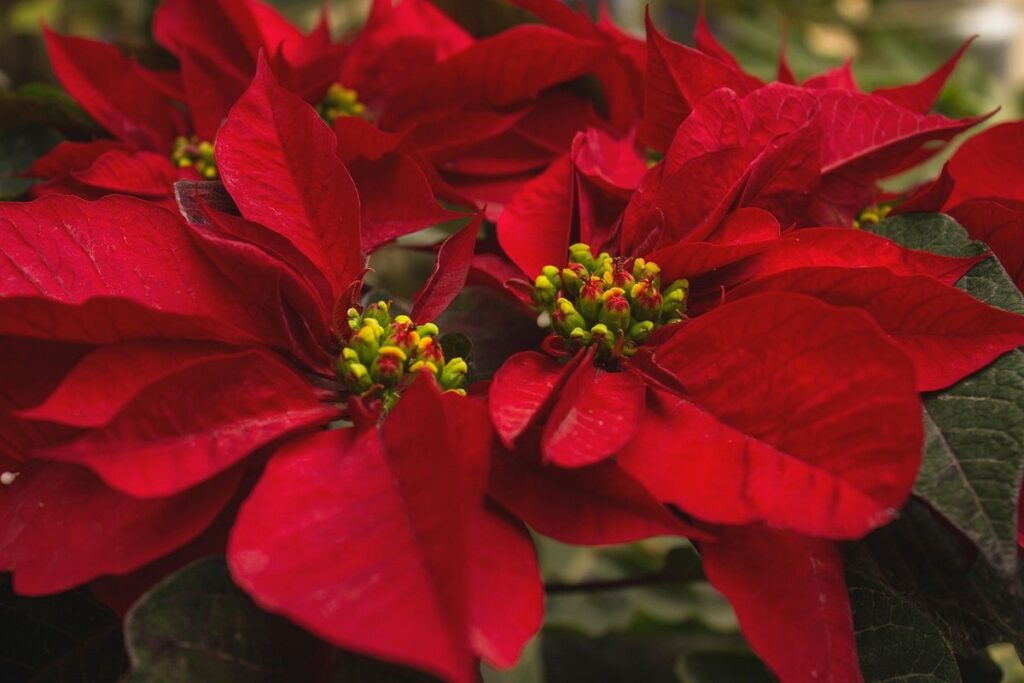
Choosing the Perfect Poinsettia
When selecting a poinsettia, consider factors like color intensity and plant size to ensure you choose one that will thrive under your care. Bright colors and full foliage are key characteristics to look for.
Selecting the Right Variety
When it comes to choosing the perfect poinsettia for your home, one of the most important decisions is selecting the right variety. Poinsettias come in a wide range of colors and patterns, including red, pink, white, and bi-colored varieties.
If you’re looking to add some festive flair to your holiday decor, you may want to opt for the classic red poinsettia. This timeless choice is sure to evoke the spirit of the season and complement traditional Christmas decorations. On the other hand, if you prefer a more subtle look, consider a white or pale pink variety.
For those who like to make a statement, bi-colored poinsettias offer a unique and eye-catching option. These varieties combine two colors in a single plant, creating a beautiful and bold display. Consider your personal preference and desired color scheme when selecting the best variety for you. If you’re looking to create a cohesive look with other decorations, choose a variety that complements them.
Understanding Poinsettia Care Basics
To bring home a beautiful and thriving poinsettia plant, it’s essential to understand its basic care requirements. Before making your purchase, take a moment to review these fundamental needs: watering, temperature, and lighting.
Watering is perhaps the most critical aspect of poinsettia care. These plants prefer well-draining soil and should be watered thoroughly until water comes out of the drainage holes. However, overwatering can lead to root rot, so it’s crucial to allow the top inch of soil to dry between waterings. As a general rule, check the moisture level by sticking your finger into the soil up to the first knuckle.
Poinsettias thrive in temperatures between 65-70°F (18-21°C) during the day and no lower than 55°F (13°C) at night. Avoid placing them near drafty windows or air conditioning vents, as sudden temperature changes can cause stress.
In terms of lighting, poinsettias require bright indirect light but not direct sunlight, which can scorch their leaves. East- or west-facing windows are ideal for these plants.
Planting and Potting Your Poinsettia
When you’re ready to give your poinsettia a new home, it’s essential to plant it correctly to ensure healthy growth. Learn how to pot and plant your poinsettia for optimal results.
Preparing the Plant for Display
When you bring your poinsettia plant home, it’s likely wrapped in plastic or foil to protect it during shipping. To prepare your plant for display, gently remove the packaging materials. Start by cutting open the wrapping and carefully slide out the pot. If there’s a built-in water reservoir, make sure to empty any excess water to prevent root rot.
Now it’s time to prune any damaged or dying leaves. This is an important step in maintaining the health and appearance of your plant. Remove any leaves that are wilted, discolored, or have black spots. Use clean pruning shears to cut just above a node, where a leaf meets the stem. This will help prevent the spread of disease and encourage healthy growth.
If you want to give your poinsettia a more polished look, consider repotting it in a decorative pot. Choose one that complements the plant’s color scheme, and add some fresh potting mix to provide a nutrient boost. This is also an opportunity to inspect the roots and remove any dead or circling roots.
Soil and Fertilization Requirements
When it comes to soil and fertilization requirements for your poinsettia plant, it’s essential to get it right. Poinsettias need well-draining soil that is specifically designed for their unique needs. Avoid using regular potting soil, as it can retain too much water and cause root rot.
Look for a high-quality poinsettia mix that contains perlite or vermiculite to improve drainage. You can also add some orchid bark or coconut coir to enhance the soil’s ability to hold moisture but still drain excess water quickly.
During the growing season, which typically starts in late spring and lasts until early fall, fertilize your poinsettia plant with a balanced, water-soluble fertilizer (20-20-20). Dilute the fertilizer according to the manufacturer’s instructions to avoid burning your plant’s roots. Feed your poinsettia every 2-3 weeks during this period, but be sure to skip fertilizing when you’re pruning or repotting.
Some popular types of fertilizer for poinsettias include Miracle-Gro, Schultz, and Espoma Organic. Always follow the recommended application schedule and dosage to avoid over-fertilizing, which can lead to more harm than good.
Watering Your Poinsettia: Tips and Tricks
When it comes to keeping your poinsettia looking its best, proper watering is key. Here’s how to water your poinsettia plant without over- or under-hydrating it.
Understanding Poinsettia Watering Needs
When it comes to watering your poinsettia plant, it’s essential to strike the right balance. Overwatering and underwatering are two common mistakes that can lead to devastating consequences for your plant.
First, let’s talk about how often to water. A general rule of thumb is to water your poinsettia when the top inch of soil feels dry to the touch. However, this frequency can be affected by temperature and humidity levels. In warmer temperatures (above 65°F), your poinsettia will need more frequent watering, while cooler temperatures (below 55°F) require less. If you live in a humid climate, your plant may need less water due to the higher moisture levels.
Factors like soil type and pot size also play a significant role in determining your poinsettia’s watering needs. A well-draining potting mix will help prevent waterlogged soil, while a larger pot can retain more moisture. To avoid overwatering, check the plant regularly and adjust your watering schedule accordingly. Underwatering can be just as detrimental, so make sure to keep an eye on your plant’s leaves for signs of thirst.
Avoiding Common Watering Mistakes
When it comes to watering your poinsettia, there are several common mistakes that can be detrimental to the plant’s health. One of the most critical errors is allowing water to sit on the leaves or crown, which can lead to rot and root damage. To avoid this, make sure to water your poinsettia in a well-draining potting mix and let excess water drain from the saucer.
Another mistake is letting the pot sit in standing water for an extended period. This can cause the roots to become waterlogged, leading to root rot and ultimately killing the plant. To troubleshoot this issue, check the soil moisture by inserting your finger into the soil up to the first knuckle. If the soil feels dry, it’s time to water.
To prevent overwatering, start by watering your poinsettia sparingly and gradually increase the frequency as needed. Monitor the plant’s response to determine its ideal watering schedule.
Providing Optimal Environmental Conditions
To keep your poinsettia plant thriving, it’s essential to provide it with a suitable environment that meets its specific needs for temperature and humidity. A stable room temperature between 65-70°F is perfect.
Temperature Requirements
When it comes to providing optimal environmental conditions for your poinsettia plant, temperature plays a crucial role. Poinsettias thrive best in temperatures between 65-70°F (18-21°C), and maintaining this range will help promote healthy growth and prevent potential problems.
Keep in mind that exposing your poinsettia to extreme temperatures can be detrimental to its health. For example, if the temperature drops below 55°F (13°C), your plant may experience stress, causing it to drop leaves or even die back. On the other hand, temperatures above 75°F (24°C) can cause the bracts (those beautiful colorful parts) to fade and become discolored.
To keep your poinsettia away from extreme temperatures, place it at least a few feet away from drafty windows, radiators, or air conditioning vents. You can also use a thermometer to monitor the temperature in the room where your plant is located. By doing so, you’ll be able to create an environment that’s perfect for your poinsettia to flourish.
Lighting Needs
When it comes to providing optimal environmental conditions for your poinsettia plant, lighting is one of the most critical factors. While these plants thrive in bright light, direct sunlight can be detrimental, causing scorching and damage to the leaves.
In general, a sunny spot near a window with plenty of natural light is ideal for your poinsettia. If you don’t have such a location, consider using grow lights as an alternative. Grow lights provide the necessary spectrum and intensity of light that your plant needs without the risk of scorching. Choose LED grow lights, which emit minimal heat and are energy-efficient.
When selecting a spot for your poinsettia or setting up grow lights, keep in mind that east- or west-facing windows receive gentle morning and afternoon sunlight, making them ideal options. Avoid south-facing windows, as they can be too intense during peak sun hours. If using grow lights, follow the manufacturer’s instructions and maintain a distance of about 6-8 inches to prevent burning the leaves.
Encouraging Blooms and Maintaining Shape
To keep your poinsettia plant thriving, it’s essential to encourage blooming and maintain its shape through proper pruning, fertilization, and repotting techniques. This ensures a stunning display of color year after year.
Understanding Poinsettia Bloom Cycles
Poinsettia bloom cycles are characterized by distinct stages of growth and blooming. The plant’s natural cycle typically starts with a vegetative phase, where it focuses on growing leaves and stems, followed by an induction phase that signals the plant to produce flowers. This induction phase is triggered by shortening daylight hours, which can be replicated using supplemental lighting.
Factors influencing bloom timing include temperature, light exposure, and fertilizer application. For example, poinsettias require temperatures between 65-70°F (18-21°C) during the day and no lower than 55°F (13°C) at night to induce blooms. Too little or too much light can also affect blooming, so it’s essential to provide your poinsettia with bright, indirect light but avoid direct sunlight.
To encourage repeat blooms year after year, plant breeders have developed techniques to trick the plant into thinking it’s winter. This involves providing 14 hours of darkness per night, usually achieved using a dark room or by covering the plant for 14 hours. Fertilizing regularly can also promote healthy growth and support multiple blooming cycles.
Pruning and Grooming Techniques
To maintain a bushy shape and encourage new growth, pruning is an essential part of poinsettia care. However, it’s crucial to prune during the growing season, typically between spring and summer, when the plant is actively producing new leaves and stems. During this time, remove any weak or spindly growth to direct the plant’s energy towards developing a robust and balanced shape.
When pruning, use clean, sharp tools to prevent spreading diseases and causing unnecessary stress to the plant. Cut back any leggy stems by about one-third to encourage branching and promote a fuller appearance. Be sure to remove any dead or dying leaves, but do so carefully to avoid damaging surrounding tissue. If necessary, gently twist off affected leaves at their base, making sure not to pull on nearby growth. This will help prevent further stress and promote healthy new growth.
Pest Control and Troubleshooting Common Issues
If you notice any pests on your poinsettia plant, such as mealybugs or spider mites, or if it’s showing signs of disease, this is where you’ll learn how to address these issues effectively.
Identifying Common Pests
Poinsettias are beautiful and popular holiday plants, but they can be susceptible to pest infestations. As a poinsettia owner, it’s essential to know what common pests to look out for and how to address them before they cause significant damage.
Inspect your plant regularly by gently turning the leaves over to check for tiny eggs, white cottony patches, or small brown spots. Spider mites are often found on the underside of leaves, while mealybugs tend to congregate near the soil line. Scale insects can be mistaken for small bumps or lumps on the stems and leaves.
If you notice any signs of infestation, act quickly to prevent further damage. For spider mite infestations, try washing the plant with a mild soap solution (1 tablespoon of liquid soap per 1 quart of water). For mealybugs, use an insecticidal soap or neem oil spray according to the product’s instructions. To control scale insects, use a horticultural oil spray.
Remember, natural pest control methods are often safer and more effective than chemical pesticides. By keeping your plant healthy through proper care and monitoring for pests, you can enjoy your beautiful poinsettia throughout the holiday season.
Addressing Common Problems
As you care for your poinsettia plant, it’s not uncommon to encounter some common issues. Yellow leaves can be a sign of overwatering, so make sure to check the soil moisture by sticking your finger into the soil up to the first knuckle. If it feels dry, it’s time to water. On the other hand, droopy stems might indicate that the plant is not getting enough light. Move it to a brighter location or consider using grow lights.
Another issue you may encounter is reduced blooming. This can be caused by inconsistent fertilization schedules or temperature fluctuations. To prevent this, maintain a consistent watering and fertilization routine, and keep your poinsettia away from drafty windows and heating vents. Monitor the temperature between 65-70°F (18-21°C), as this will help promote healthy growth and blooming.
In addition to these tips, remember that proper care can go a long way in preventing problems from arising in the first place. Regularly inspect your plant for pests, diseases, or nutrient deficiencies, and adjust its environment accordingly.
Conclusion: Extending Your Poinsettia’s Lifespan
Now that you’ve learned how to care for your poinsettia plant, let’s talk about what you can do to keep it thriving beyond the holiday season. Here are some tips to extend its lifespan.
Tips for Keeping Your Poinsettia Healthy Throughout the Year
As you’ve learned throughout this comprehensive guide, caring for a poinsettia plant requires attention to its specific needs. To keep your poinsettia healthy and thriving throughout its lifespan, remember the key takeaways from our previous sections: provide bright, indirect light, maintain a consistent temperature between 65-70°F (18-21°C), and water sparingly, allowing the soil to dry slightly between waterings.
In addition to these care tips, repurposing your poinsettia after it has finished blooming can add years to its lifespan. Start by cutting back the stems to about six inches from the pot’s rim using a sharp pair of pruning shears or loppers. This will encourage new growth and help the plant conserve energy for next year’s blooms.
You can also use your poinsettia as a beautiful winter arrangement by incorporating it into a larger decorative planter or vase filled with evergreen branches, pinecones, and other seasonal elements. Simply trim back any dead or damaged foliage, fluff out the remaining leaves to create a lush appearance, and place it in a prominent spot.
To extend your poinsettia’s lifespan even further, consider propagating new plants from healthy stem cuttings taken during the spring growth season. This way, you can enjoy multiple years of blooms without having to purchase a new plant every year.
By implementing these final care tips and repurposing your poinsettia after it has finished blooming, you’ll be able to keep your plant healthy and thriving throughout its lifespan – from its first bloom in December to the next year’s showstopping display.
Frequently Asked Questions
Can I repot my poinsettia plant after it has finished blooming?
Yes, repotting your poinsettia can be beneficial for its long-term health. However, wait until the new growth starts to appear, usually around late winter or early spring. Use a slightly larger pot and fresh potting mix specifically designed for tropical plants. This will give your poinsettia a chance to establish a strong root system before it begins producing flowers again.
How do I prevent my poinsettia from shedding its leaves?
Poinsettias are prone to leaf drop due to overwatering or underwatering. To prevent this, ensure you’re watering your plant correctly (about 1-2 cups of water per week). Also, avoid placing it in areas with sudden temperature changes or drafts, which can cause stress and lead to leaf loss.
Can I propagate my poinsettia from cuttings?
Yes, you can propagate poinsettias through stem cuttings. Wait until the plant has finished blooming, then take 4-6 inch stem sections just above a node. Remove lower leaves, dip in rooting hormone, and plant in moistened potting mix. Keep the soil consistently moist but not waterlogged, and provide indirect light. Roots should develop within 2-3 weeks.
How often do I need to fertilize my poinsettia?
Fertilize your poinsettia every 4-6 weeks during the growing season (spring-fall) with a balanced, water-soluble fertilizer (20-20-20). Dilute the fertilizer to half the recommended strength to avoid burning the roots. During the dormant period (winter), skip fertilizing altogether.
Can I leave my poinsettia outdoors year-round in warm climates?
While poinsettias can tolerate temperatures above 60°F (15°C), they’re sensitive to extreme heat, direct sunlight, and wind. In warm climates, it’s best to bring your poinsettia indoors during the hottest months or provide protection from intense sun and heat stress.