
Geraniums are one of the most popular flowering plants in the world, offering vibrant colors and delicate petals to brighten up any space. But did you know that there are over 20 different types of geraniums to choose from? Whether you’re a seasoned gardener or just starting out, it’s essential to understand your options when selecting these beautiful flowers for your garden or indoor space.
This article will take you on a journey through the various types of geraniums, from annual varieties that thrive in pots and containers to perennial plants that can bloom year after year. You’ll learn how to care for these gorgeous flowers, including tips on soil, sunlight, and watering requirements. By the end of this post, you’ll be equipped with the knowledge to choose the perfect type of geranium for your needs and create stunning displays in your garden or home.
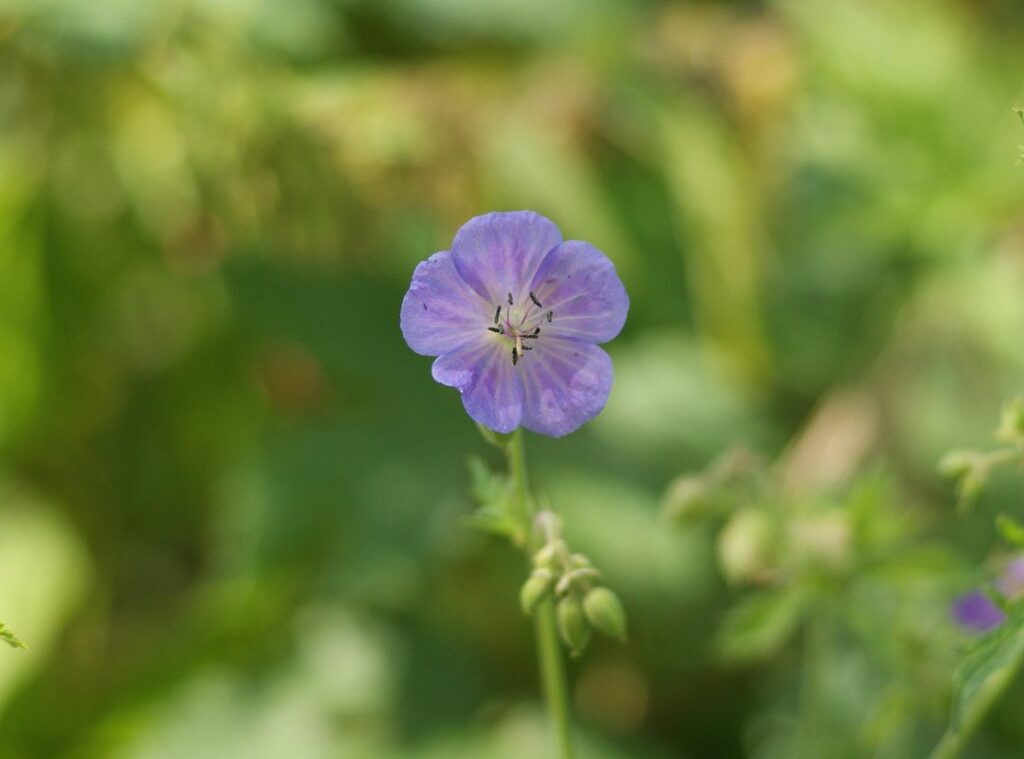
Introduction to Geraniums
Let’s start with the basics: geraniums are one of the most popular and versatile flowers, available in a stunning array of colors and varieties. In this section, we’ll explore their many faces.
History and Origins of Geraniums
Geraniums have a rich and fascinating history that spans centuries. Their origins date back to South Africa, where they were first discovered by European botanists in the 17th century. The plant was initially prized for its fragrant flowers and medicinal properties, but it wasn’t until the Victorian era that geraniums became a popular ornamental plant worldwide.
During this time, gardeners began experimenting with different varieties of geraniums, breeding them to produce vibrant colors, unique shapes, and various growth habits. This led to the development of new types of geraniums, such as the hardy geranium, which could thrive in cooler climates and the pelargonium, a type of scented geranium.
The 19th century saw the introduction of new varieties from Asia and Europe, further expanding the range of geraniums available. By the early 20th century, geraniums had become a staple in many gardens, prized for their low maintenance requirements and ability to thrive in a variety of conditions. Today, there are over 200 species of geraniums, each with its own unique characteristics and growing requirements.
Gardeners can benefit from understanding the history of geraniums as it provides valuable insights into their development and diversity.
Overview of Geranium Types
Geranium enthusiasts often get confused with the numerous types available. There are over 422 species of geraniums, but we’ll focus on the most popular ones. You might have heard of Pelargonium, which is actually a common name for many types of geraniums. For clarity, let’s break down some key differences.
Pelargonium (Ornamental Geraniums): These are the most widely grown geraniums and come in a variety of shapes, sizes, and colors. They’re perfect for adding a pop of color to your garden or indoor spaces. Their leaves can be scented, which is a great plus for those who enjoy fragrant plants.
Geranium (Herb Geraniums): Also known as peppermint geranium, this variety is primarily grown for its medicinal and culinary uses. Its leaves are used in teas, salads, and even desserts due to their unique flavor profile.
Zonal Geraniums: As the name suggests, these have distinct zones or markings on their leaves, which create a beautiful contrast against other foliage. They’re relatively low-maintenance and make great additions to hanging baskets and containers.
Each of these types has its own characteristics and uses, so it’s essential to understand your specific needs before choosing the right geranium for you.
Classification of Geraniums
Geranium enthusiasts, let’s dive into the classification of these beautiful plants, which can be broadly categorized based on their growth habits and flowering patterns. There are three main types to consider.
Botanical Classification
Geraniums belong to the family Geraniaceae and are classified under the genus Pelargonium. This botanical classification is crucial for understanding the plant’s properties and behavior. The Geraniaceae family is a group of flowering plants that also includes other genera like Erodium and Sanguisorba. Within this family, the Pelargonium genus is further divided into several species, including P. x hortorum, which is commonly grown as an ornamental plant.
Understanding the botanical classification of geraniums helps you identify their unique characteristics, growth habits, and requirements. For instance, some species within the Pelargonium genus are more sensitive to frost than others, while certain hybrids like the P. x hortorum are bred for their vibrant flowers and compact growth. By knowing the specific classification of your geranium, you can tailor your care and maintenance strategies to meet its unique needs.
This knowledge also helps you navigate the diverse range of geranium species, from annuals to perennials, and choose the ones that best fit your gardening goals and climate.
Horticultural Classification
Horticulturists categorize geraniums into distinct types based on various characteristics, including growth habits, flower colors, and foliage. This classification system is essential for gardeners and growers as it helps them choose the right variety for their specific needs.
For instance, geraniums can be classified as upright or trailing, depending on their growth habits. Upright varieties, such as ‘Johnson’s Blue’ and ‘Mrs. Pollock’, have a more compact growth habit and are ideal for containers or borders. Trailing types, like ‘Calliope’ and ‘Tango’, spread out and cascade over the edges of pots or hanging baskets.
In addition to growth habits, flower colors also play a significant role in horticultural classification. Geraniums come in a range of colors, including pink, red, white, and bi-colored varieties like ‘Jolly Bee’ and ‘Mourning’. Foliage is another important factor, with some varieties having variegated or deeply lobed leaves.
Understanding these classifications can help gardeners choose geraniums that thrive in their specific climate and soil conditions. For example, if you live in a hot and dry region, selecting a drought-tolerant variety like ‘Rozanne’ would be beneficial. By recognizing the different types of geraniums based on horticultural classification, growers can make informed decisions when planting and caring for these beautiful flowers.
Common Types of Geraniums
Let’s dive into some of the most popular varieties, from classic Zonal geraniums to beautiful Ivy-leaf and even striking Pelargonium types. Each has its own unique charm.
Annual Geraniums
Annual geraniums are one of the most popular and versatile types of geraniums, prized for their vibrant blooms and low-maintenance requirements. These plants thrive in warm temperatures and can be grown as annuals or perennials, depending on the climate.
One of the standout features of annual geraniums is their ability to bloom continuously throughout the growing season. They produce a profusion of small, delicate flowers in shades of pink, red, white, and purple, adding a pop of color to any garden bed or container. Annual geraniums also have a spreading habit, making them perfect for hanging baskets, window boxes, or as a ground cover.
Notable benefits of growing annual geraniums include their resistance to pests and diseases, making them a great choice for gardeners with limited experience. They are also relatively drought-tolerant, requiring minimal watering once established. With proper care, annual geraniums can bloom from spring to fall, providing months of non-stop color and interest in the garden.
When choosing annual geraniums, look for varieties that are compact or dwarf, as these will perform best in containers or small spaces. Some popular cultivars include ‘Calliope’, ‘Jolly Bee’, and ‘Vista White’.
Perennial Geraniums
Perennial geraniums are a type of flowering plant that is hardy in zones 4-8, meaning they can withstand temperatures as low as -30°F and as high as 90°F. These plants have a sprawling growth habit, making them ideal for groundcover or hanging baskets. They produce vibrant flowers in shades of pink, purple, and white from May to July, depending on the specific variety.
To ensure perennial geraniums come back year after year, it’s essential to provide them with proper care. Start by planting them in well-draining soil with a slightly acidic pH (around 6.0-7.0). Water them regularly during their active growing season but avoid overwatering, which can lead to root rot.
Mulch around the base of the plants to retain moisture and suppress weeds. Fertilize lightly in spring with a balanced fertilizer, following the manufacturer’s instructions. Prune back perennial geraniums after blooming to encourage bushy growth and prevent them from becoming leggy. By providing these simple care requirements, you can enjoy your perennial geraniums for years to come, and their vibrant flowers will add a pop of color to your garden or container arrangements.
Unusual and Rare Types of Geraniums
While many gardeners adore common varieties, some types of geraniums are truly one-of-a-kind treasures waiting to be discovered. Let’s explore these rare gems together!
Exotic Species
When venturing into the world of unusual geranium species, you’ll discover unique characteristics and benefits that set them apart from more common varieties. One such exotic species is the Pelargonium tomentosum, also known as woolly stem geranium. This plant boasts a velvety, grey-green foliage and produces small, pink flowers in late spring. Its distinct appearance makes it an attractive addition to rock gardens or areas with poor soil quality.
Another rare gem is the Pelargonium citronellum, which has vibrant yellow flowers and highly fragrant leaves that contain high levels of citronella oil. This makes it a popular choice for herbal gardens or as a natural insect repellent. When growing these exotic species, keep in mind their specific requirements: they prefer well-drained soil and full sun to partial shade.
To incorporate an exotic geranium into your garden, start by selecting a spot with suitable conditions and plant the seedling at the same depth it was previously grown. Water regularly but avoid overwatering, which can lead to root rot in these sensitive plants. By giving them proper care, you’ll be rewarded with their unique beauty and benefits, adding an extra layer of interest to your garden.
Varieties with Medicinal Properties
Geranium varieties have been prized for centuries not only for their ornamental value but also for their potential medicinal properties. One of the most notable examples is Pelargonium graveolens, commonly known as rose-scented geranium. This plant has been used to reduce stress and anxiety due to its calming effects when inhaled. Its essential oil can be extracted through steam distillation or solvent extraction, then applied topically or inhaled via aromatherapy.
Other varieties like Pelargonium crispum have been found to possess anti-inflammatory properties, which may aid in skin health and wound healing. Geraniums with high anthocyanin content, such as ‘Red Star’, are said to have antioxidant and anti-aging effects. When using geraniums for therapeutic purposes, it’s essential to note that they can interact with certain medications or exacerbate underlying conditions.
When preparing geranium-based remedies, make sure to dilute the essential oil in a carrier oil (1:10 ratio) to avoid skin irritation. Also, consult with a healthcare professional before using geranium extracts as a treatment for any medical condition. By leveraging the medicinal properties of these plants, you can harness their potential for holistic wellness and natural self-care.
Growing Geraniums: Tips and Tricks
To grow beautiful geraniums, you’ll want to know a few key tips on how to give them the right conditions and care for optimal blooming. Let’s dive into some essential growing advice.
Propagation Methods
Propagation Methods for Geraniums: A Step-by-Step Guide
Geraniums are relatively easy to propagate, and with the right techniques, you can multiply your favorite varieties quickly. Here’s a step-by-step guide on how to propagate geraniums through division, cuttings, or seed.
Division is an excellent method for propagating geraniums, especially when the plant becomes pot-bound. Start by gently removing the plant from its container and washing the roots with water. Identify the main roots and separate them into sections, making sure each section has at least one growing point (called a “eye”). Re-pot the separated sections in well-draining soil, and keep the soil consistently moist during the first few weeks.
Cuttings are another popular method for propagating geraniums. Choose healthy stems with at least two nodes (the joint where a leaf meets the stem) and remove lower leaves to prevent decay. Dip the cut ends into rooting hormone powder or liquid and plant them in a propagation tray filled with moistened potting mix. Keep the soil warm and humid until roots develop, usually within 2-4 weeks.
When it comes to seed propagation, geranium seeds are relatively small and require specialized equipment. Sow the seeds directly into a well-draining seed starting mix and keep the soil at a consistent temperature around 70°F (21°C). Transplant the seedlings into individual pots once they have two sets of leaves, taking care not to disturb their delicate roots.
Regardless of the method you choose, make sure to use clean equipment and maintain good hygiene practices to prevent contamination and root rot. With proper care, your newly propagated geraniums should thrive and provide a beautiful display of flowers for months to come.
Soil and Lighting Requirements
When it comes to growing geraniums, the right soil and lighting conditions are crucial for their success. Different types of geraniums have unique requirements, so it’s essential to choose a mix that suits their needs.
For example, zonal geraniums prefer well-draining potting mixes with a slightly acidic pH, while ivy-leaf geraniums thrive in more alkaline soils with good water retention. To address common issues like overwatering or underwatering, make sure to check the moisture levels of your soil regularly. Stick your finger into the soil up to the first knuckle; if the soil feels dry, it’s time to water.
Another key consideration is lighting. Most geraniums require bright, indirect light, but some types can tolerate full sun. For instance, scented geraniums love direct sunlight and can even benefit from being placed near a sunny windowsill. To prevent overwatering, ensure good air circulation around your plants by keeping them at least 6-8 inches away from any walls or other obstructions.
By choosing the right soil mix and providing suitable lighting conditions, you’ll be well on your way to growing thriving geraniums that bring vibrancy and beauty to your indoor or outdoor spaces.
Conclusion
Now that you’ve learned about the different types of geraniums, let’s summarize what we’ve covered and take a final look at these beautiful flowers.
Recap of Geranium Types
In this comprehensive guide, we’ve explored various types of geraniums that cater to different needs and preferences. Among them are the upright Geranium x hybrida, perfect for adding a pop of color to borders and containers with their vibrant blooms. The Pelargonium species offers a diverse range of foliage plants, ideal for hanging baskets or terrariums.
We’ve also discussed the hardy Ivy-leaved Geranium (Pelargonium peltatum), great for cascading down walls or containers, as well as the delicate and compact dwarf varieties like ‘Johnson’s Blue’ and ‘Moulin Rouge’. These are perfect for adding a touch of elegance to small spaces. Additionally, we looked at the flowering Geraniums like ‘Rozanne’, which thrive in moist environments, and the versatile bedding plants that can tolerate heat and dryness.
As you’ve learned throughout this guide, each type of geranium has its unique characteristics, growing conditions, and uses. By understanding these differences, you’ll be able to choose the right variety for your specific needs and create stunning displays in your garden or home.
Final Tips for Gardeners
As you’ve delved into the world of geraniums and learned about their various types, it’s time to put your newfound knowledge into practice. Gardening with geraniums can be incredibly rewarding, but it requires some TLC to ensure they thrive.
To make the most of your experience, don’t be afraid to experiment with different varieties. Try pairing bold-red geraniums with delicate whites or soft pinks for a romantic look. You could also create a striking contrast by combining geraniums with other flowering plants that complement their shape and color.
For example, plant geraniums alongside lavender for a fragrant, low-maintenance combination. Alternatively, pair them with trailing flowers like petunias or sweet peas to add depth to your garden beds.
Remember, the key to successfully growing geraniums is providing them with well-draining soil, plenty of sunlight, and regular watering. By keeping these basics in mind, you’ll be on your way to creating a beautiful, thriving geranium display that brings joy to your outdoor space all season long.
Frequently Asked Questions
Can I grow geraniums indoors year-round?
Yes, with proper care, geraniums can thrive indoors year-round. To keep them healthy and blooming, ensure they receive sufficient indirect sunlight (4-6 hours) and maintain a consistent temperature between 60-70°F (15-21°C). Also, fertilize them regularly and repot every 6-12 months to provide fresh soil.
What are the best conditions for growing exotic geranium species?
Exotic geranium species typically require more specific care than regular varieties. They prefer warmer temperatures (above 65°F/18°C), high humidity (50-60%), and full sun to partial shade. Also, ensure they have well-draining potting mix to prevent root rot.
How do I propagate my favorite geranium variety?
Geraniums can be easily propagated through stem cuttings or division of mature plants. For stem cuttings, take 3-4 inch long sections with at least two sets of leaves and remove lower leaves. Dip the cutting in rooting hormone powder or liquid and plant it in moistened potting mix. Keep it warm (around 70°F/21°C) until roots develop.
What are some common pests and diseases that affect geraniums?
Common pests affecting geraniums include aphids, whiteflies, and spider mites. Regularly inspect your plants for these pests, and use neem oil or insecticidal soap to control infestations. As for diseases, watch out for root rot caused by overwatering, and treat fungal infections promptly with fungicides.
Can I grow geraniums in containers on a balcony?
Yes, geraniums can thrive in containers on a balcony as long as they receive sufficient sunlight (at least 4 hours direct sun) and have good air circulation. Choose a container at least 6-8 inches deep to accommodate the plant’s root system, and use well-draining potting mix to prevent waterlogged soil.